buddhist temple

Wat Samrong Knong, Battambang | Cambodia

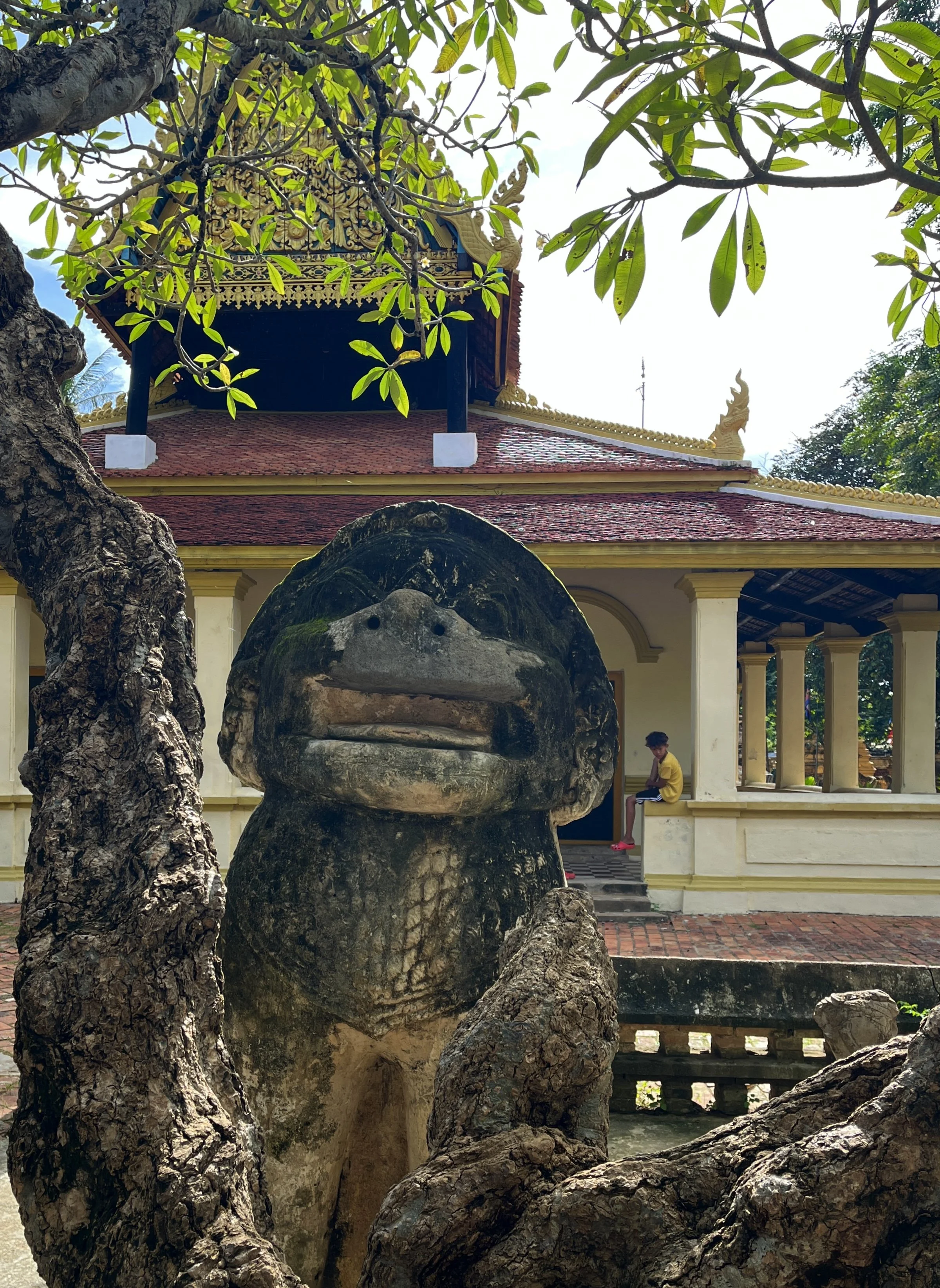
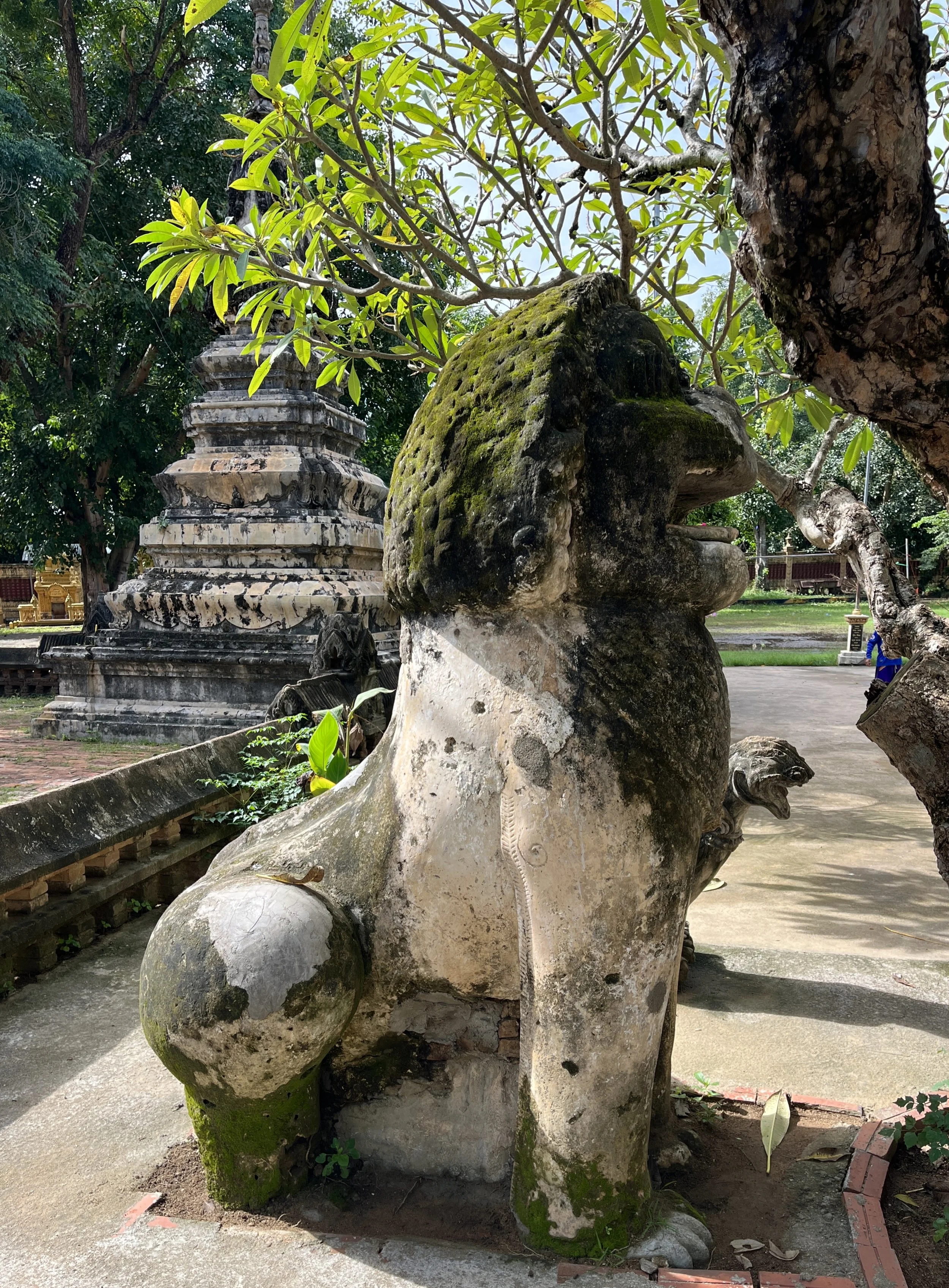
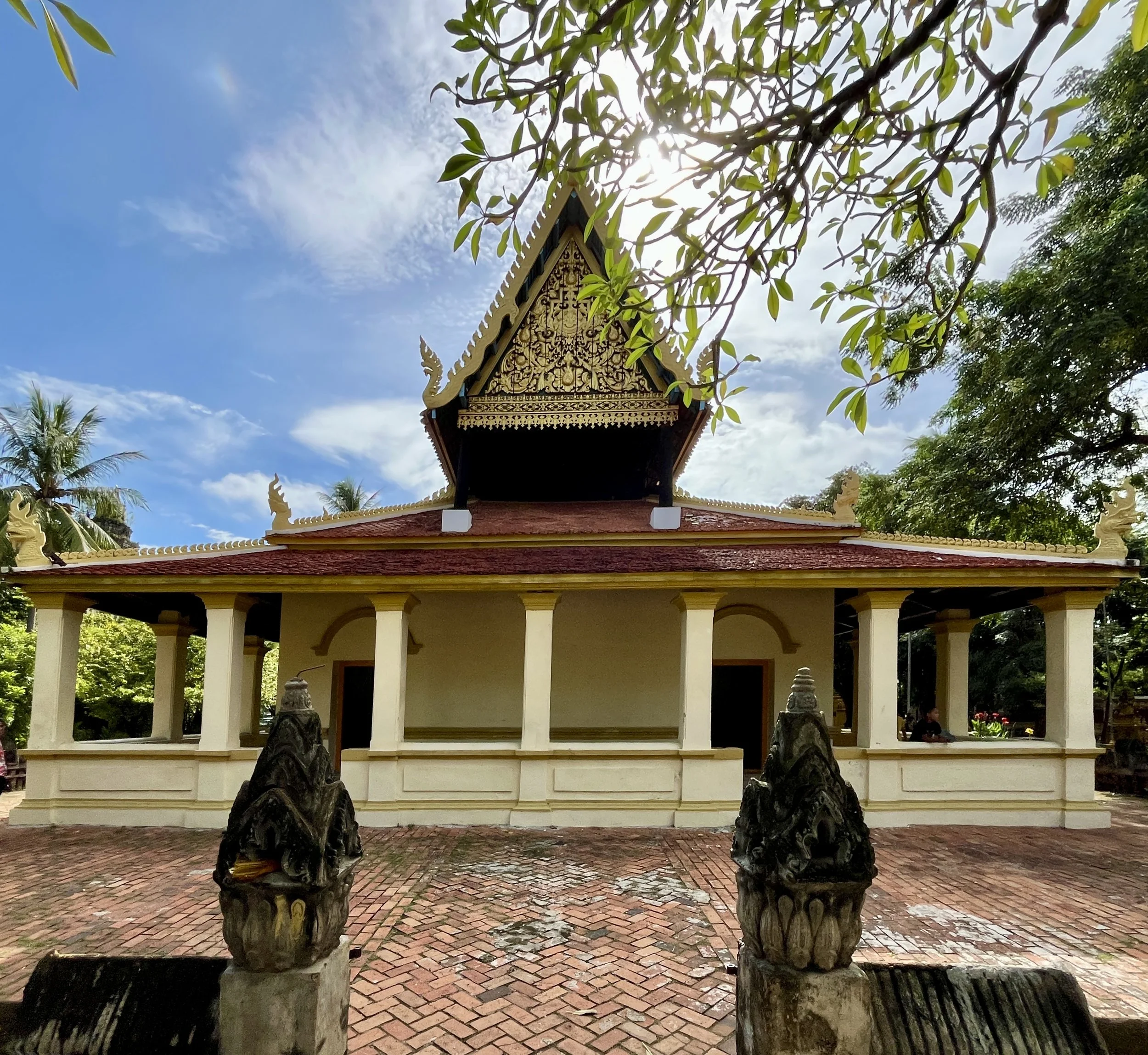
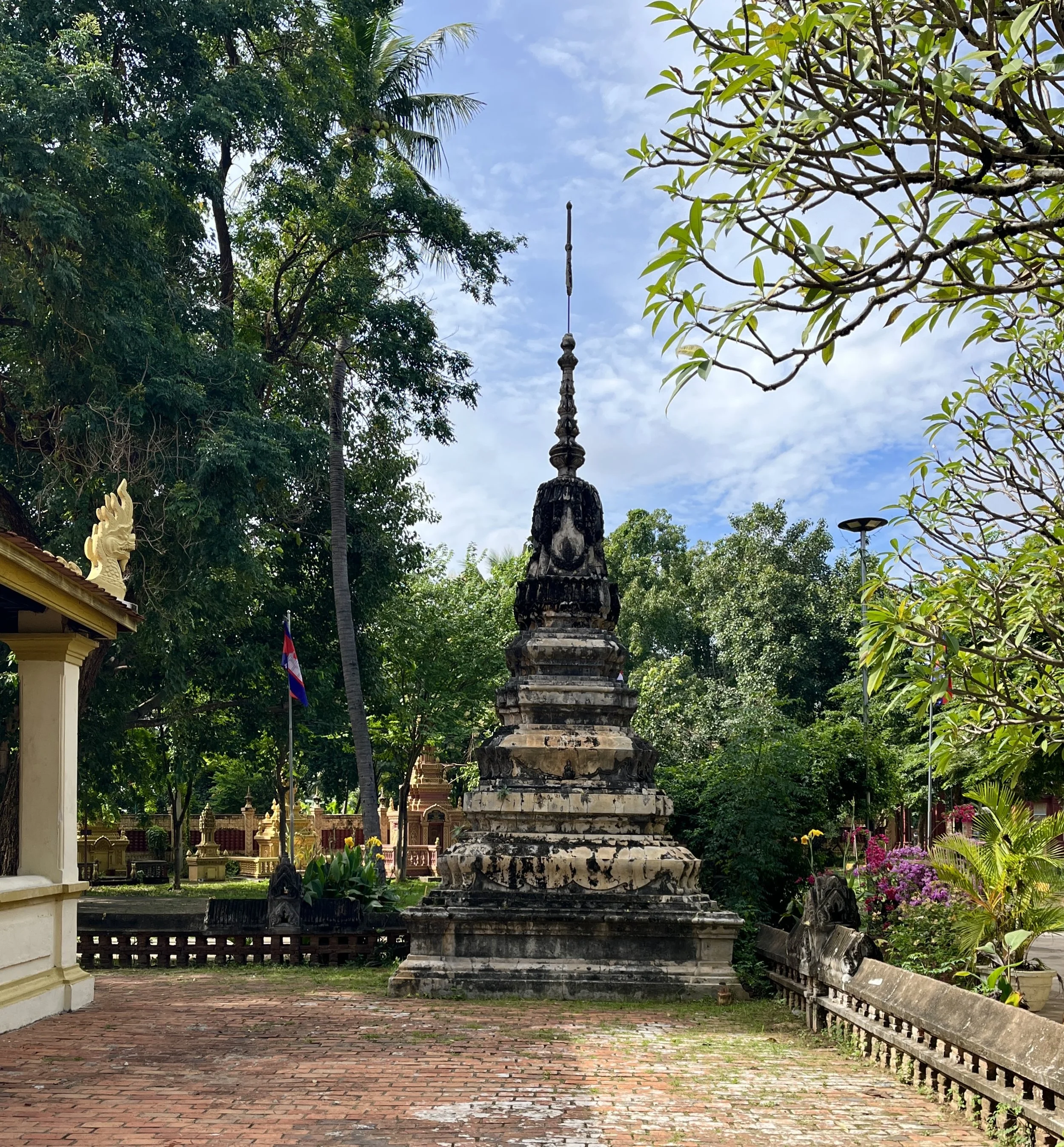
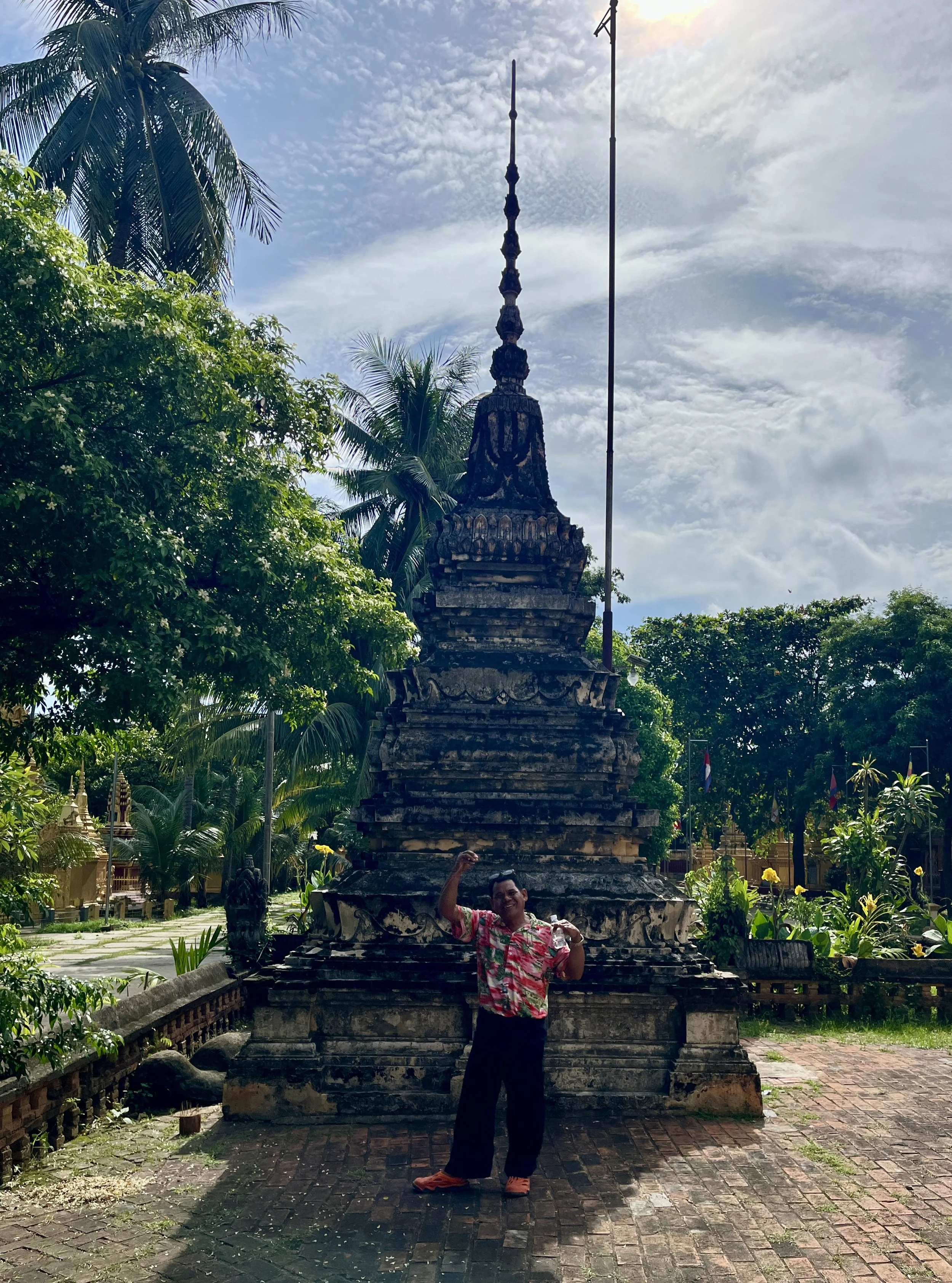
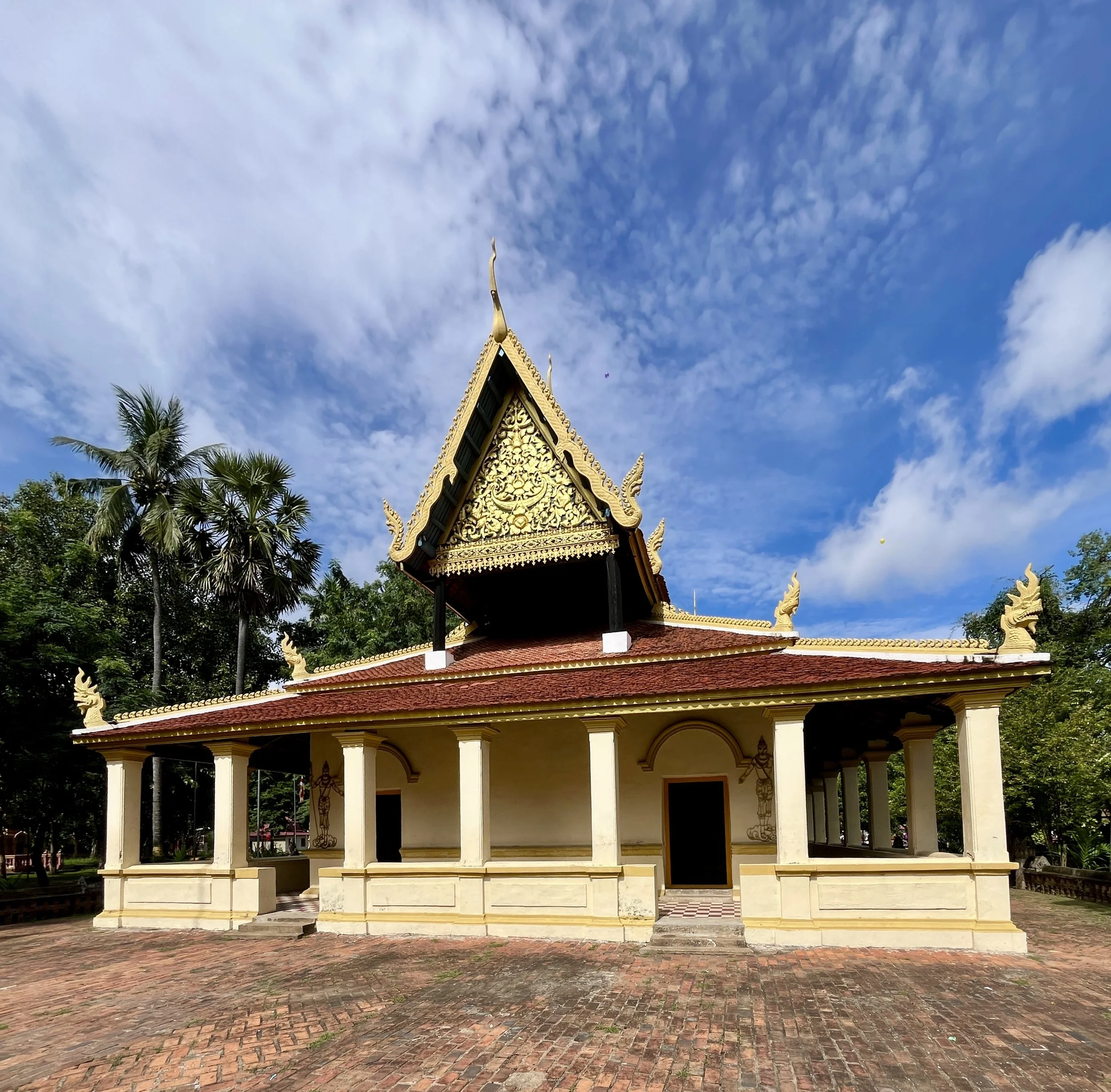
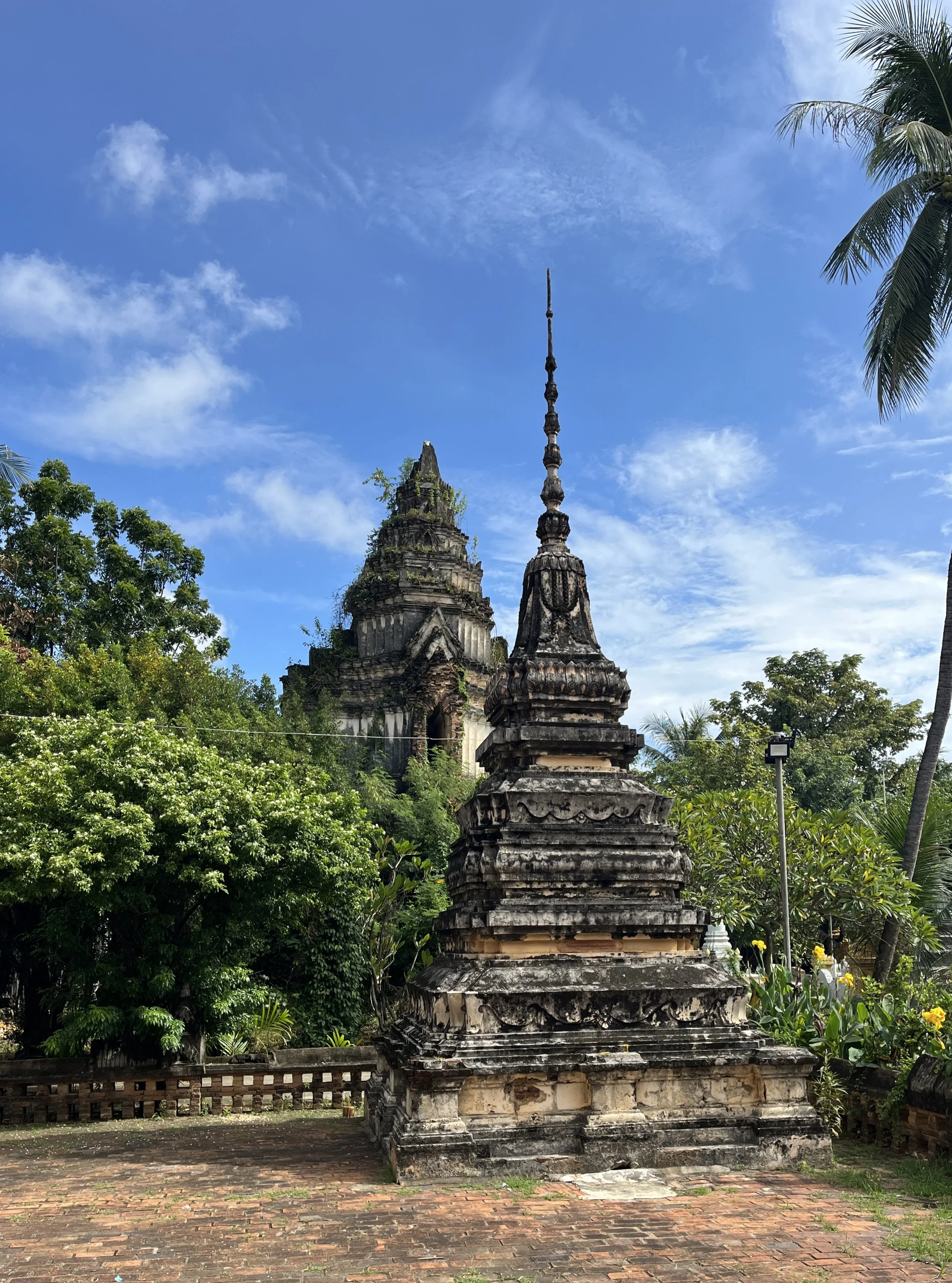
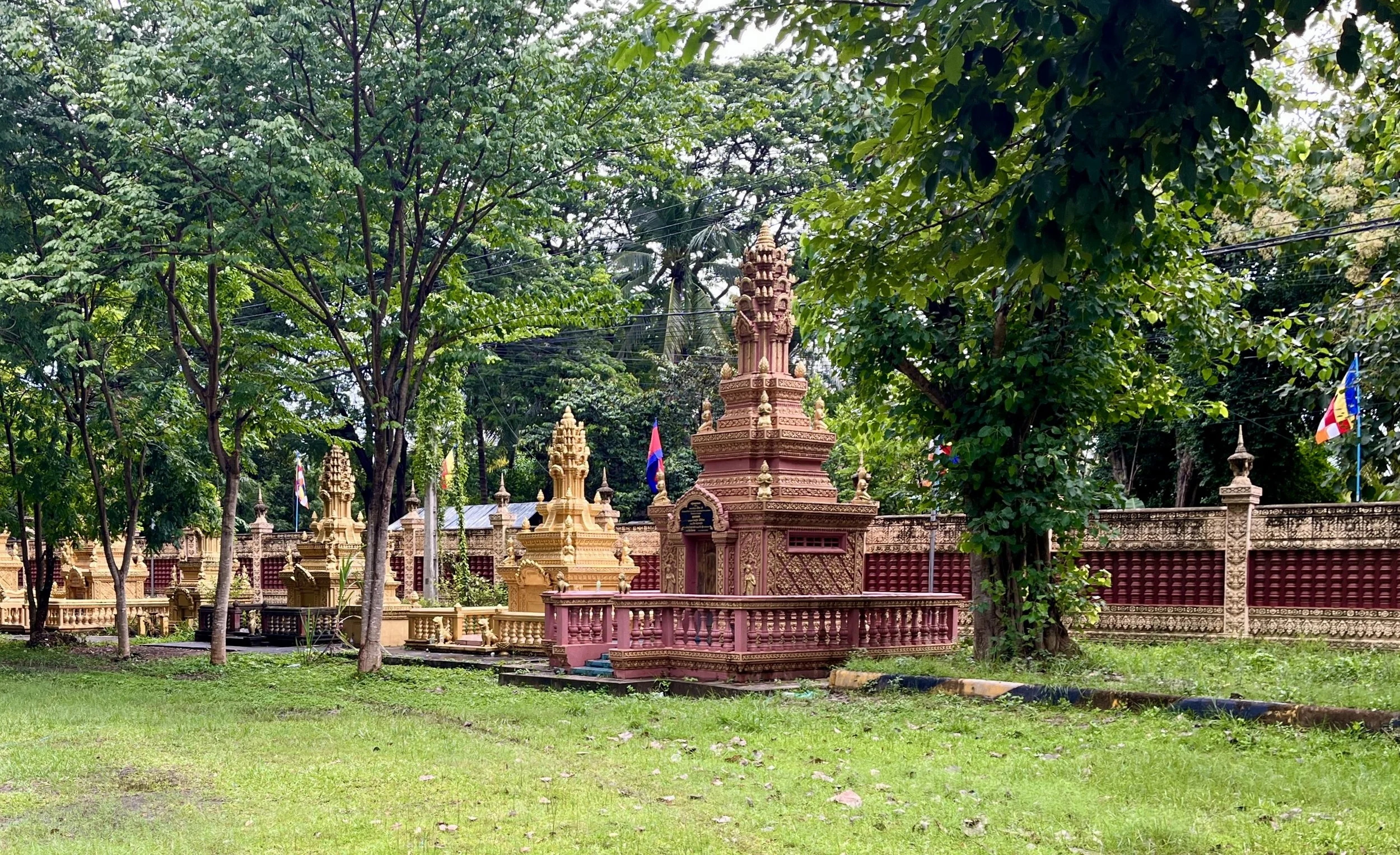
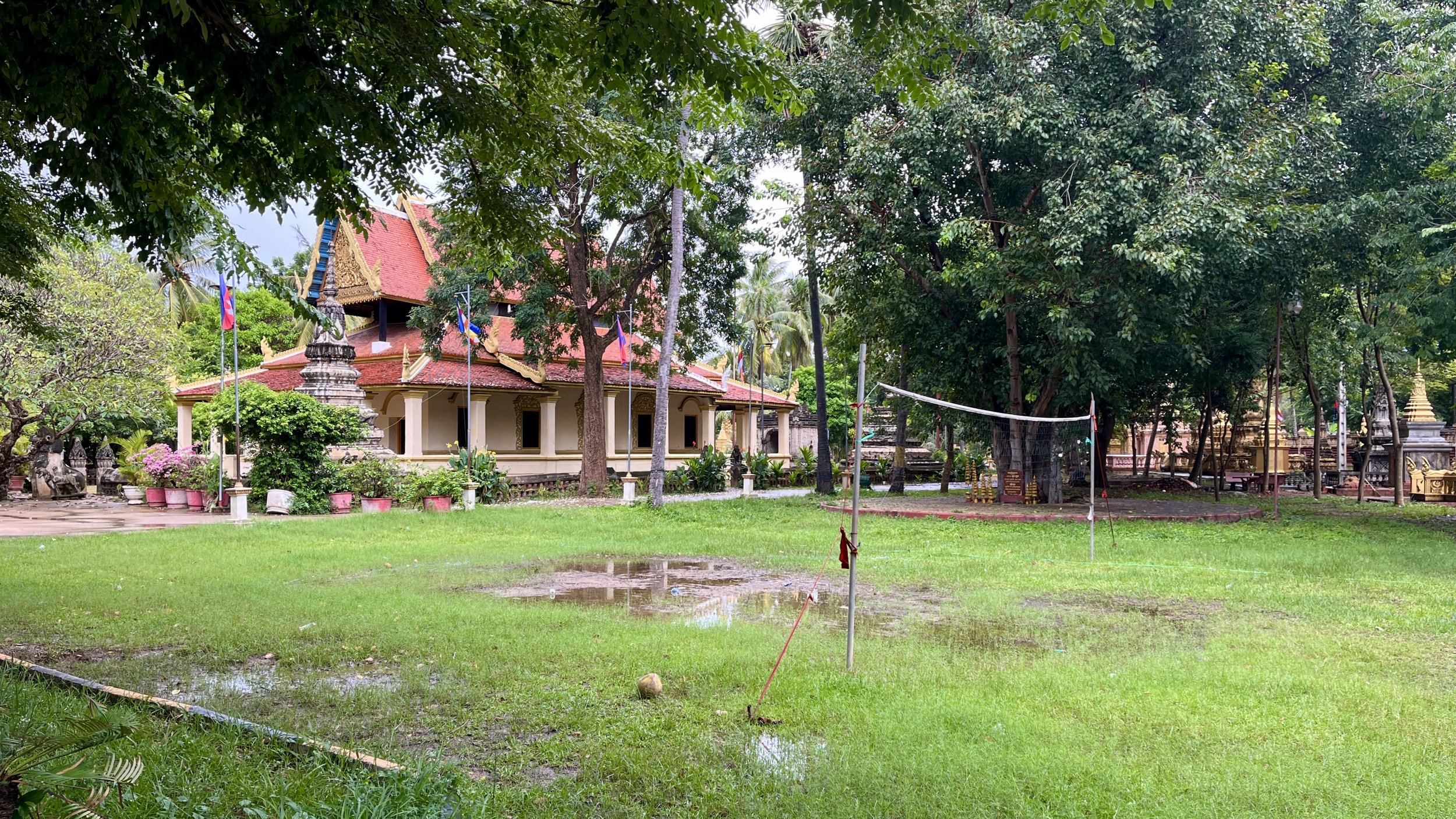
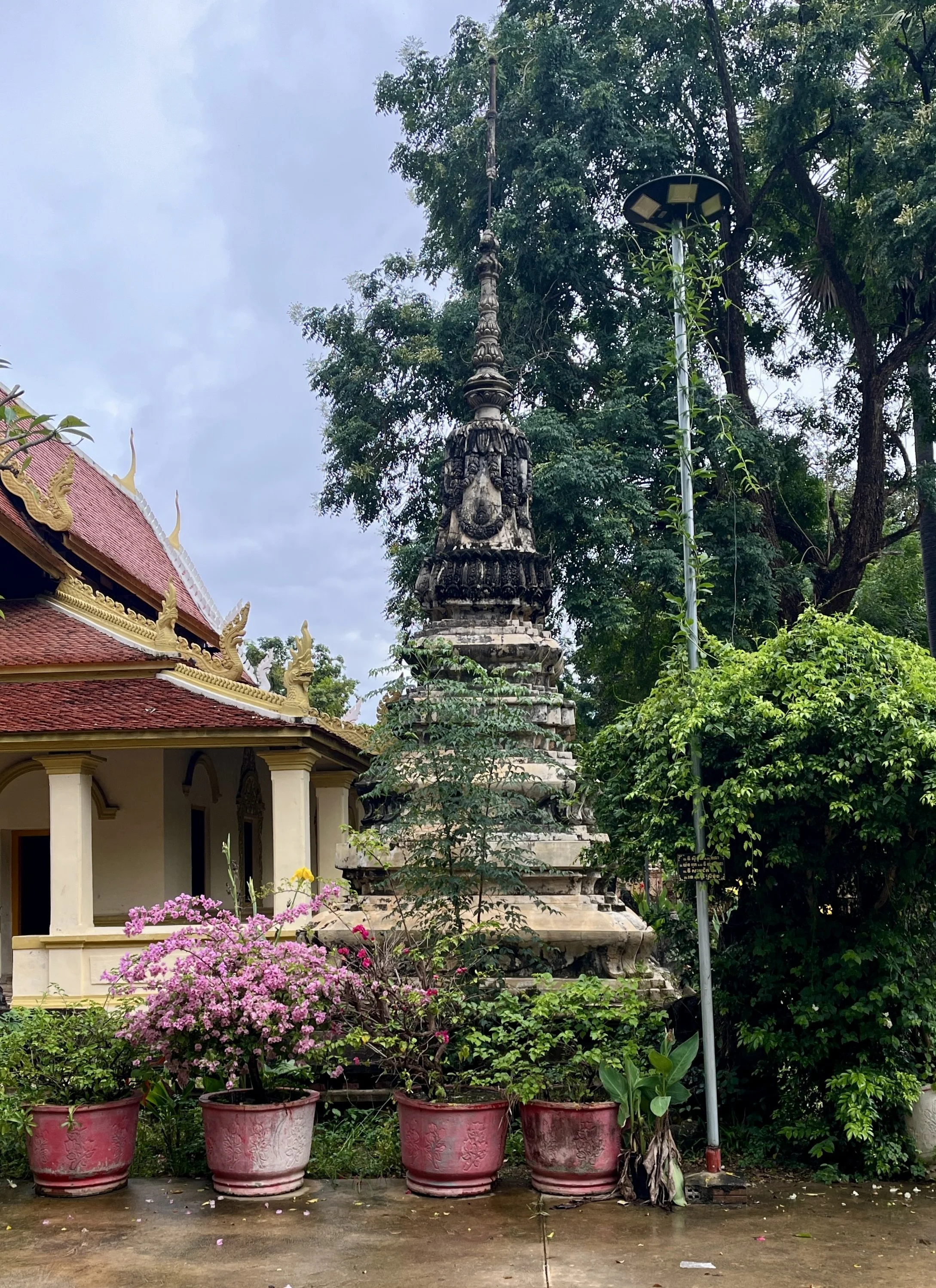
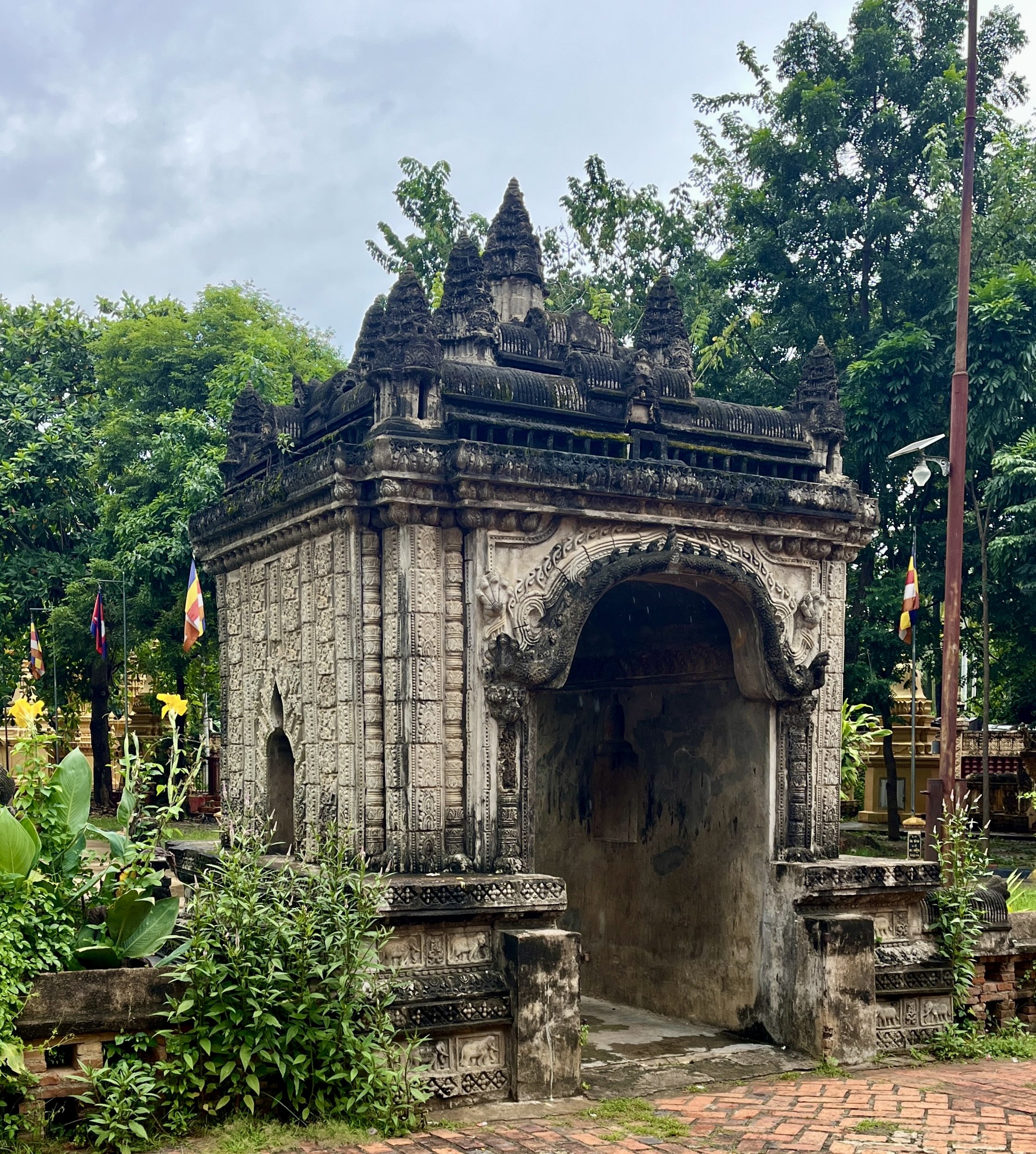
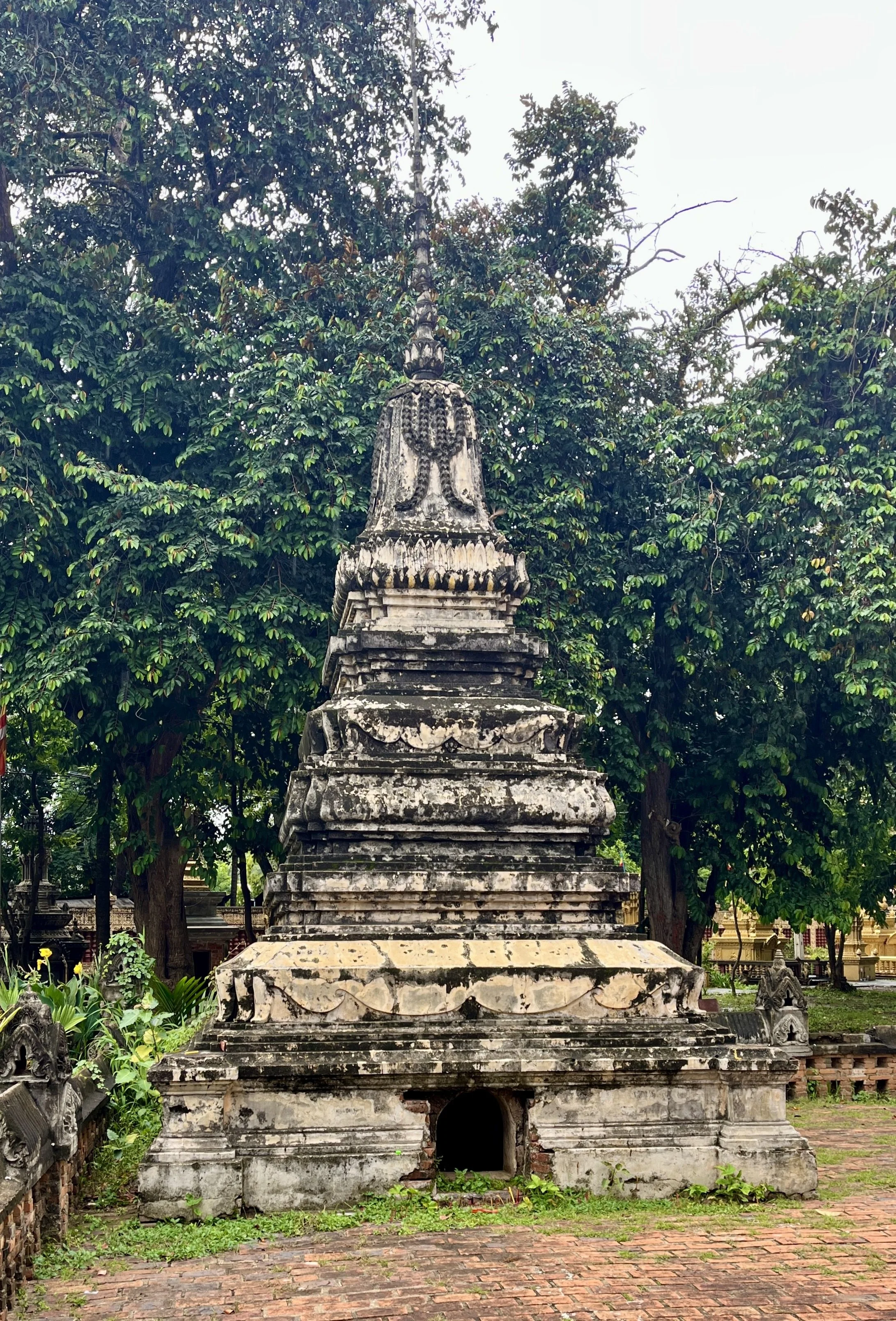
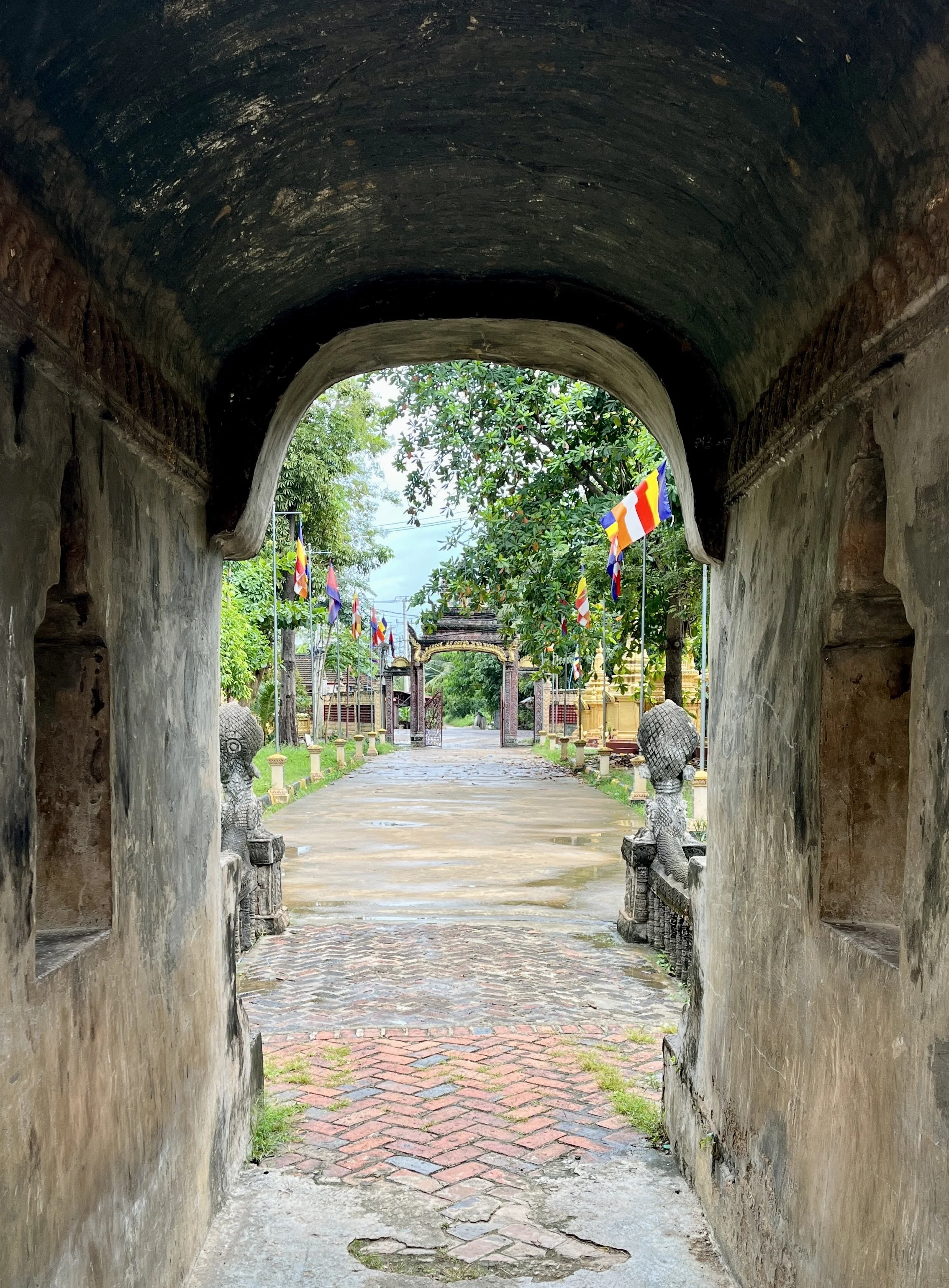
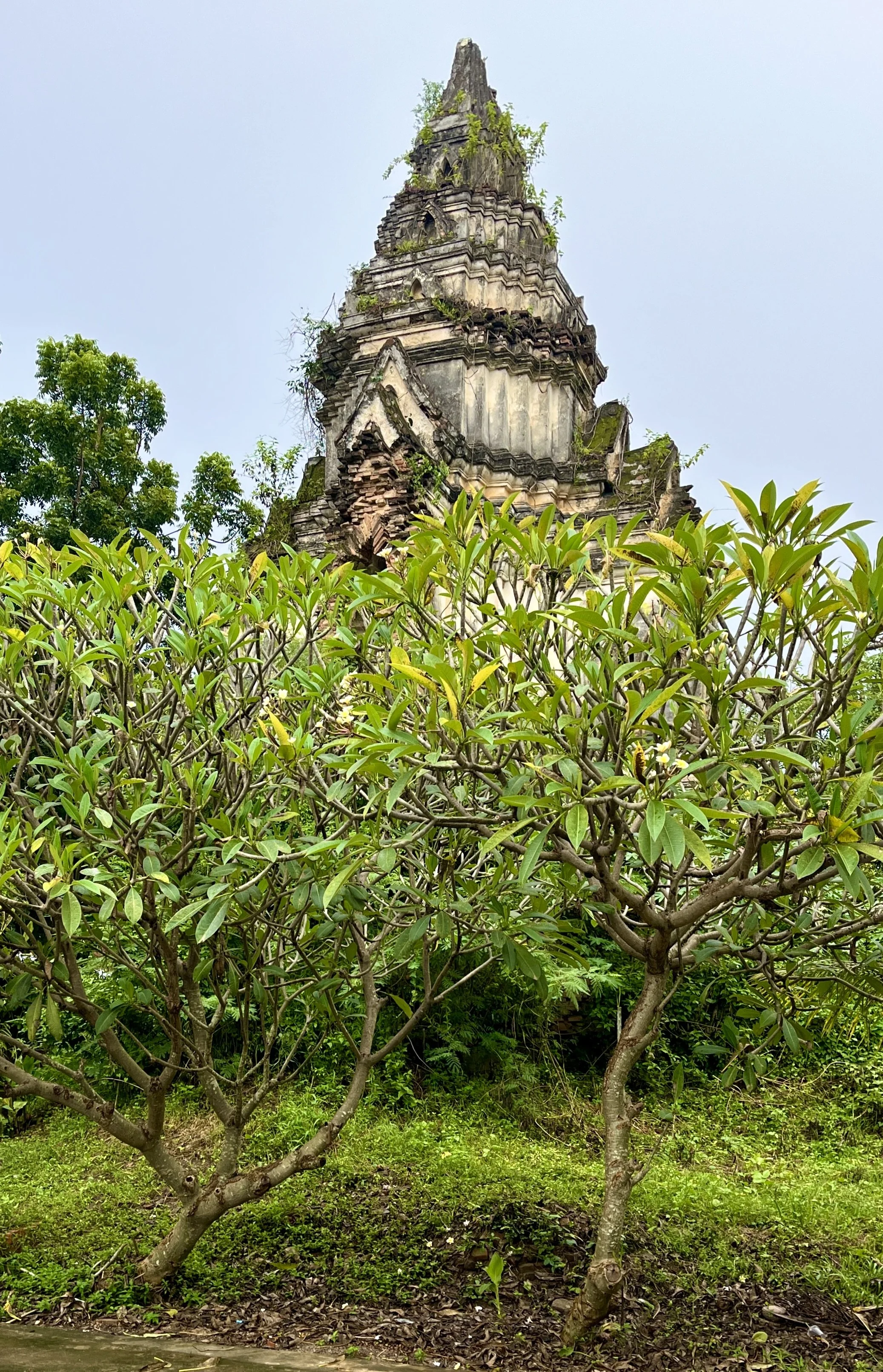
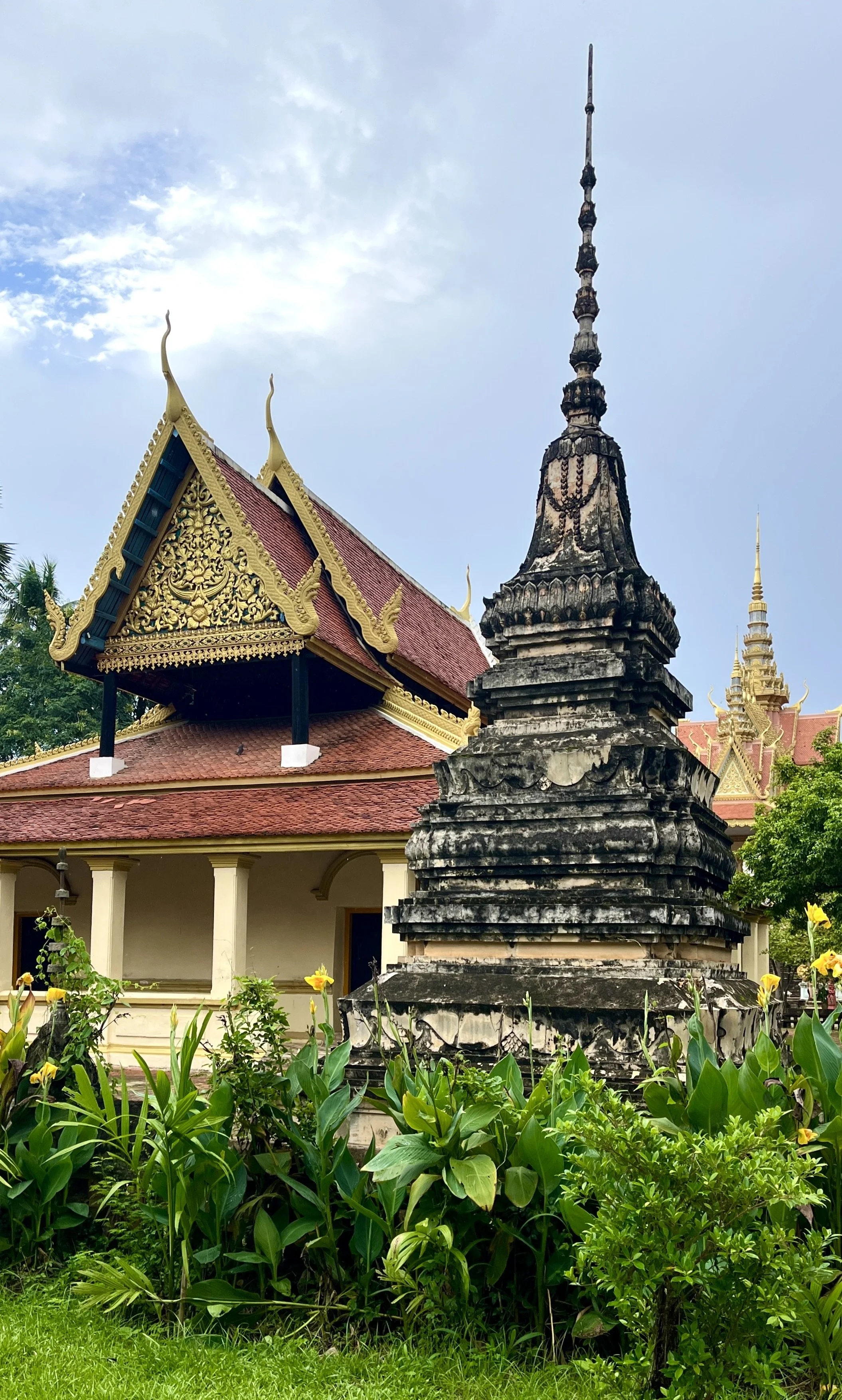
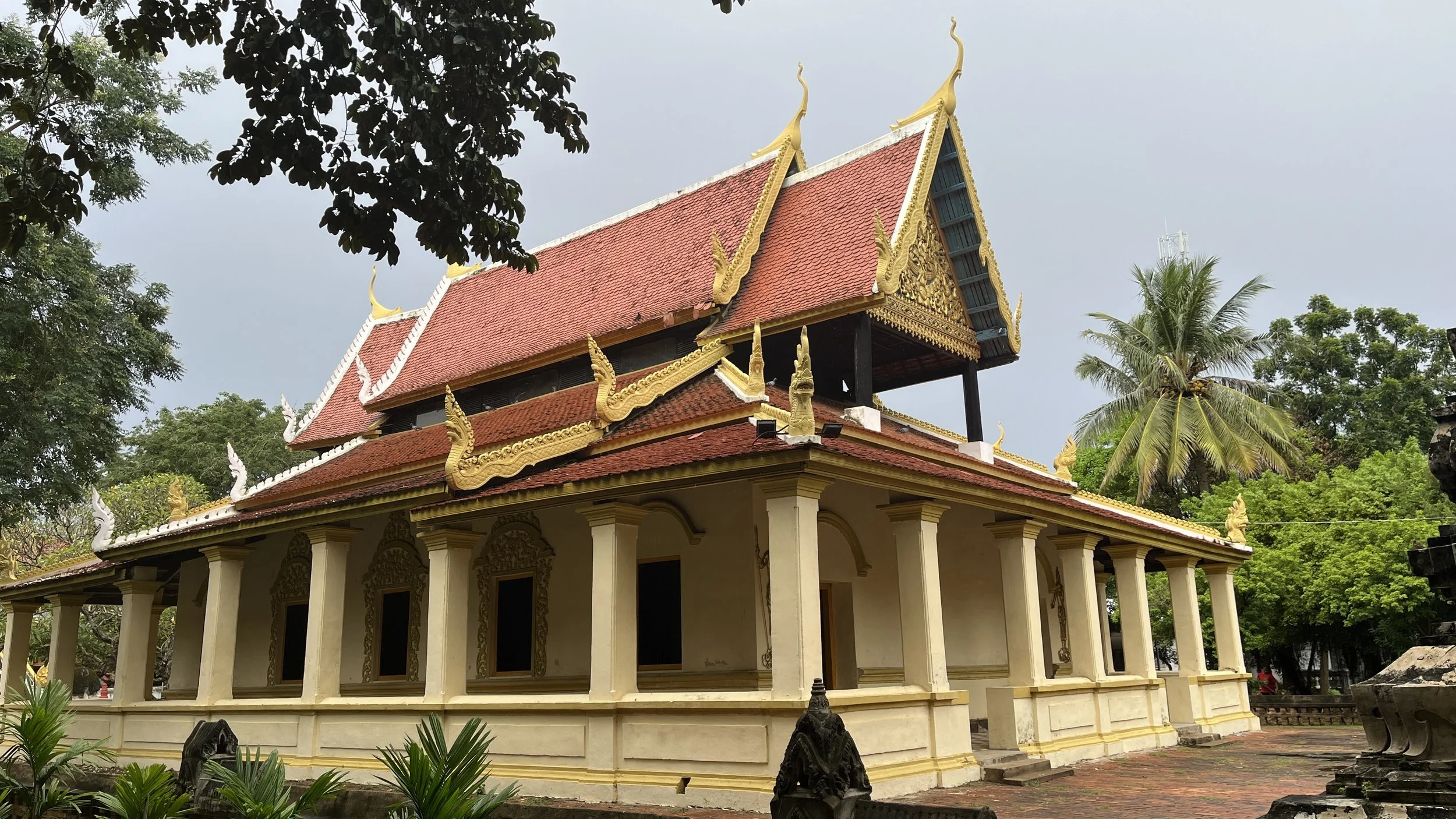
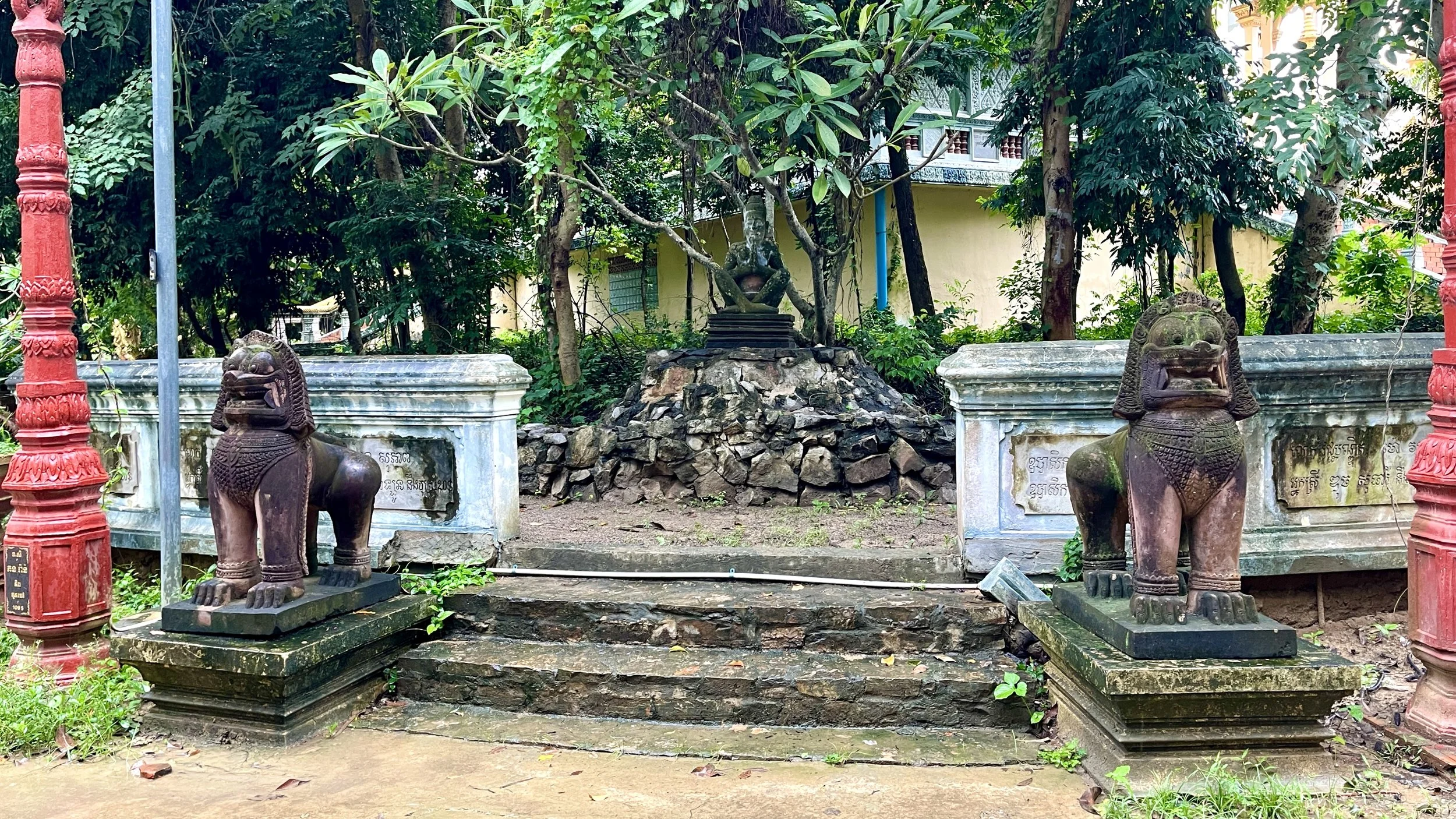
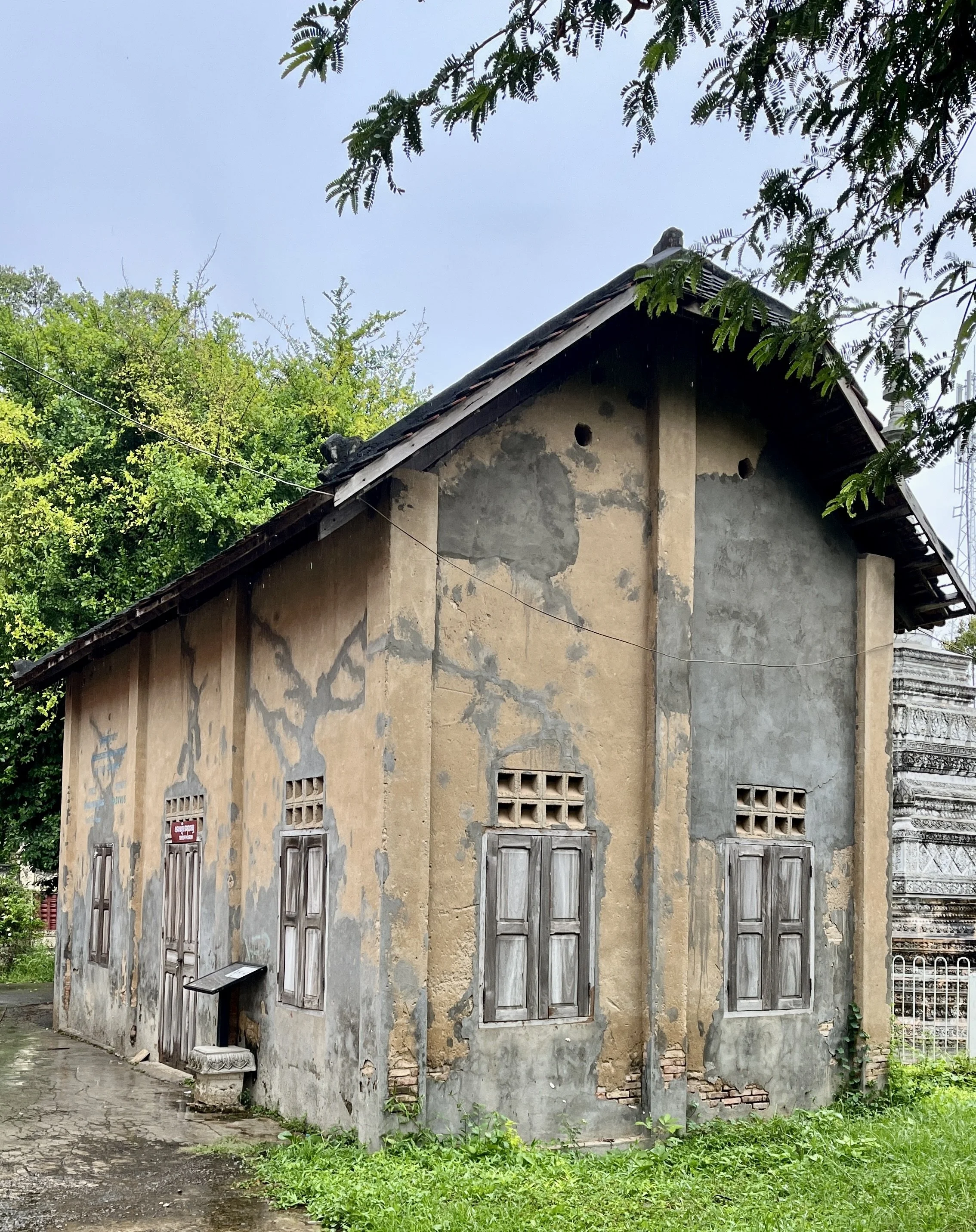
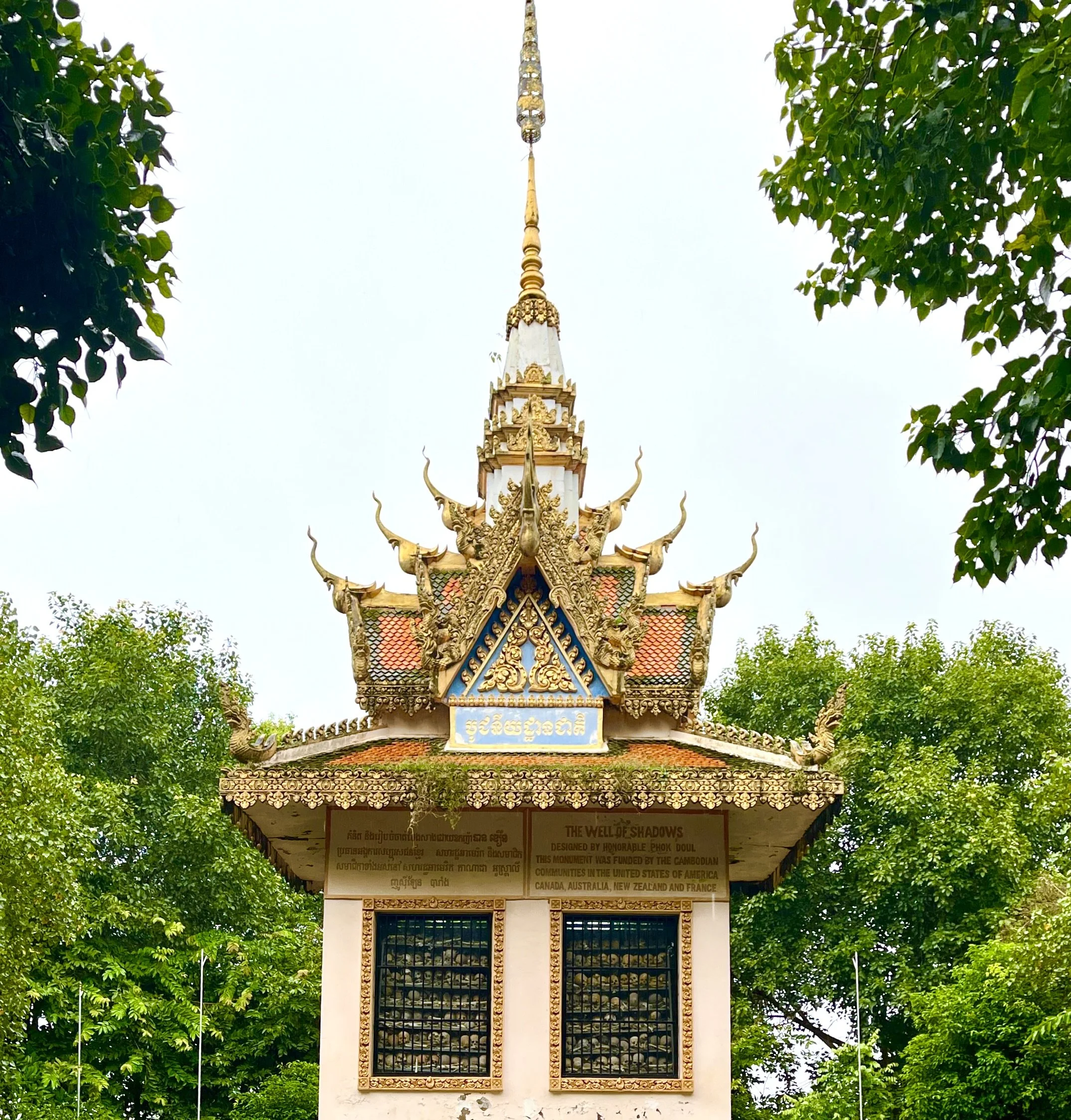
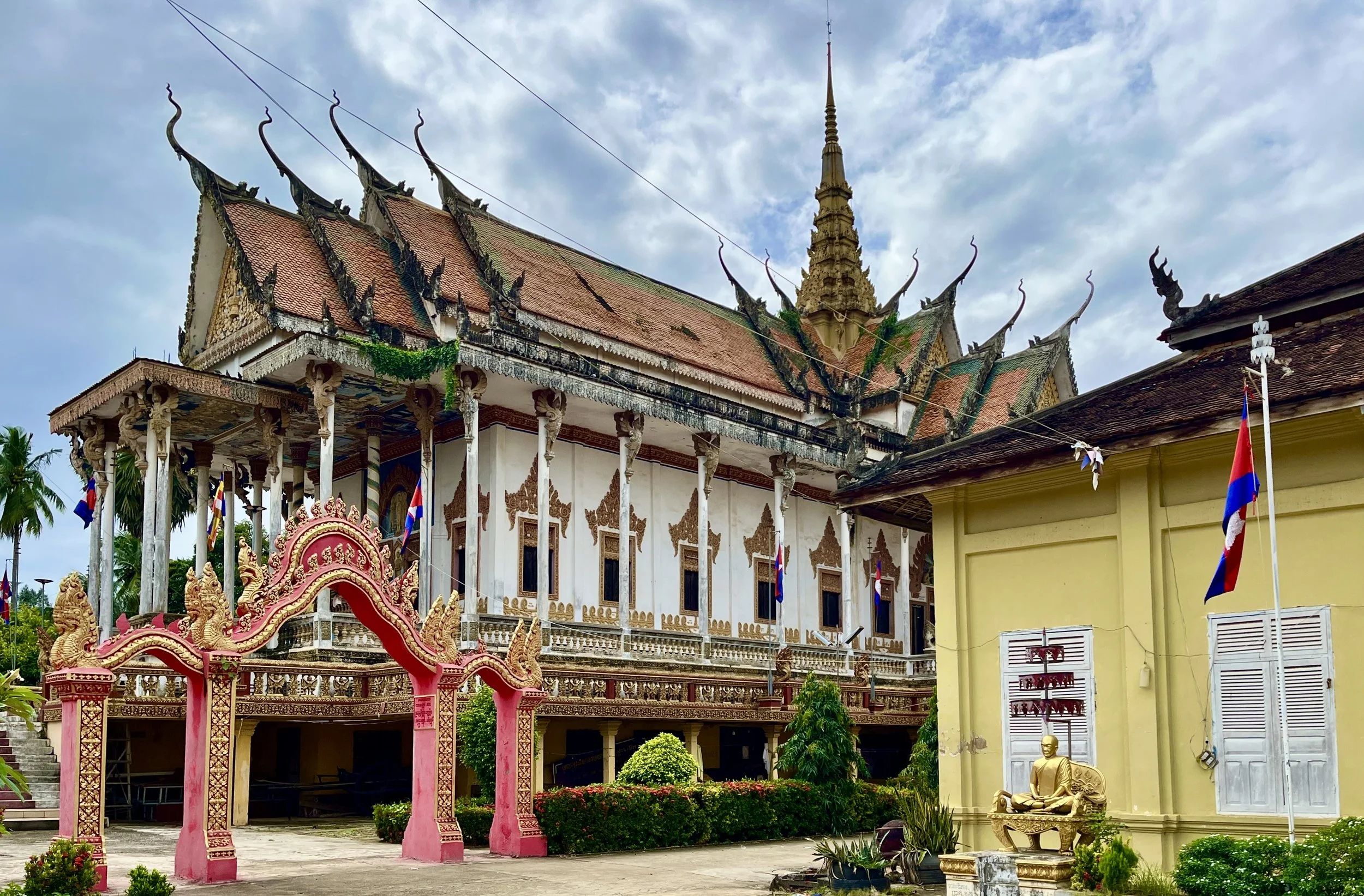
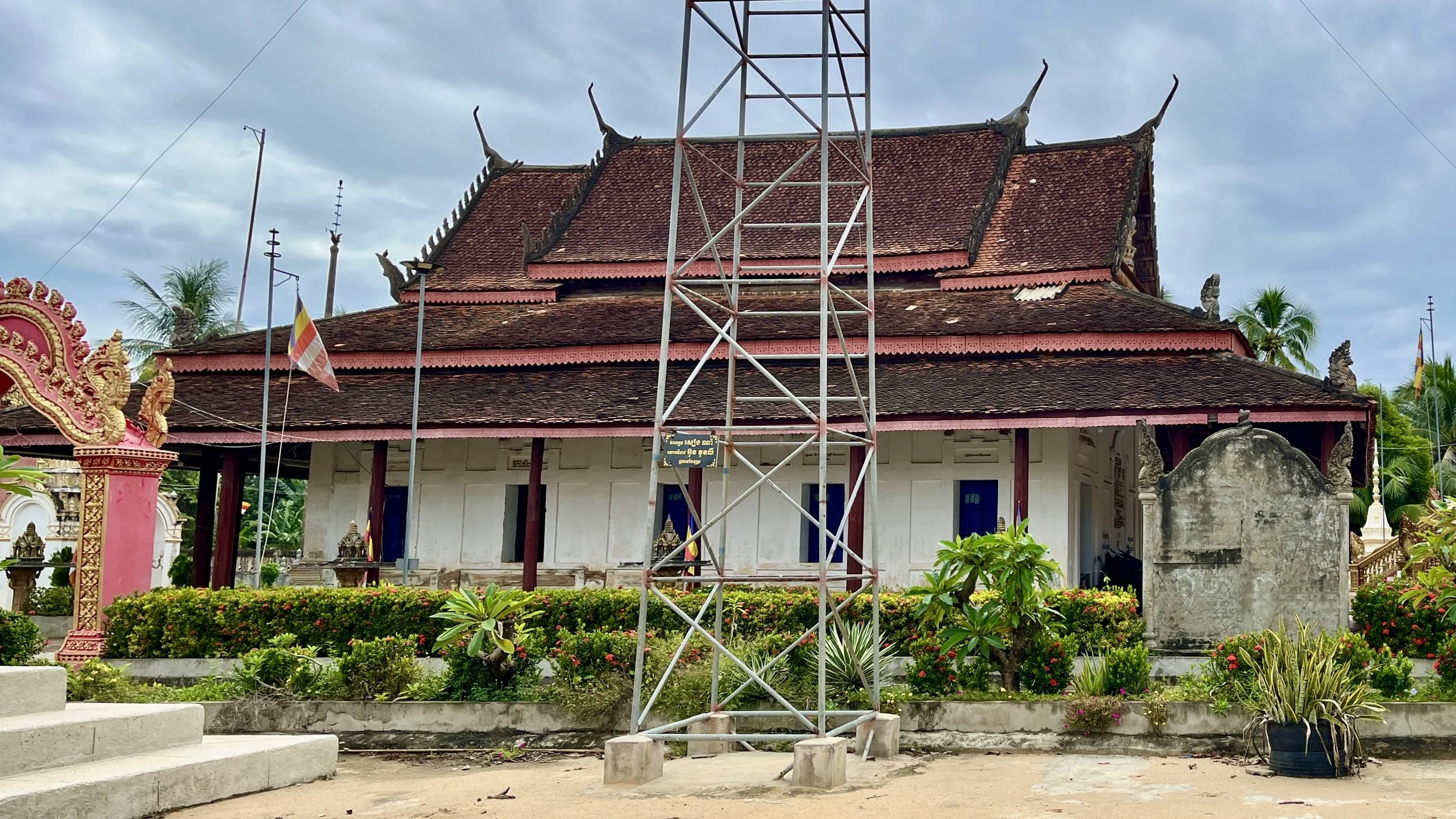
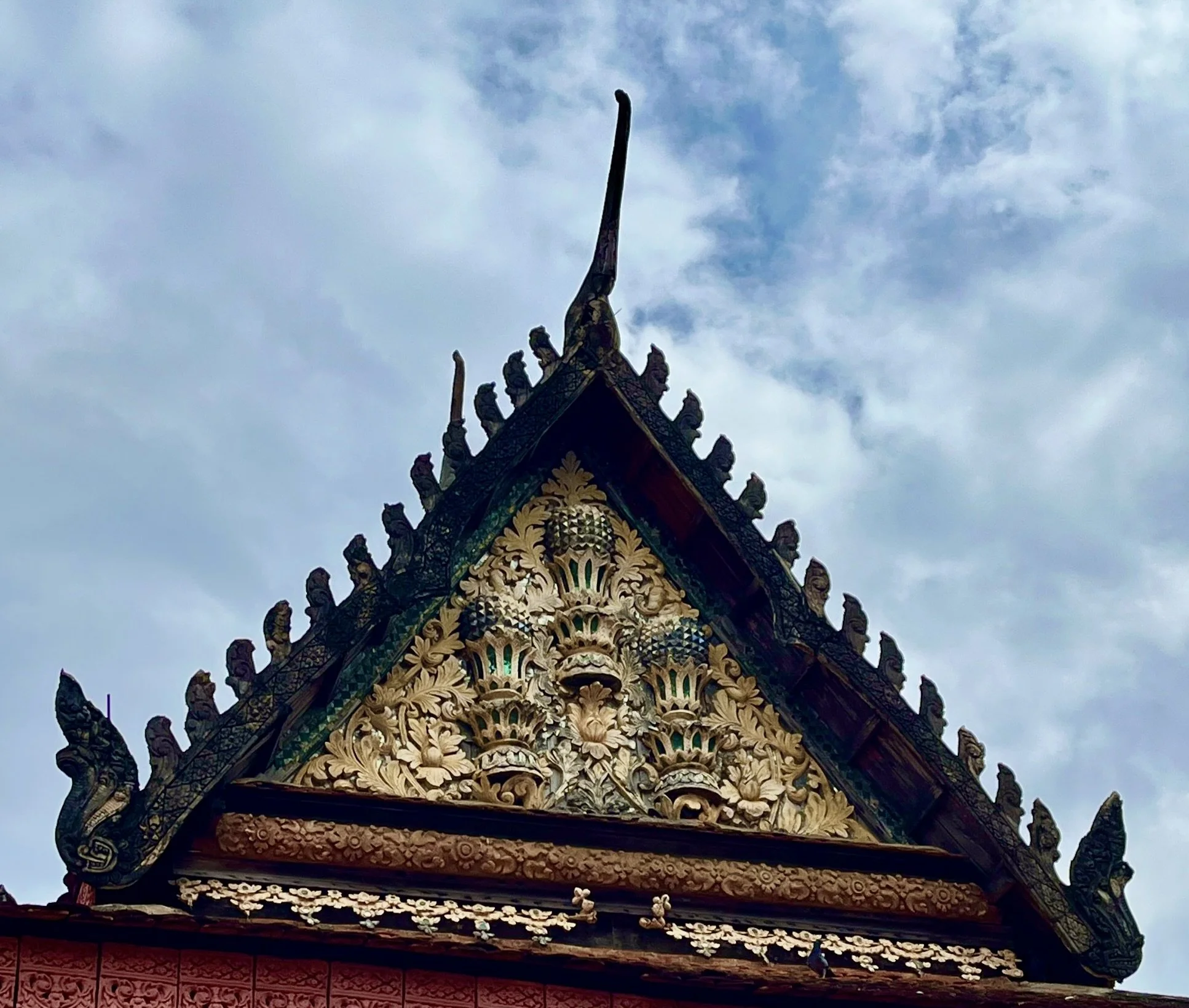
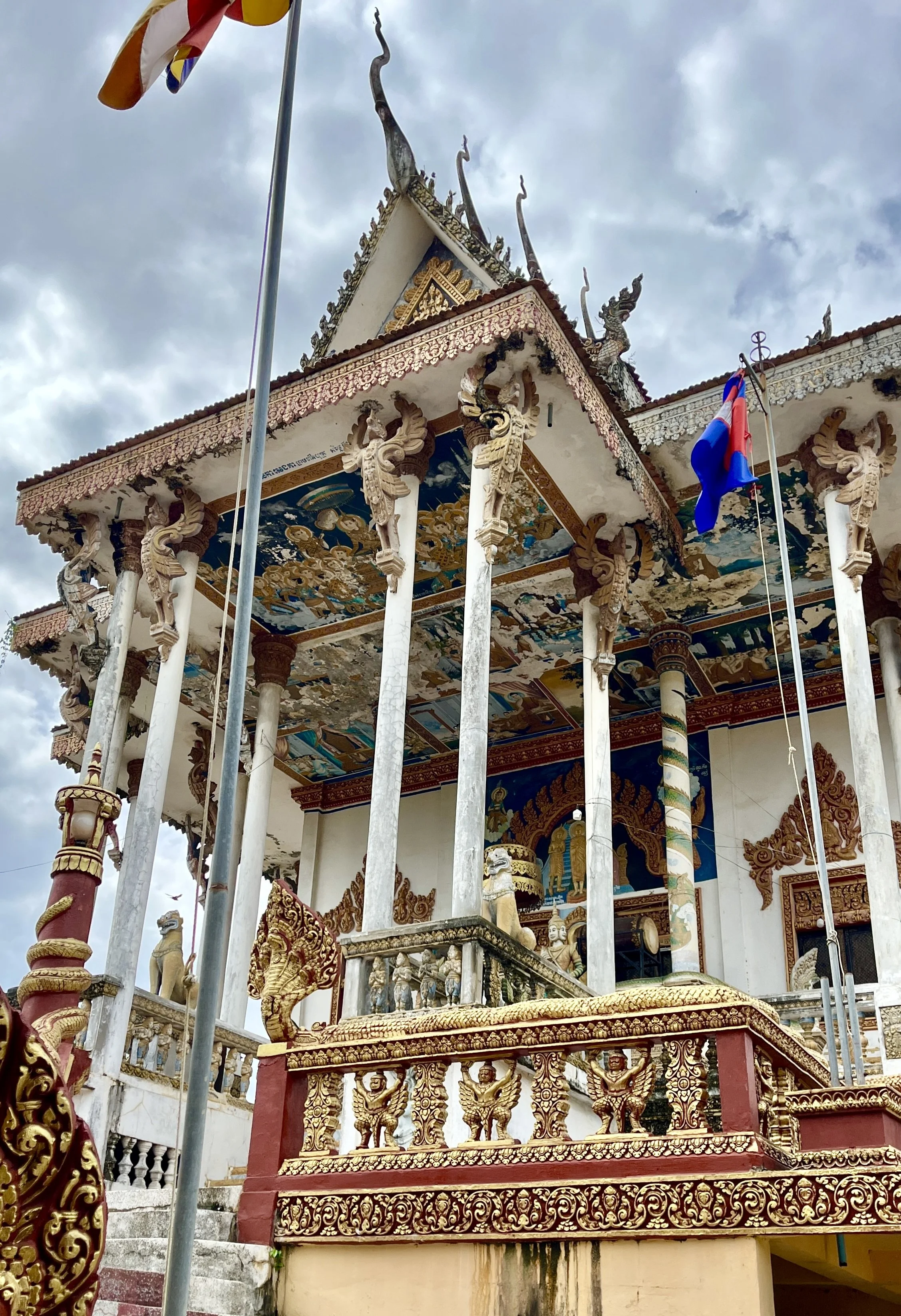
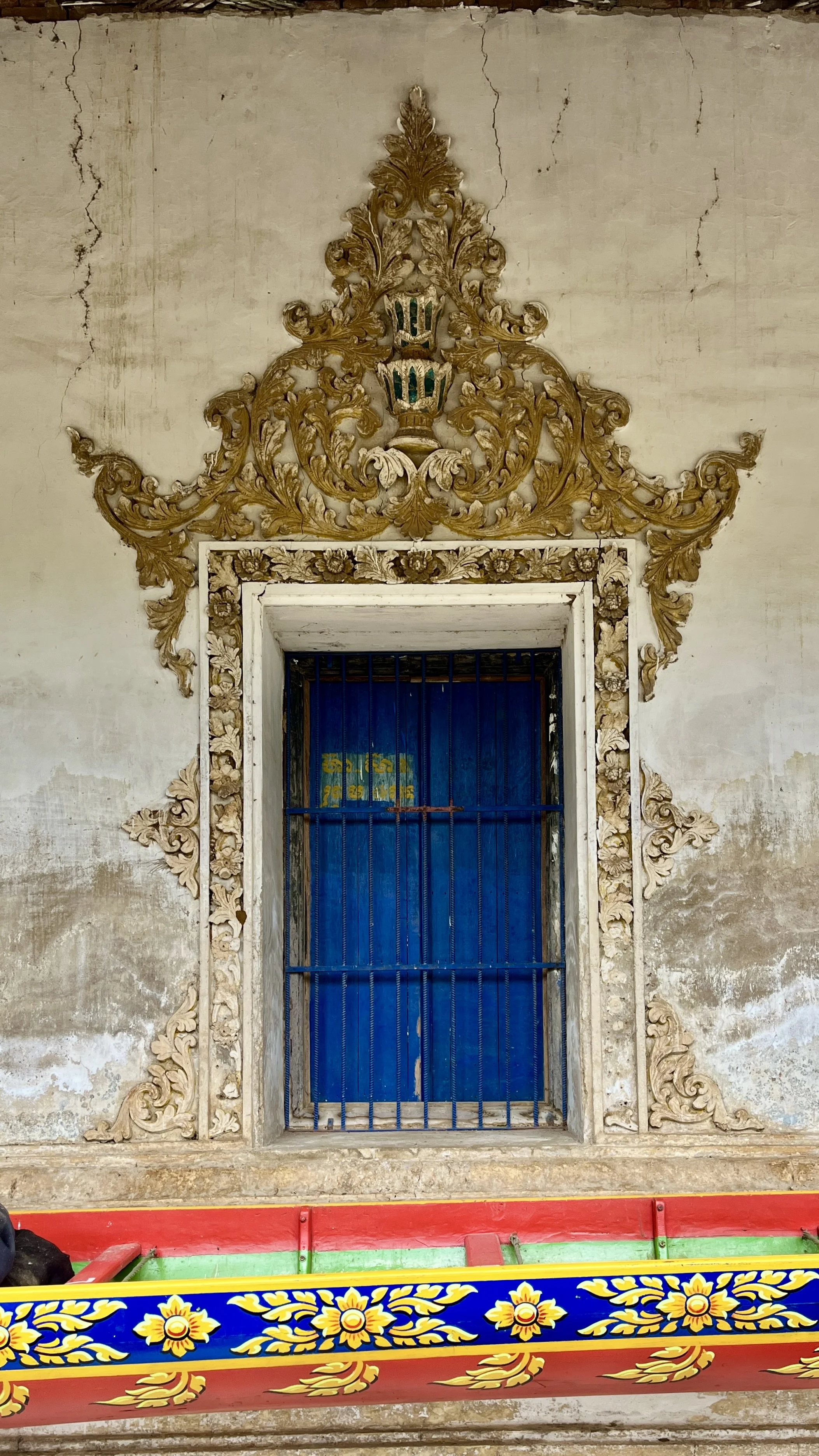
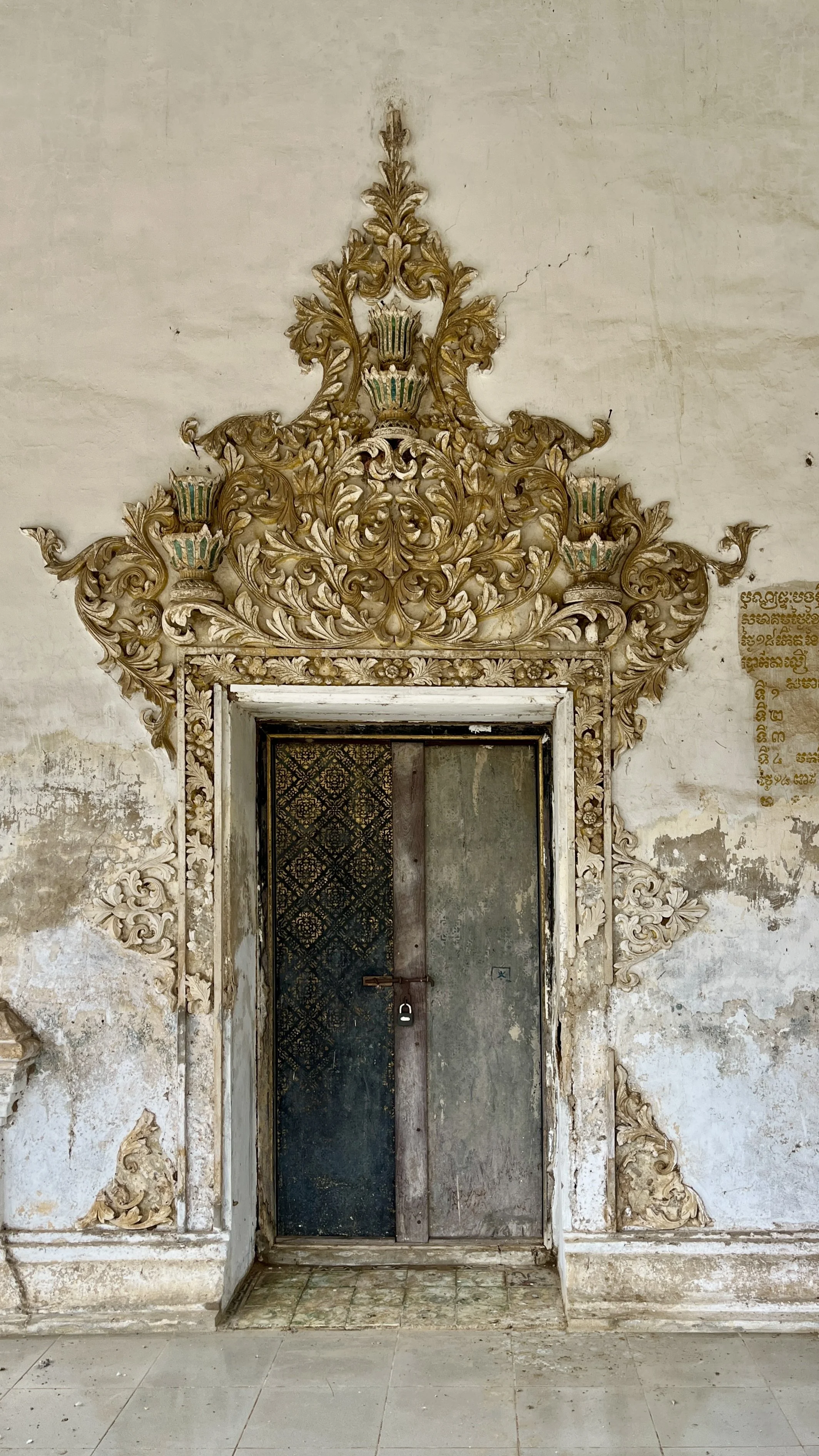
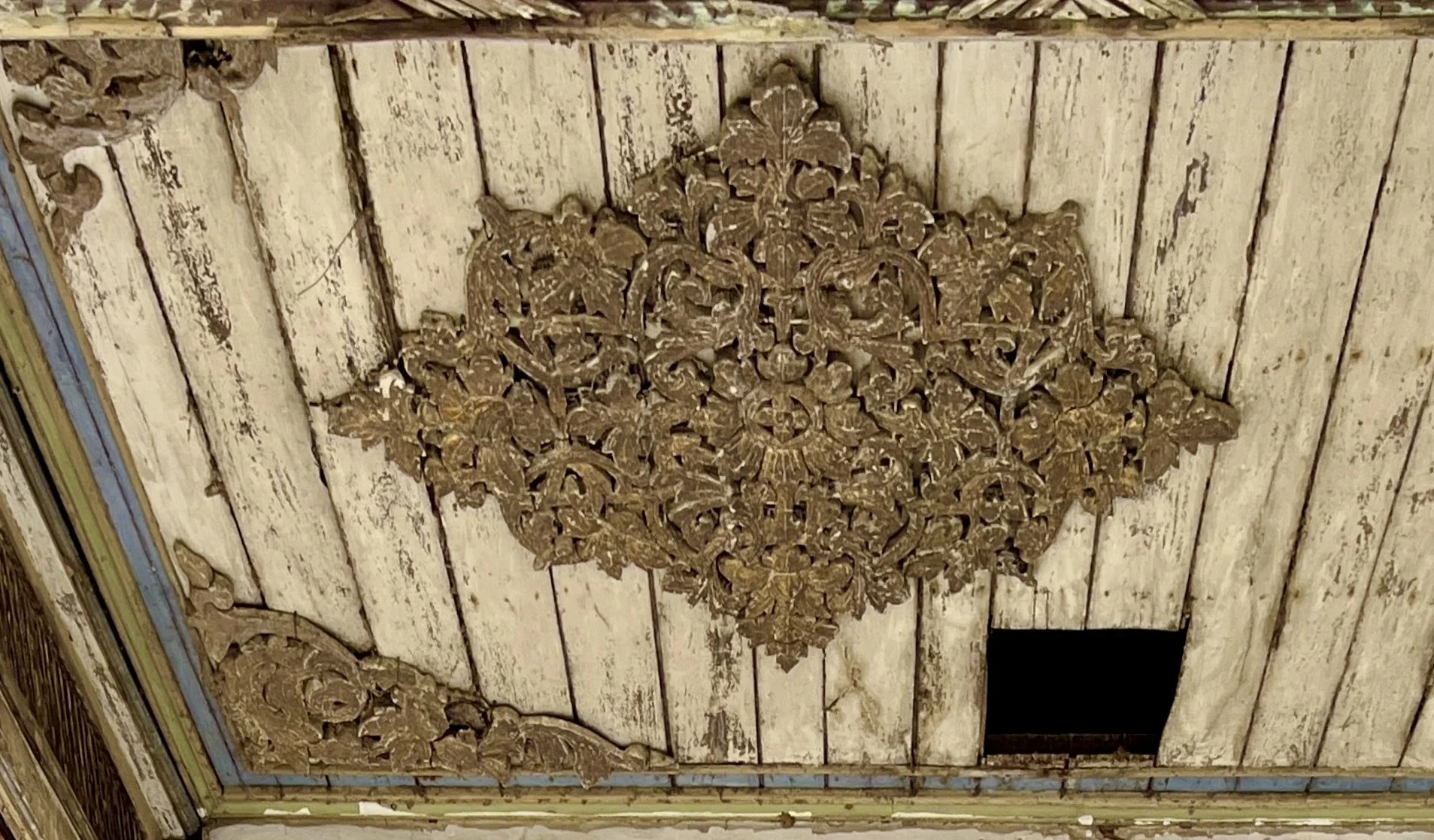
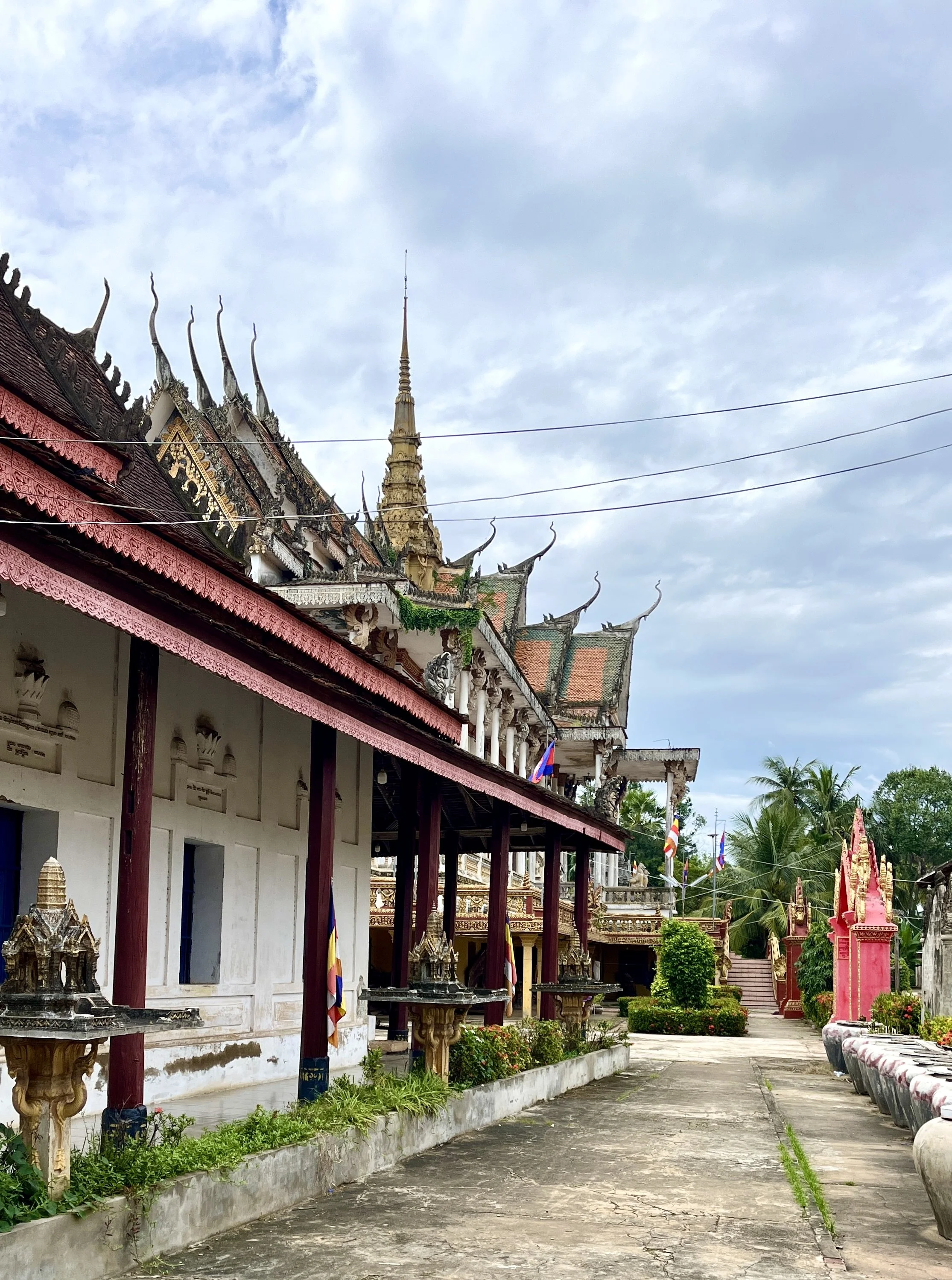
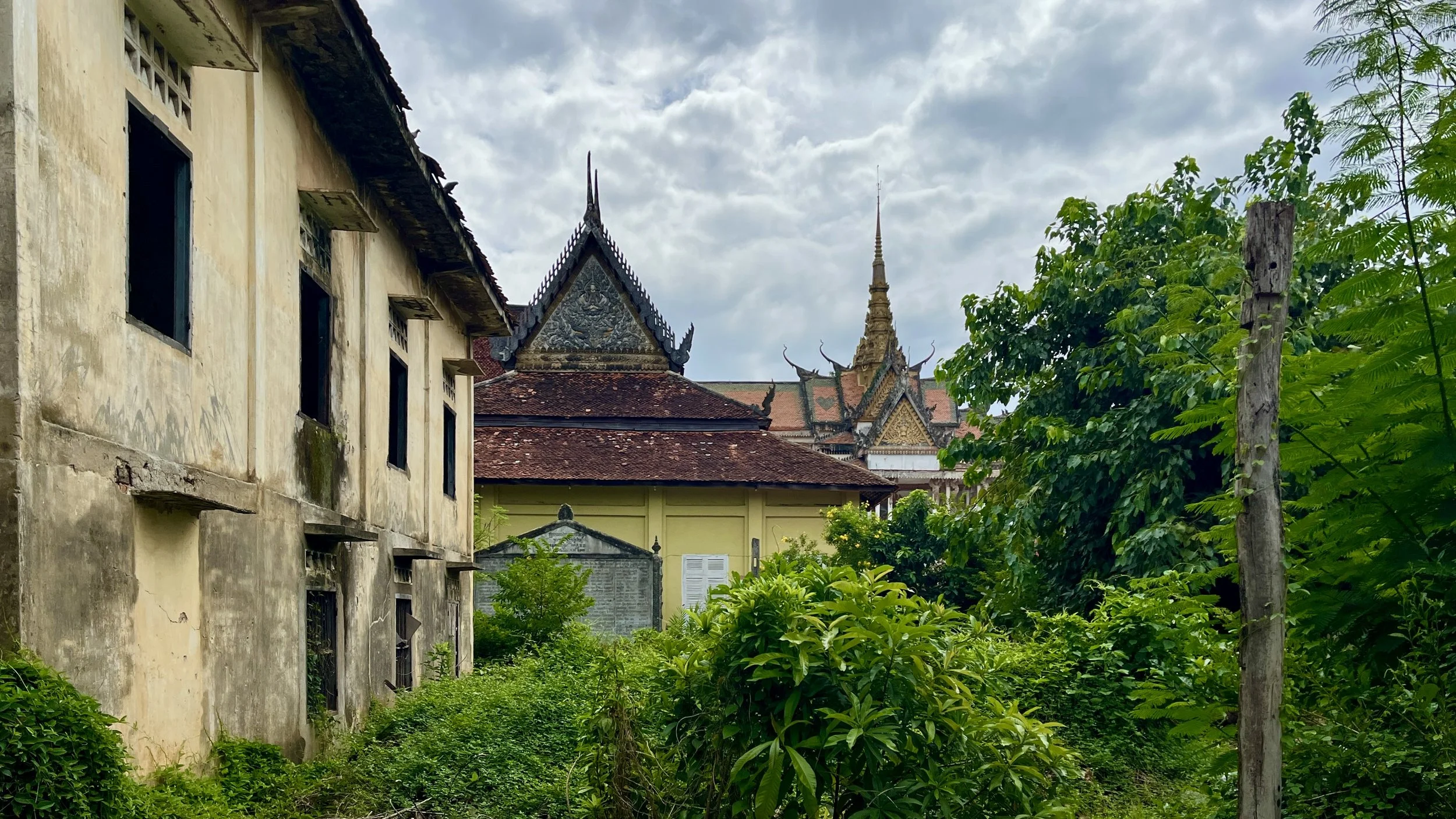
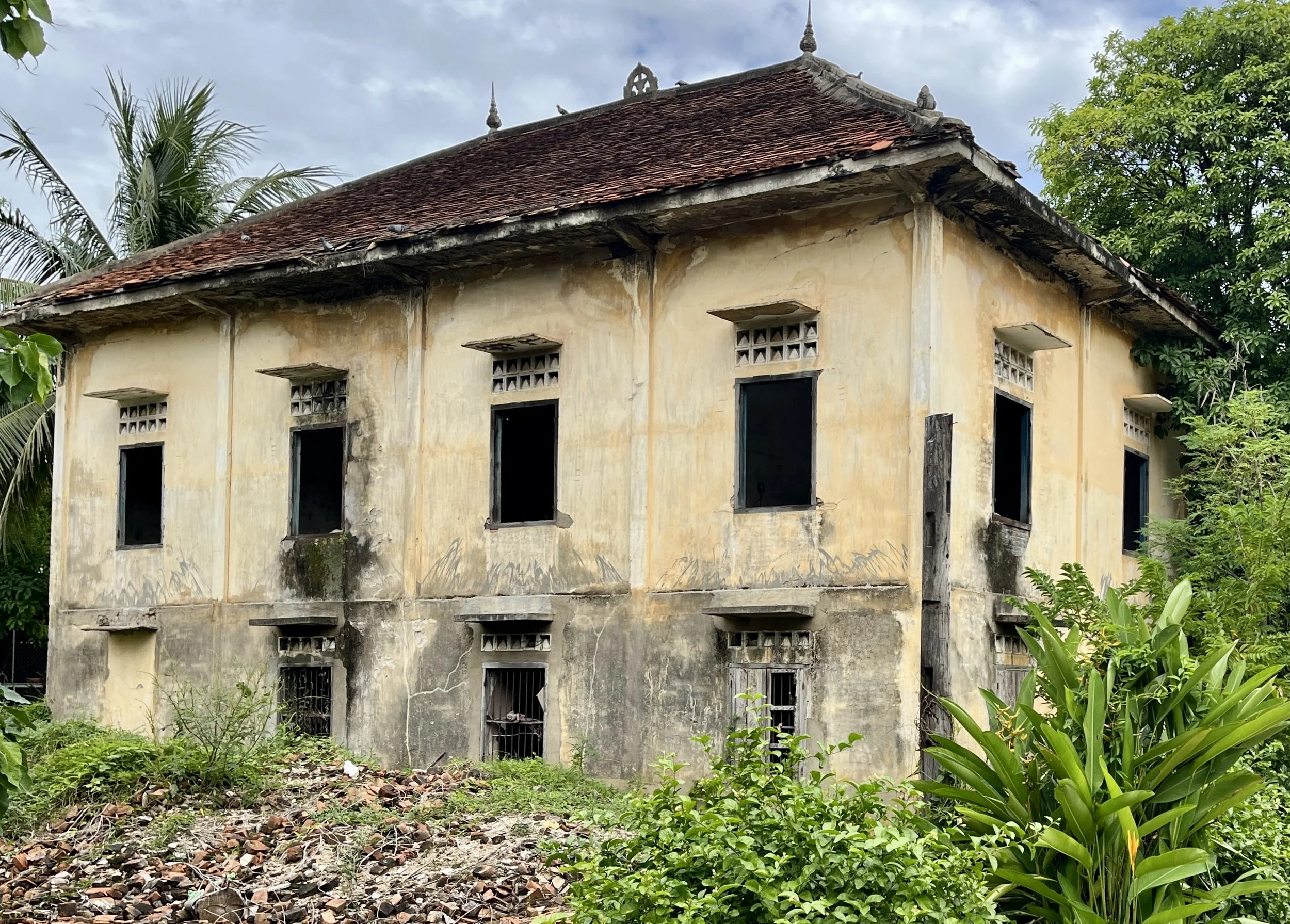
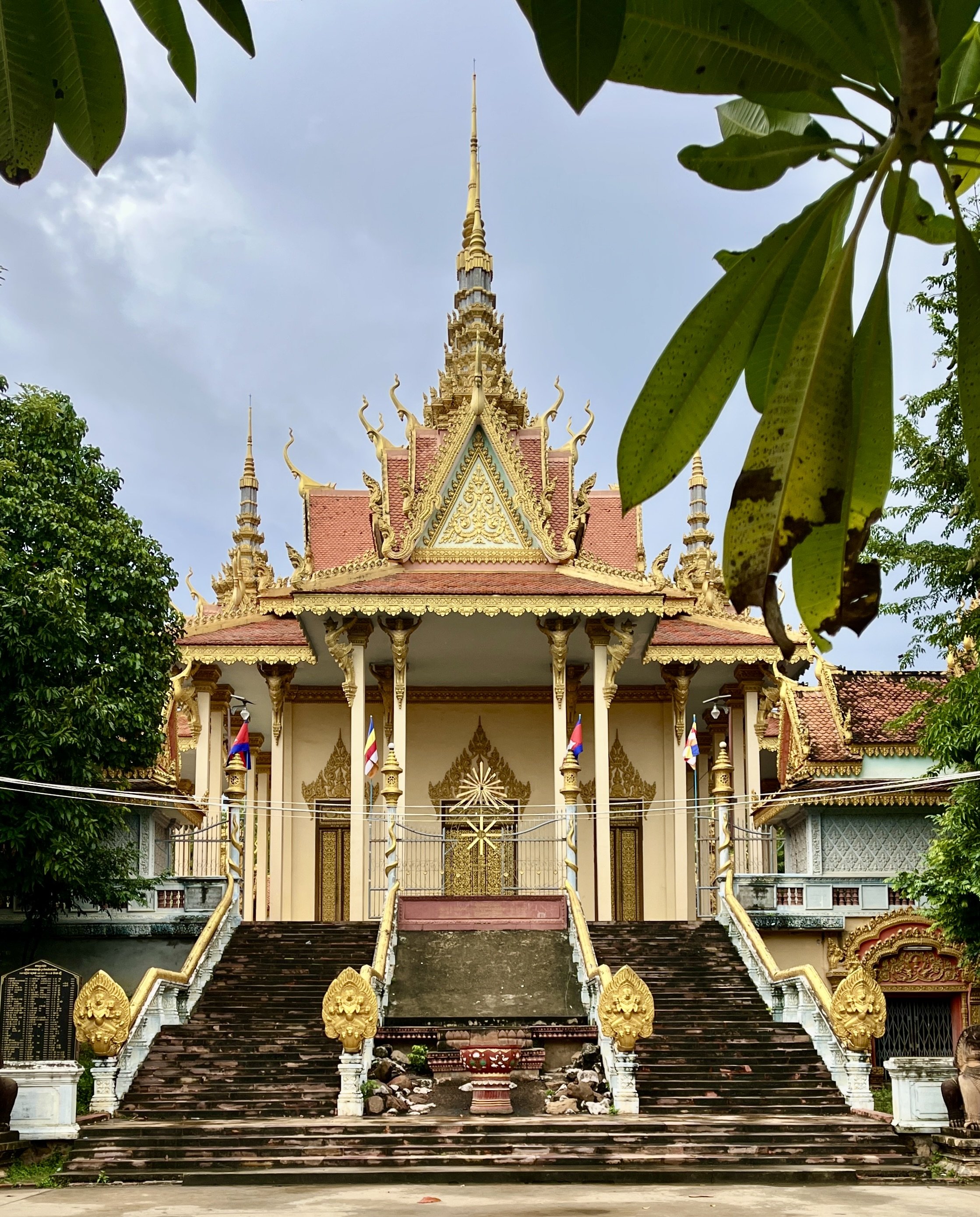
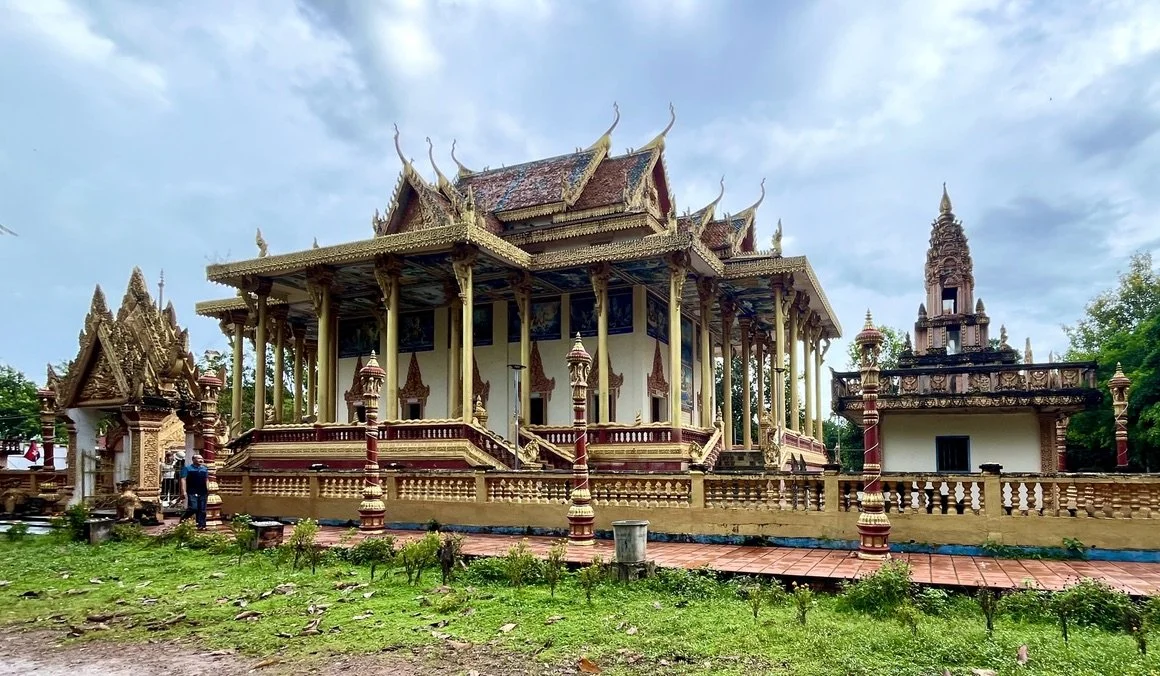
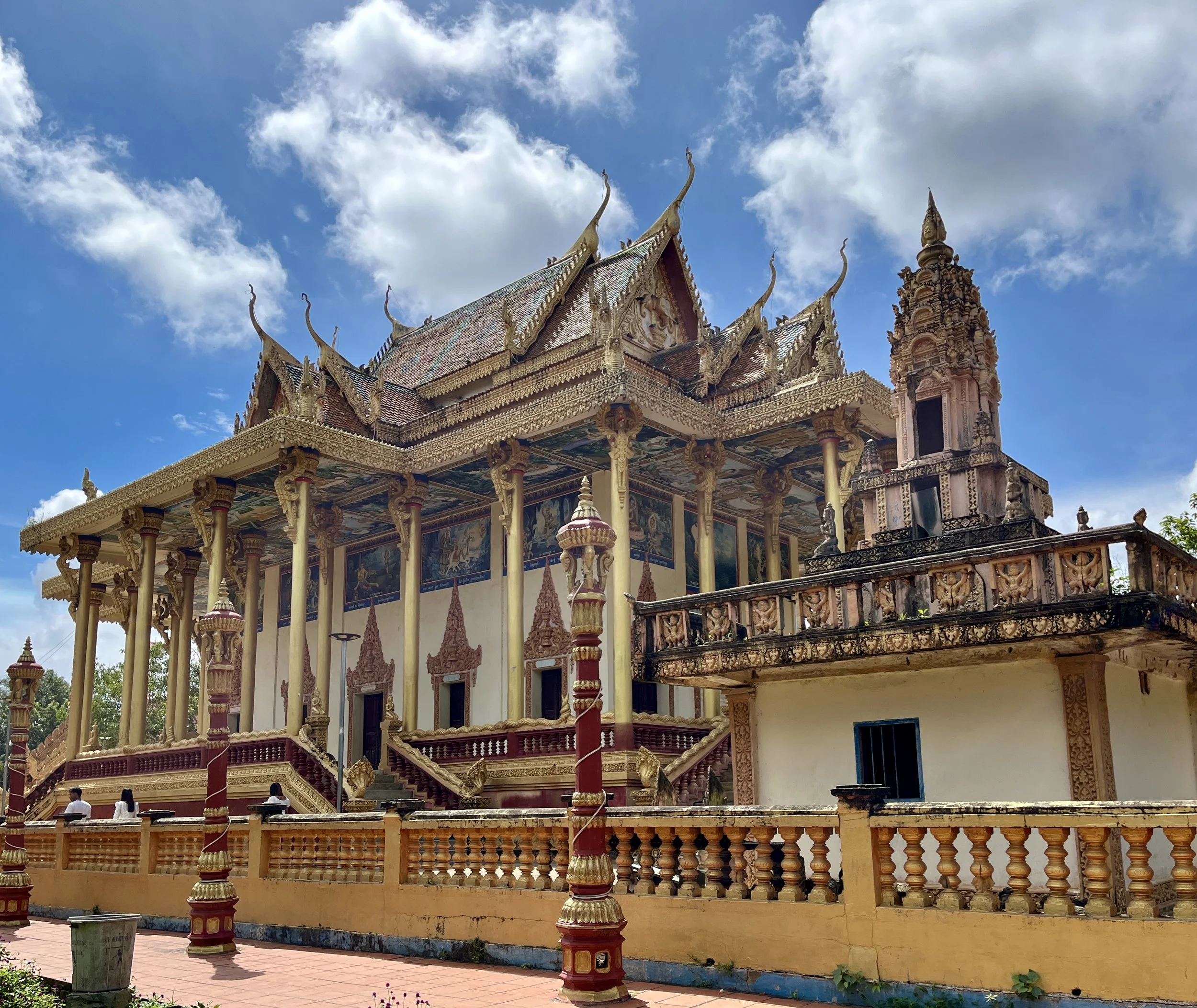
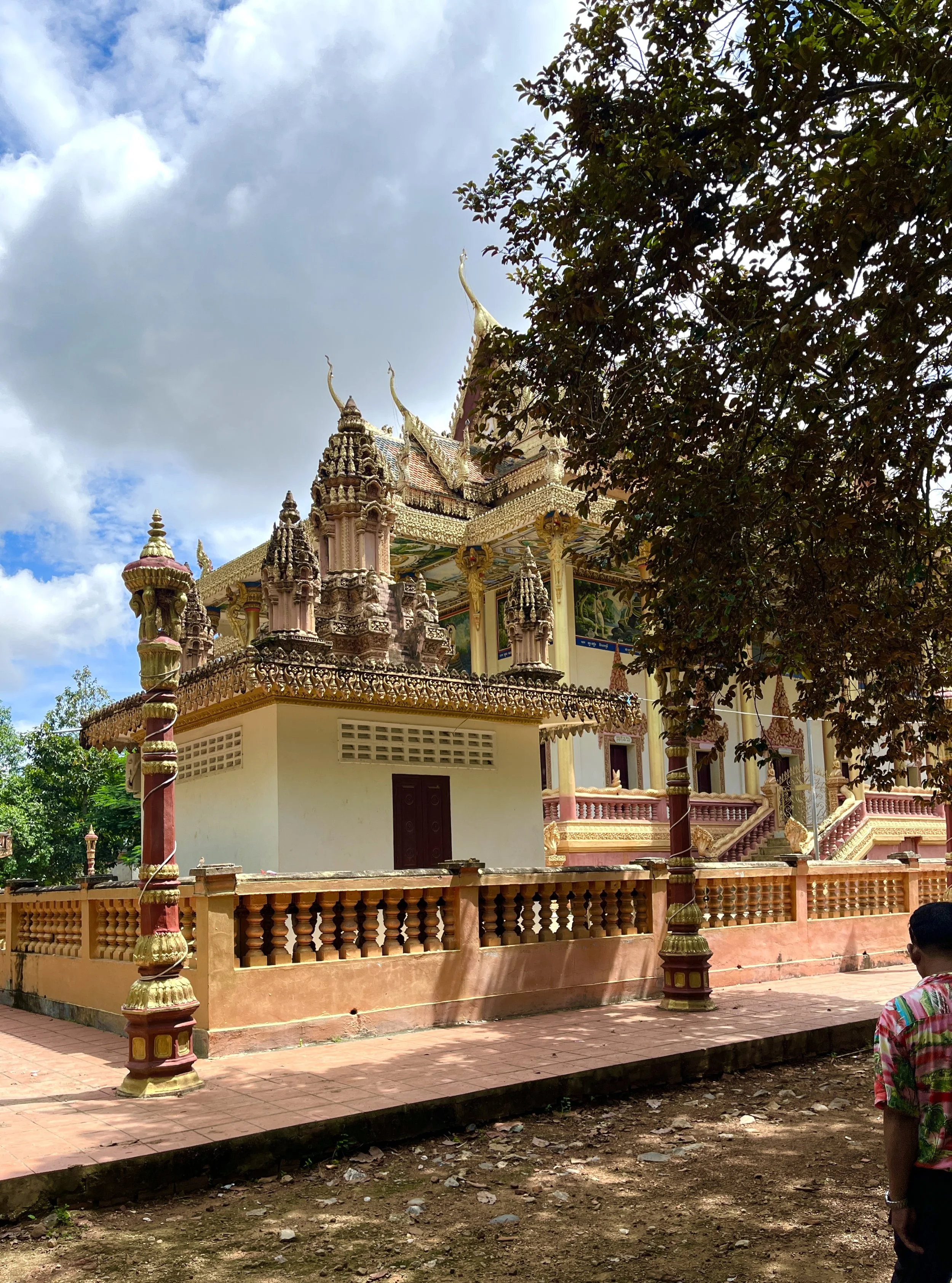
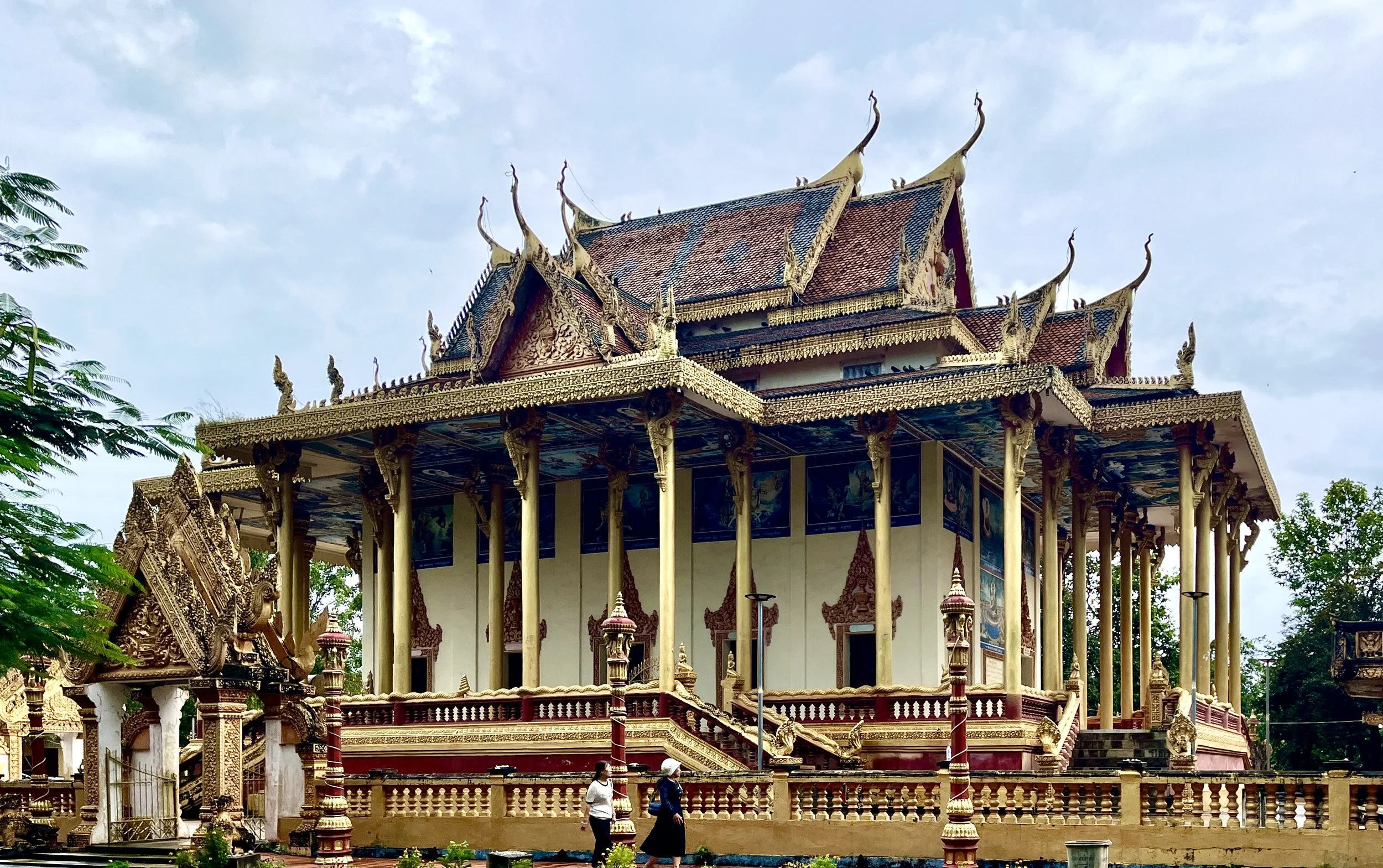
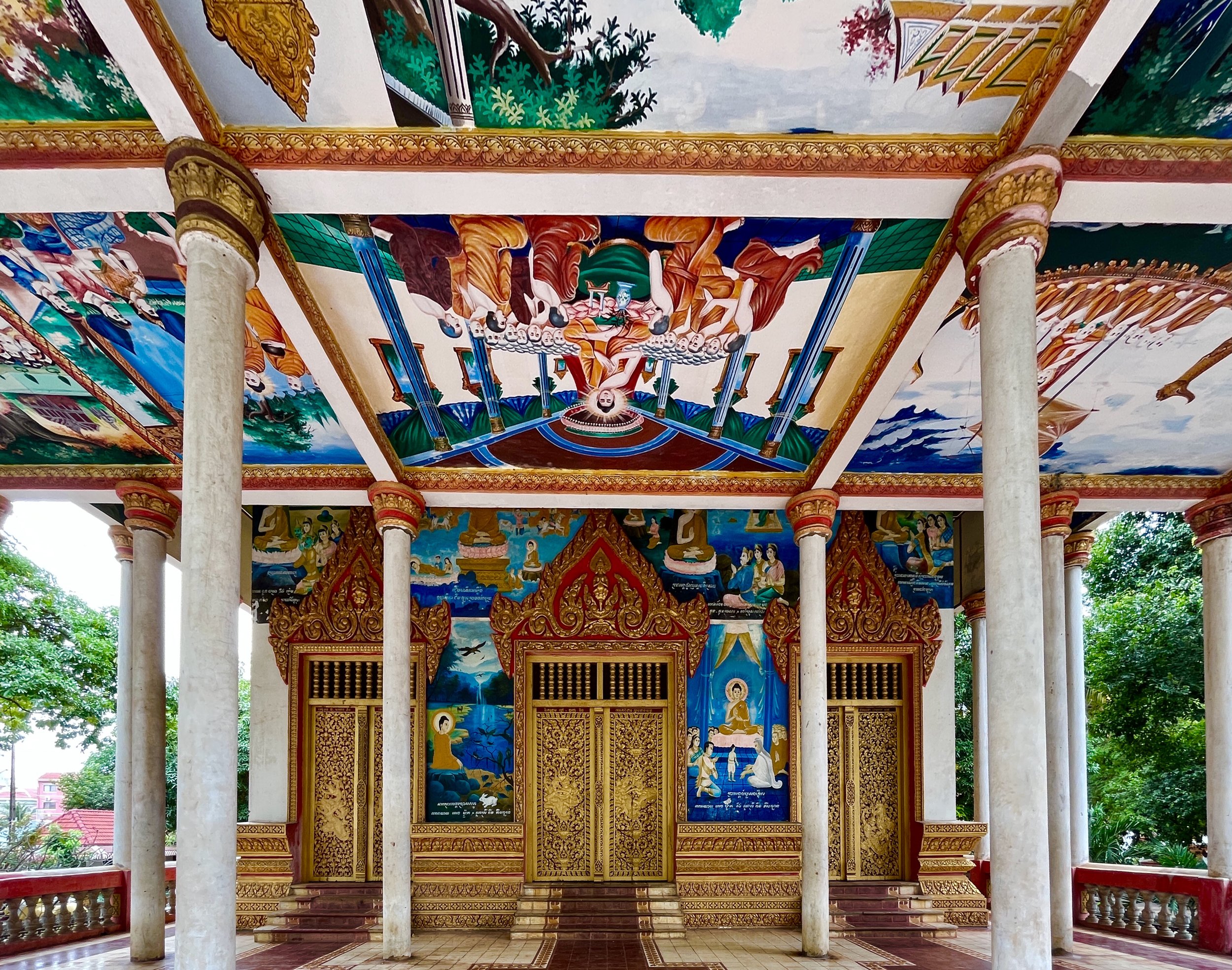
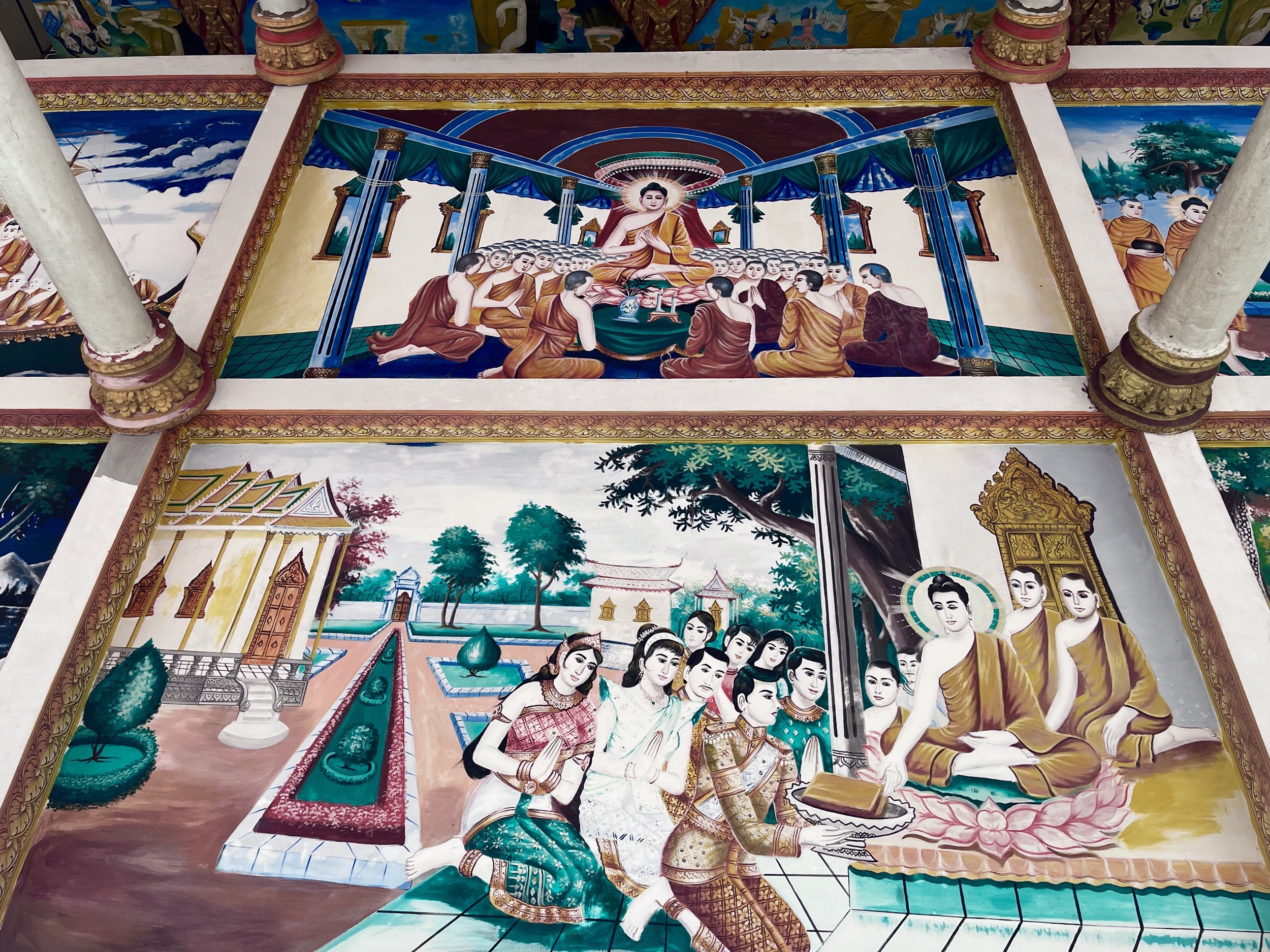
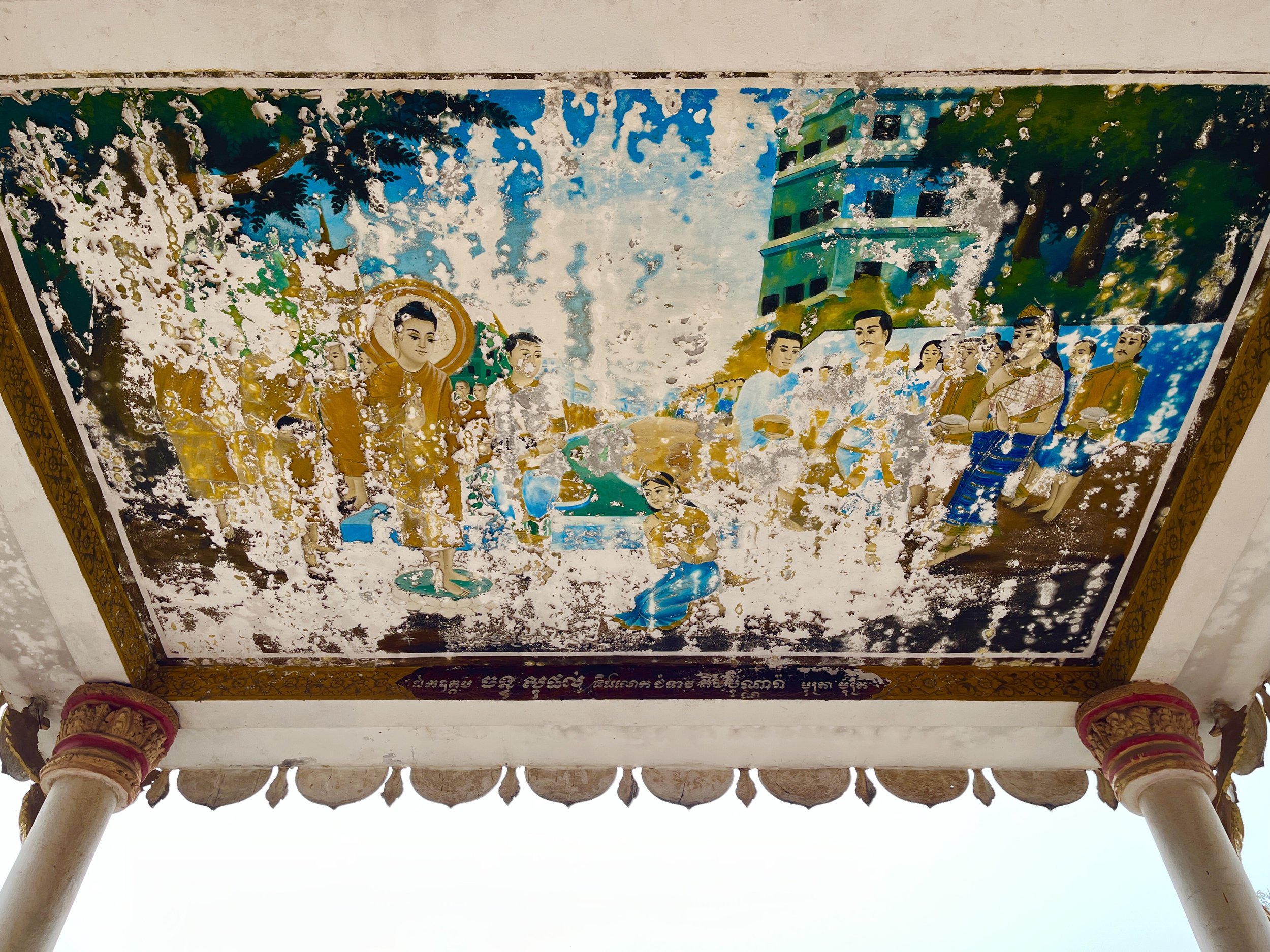
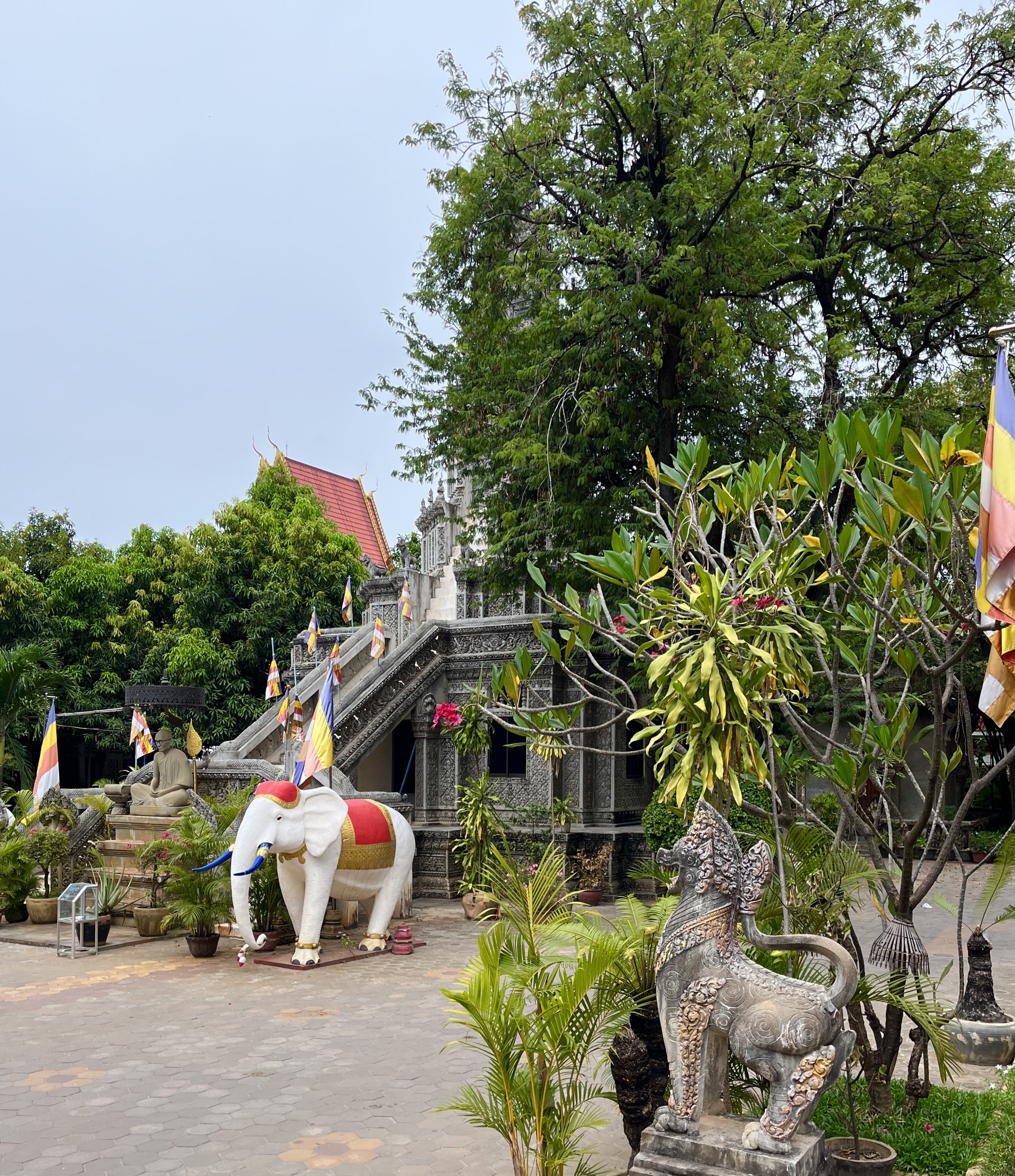
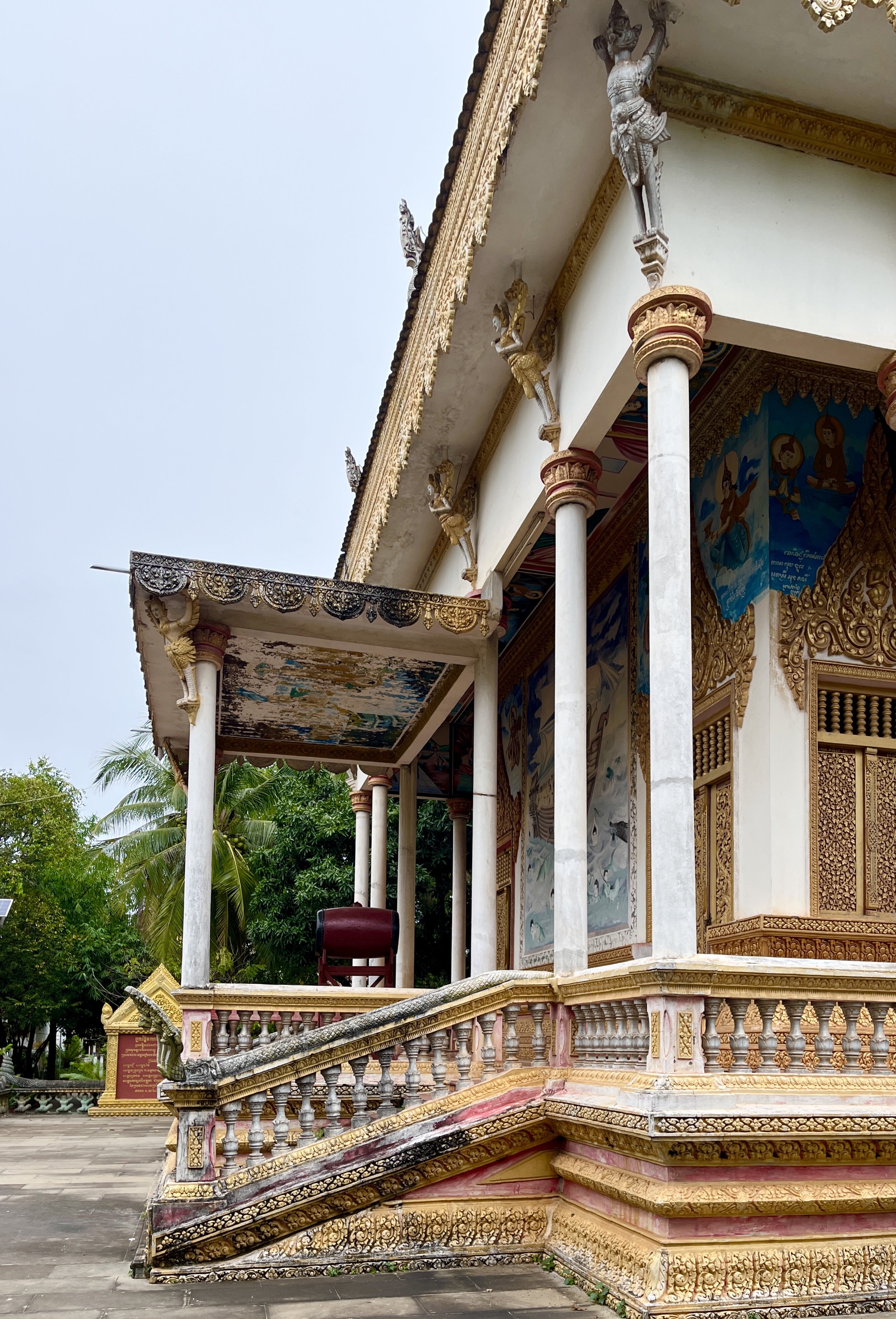
Battambang, as one of the historically wealthiest regions of Cambodia, has over 300 functional pagodas, not to mention the many ruins. Among them, Samrong Knong was, prior to the Khmer Rouge regime, the most powerful local monastery, with large grounds and many buildings and stupas, new and old. It was originally constructed in wood in 1707, and there is apparently (though I failed to identify it) at least one extant building dating from the first decade of the 19th century here. There are various stupas dating to the last quarter of the 19th century. The “new” pagoda was commissioned in 1887 and completely in 1890; the “old” pagoda was reconstructed in brick and plaster simultaneously, and last renovated quite recently.

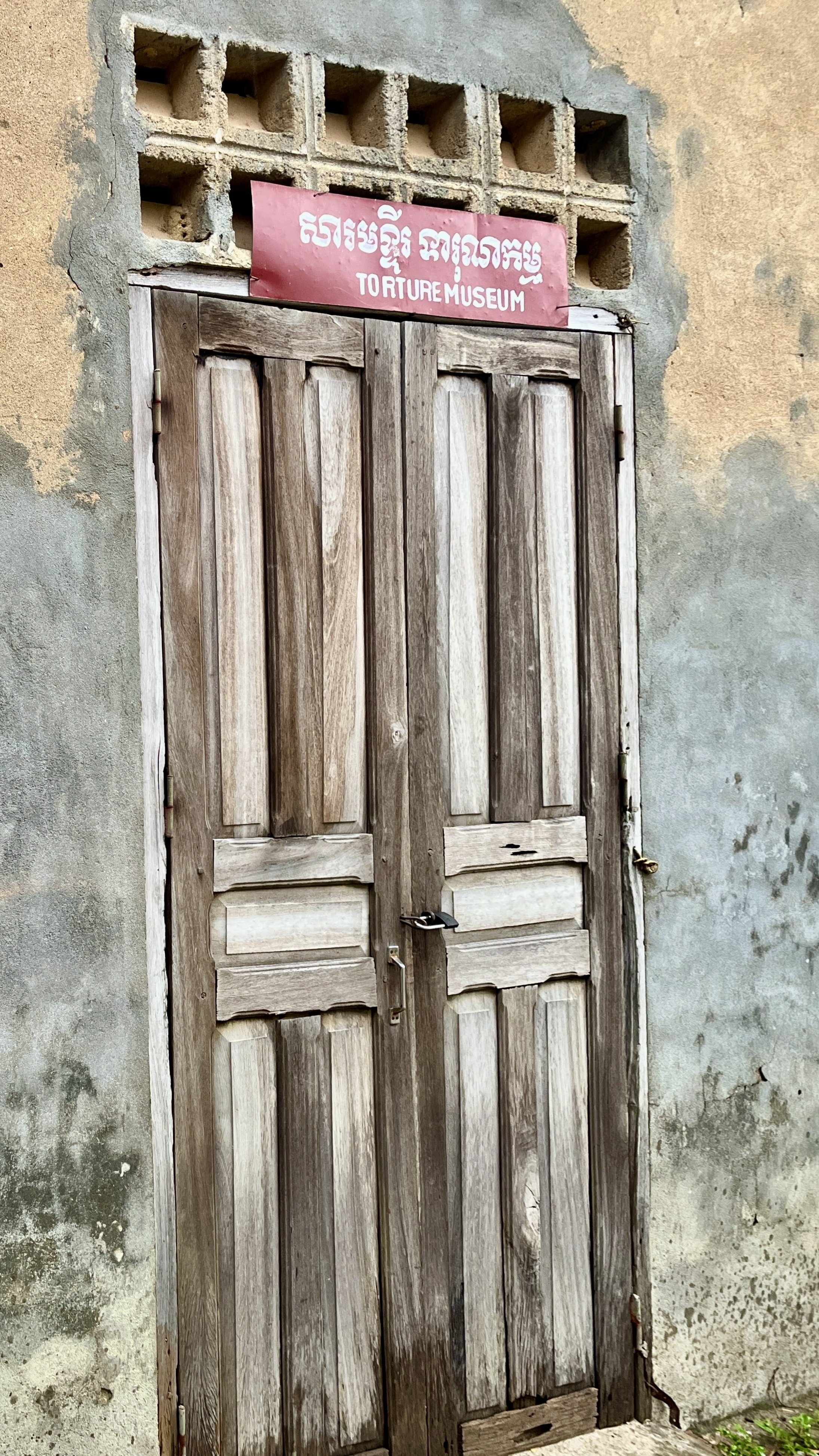
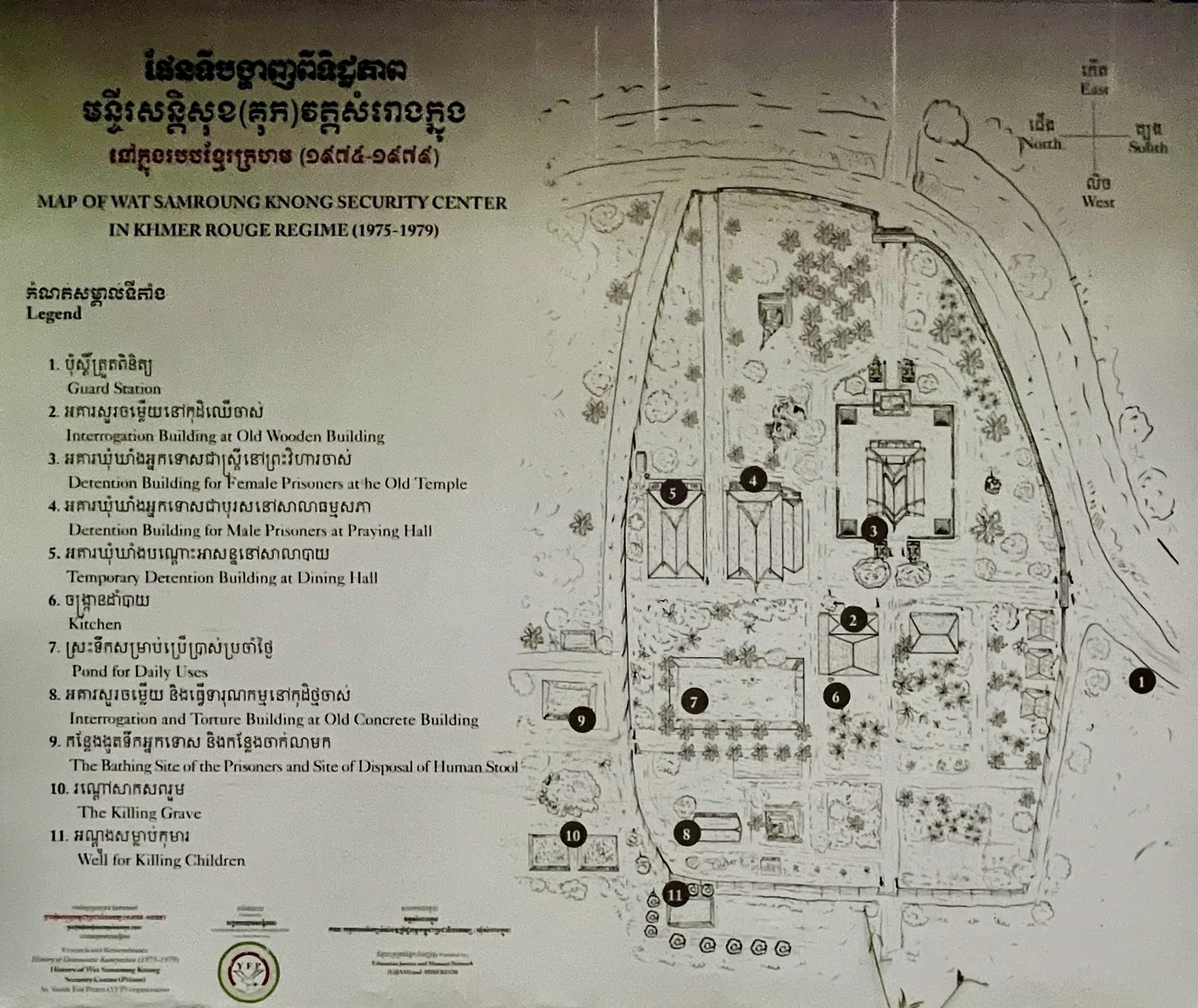
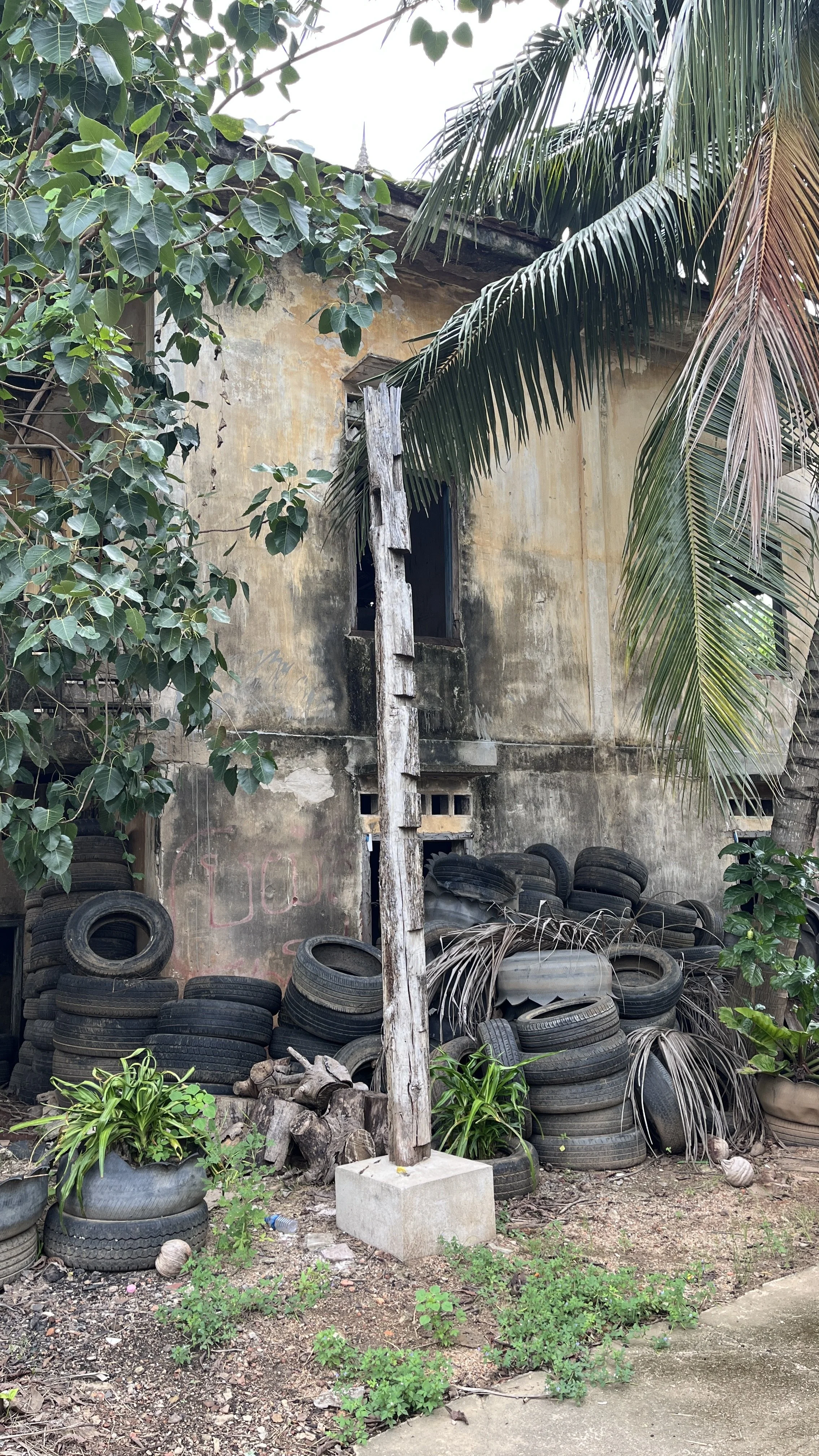
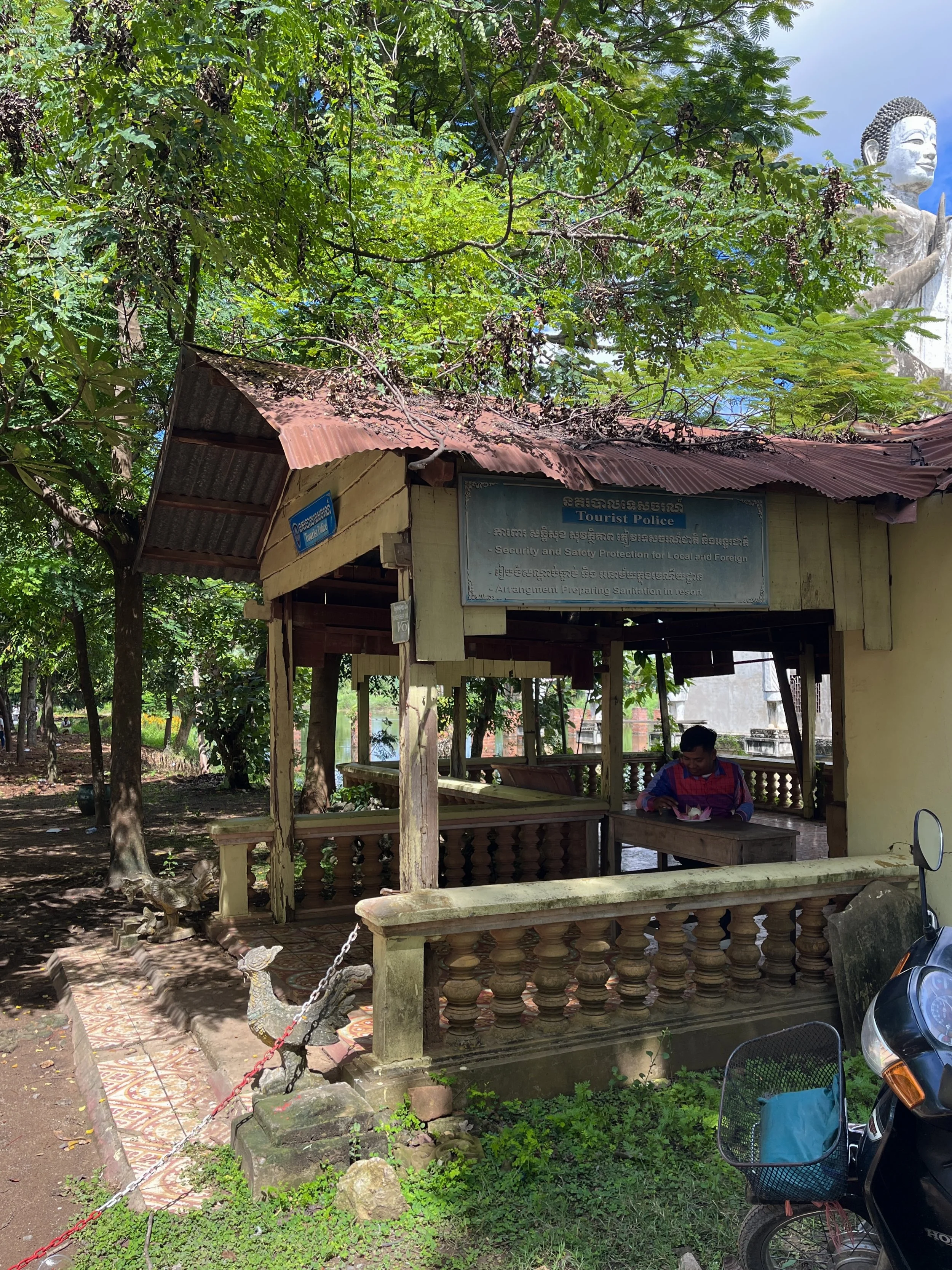
During the Khmer Rouge regime, Samrong Knong became a notorious interrogation/torture center and killing field. All these buildings are clearly mapped for visitors.

Far better photos are available, even on google maps reviews– these are all I managed to get because:

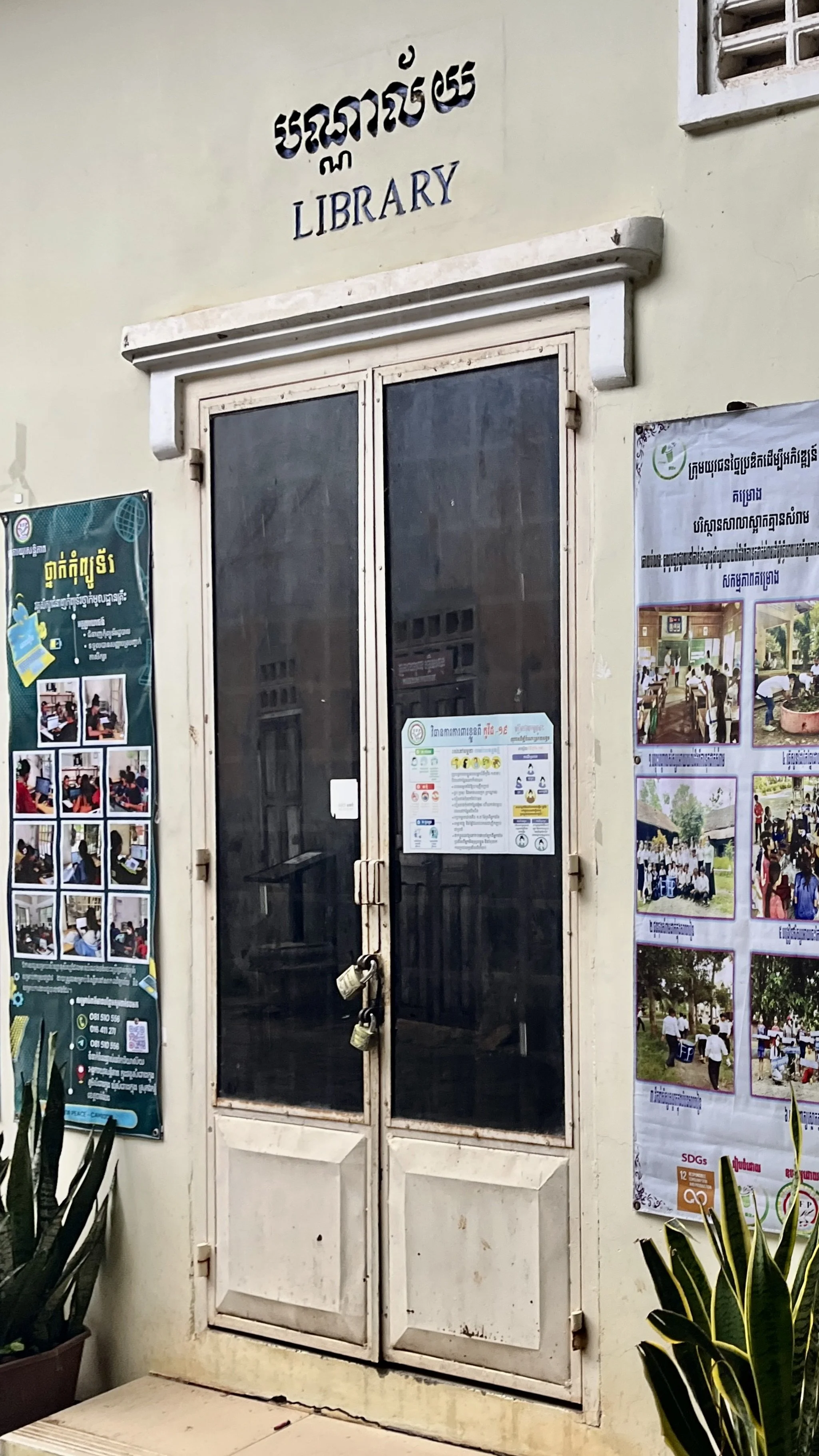
1. I kept going at the wrong times. Everything was always locked up: not just the temples themselves, which is regrettably commonplace, but even the museum and library that were supposed to be open. This happens in Cambodia; if no one is there they just shut up shop, not realizing/caring that it’s ludicrous to expect a constant flow of visitors at their ordered pair coordinate of location/awareness. I think Samrong Knong opens up to big tour groups, so perhaps join one if you really care to go inside.

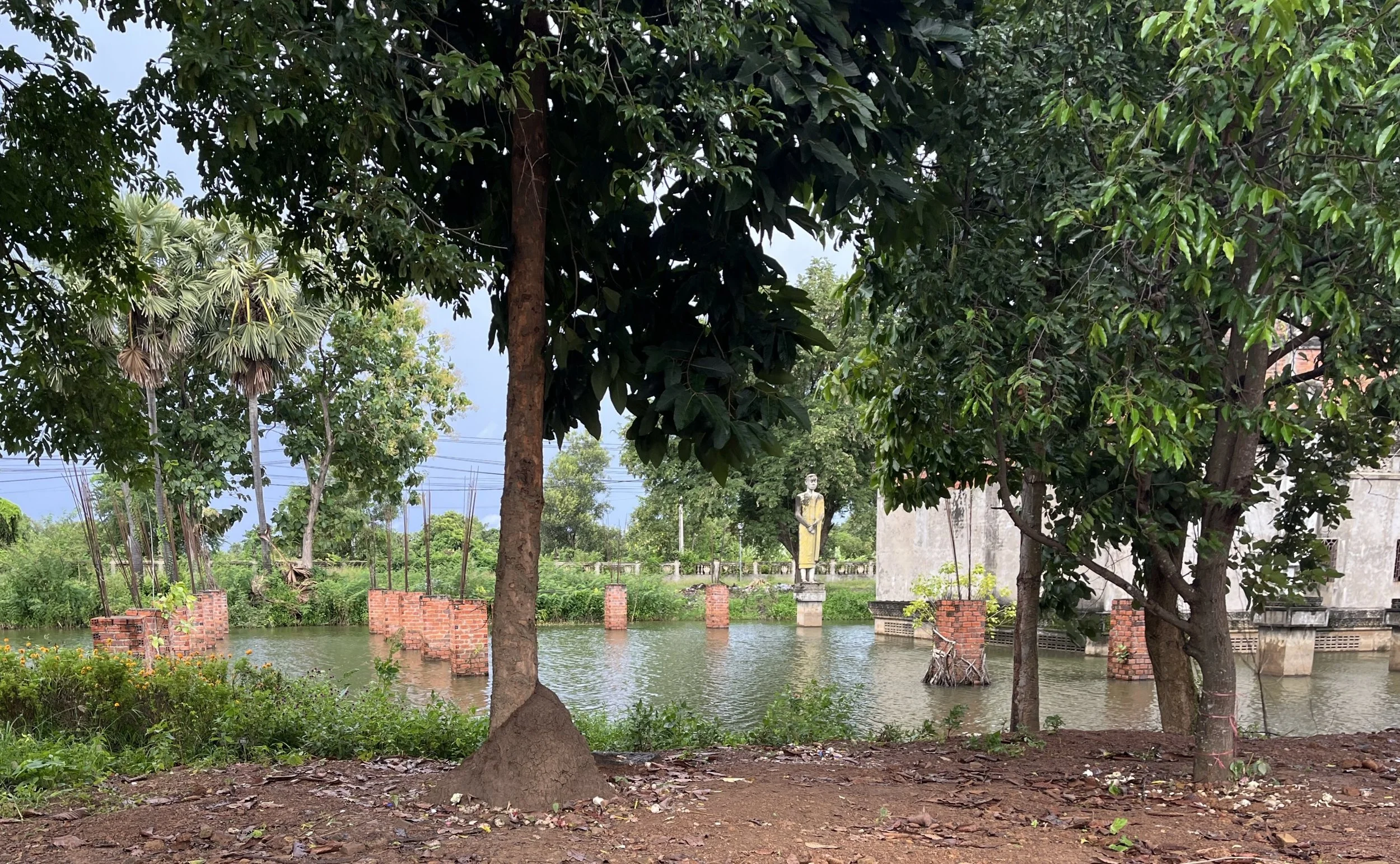
2. The weather was dreary and I wasn’t feeling well. I caught some sort of dreadful up all night wondering if I should go to hospital type stomach bug in Battambang (I think it might have been fried rice syndrome), and showing up here only to miss the sites– not once, but twice– convinced me it just wasn’t meant to be. Wandering past a pond, an info plaque attested that this was the pond in which the human waste of Khmer Rouge prisoners was dumped in one half, while the well-behaved among them were permitted to bathe once a month in the other. Nauseating. I left.
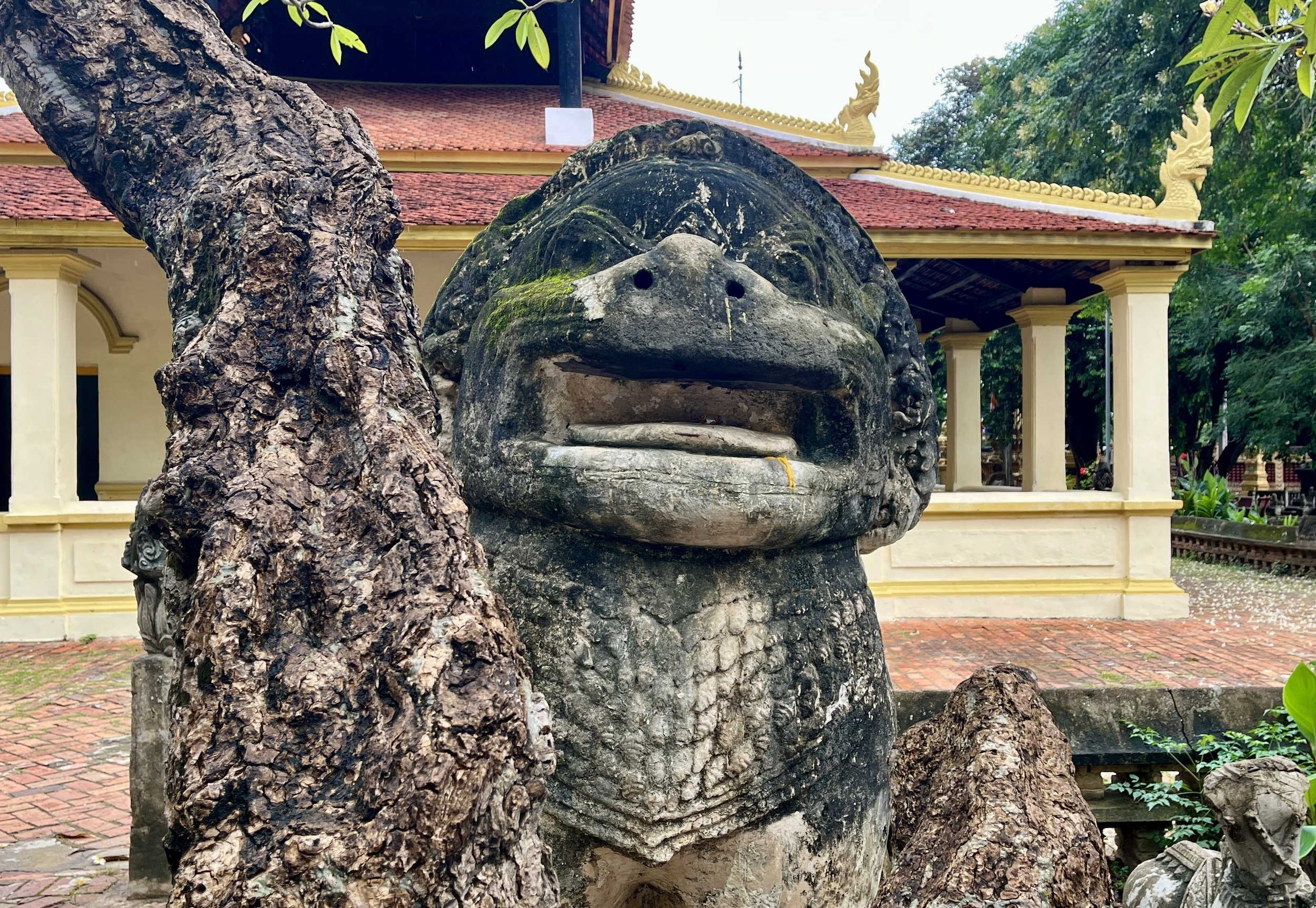
Wat Ek Phnom, Battambang | Cambodia

Wat Ek Phnom is 9km north of Battambang, and must be one of the most popular temples with tourists as it was one of just two that commanded an entrance fee. The approximately $2 usd-ish per person fee was only collected when the tour guides showed up with their charges; go by yourself and no one is sitting at the ramshackle desk expecting it.
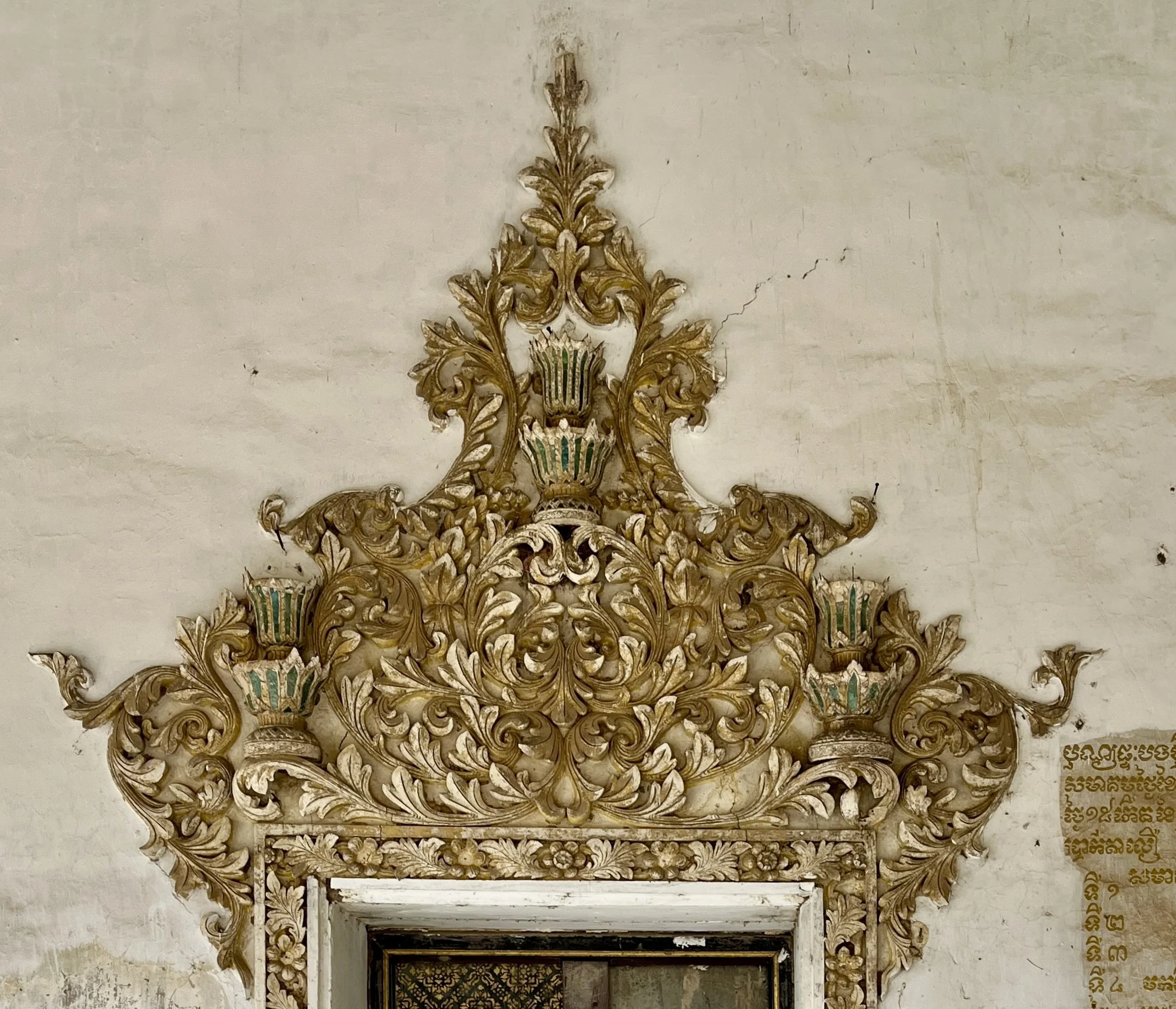
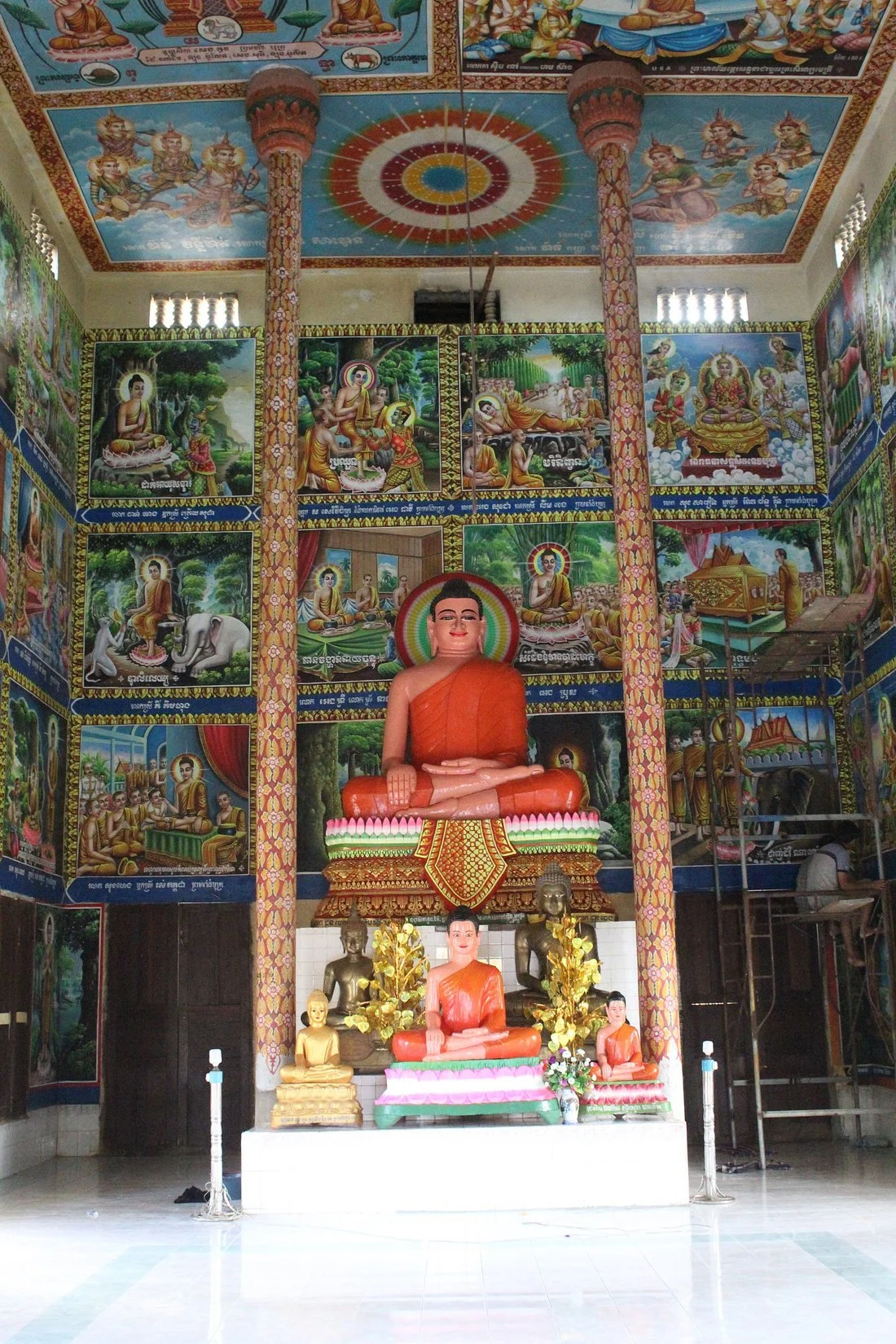
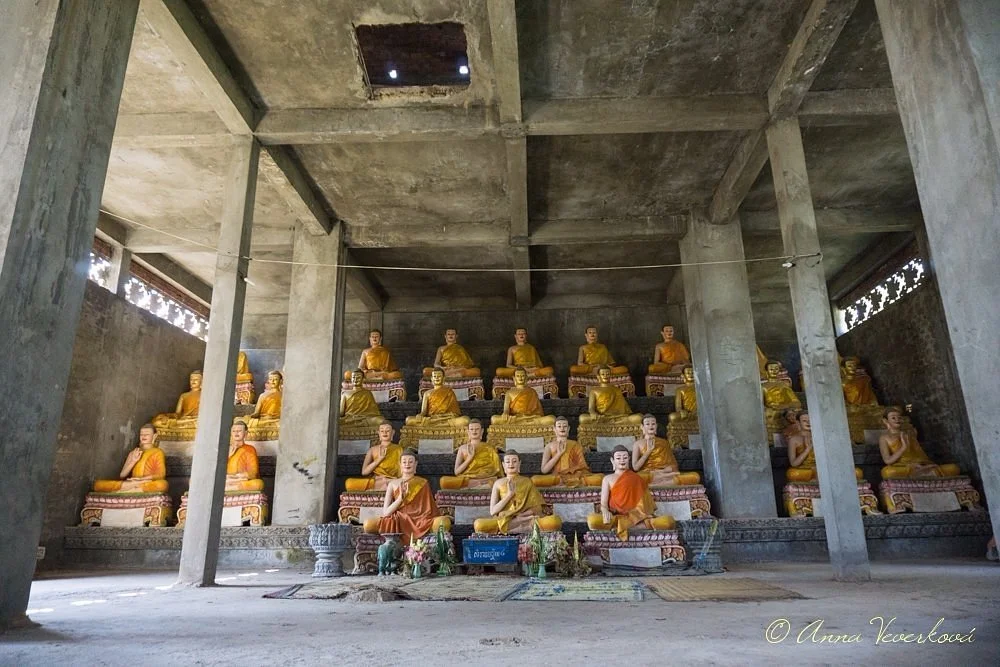
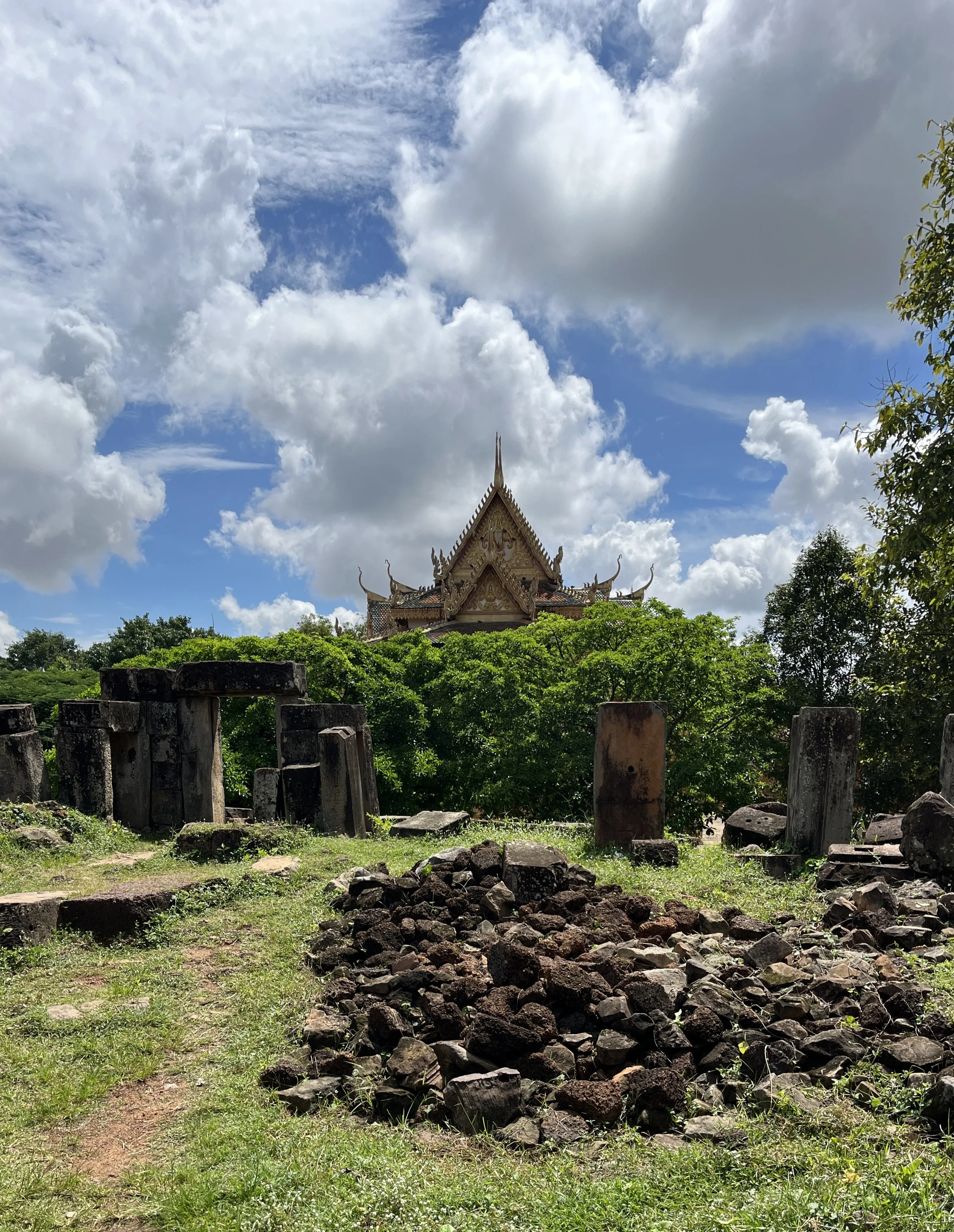
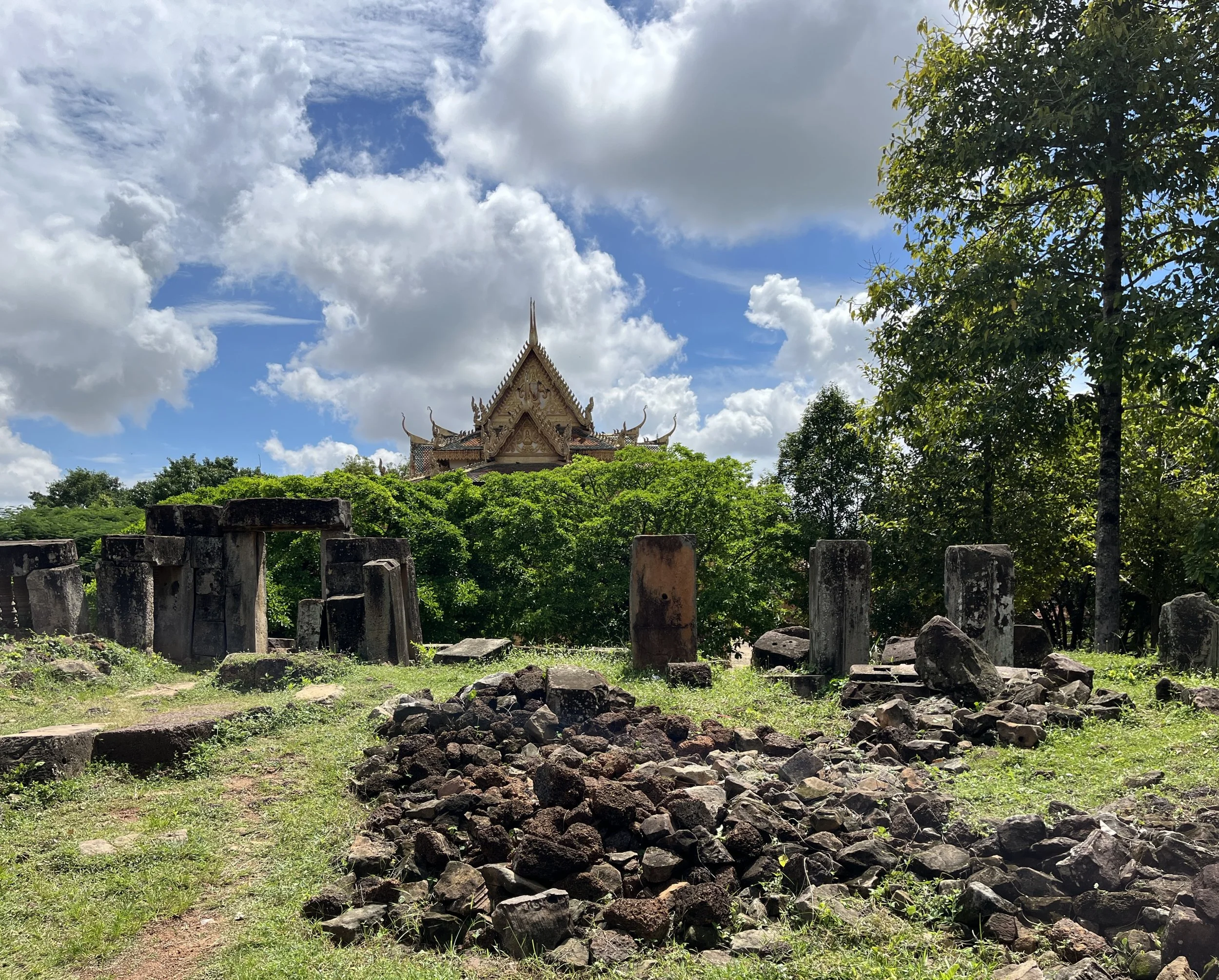
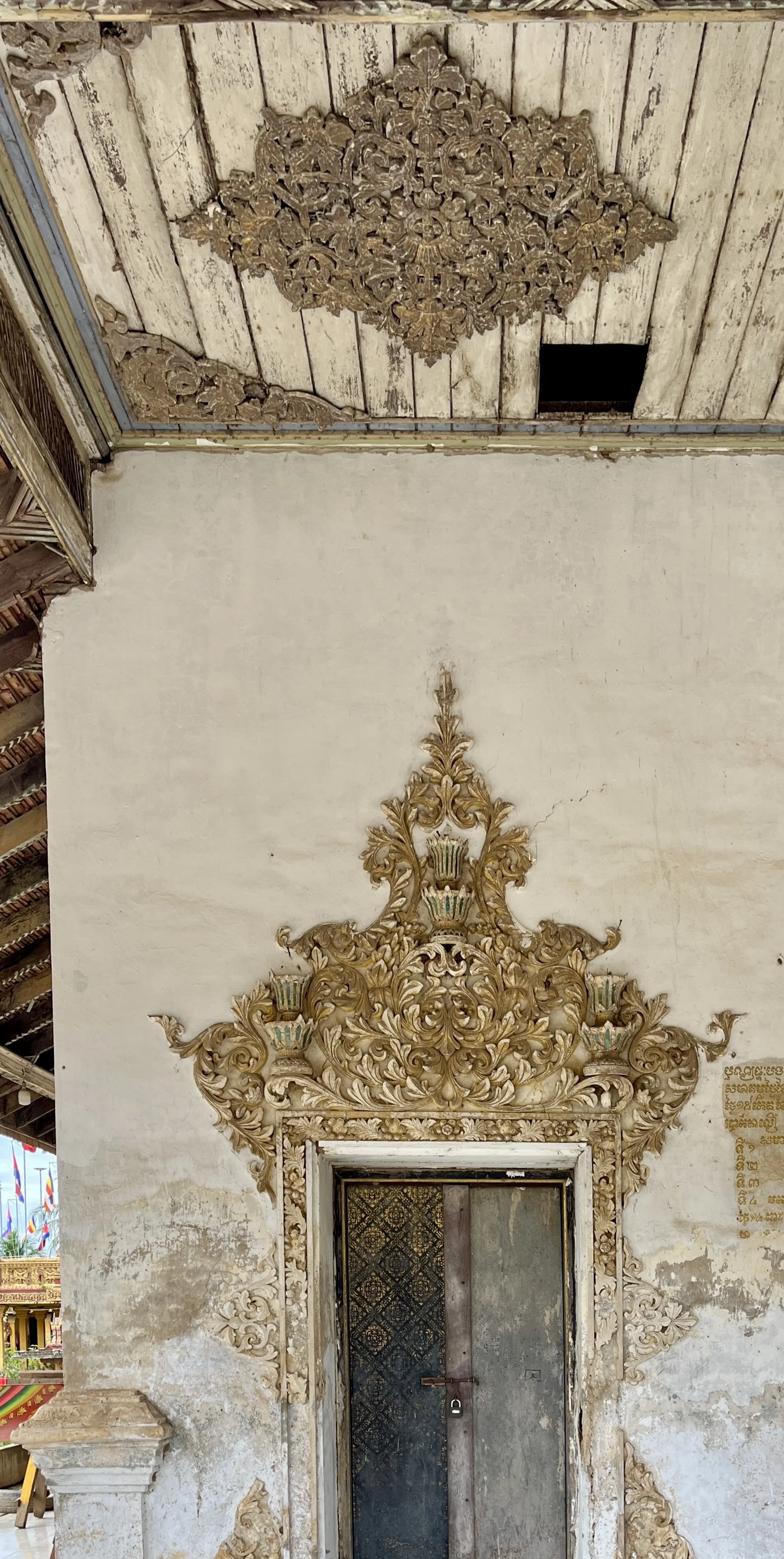
Fee or no fee, the more modern pagoda was locked, so I never got to see inside.
I found this picture of the inside on a TripAdvisor review. While I do like this modern Indian pop art style of depicting the life of the Buddha, I don’t feel I missed much.

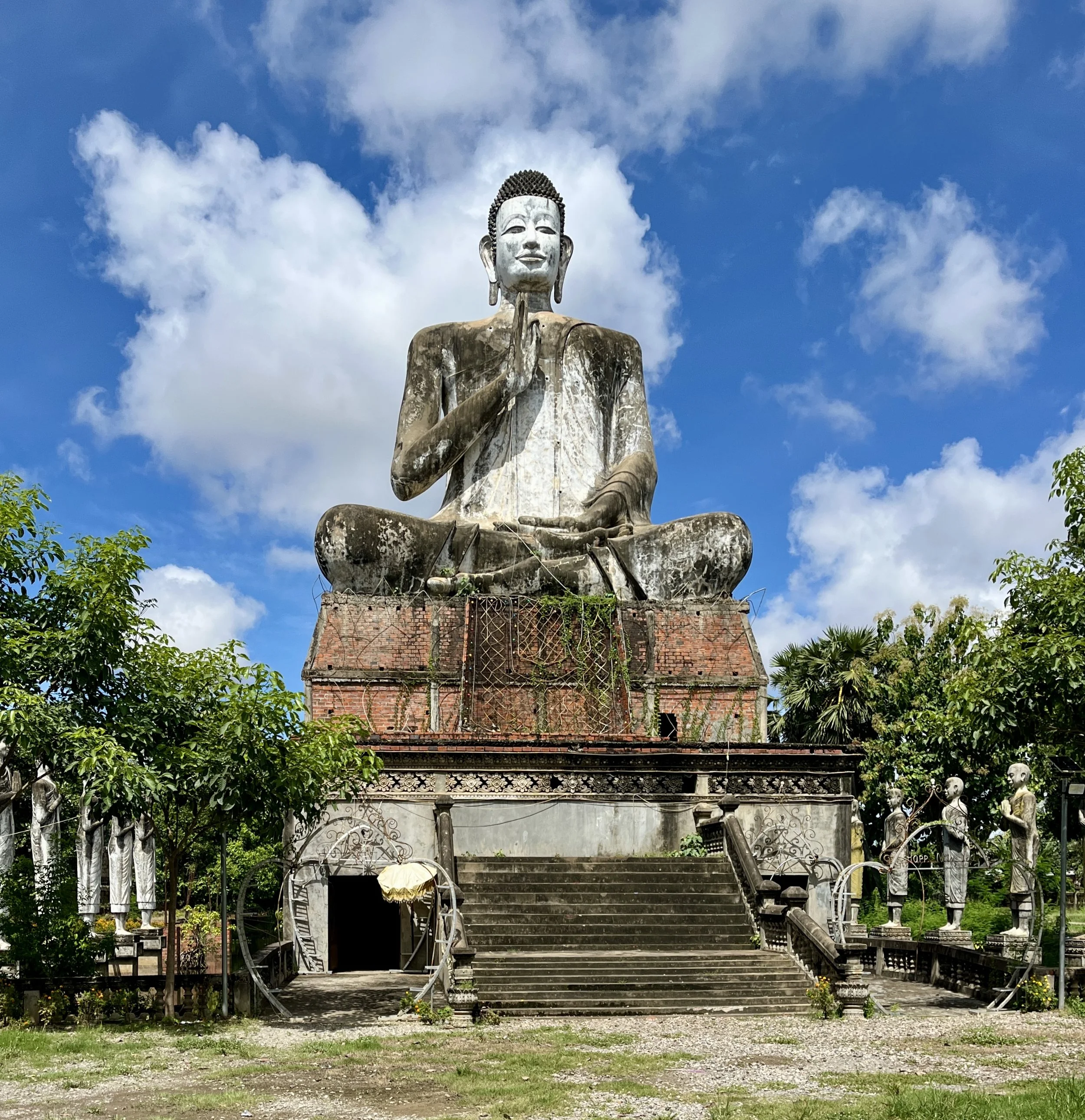
The big modern Buddha.

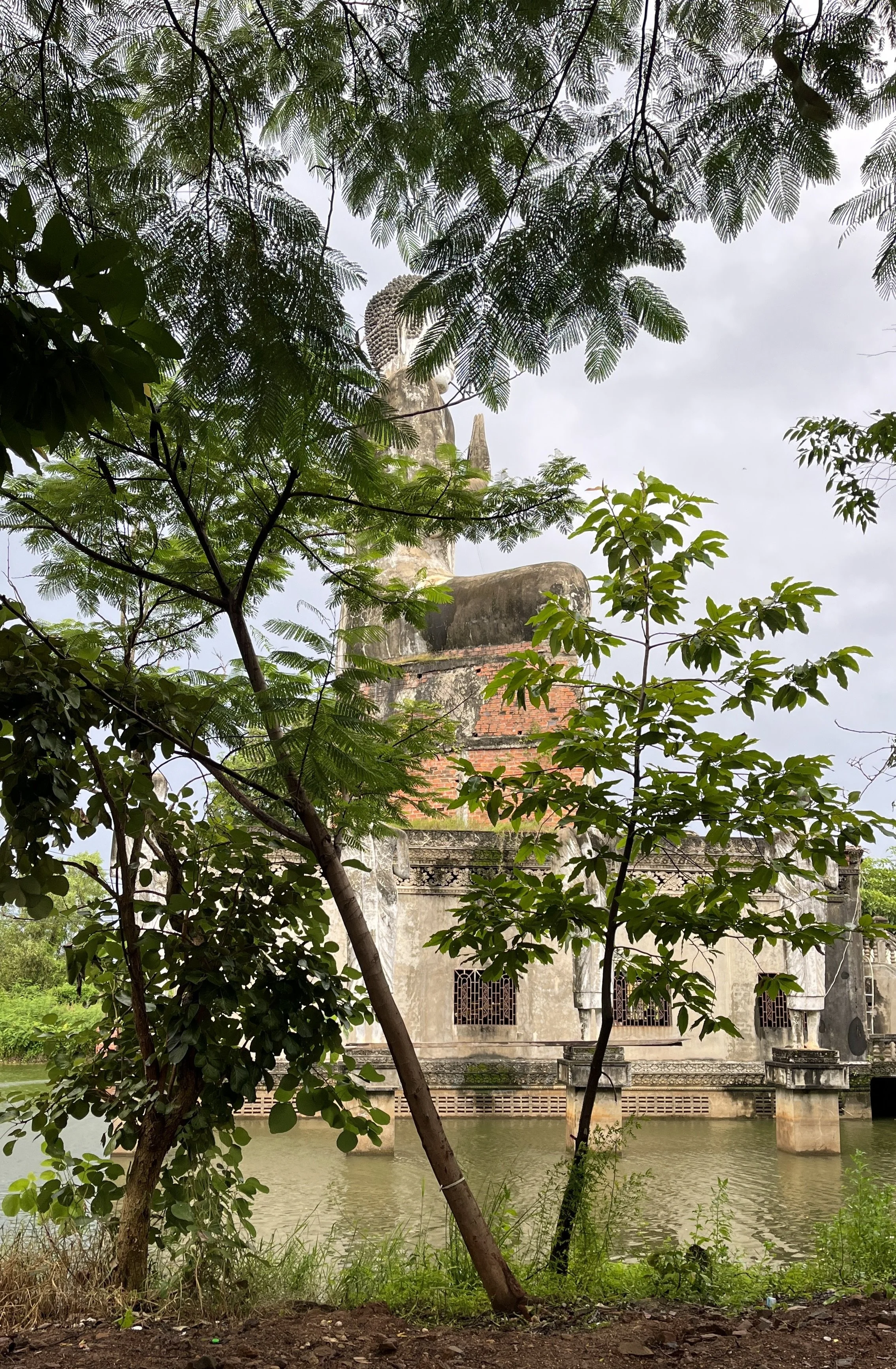
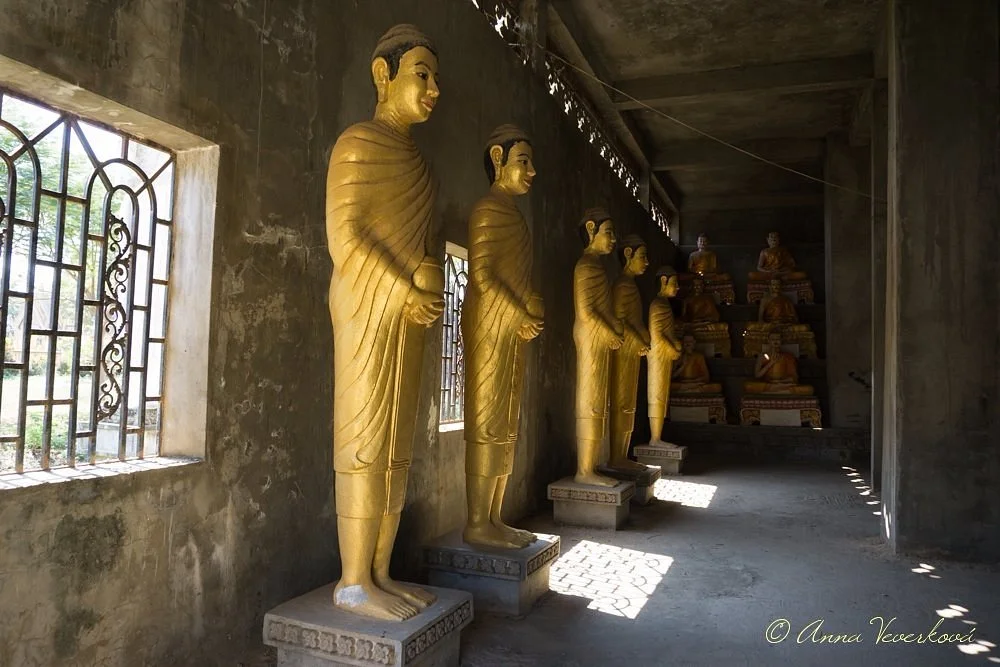
Behind the Buddha is a bunch of unfinished construction; I believe they’re supposed to be additional standing Buddha statues.

I also didn’t go under the Buddha, but apparently this is what’s inside. Also from TripAdvisor.

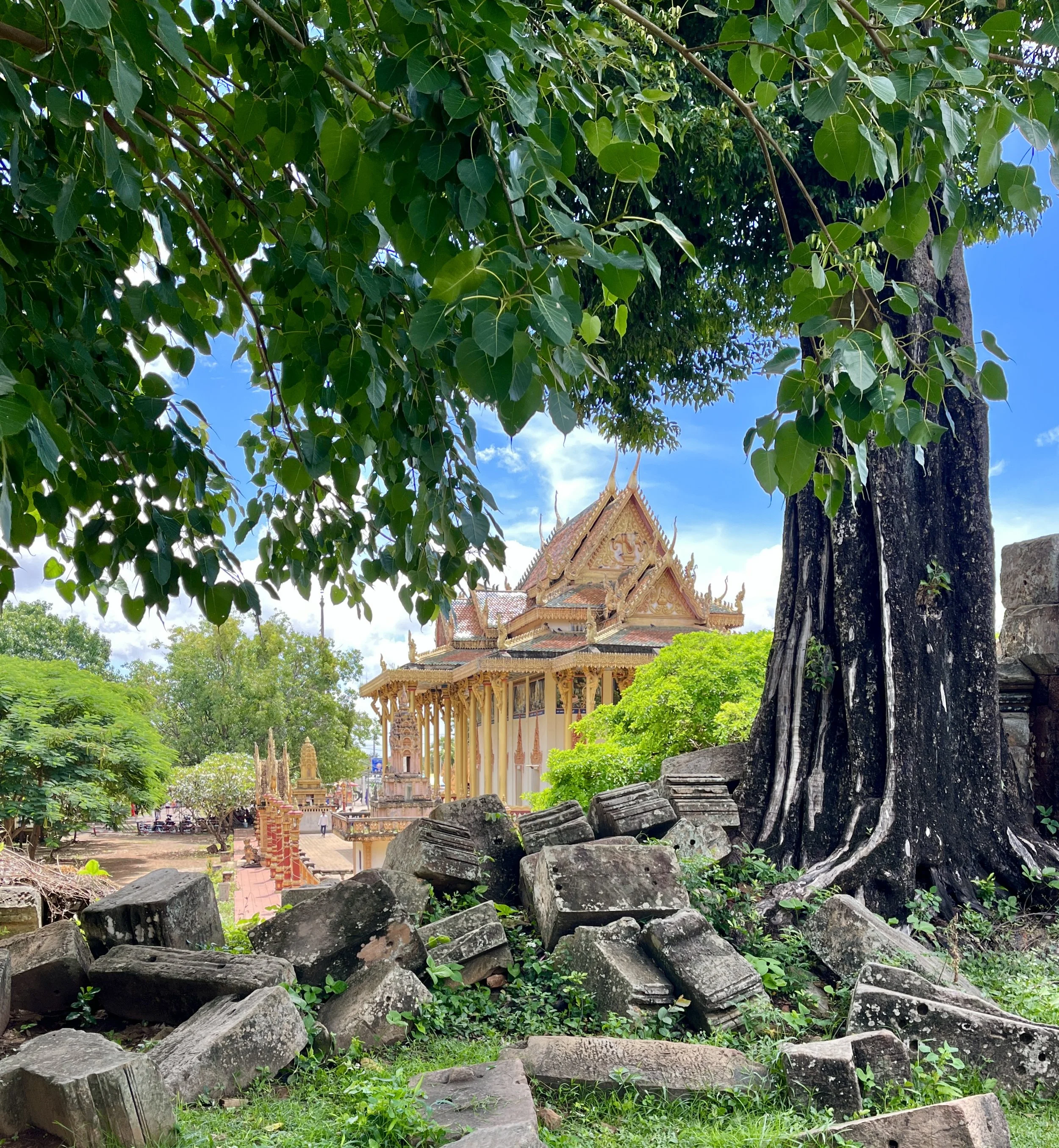
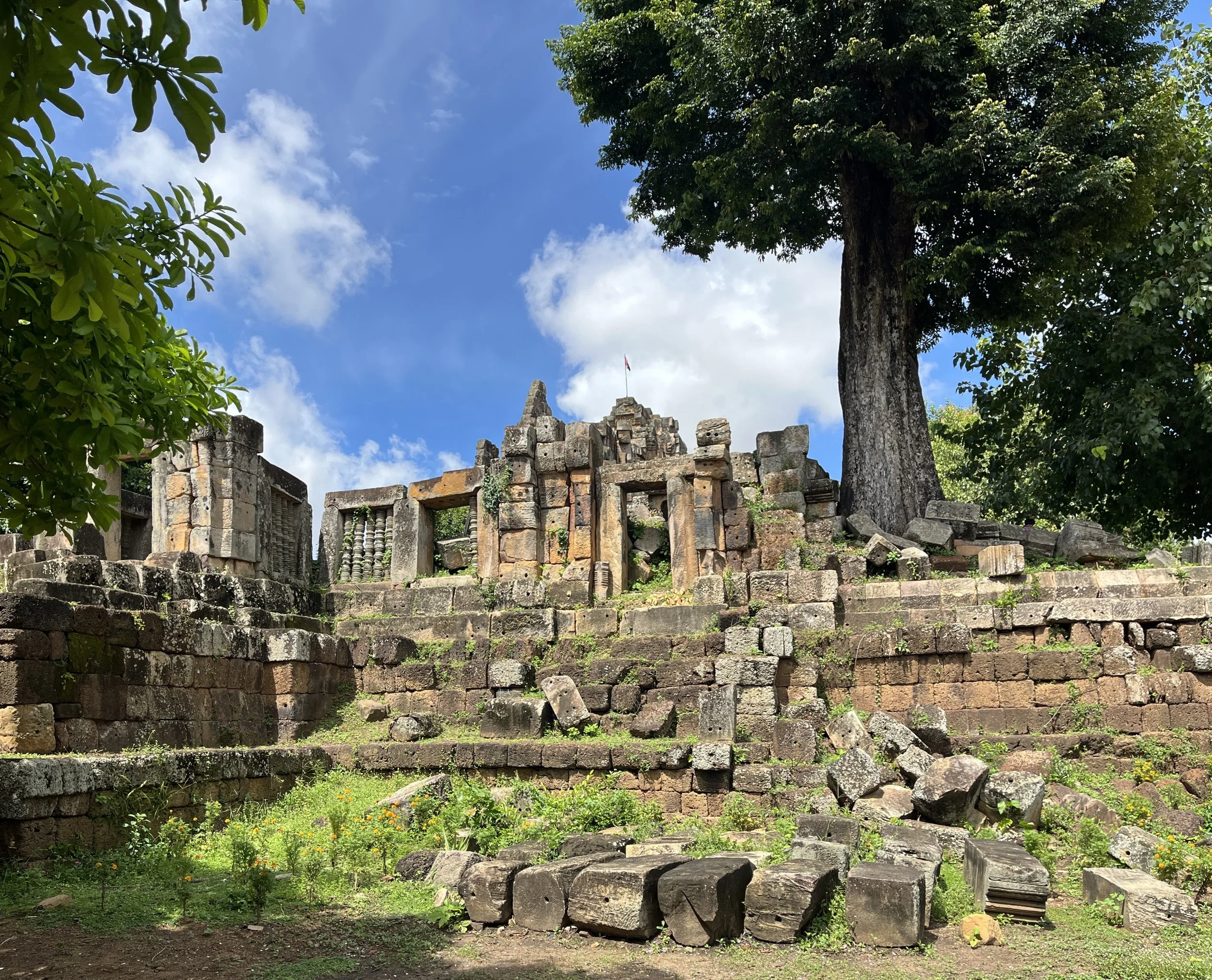
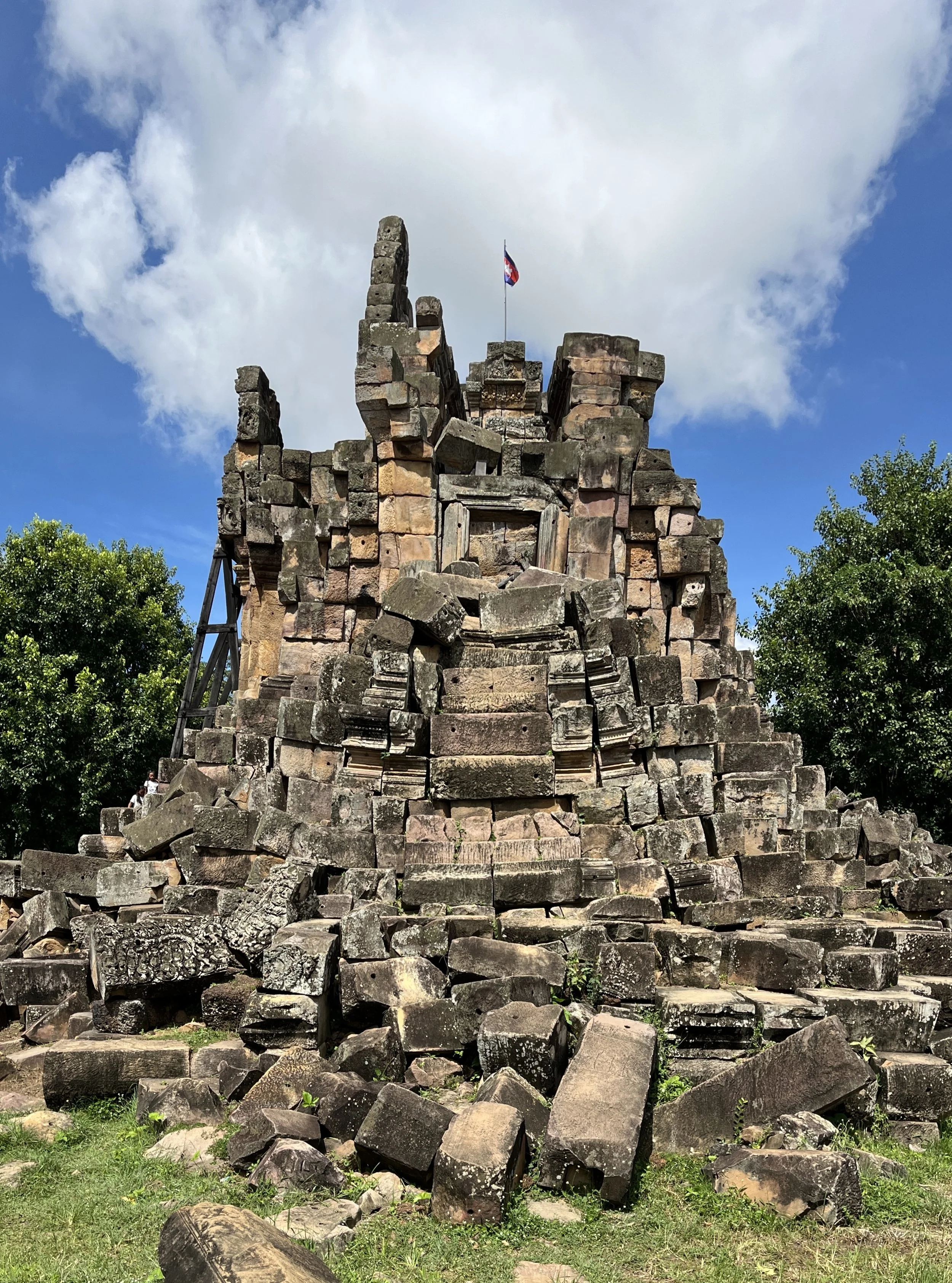
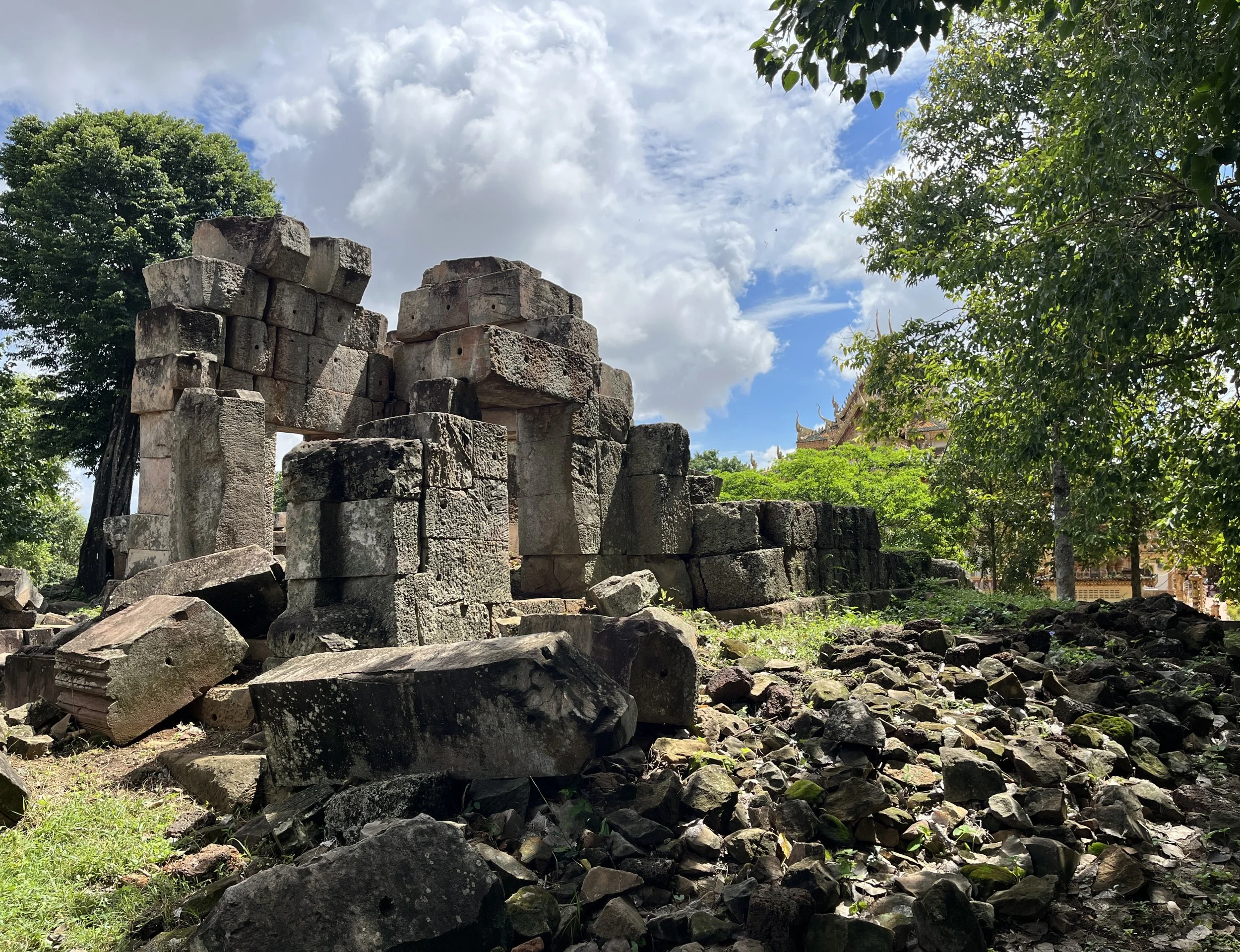
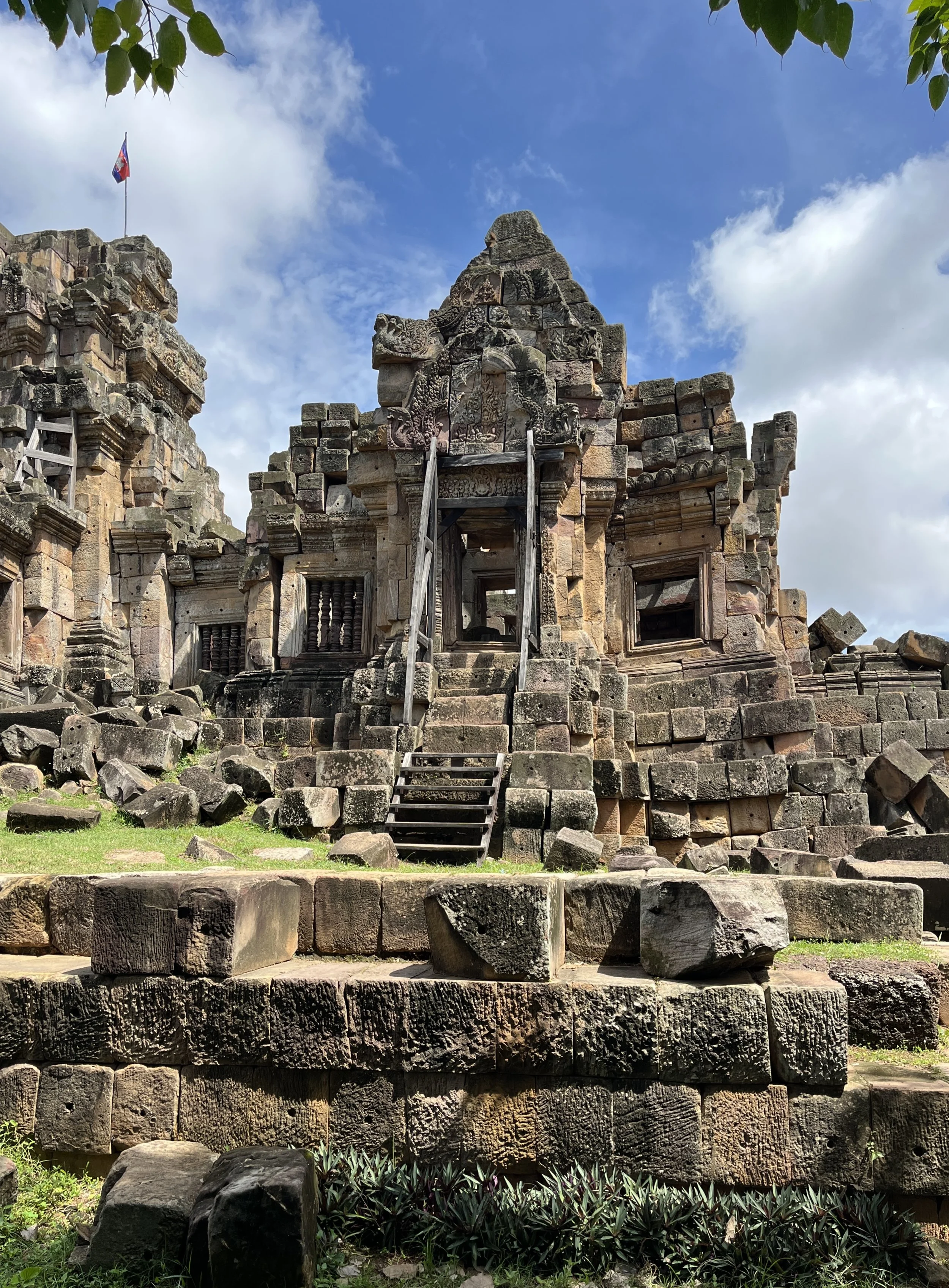
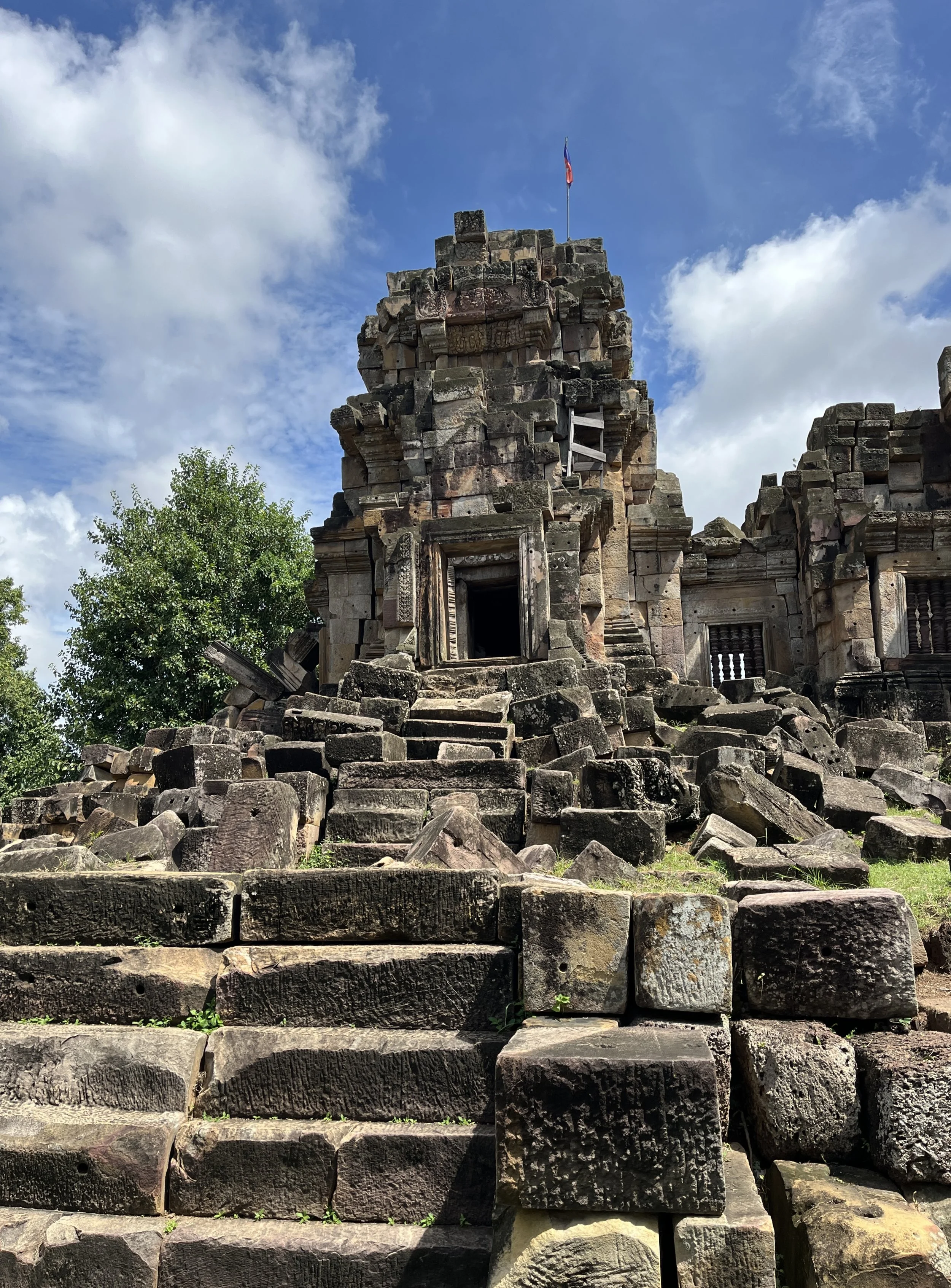
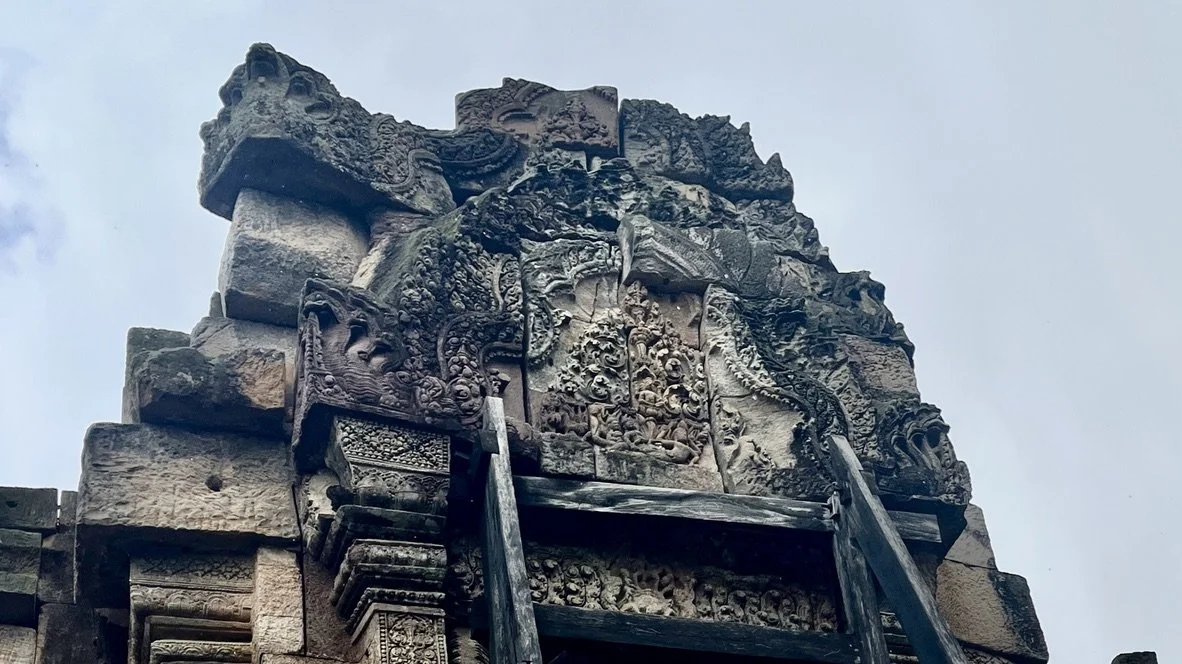
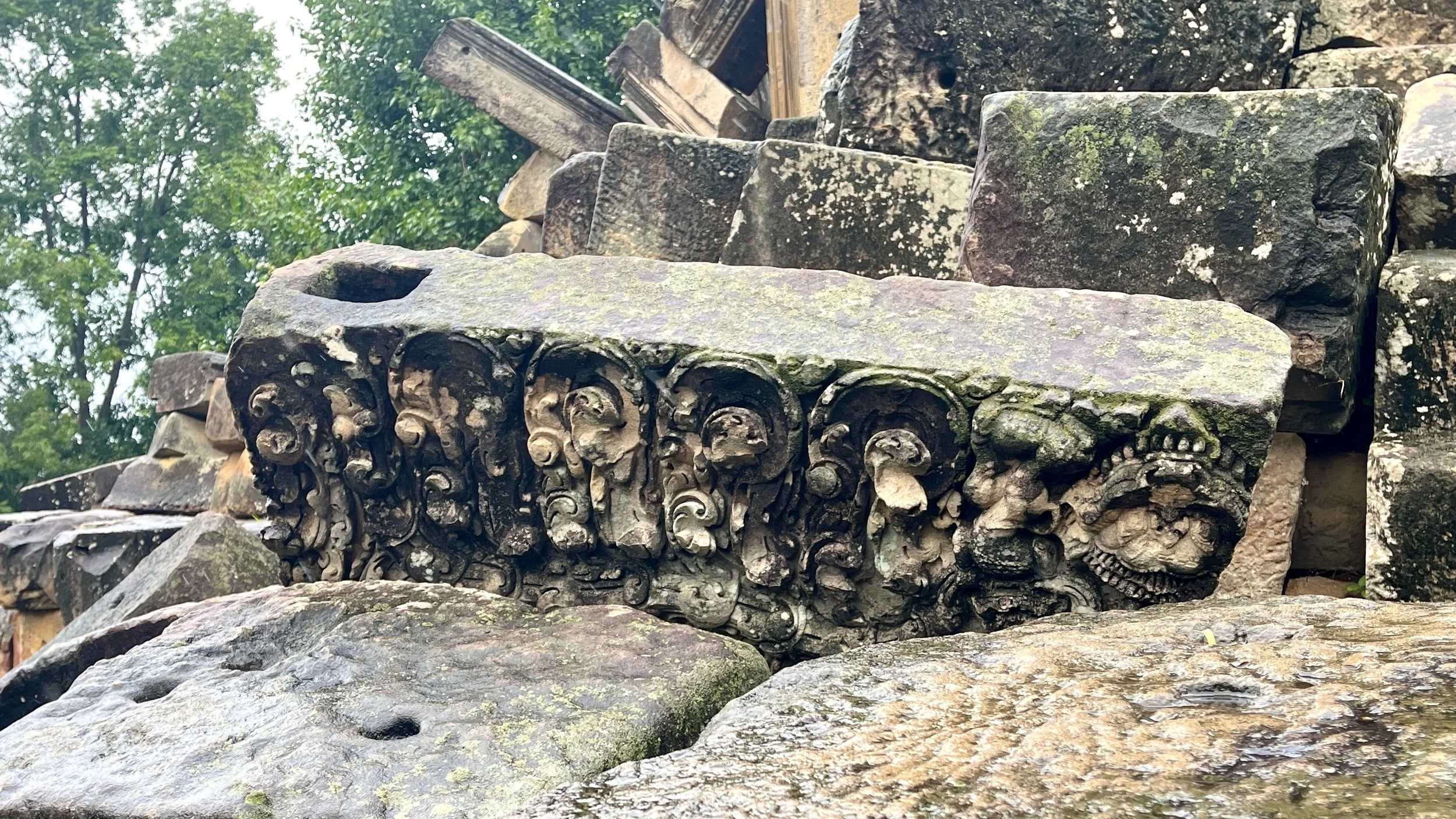
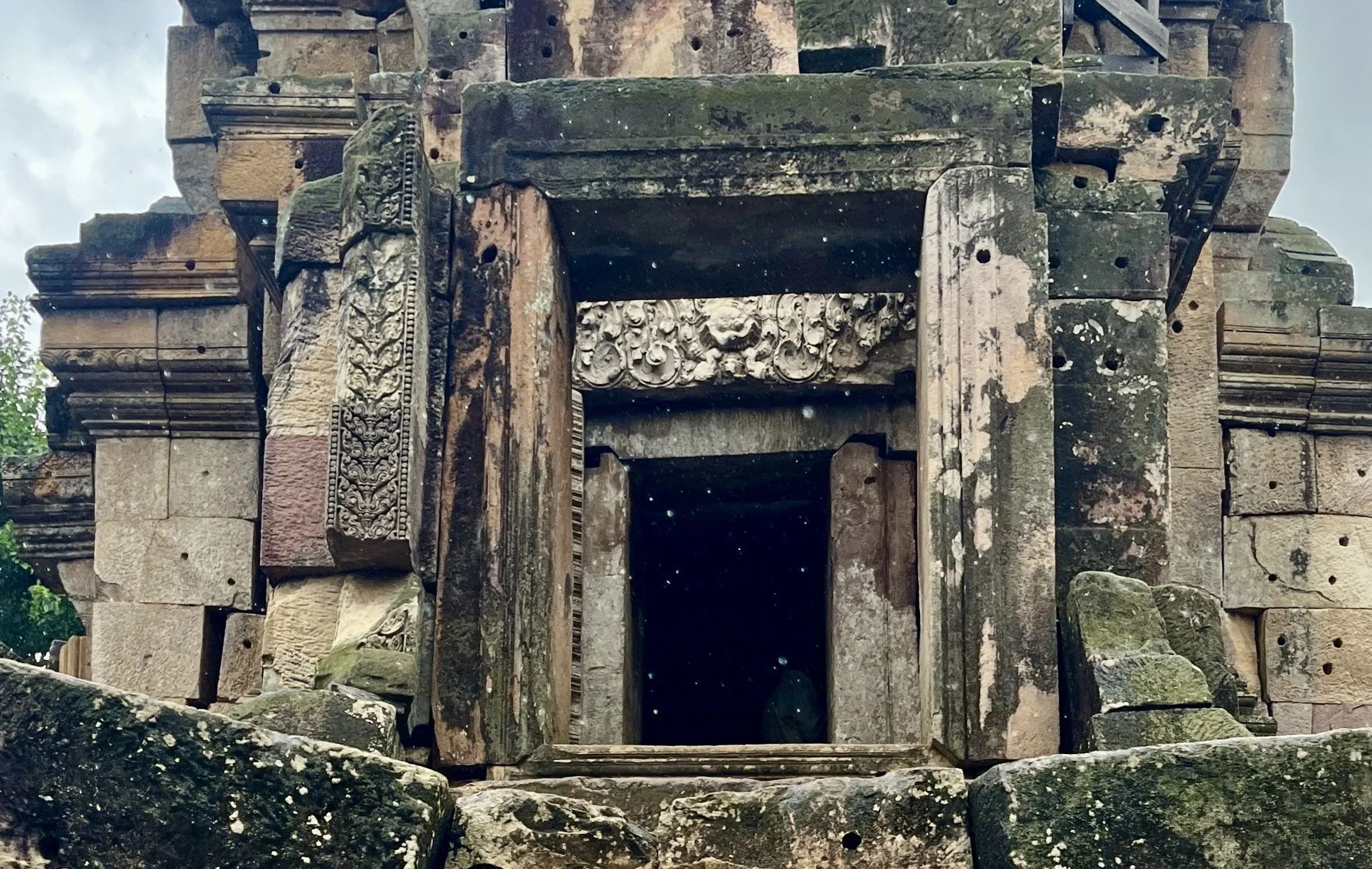
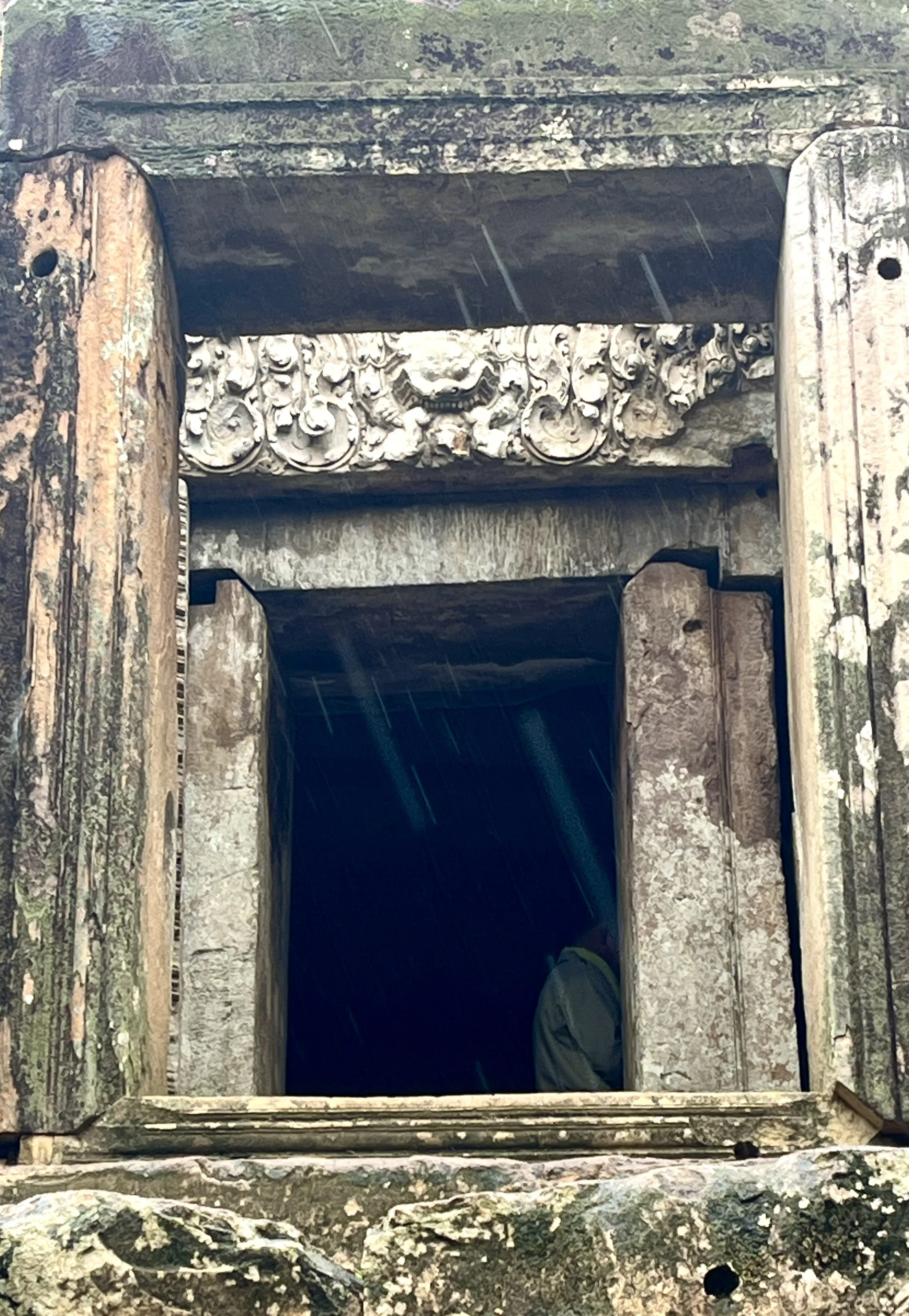
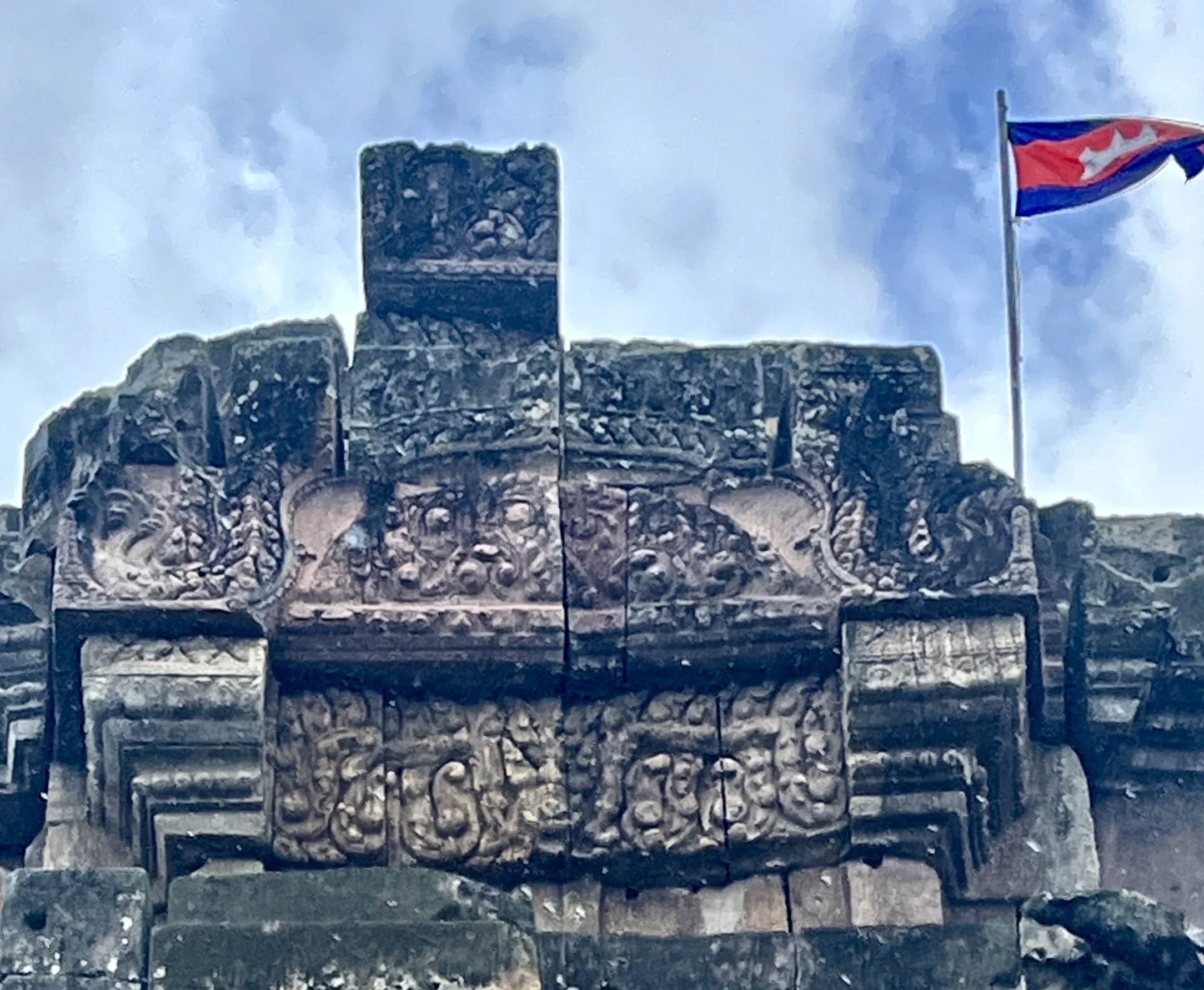
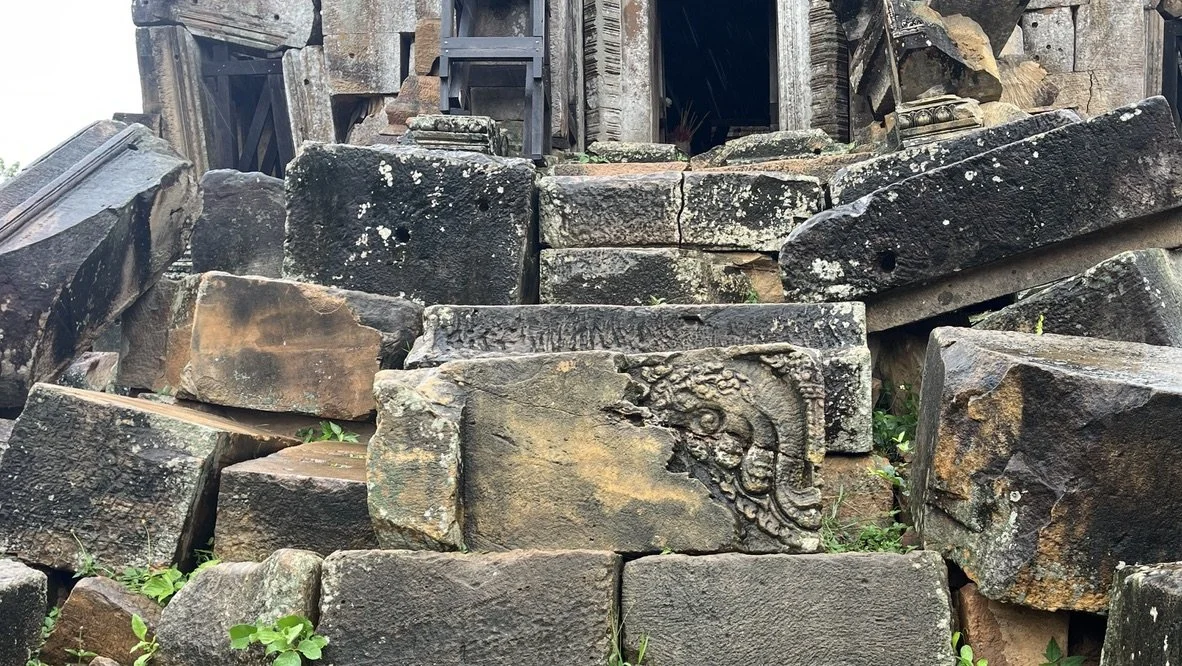
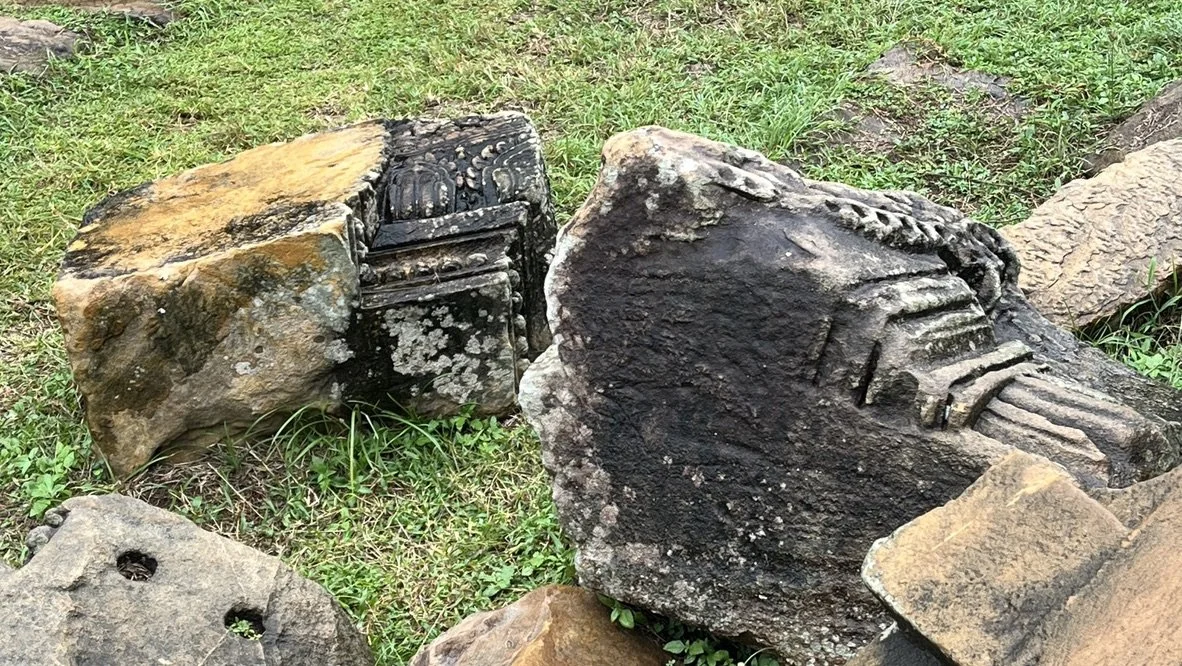
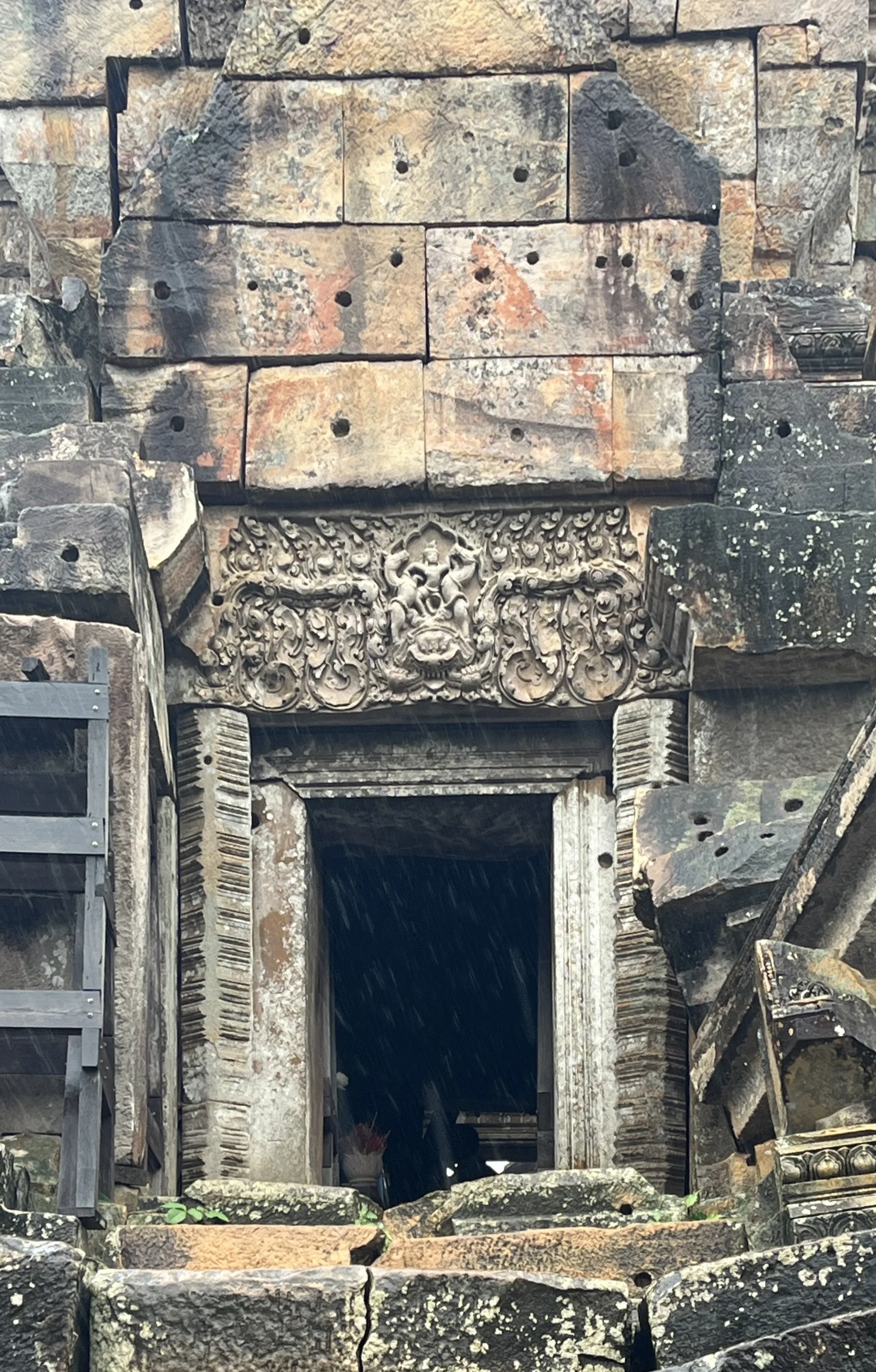
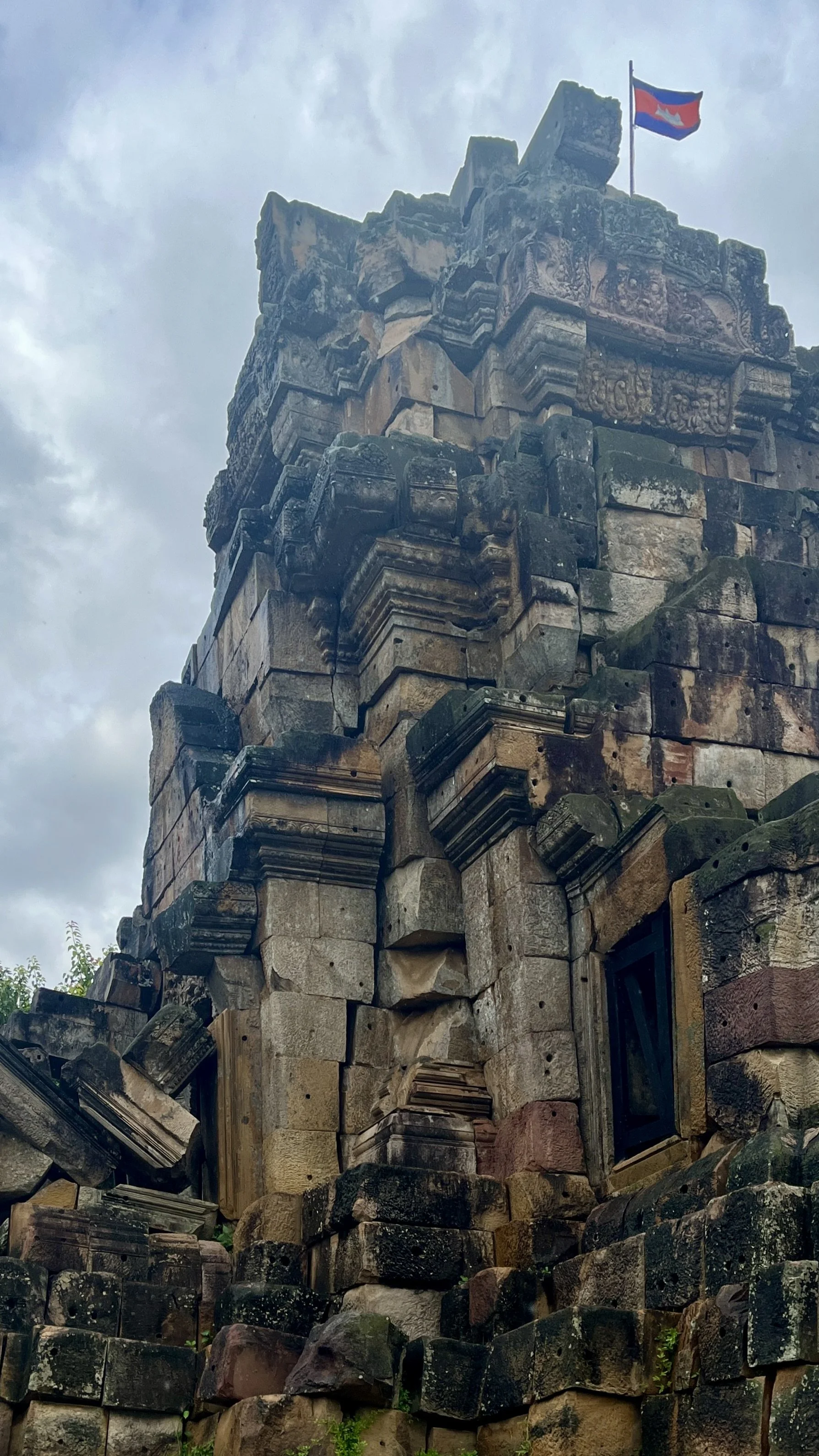
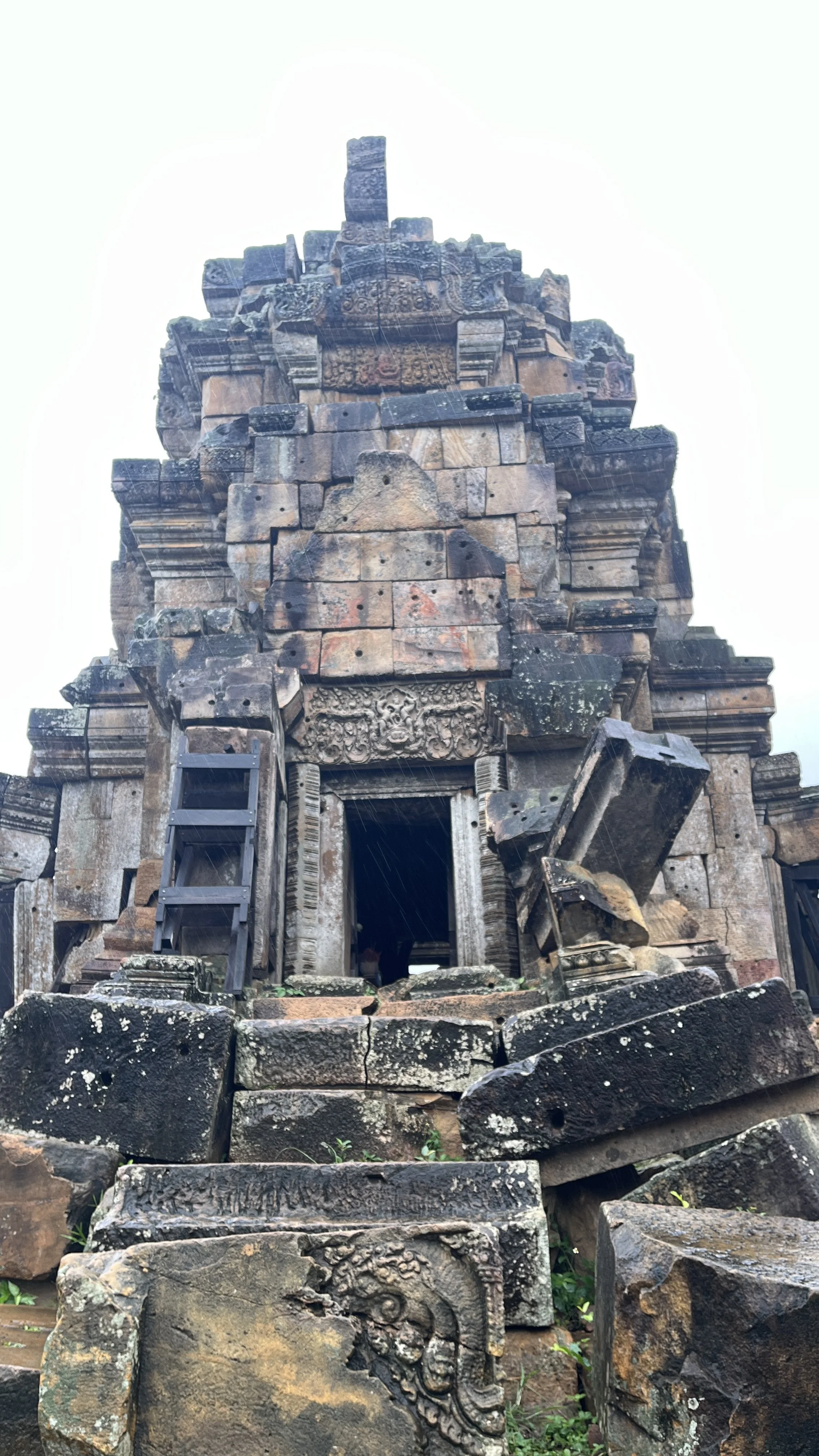
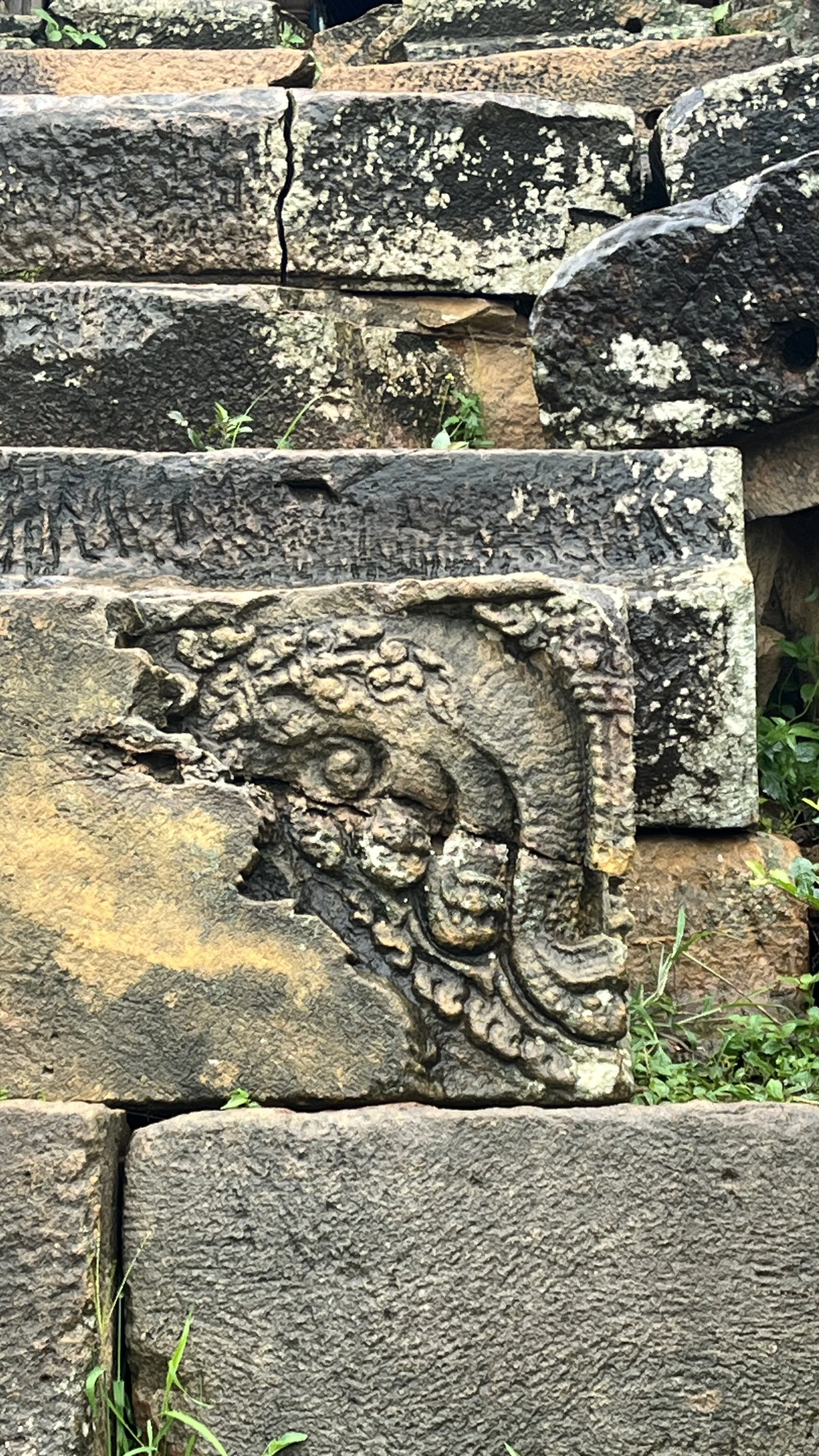
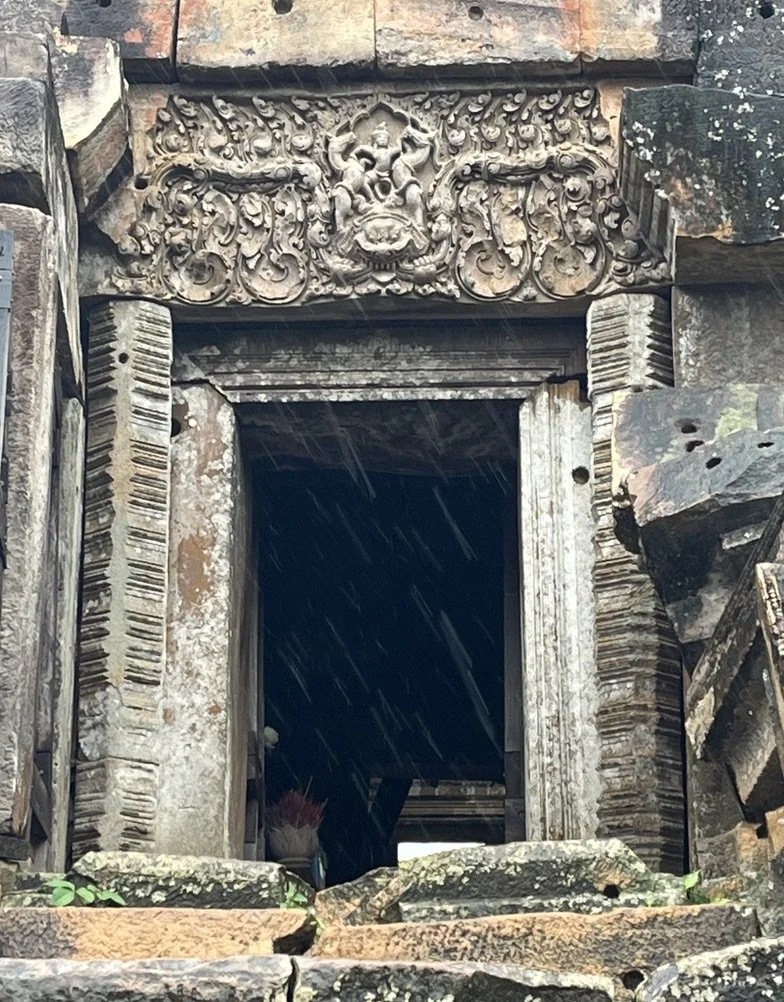
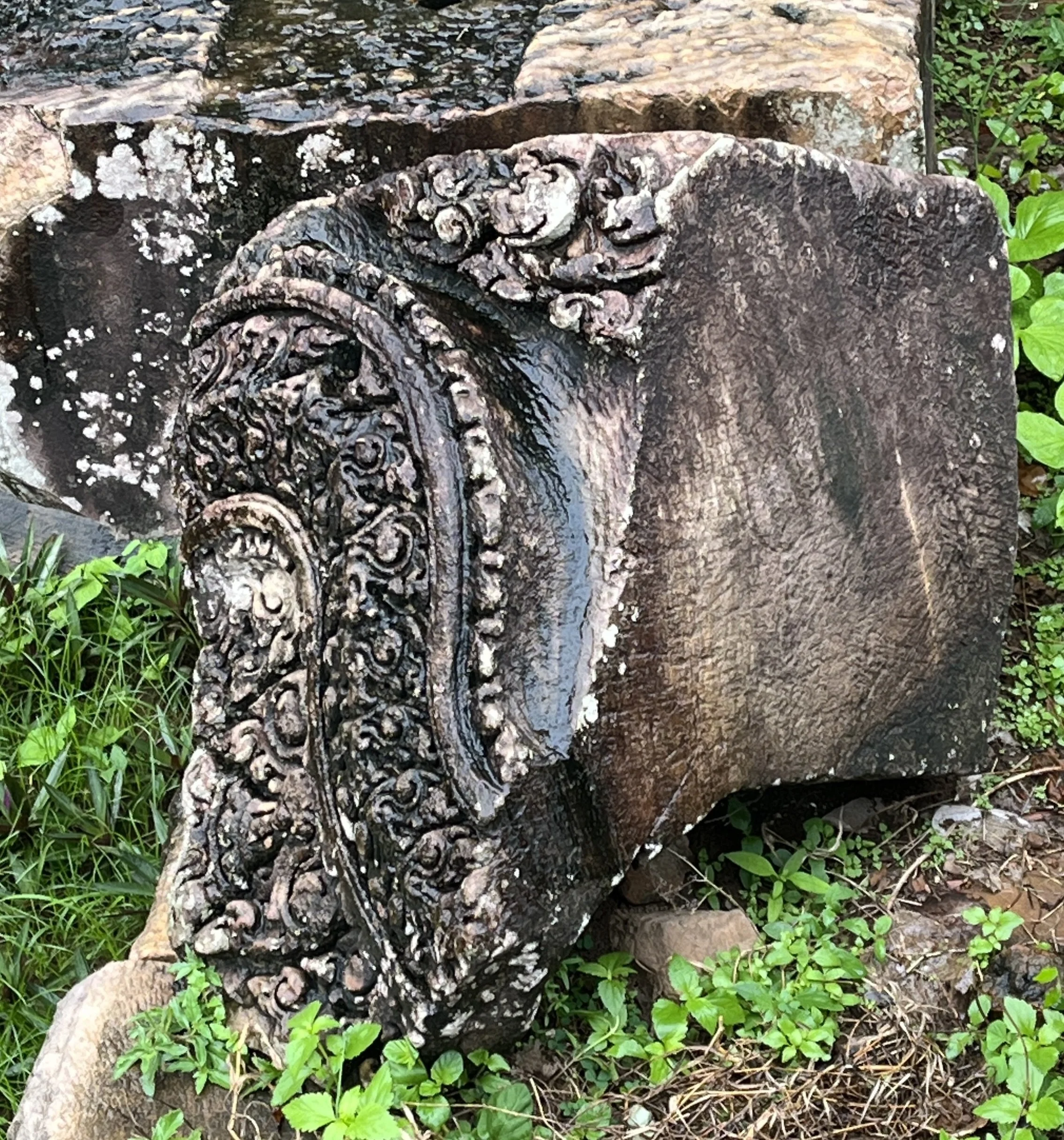
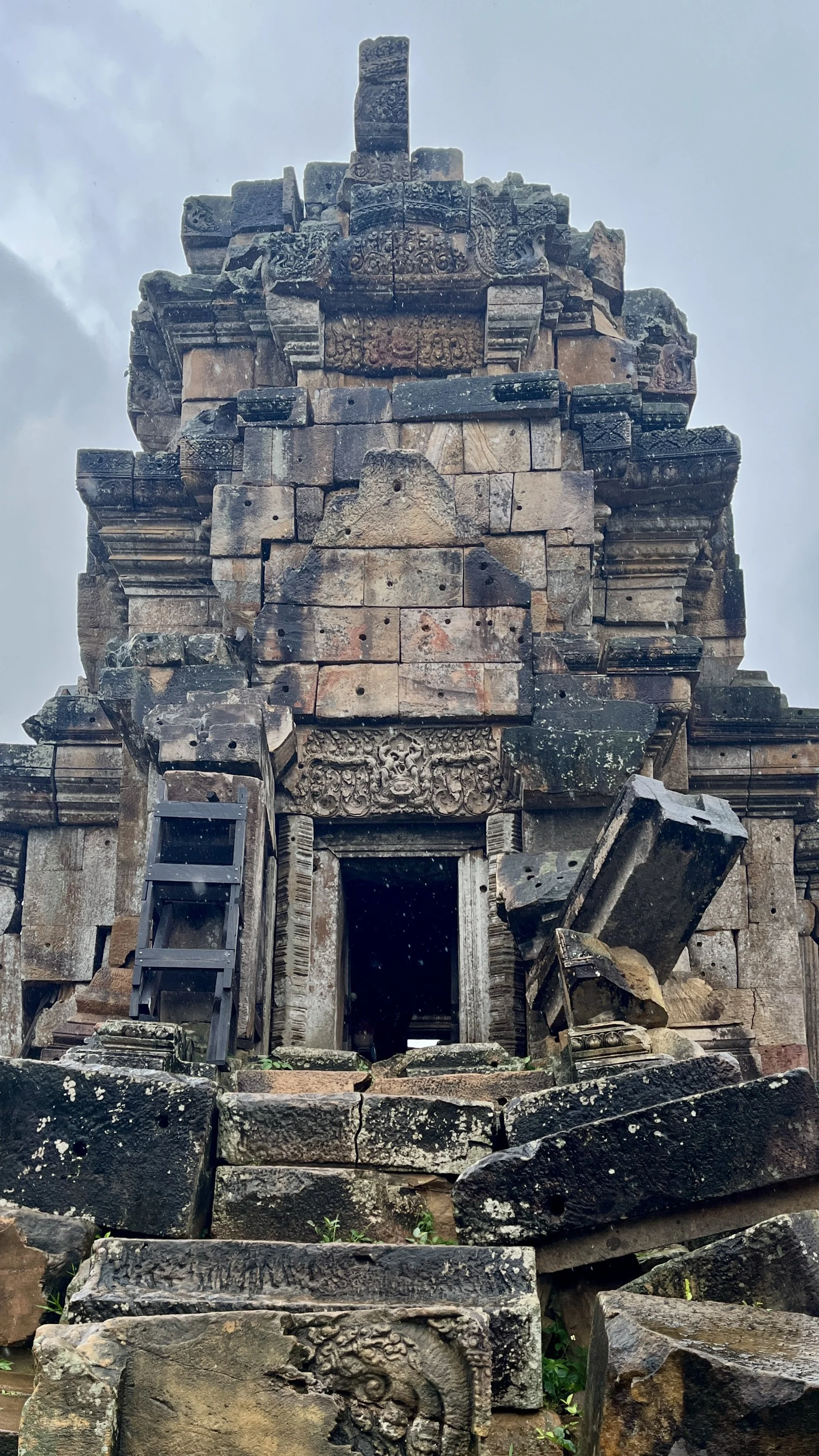
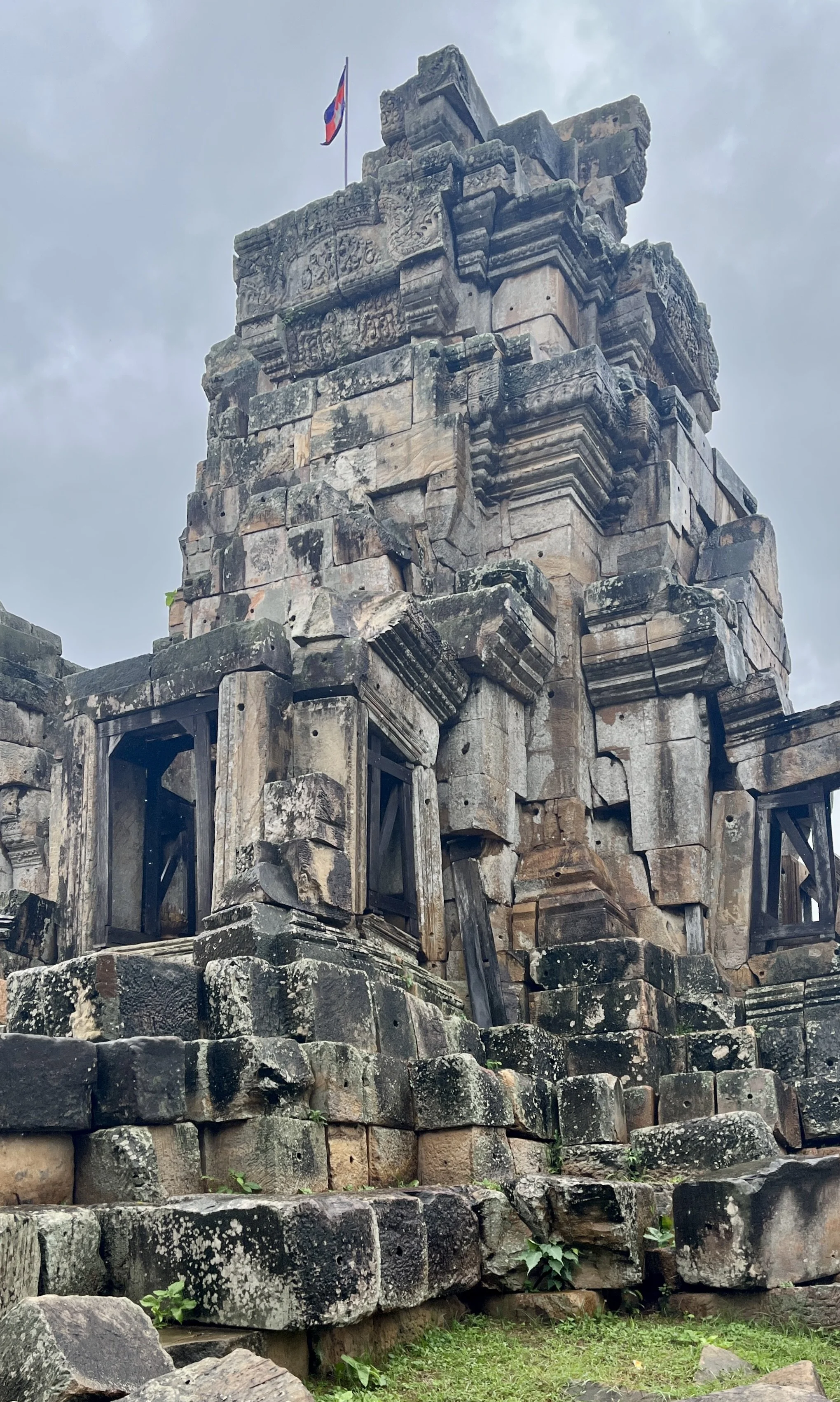
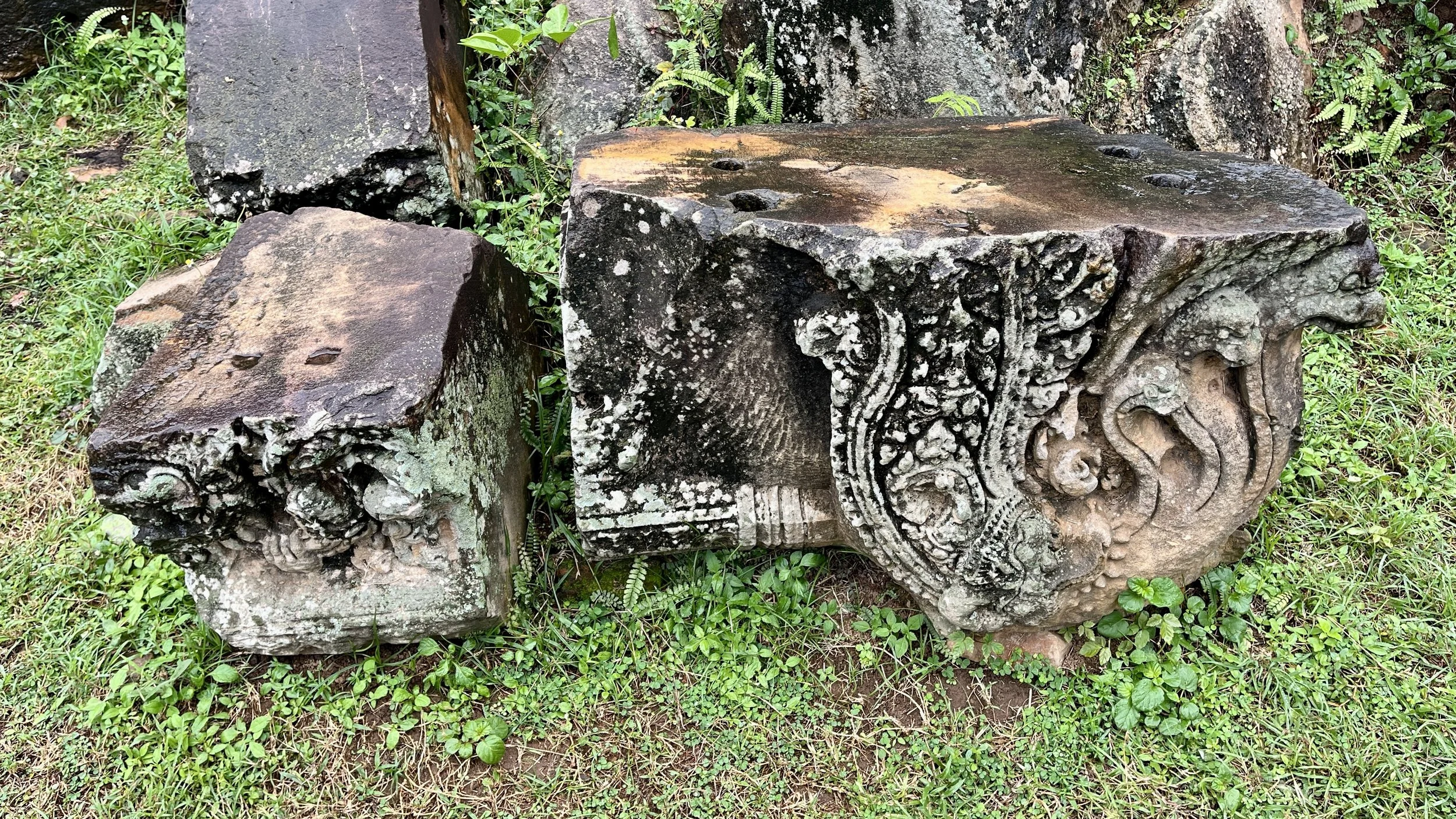
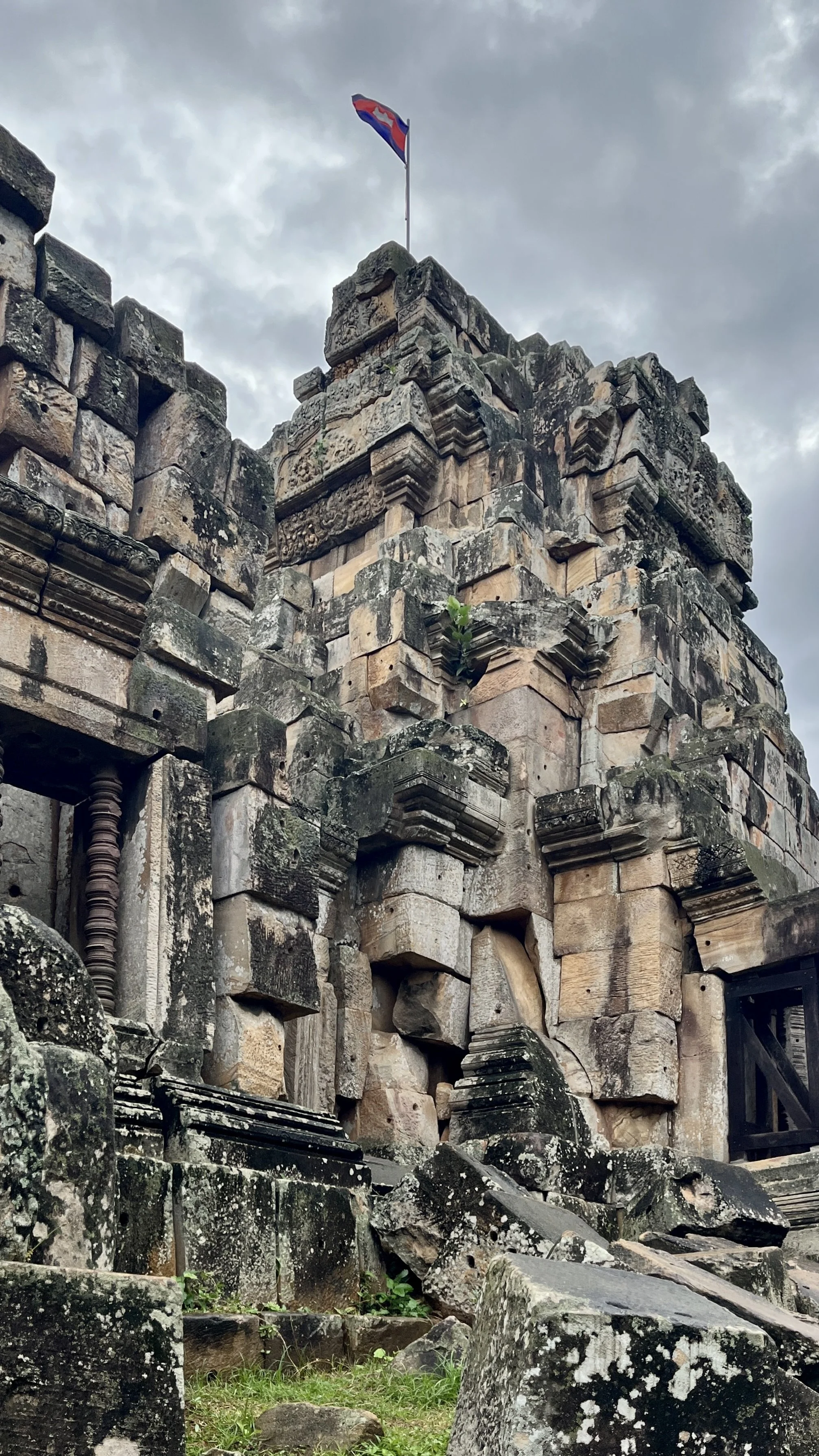
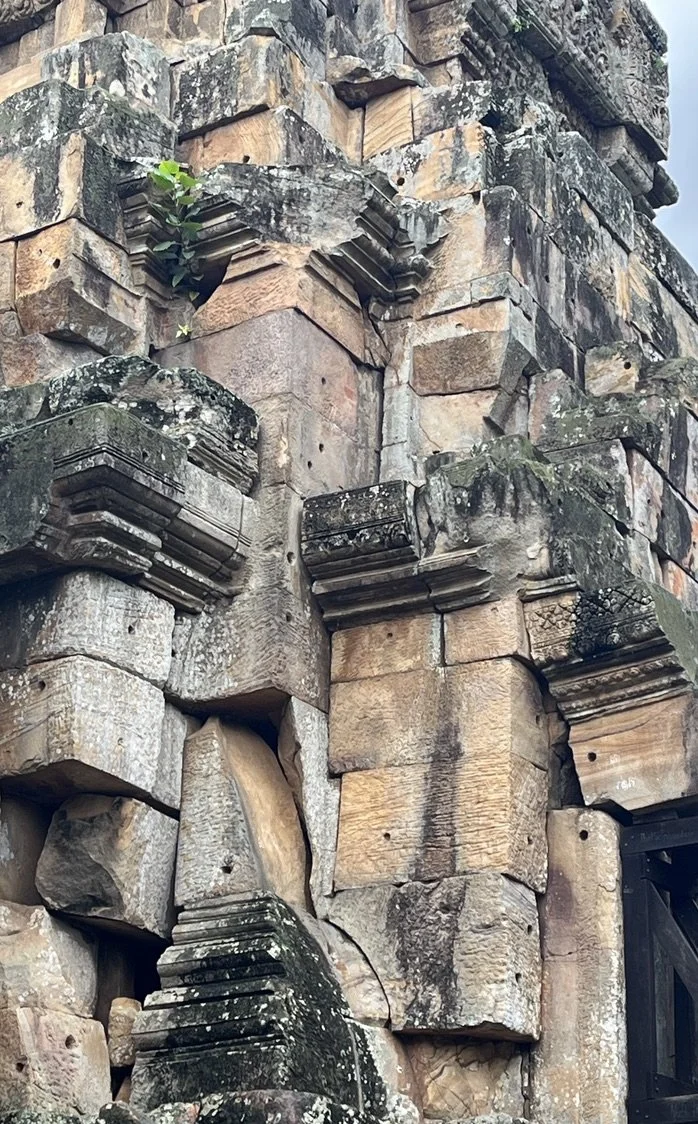
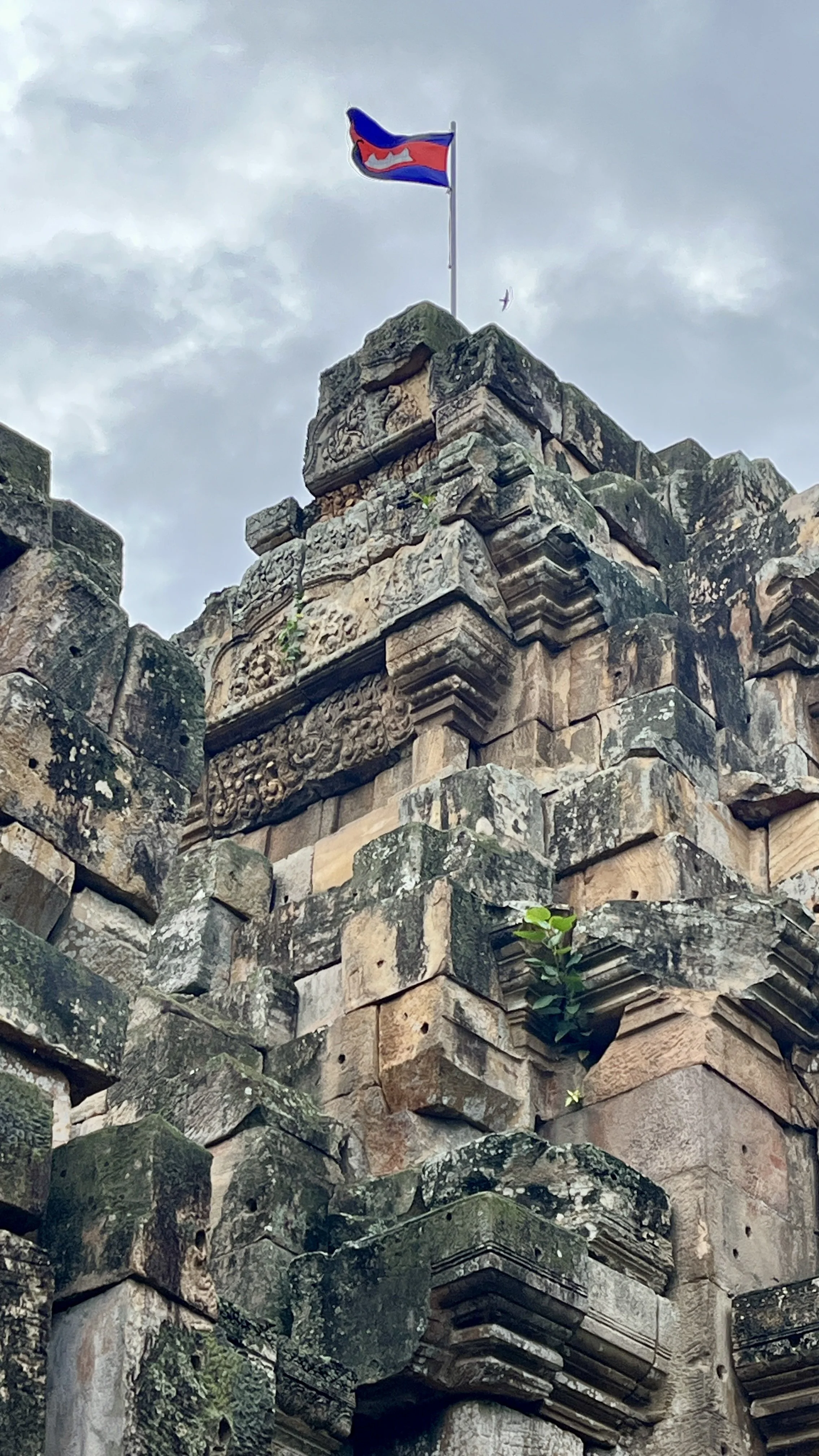
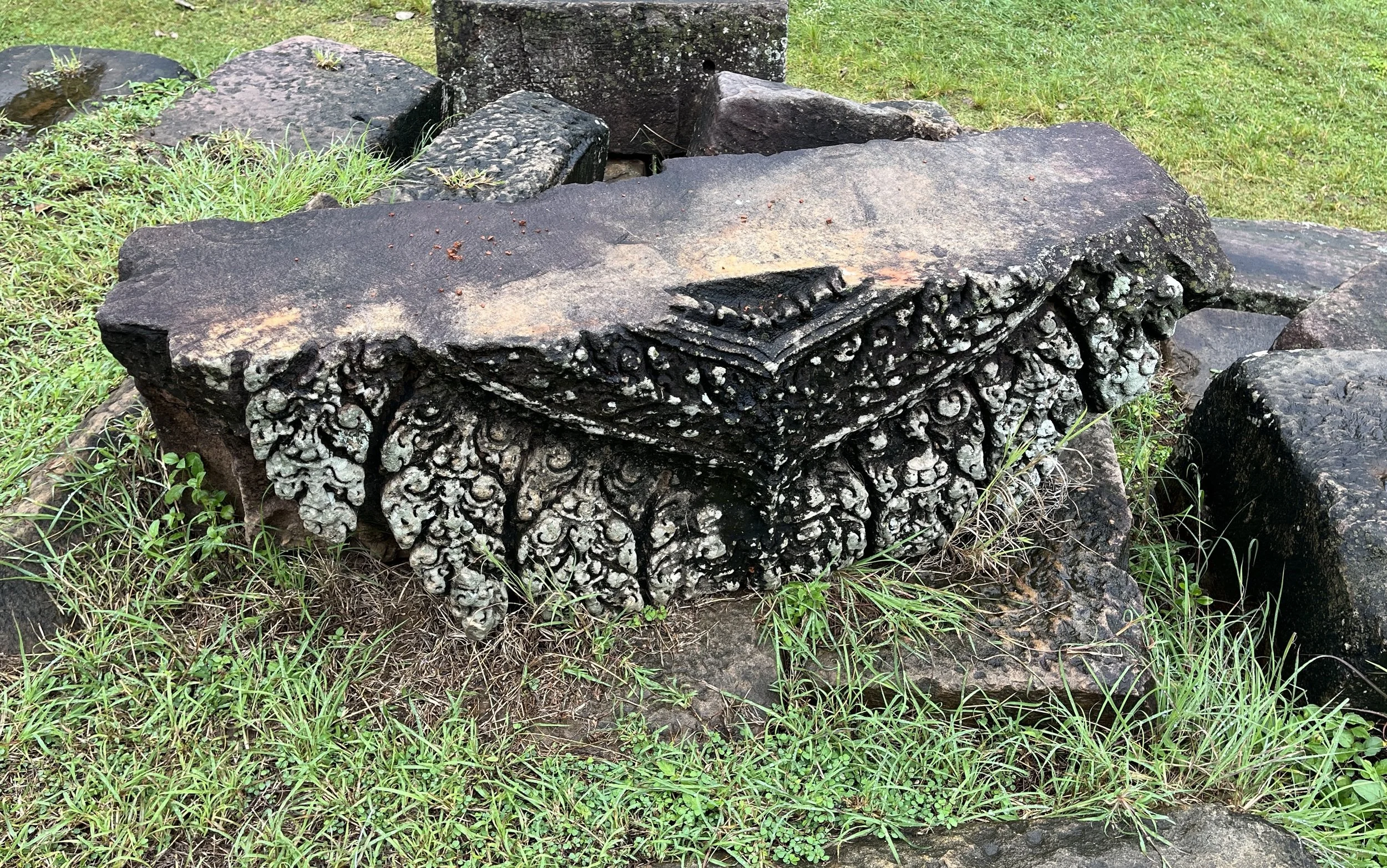
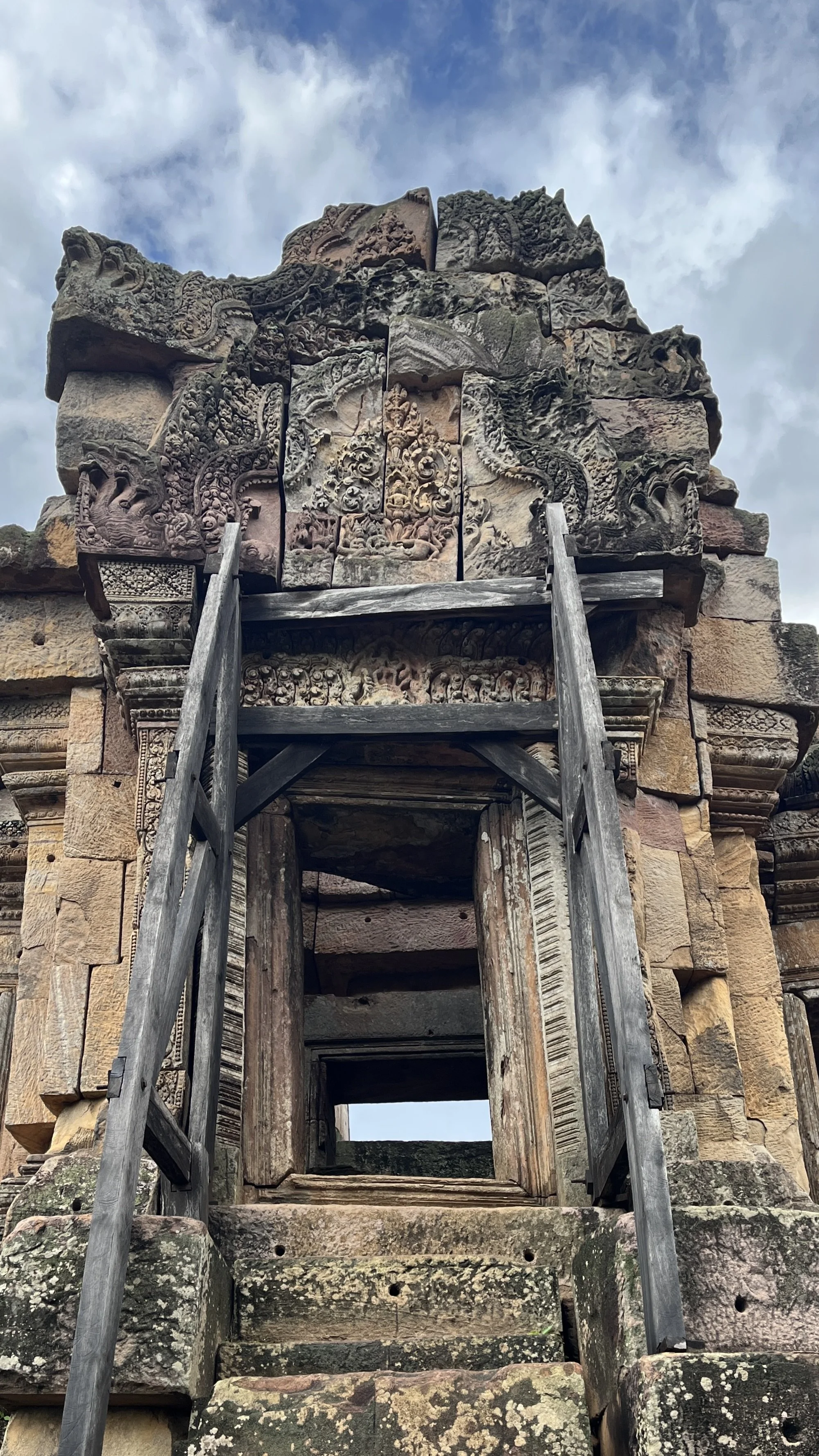
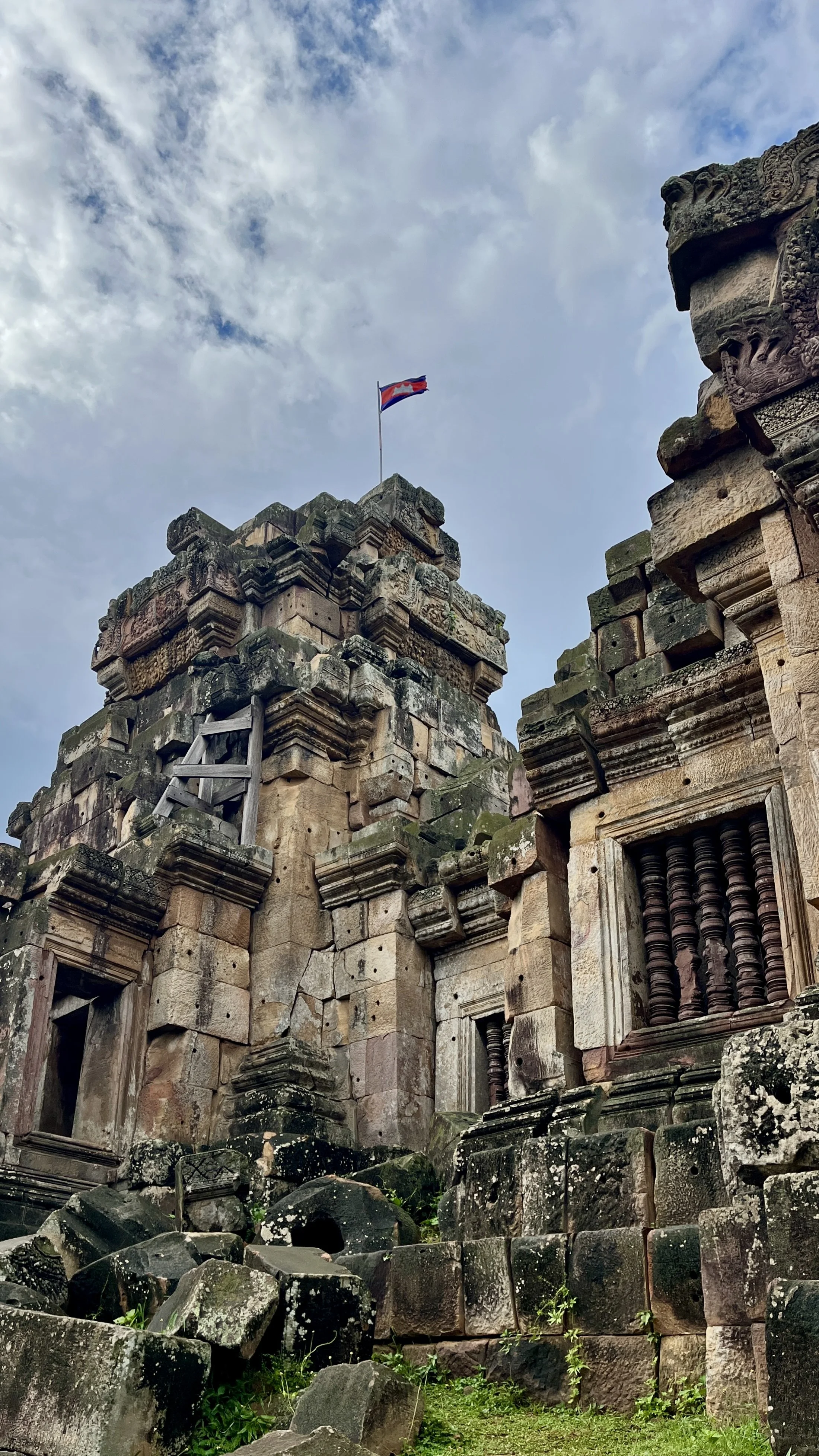
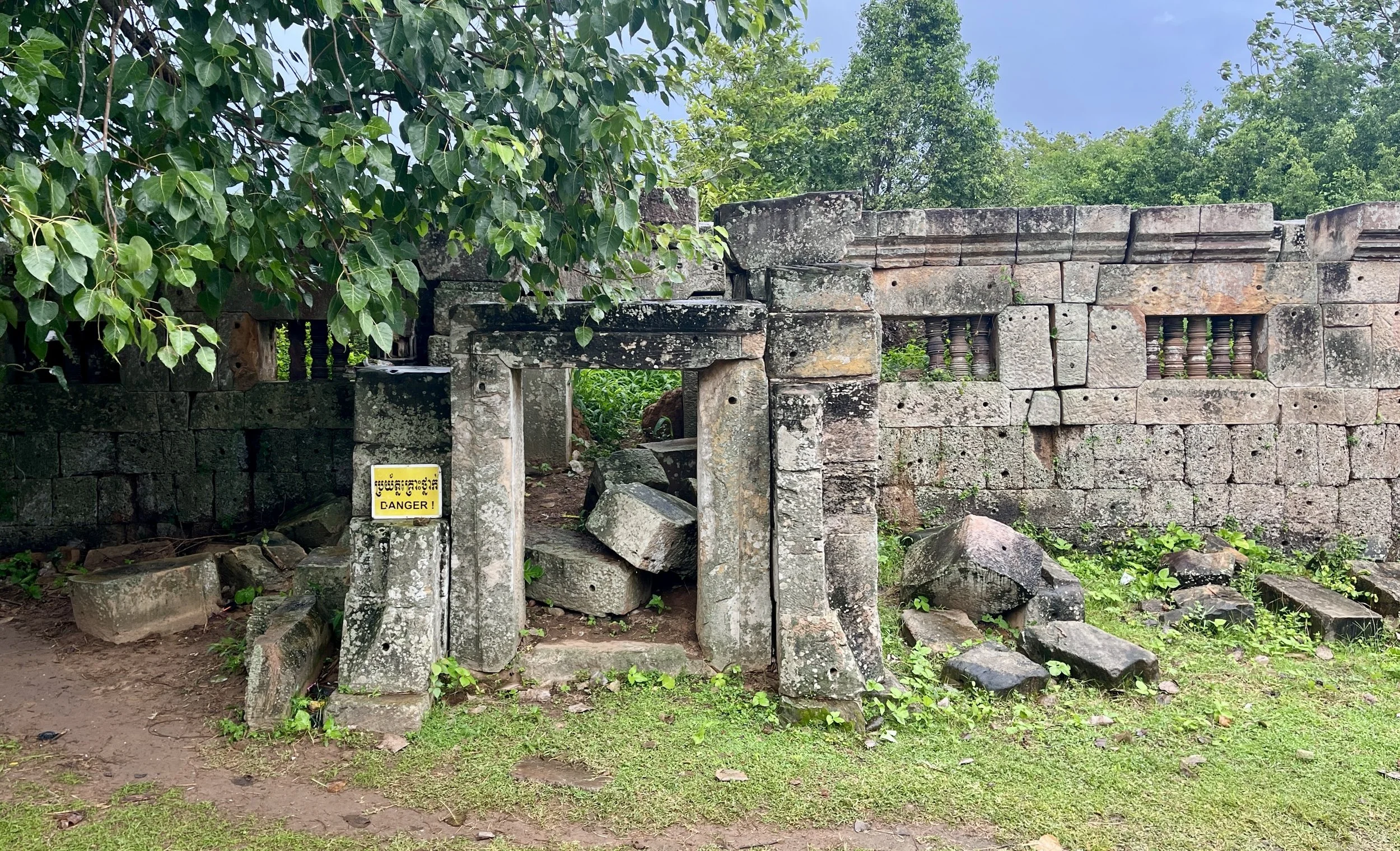
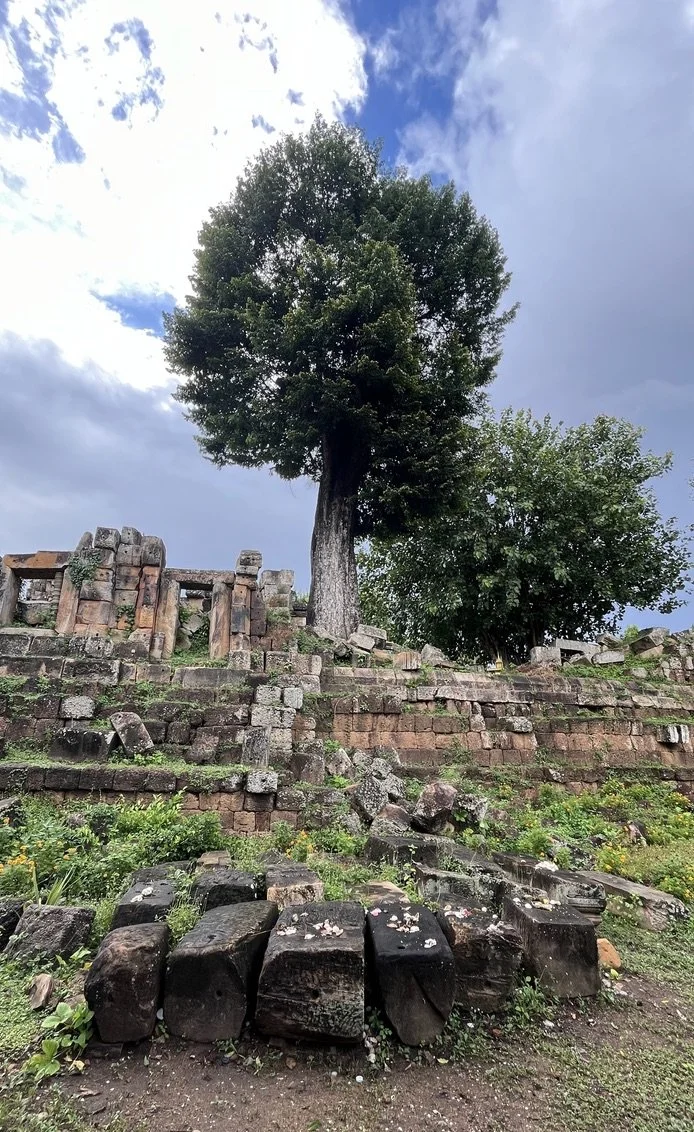
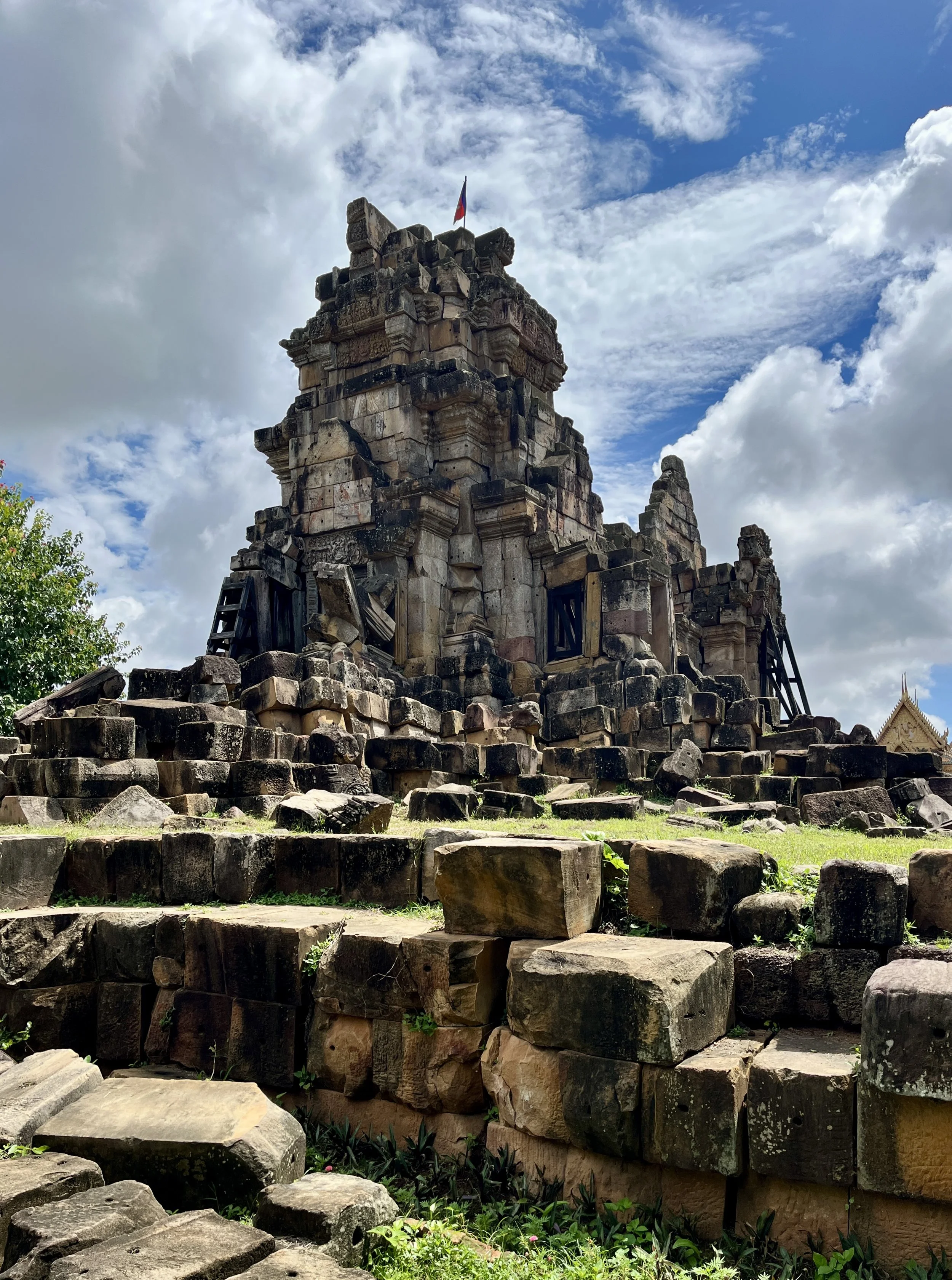
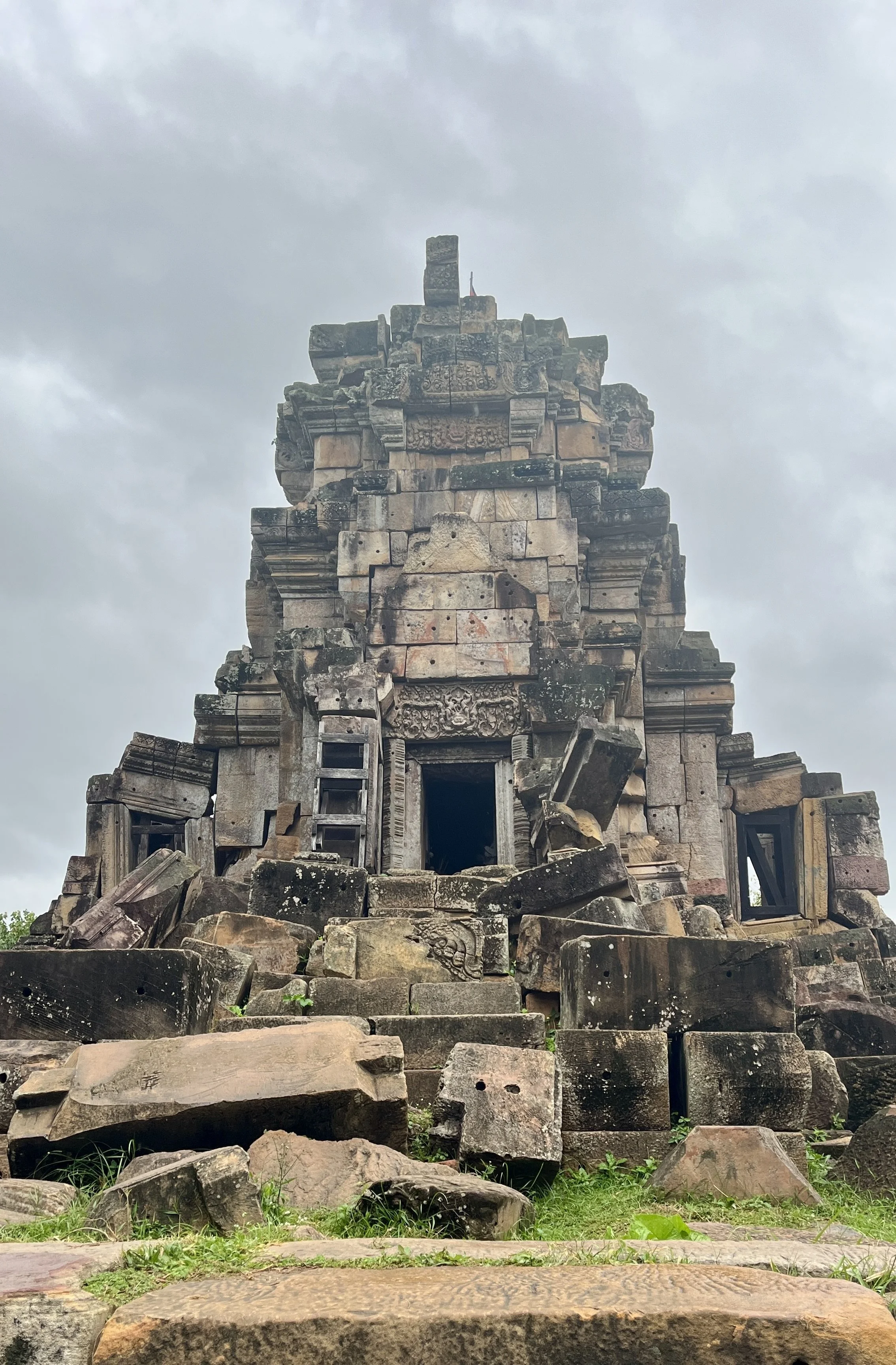
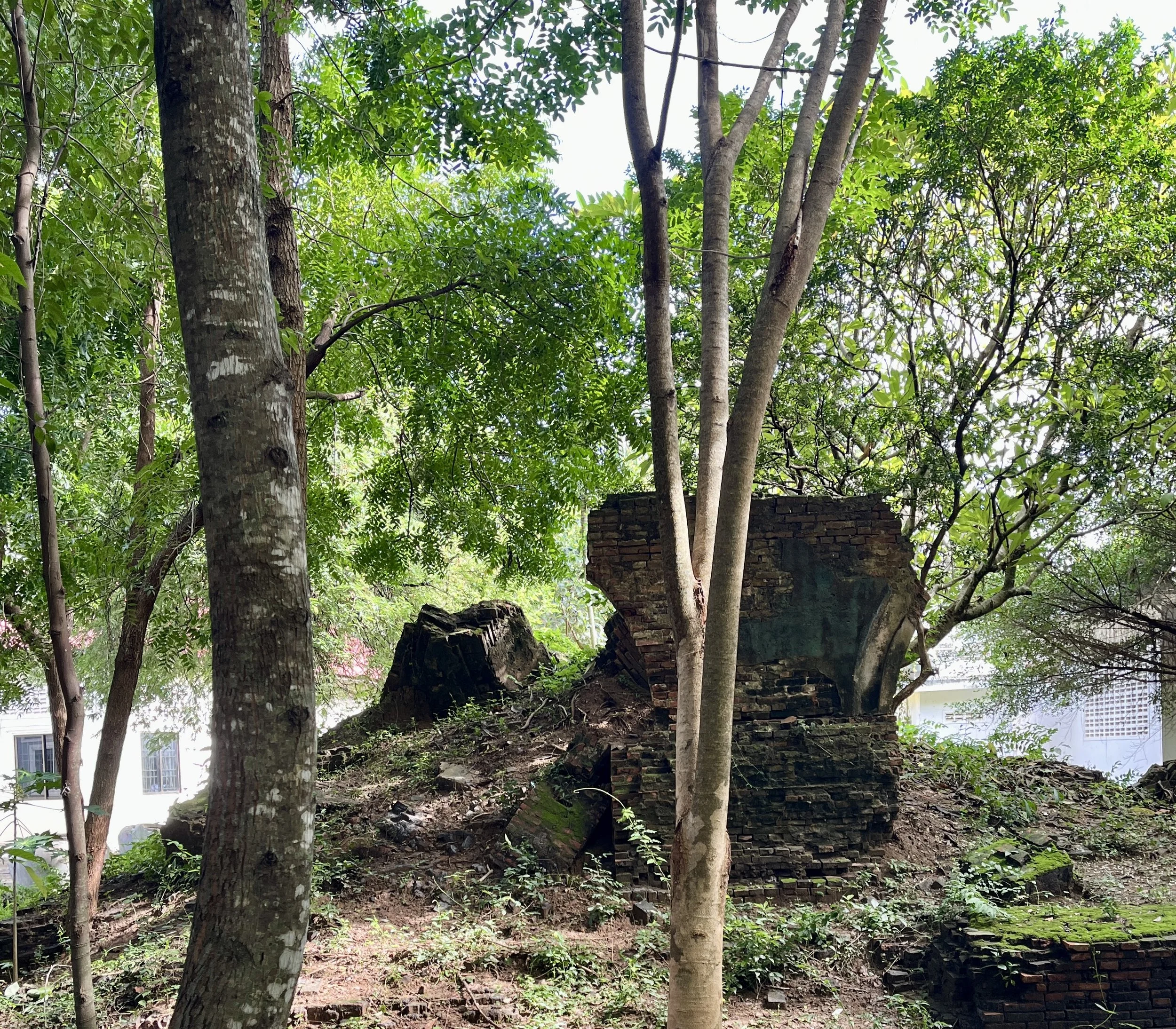
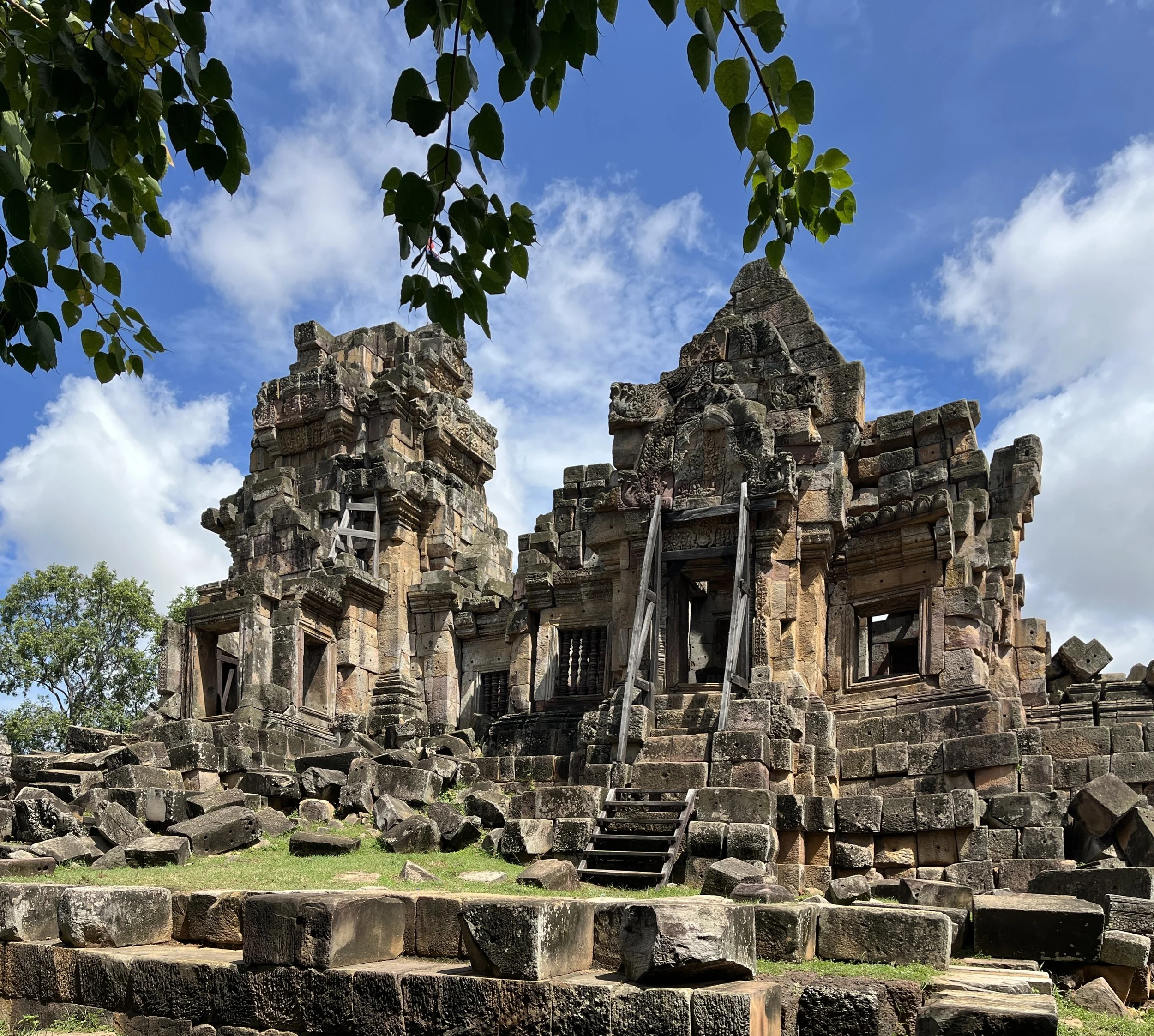
The ancient Hindu temple is believed to have been completed in either 1027 or 1029 by King Suryavarman I. As you can see, it’s wrecked.

I only have a handful of photos taken on a beautiful sunny day because the tour I was on covered literally every landmark in Battambang in a single very long day, and there was no time to get closer, climb up and inside etc.

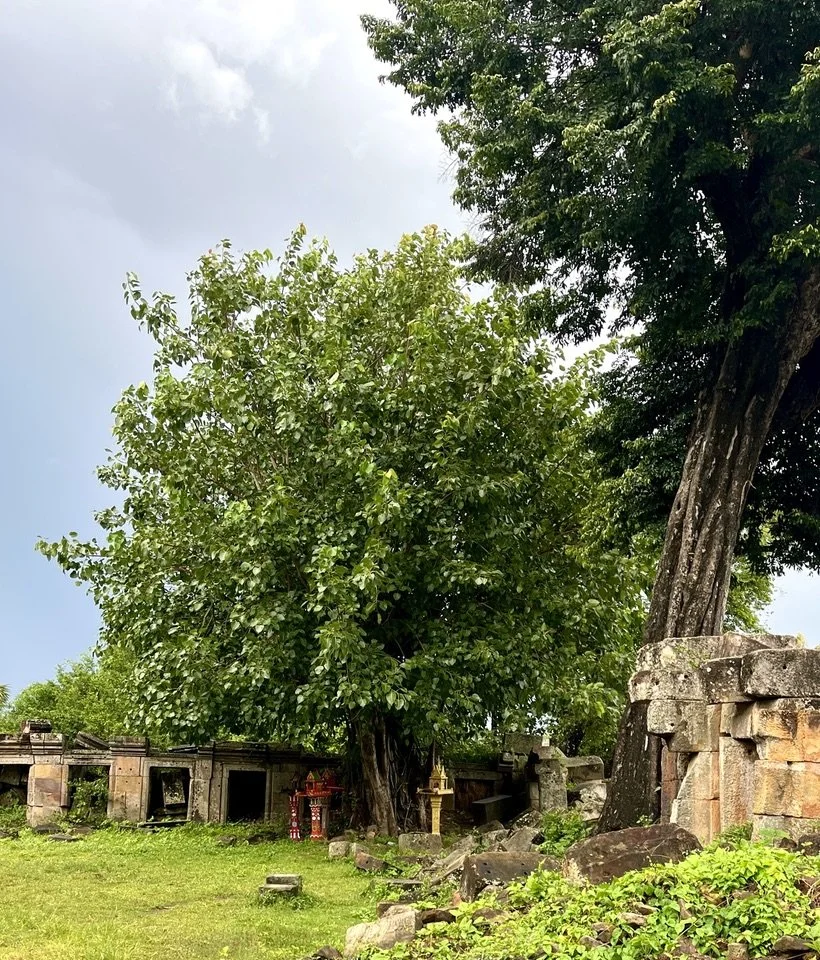
I wanted to see more and went back by myself, despite the weather being miserable for 2 weeks straight.
An accidental selfie taken while fumbling in the rain

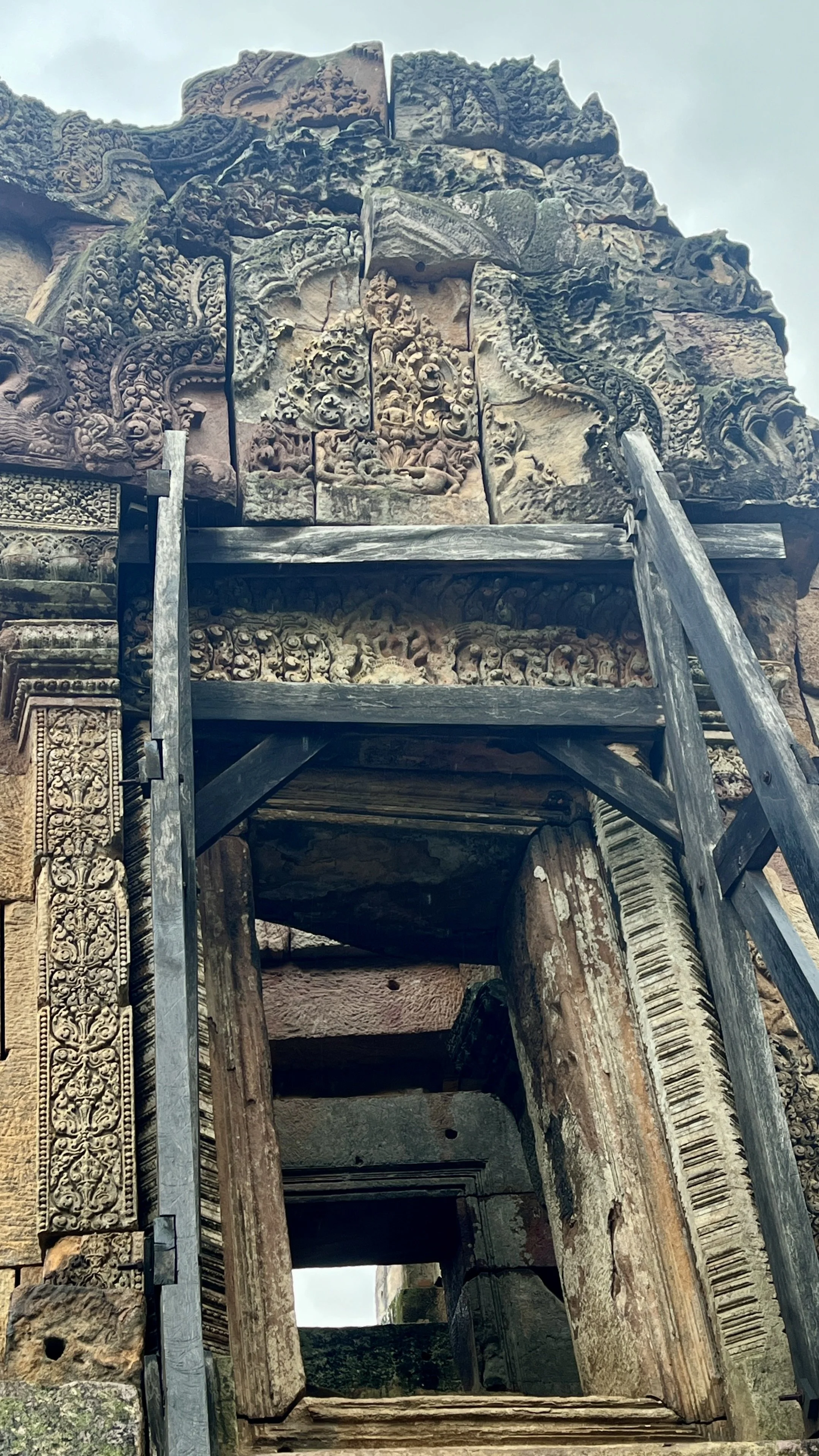
As the photos attest . . . it was probably not worth it. My phone camera couldn’t focus in the drizzle, there was not enough light, and I was a bit worried slipping and sliding on the completely unsecured stone with nary a handrail.
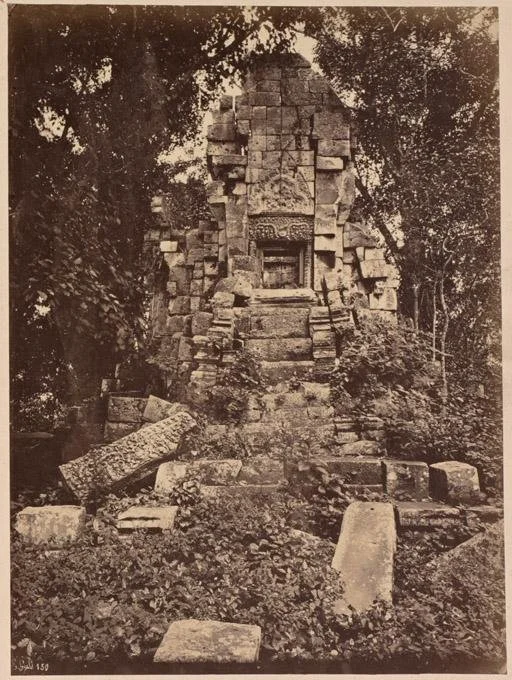
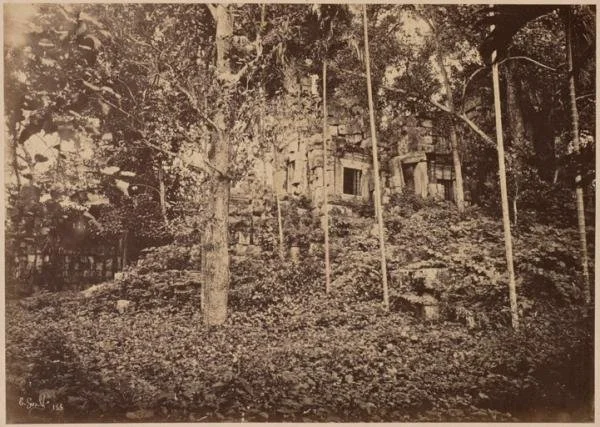
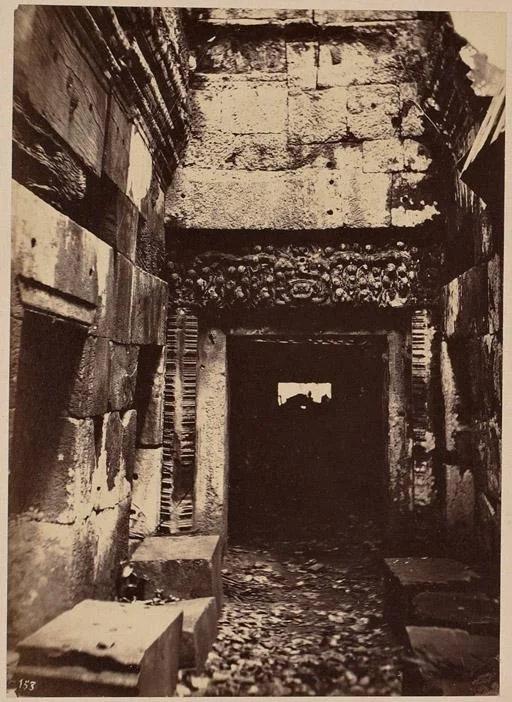
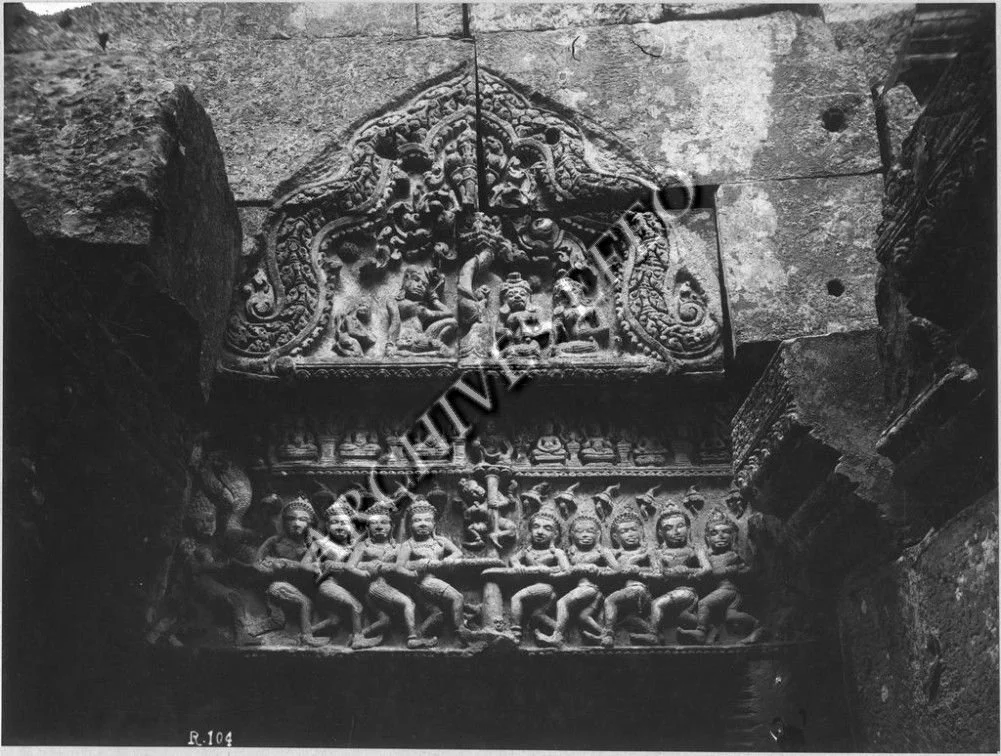
From what I can gather (and it was hard to gather anything online; perhaps there is more information available in person at the EFEO library, French National Archives, or similar), it was originally photographed by Émile Gsell in either 1866 or 1873, most likely 1873. These images are in the French National Archives.

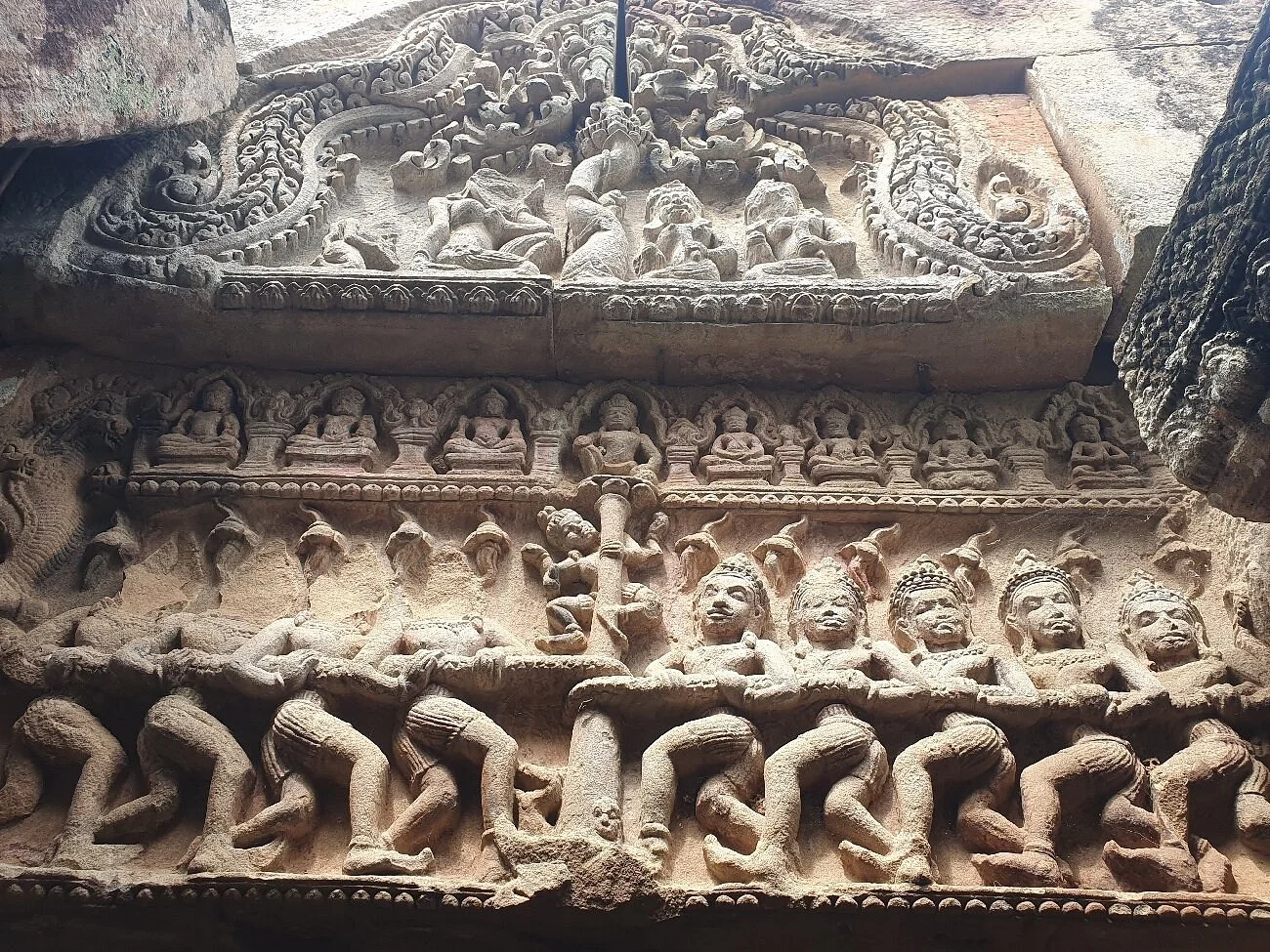
I’m much closer to the containing wall and further round the side, but this is the closest apples to apples shot I have showing the differences between 1866/73 and 2025.

Hard to say because many outer doorways have similar lintels, and were obviously lazily and incorrectly jumbled together from fallen stones rather than reassembled and restored properly, but I think this might be an apple to apples shot, based on the two square blocks sitting in the lower right corner.

I risked my ass to climb the rocks and go inside, only to find it packed by so many local families bringing their kids for Pchum Ben/hiding from the rain that I could barely walk through, forget take decent photos.

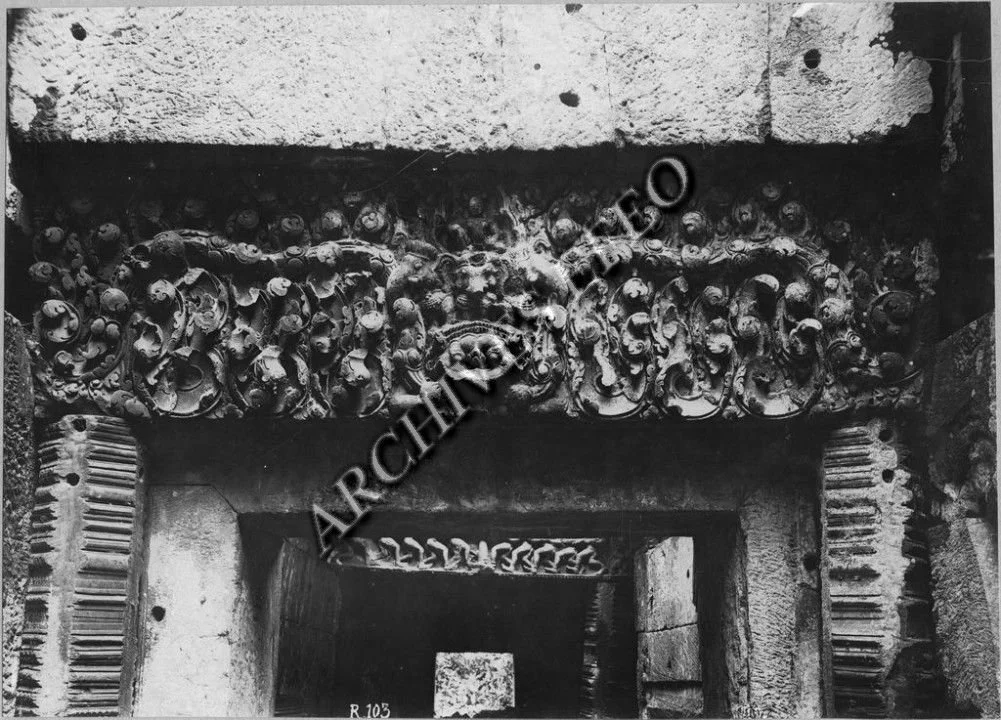
EFEO archives leave these photos undated, saying only they are from an anonymous Cambodian fonds. I learned something new going through them as well, which is that EFEO hand lettered photographs like this through the 1960s, so that alone is no determination of date.

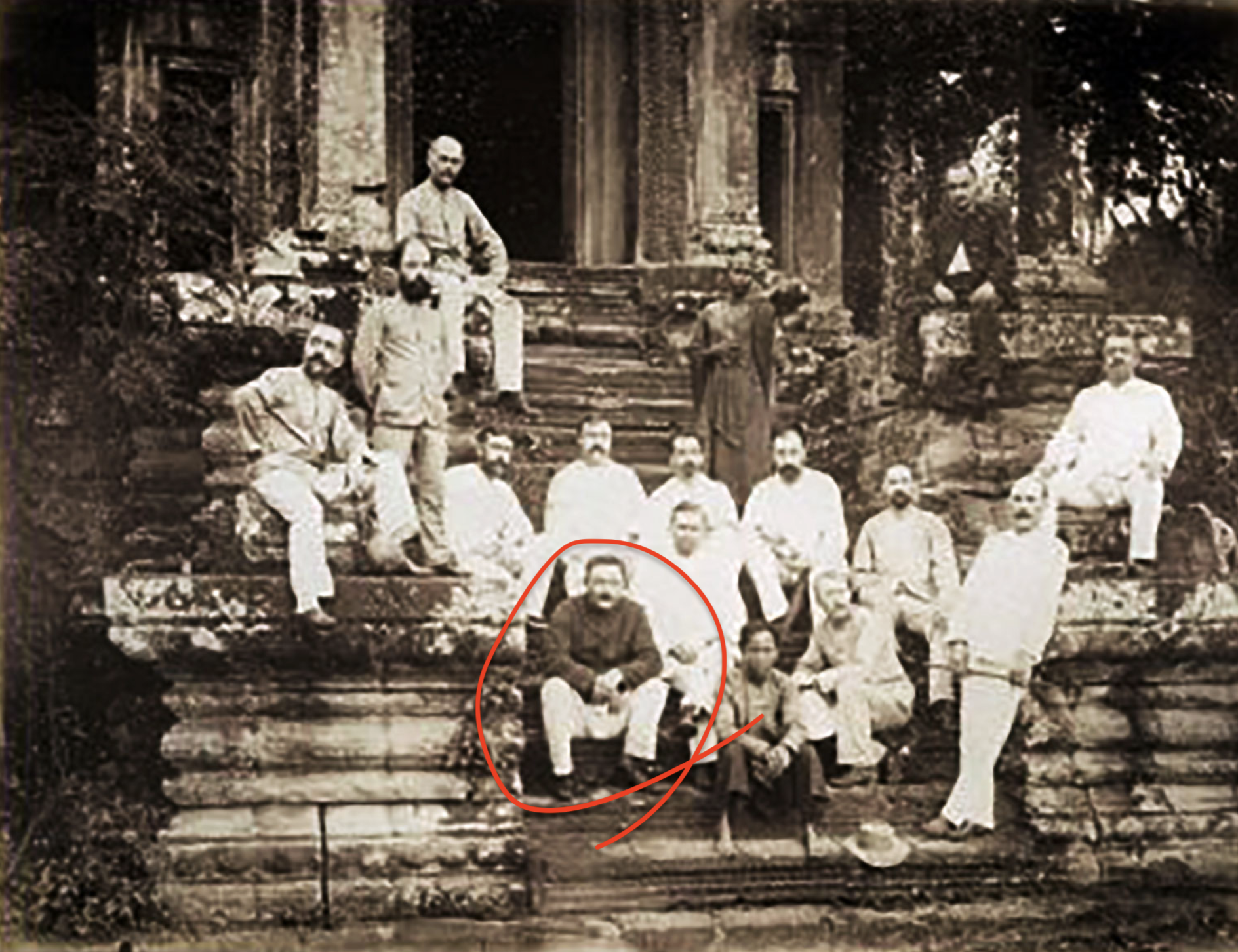
Perhaps because the Angkorian sites near Battambang are considered secondary to those of Angkor, I had to dig a little deeper to find colonial era photgraphs, and in the process learned the names of several seminal travel photographers, including Gsell, Agostini, and Thomson. The only one whose photos of Battambang I can find, Émile Gsell, is worth a post of his own; he was the first professional photographer to set up shop in French Indochina.

One of the only known images of Gsell, believed to be from 1873.

I also upped my search skills, accidentally discovering all the search terms I need to use to find old photos of this place– Wat Ek, Wat-ek, Wat Aek, Vat Ek, Wothec, Wothee. The Thai National Archives don’t appear to be available online as of yet, but I expect I’ll eventually be learning these homophones in Thai too.

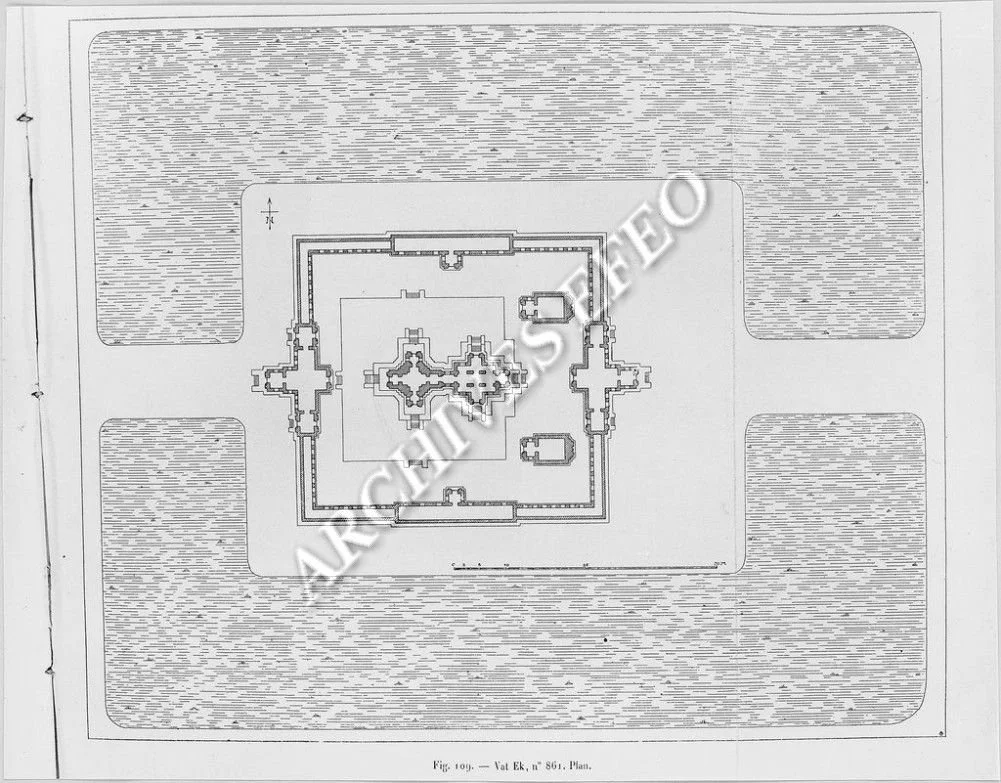
EFEO surveyed the site in October 1930, before the contemporary pagoda was built.

Surprisingly, given the clear cultural value of the carvings even as they remain today, just a few photos are available in the EFEO online photo library.

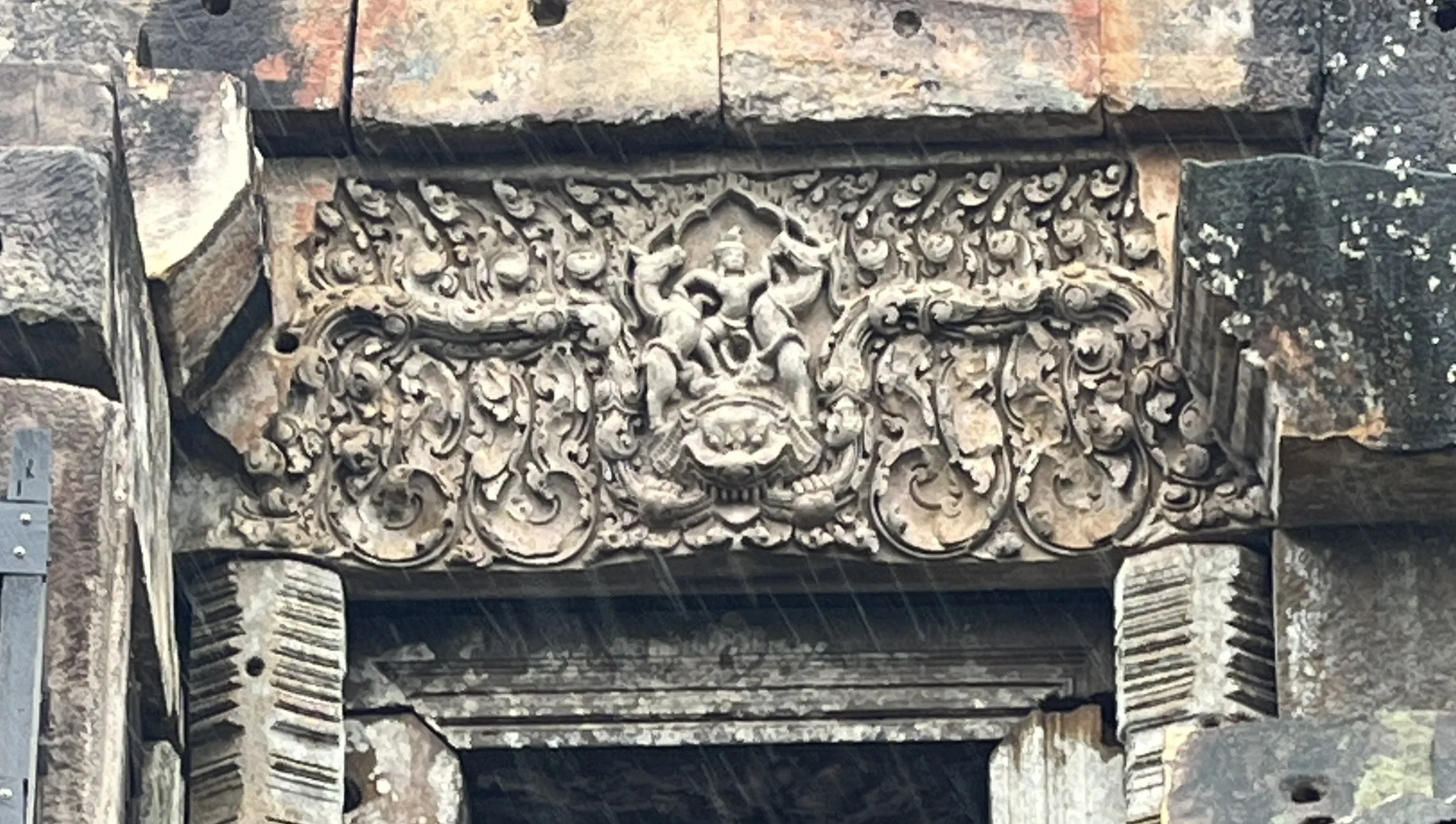
Another from Tripadvisor, showing what I believe to be the best remaining lintel and tympanum onsite. Half the heads are missing; they were likely looted to sell as decorative smalls. Dynamite Doug Latchford is known to have targeted Wat Ek, but as you can see at the very top left of the images, one of the figures had already been looted before EFEO was forced out of Cambodia in 1975.

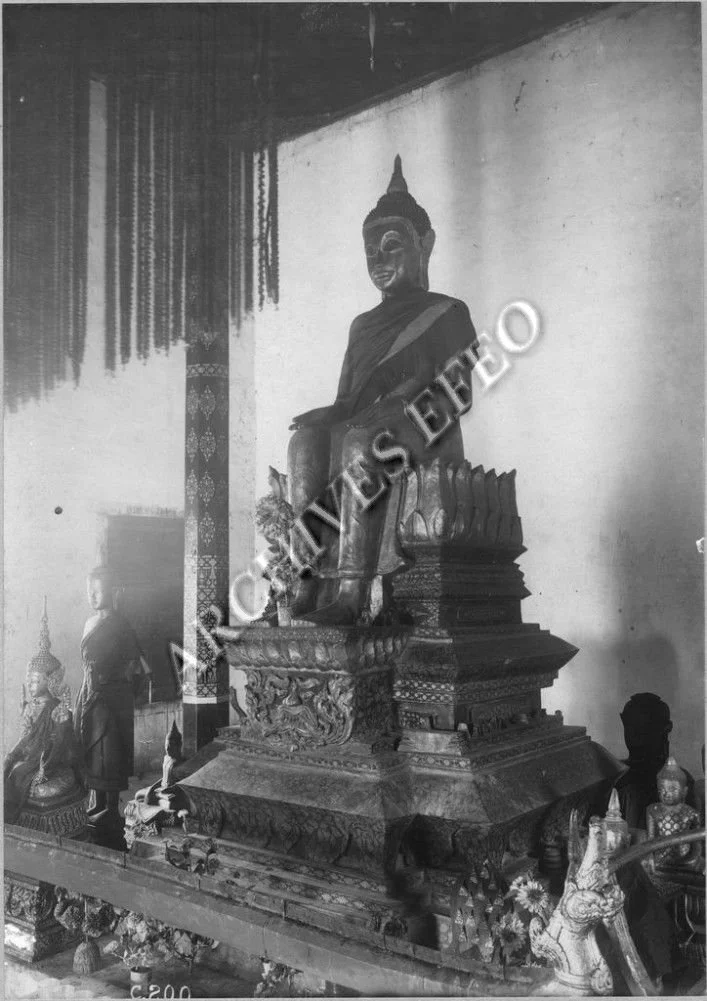
This Buddha is long gone.

If you can’t tell, this visit really got me thinking about Dynamite Doug. The knavery has so many twists and turns over such a long time, it would make a great novel. I’ve been watching everything about him and will rank all that media in a future post.

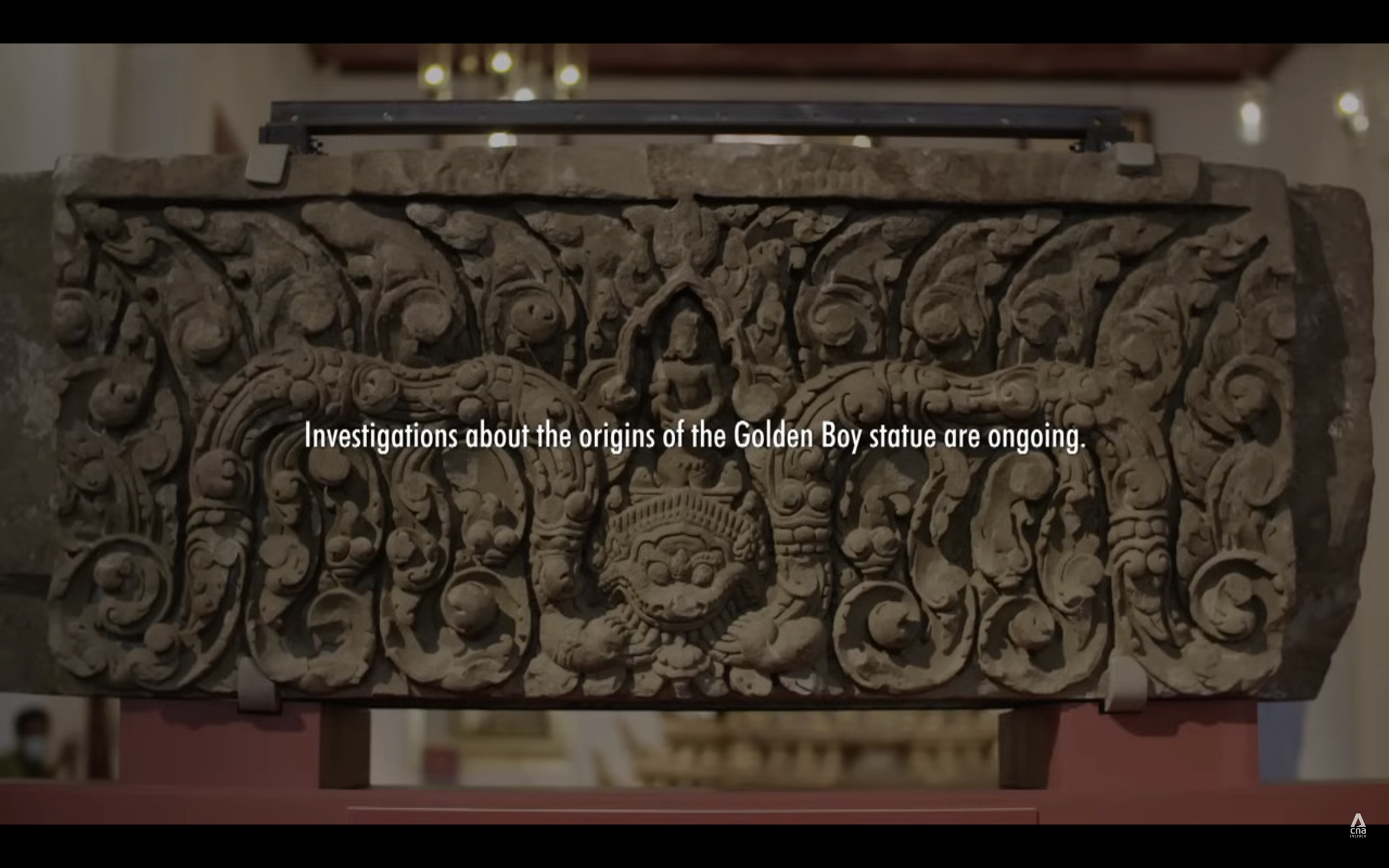
In one of the videos I watched about recovering looted Khmer art, the leader of the recovery process of looted Thai art, Dr. Tanongsak Hanwong, was gazing at this lintel, one of a pair on display at the Bangkok National Museum (2 years ago anyway) that I instantly recognized as from Wat Ek! Or maybe Wat Banan, judging from Gsell’s photos. Or maybe Banteay Srei? A formerly Khmer empire area in present day Thailand? According to the doctor they were from Prasat Nong Hong and Prasat Khao Lon, and eventually repatriated from the Asian Art Museum in San Francisco as such. This LA Times article tells the whole story well. Seeing how similar these various lintels look with my own eyes revealed to me the level of uncertainty and connoisseurship involved in the repatriation process.

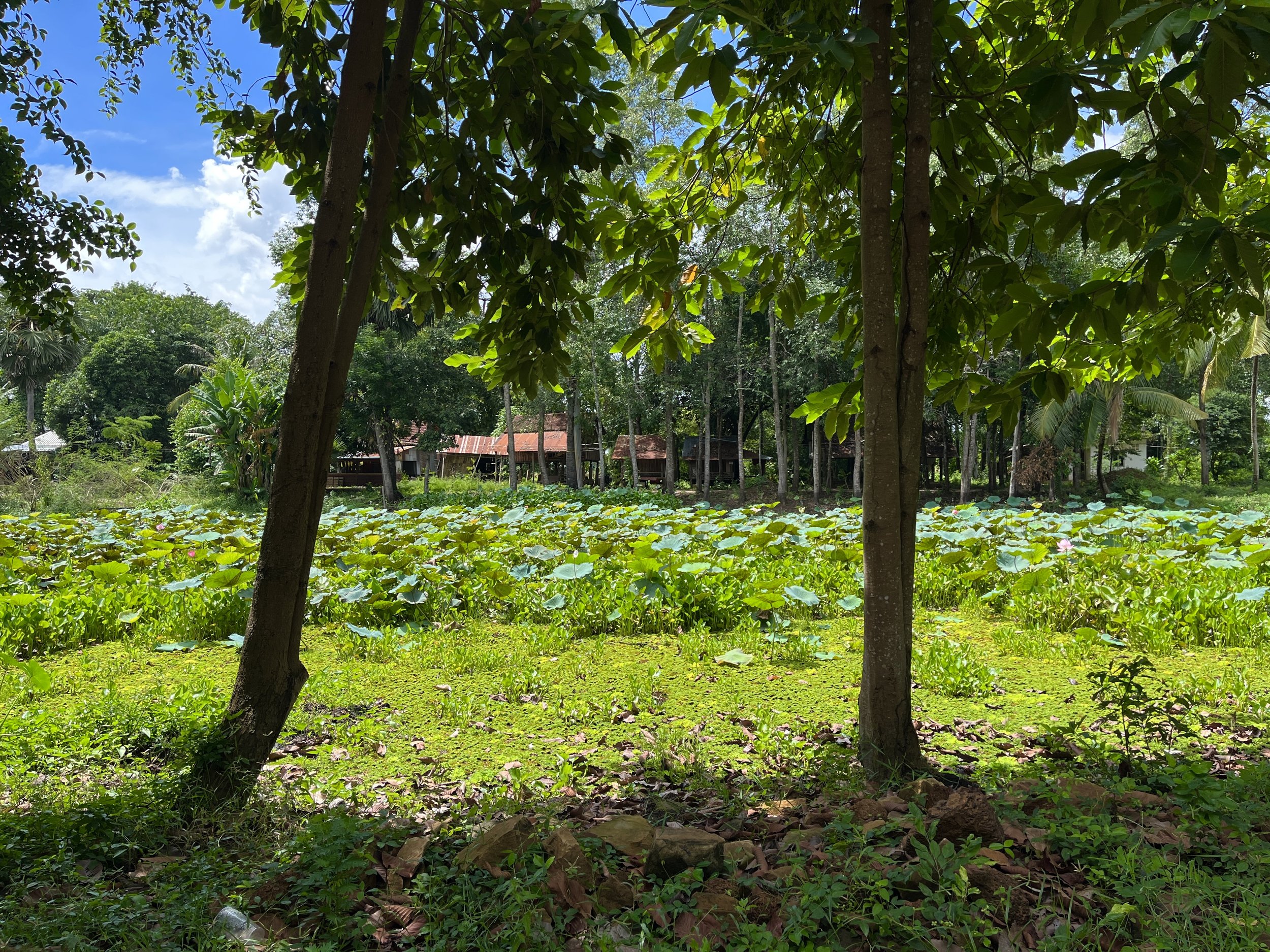
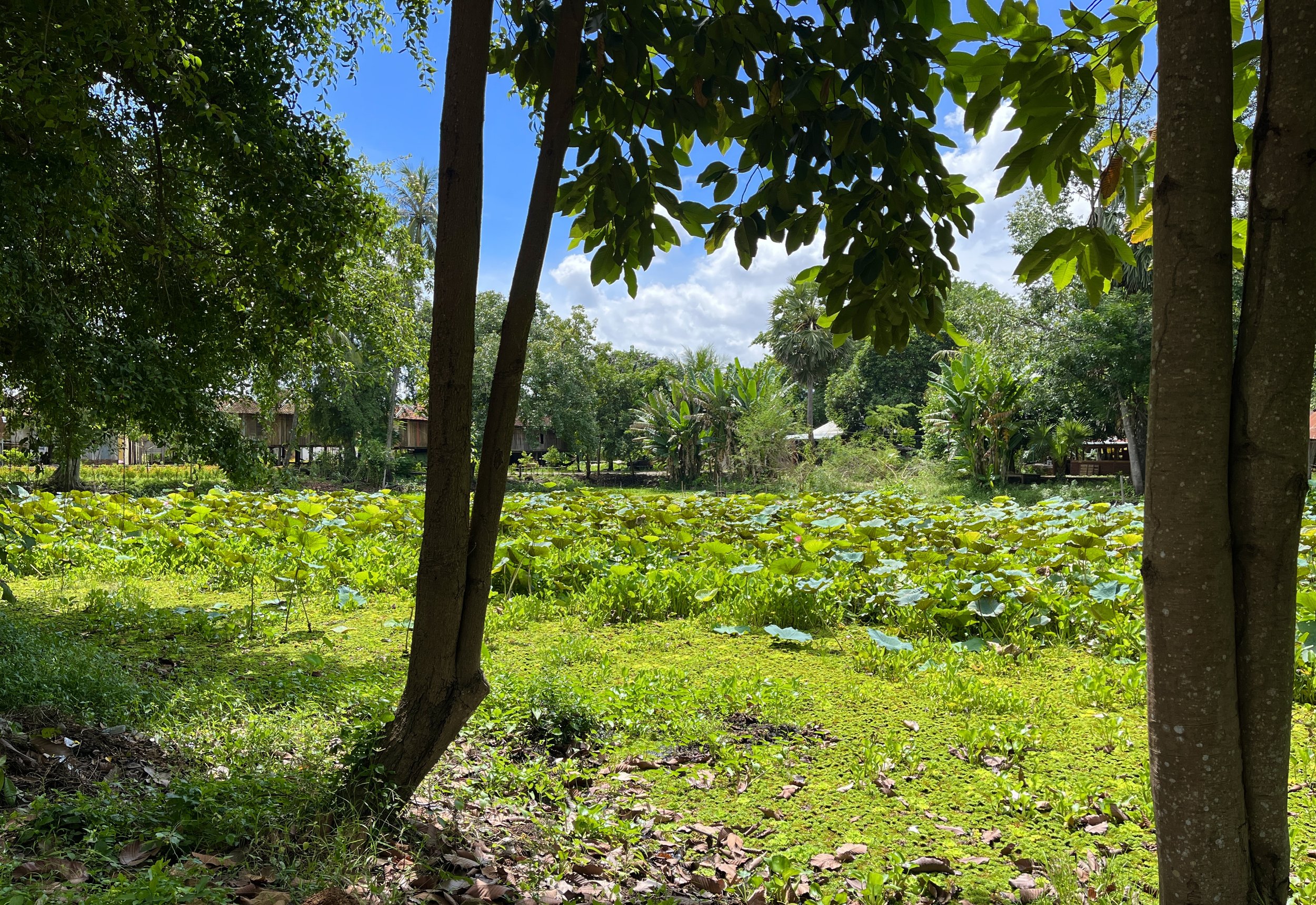
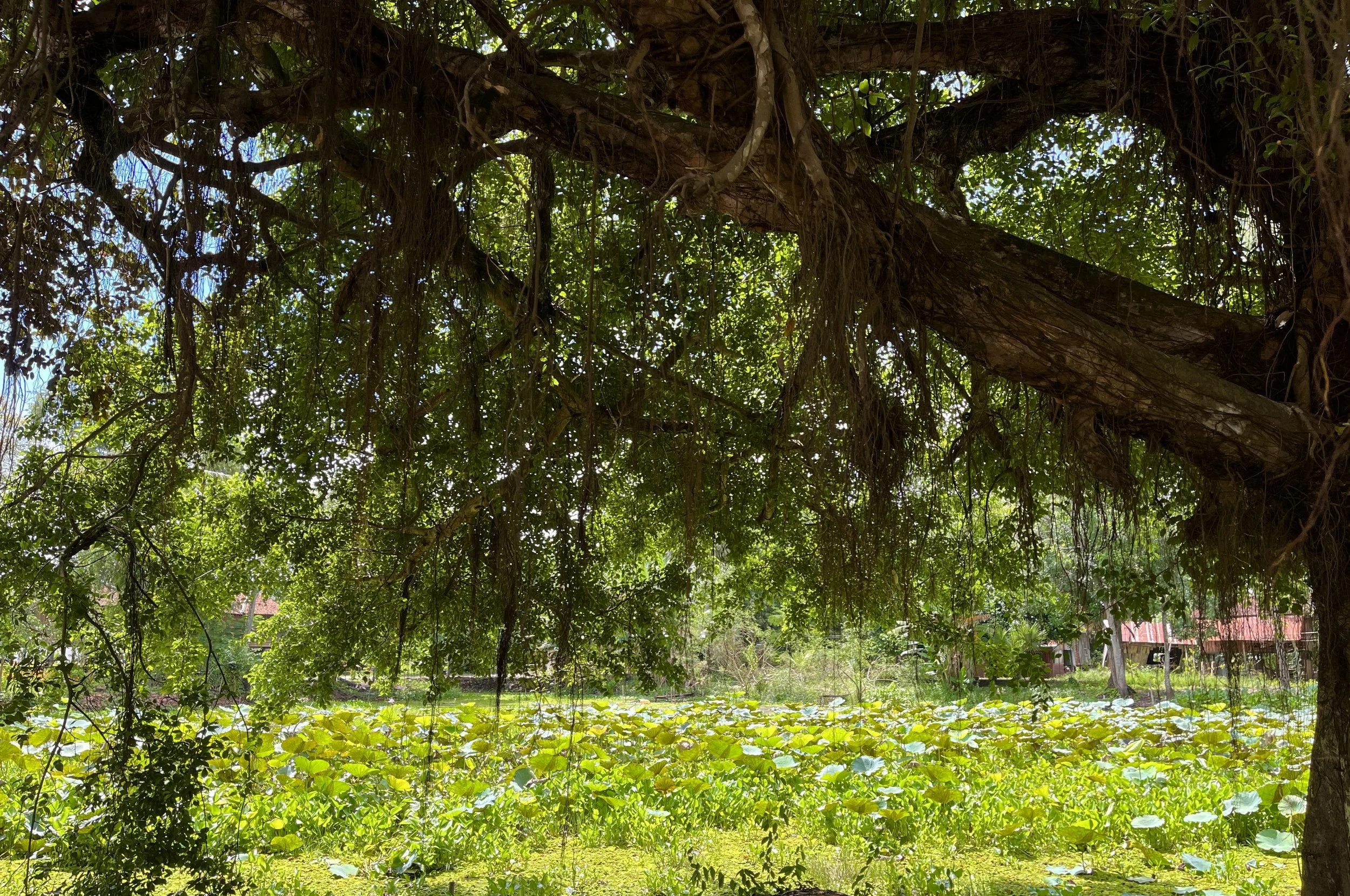
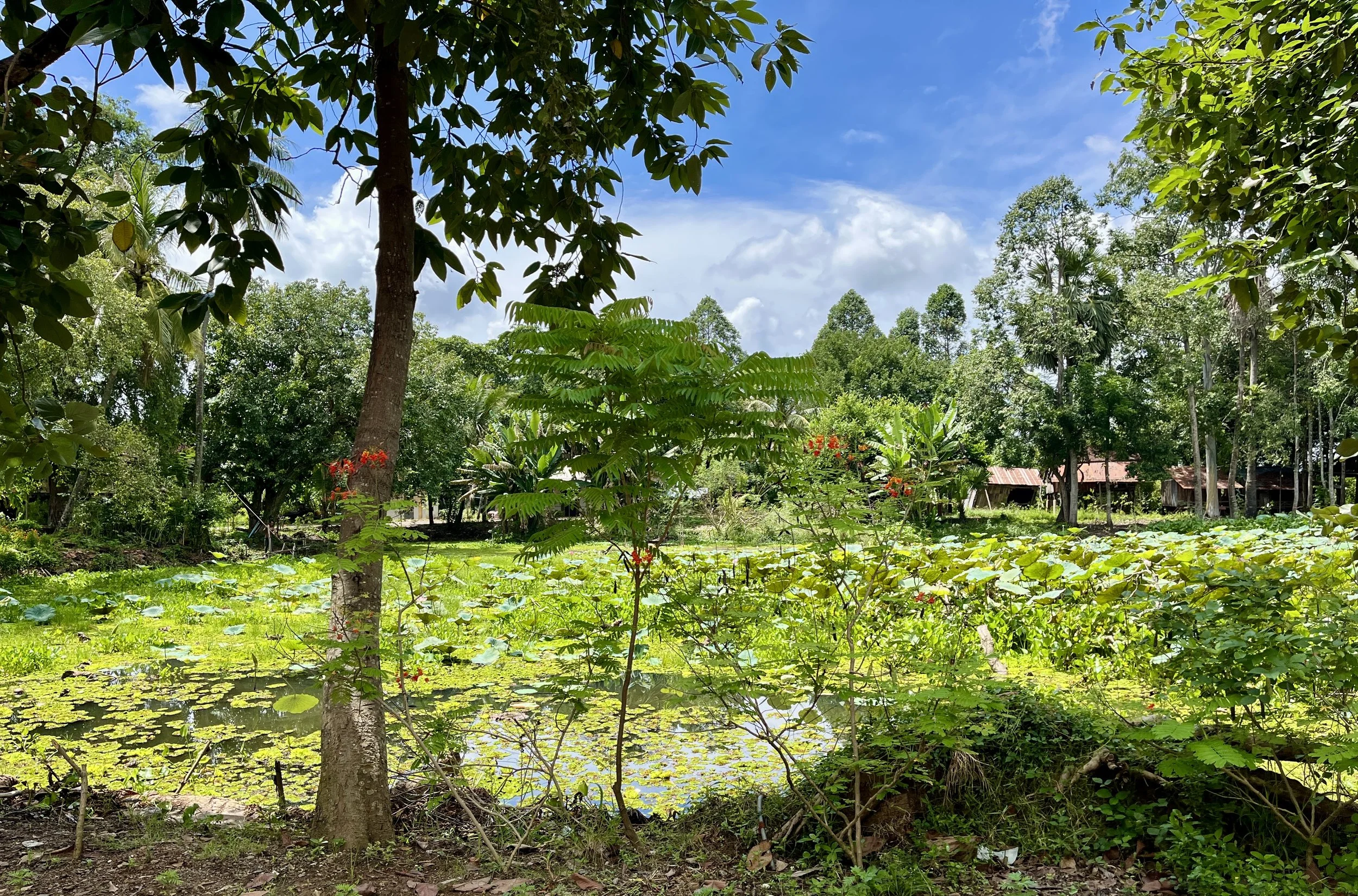
The old moat is still there, with some lilies.

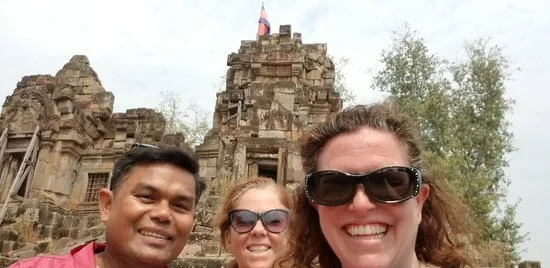
And for my final picture matching conspiracy about Wat Ek, look who I found when scanning TripAdvisor photos for my then and now comparisons . . . again, not totally sure of course, but 80-90% sure this is Princesses Beatrice and Eugenie . . . the teeth, the liplessness, the hairlines and haircolors, the oversized black plastic sunglasses, lol!

Wat Keseraram | Siem Reap, Cambodia

In Southeast Asia, I’m reminded all the time that dying for politics is dying for nothing. At Wat Keseram (some locals use the extra ‘ra’, others don’t; no one knows what’s right) I’m reminded again.

Built in the early 1970s as a well-equipped modern Buddhist temple and school, it has the largest collection of Buddhist folk paintings, finest woodwork, and loftiest hall among Siem Reap’s modern temples. Almost as soon as it opened, Pol Pot came to power and all religious worship was prohibited, all education banned.

Until 1979, old and senior monks were killed immediately, while young monks were forced into marriage or the military (any who resisted were also killed). Out of approximately 66,000 monks living at 4000 temples before the Khmer Rouge came to power, the regime claimed to have executed 26,000 by 1989, with a further 25,000 dying from starvation, exposure, overwork and illness during forced labor. The killing putatively stopped in 1979, but most monks were unable to return to their monasteries for another decade or more.

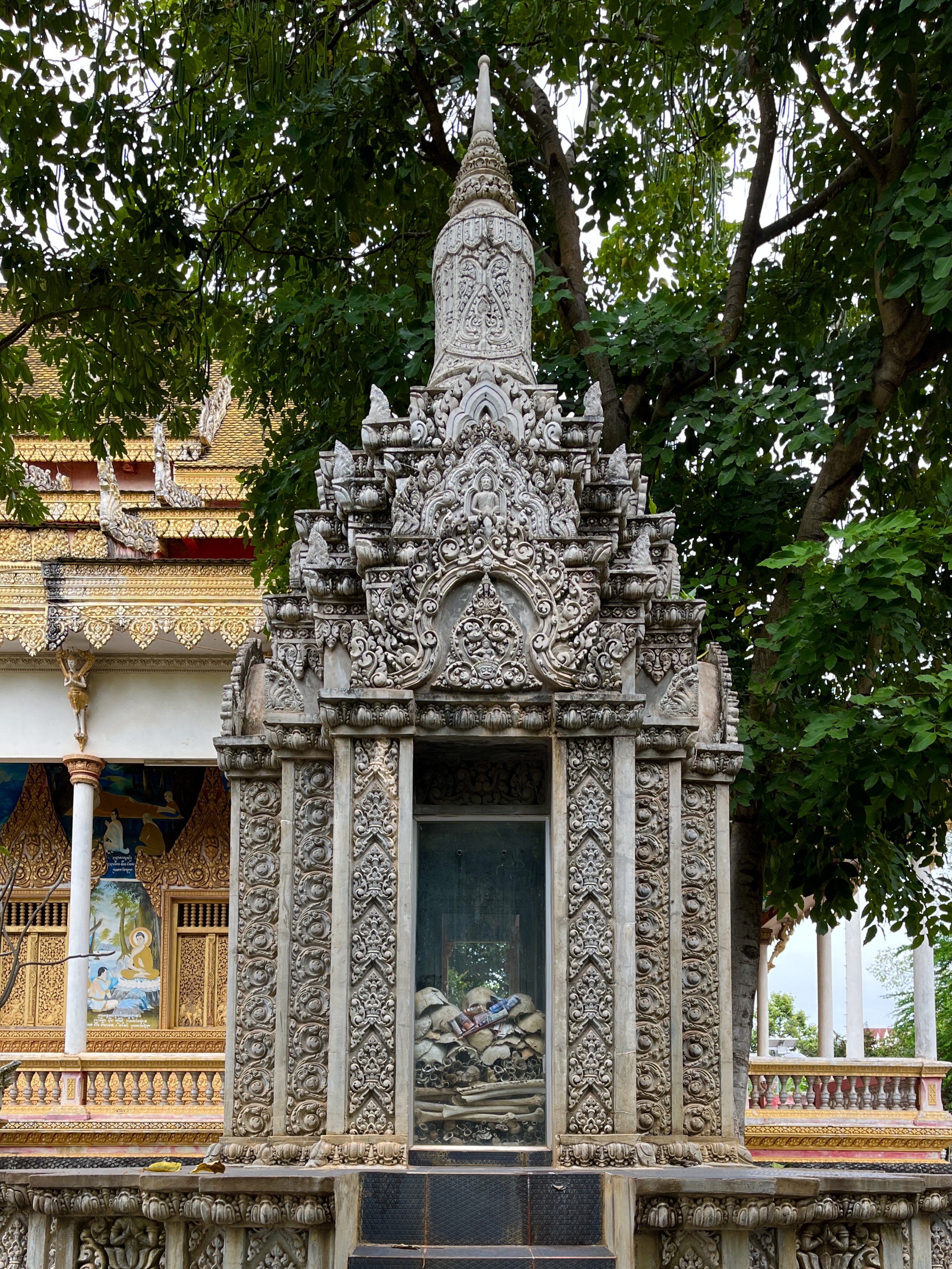
When monks returned to the Pagoda of Cornflower Petals, they found something disturbing: their school had been razed and replaced with a torture chamber. Even more disturbing, whenever they broke ground for a new stupa, they found bones of the tortured and executed were already there. For decades, they collected bones in a rough wooden spirit house, but by 2015 they had enough money to build a proud cement stupa.

Today, Wat Keseram is a busy meditation center and very active temple, and uses donations beyond what is necessary to maintain the monks to feed the pets abandoned here by those who can’t afford them.

Temple of Literature, Hanoi | Vietnam

templefinlitpillars1.jpg

The Temple of Literature (Vietnamese: Văn Miếu) is my favorite respite in Hanoi proper. Strolling through helps me forget the overwhelming noise, pollution and business outside, and I can easily spend a couple hours here relaxing.

templeflags2.jpg
templegate.jpg
templeflags.jpg
templefinentrance1.jpg
frontgate2.jpg

Founded as a Confucian temple in 1072, by 1076 Quốc Tử Giám University was built over an area just south of the temple, now taken up by 12 city blocks. The school/worship center was where civil servants were trained to serve the Lý dynasty.

The Confucian education system was inherited from the previous thousand years of Chinese occupation (111 BC to 980 AD) and therefore initially derived most of its content and structure from the Chinese system of educating mandarins.

Students generally studied for 3-7 years, learning classical Chinese, Chinese philosophy, Chinese history, and poetry composition. Among others, students read The Four Books (Tứ thư, 四書): "The Great Study" (Đại Học, 大學), "The Golden Means" (Trung Dung, 中庸), "The Analects" (Luận Ngữ, 論語) and "Mencius" (Mạnh Tử, 孟子); Five Pre-Confucian Classics (Ngũ Kinh, 五經): "Book of Odes (Kinh Thi, 詩經), "Book of Annals" (Kinh Thư, 書經), "Book of Rites" (Kinh Lễ, 禮記), "Book of Change" (Kinh Dịch, 易經) and "Book of Spring and Autumn" (Kinh Xuân Thu, 春秋).

templestone (1).jpg
templedoor (1) (1).jpg
frontgate.jpg
lakeview.jpg
templepath.jpg

The Trần dynasty (1225 - 1400) opened up civil service to commoners, and during this time the famously difficult and competitive exam system developed into its 3 stage form. At specific fortuitous intervals on the Lunar calendar (around 2-3 years apart), exams were administered at provincial, national, and finally royal levels, with the national level schooling and exams taking place at the Temple of Literature. The royal exam was administered by the emperor personally and took place at court.

Four ranks were awarded to successful applicants:

Trạng nguyên (狀元) – first place, reserved for the best scholars

  • Bảng nhãn (榜眼) – second place

  • Thám hoa (探花) – third place

  • Tiến sĩ (進士) – all the other successful applicants

First place was reserved for exceptional genius, not simply scoring the highest in any given exam year. In roughly 800 years of educating scholar/servants, the trạng nguyên rank was only awarded to 55 men.

templelityard1.jpg
templewalk3.jpg
templelitbanyan1.jpg
templefinarea11.jpg
templefinarea12.jpg

Though the Vietnamese adapted Chinese script to create their own language (Chữ-Nôm) in the 10th century, it was only in the 12th and 13th centuries that Chữ-Nôm was systematized as the official language of government (and recognized as part of meaningful literature), with appropriate bilingual study materials issued. The classical Chinese characters visible throughout the temple today are Chữ-Nôm, and therefore unintelligible to Chinese readers.

templefinarea14.jpg
templelitbanyan2.jpg
templebanyan.jpg
templefinarea15.jpg
templefinarea16.jpg

During the Lê dynasty, successful examinees were honored by having their names inscribed on the stone steles still displayed today. The stones tell us that between 1443 and 1778 over a hundred exams were held, with about 20 successful candidates emerging from each exam.

The school limped past the 1770 fall of the Lê dynasty, but eventually closed in 1779 during the Tây Sơn era of decentralized dynasties and peasant revolts. Coming to power in 1802, the Nguyễn dynasty moved their capital from Hà Nội to Huế, opening the new imperial academy there. The former Quốc Tử Giám was reopened as a Hoài Đức district school.

templered.jpg
templefinarea22.jpg
pondgate.jpg
templefinarea23.jpg
itsagategirl.jpg

By the time Hanoï was made the capital of French Indochina in 1902, the school had emptied of students and fallen into sufficient disrepair for the French to nickname it “the pagoda of crows,” both a metaphor for its death as a cultural center, and a literal description of the multiple crows nests in old mango trees throughout.

Despite registering the temple as a historic monument in 1906, the French first phased out imperial exams from 1913-1916, and then destroyed large sections of the site during the First Indochina War (1945 - 1954). What stands today is the restored temple complex, but not the outlying school and dormitory buildings.

pondfuzz.jpg
templetree2.jpg
templefinarea13.jpg
templepath1.jpg
templefinarea24.jpg

The layout of the temple was modeled on that of the temple at Qufu, Shandong (Confucius’ birthplace). In Confucianism, morality means respecting the 5 essential social relationships:

  1. Ruler and Subject

  2. Father and Son

  3. Elder Brother and Younger Brother

  4. Husband and Wife

  5. Friend and Friend

Furthermore, there are five essential elements that form the world: metal, wood, fire, water and earth.

Therefore, there are five consecutive walled courtyards connected by gateways, though in terms of exploration there are really seven main sections:

  1. the entry with 4 pillars and Văn Miếu gate

  2. the first courtyard and Đại Trung gate

  3. the second courtyard with the Khuê Văn Các (Pleiades pavilion)

  4. the third courtyard with the Thiên Quang Tinh (heavenly light well), stele pavilions, and Đại Thành (gate of great success)

  5. the fourth courtyard with East and West shrines for Confucian disciples and the Ceremony House

  6. the fifth courtyard with a shrine to the god of the place and East and West guard houses

  7. and finally the Đền Khải Thánh sanctuary and academy building

pondround.jpg
templefinarea25.jpg
templestreet.jpg
pondtree.jpg

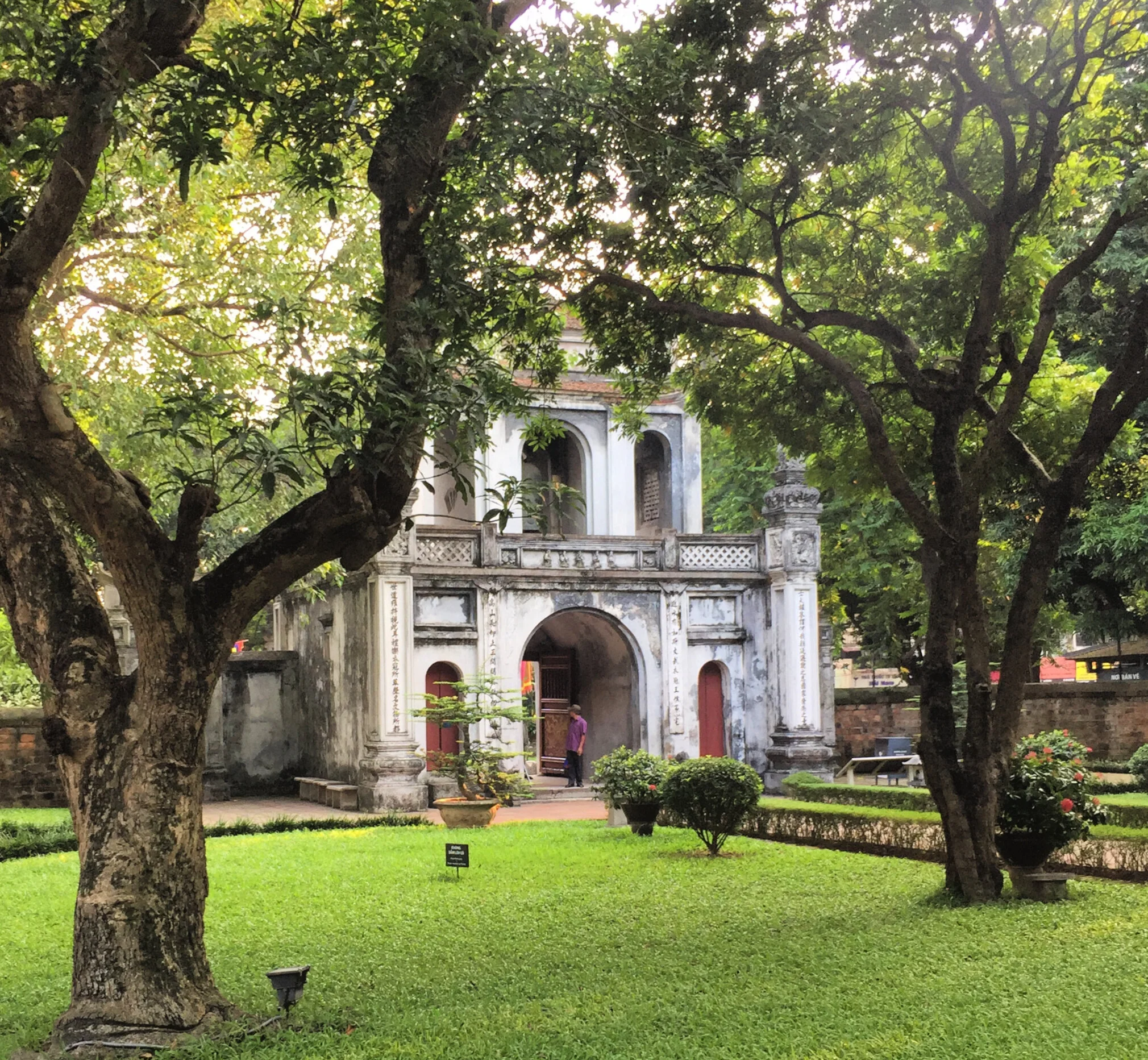
The four pillars that form the street entrance famously warn riders to dismount. Entry tickets and audio guides are sold just next to the flag lined area. The bronze bell in the front Văn Miếu gate dates from the Trần dynasty, is inscribed with a phoenix and dragon symbolizing the emperor and empress, can only be touched by monks, and was only rung to announce the entry of very prestigious visitors. Walking under the bell to hand your ticket to the security guard, you are on the central path, once reserved solely for royalty (all others had to enter through either of the side gates and walk down those paths).

templetree1.jpg
templet.jpg
templefinarea26.jpg
gatesquare.jpg
templefinarea27.jpg

At graduation and back-to-school seasons, you can find busloads of Vietnamese students of all ages racing through the first courtyard to pose at the various gates. The first gate, connecting the first and second courtyards, is the Đại Trung Môn, translated as “great middle gate”. It is so called because it combines the names of two important works of Confucianism: Đại Học (Great Learning) and Trung Dung (The Doctrine of the Mean). T

The carp symbol at the top references a Chinese proverb explaining that while many carp swim against the stream, the few that manage to jump over the waterfall become dragons. The left side gate is the gate of Accomplished Virtue (Thành Đức), and the right side gate is the gate of Attained Talent (Đạt Tài). In Chinese tradition, the left side is more important than the right, so these gates serve to remind students that talent will only get you so far, hard work has to take you the rest of the way.

templefinarea28.jpg
templefinflag.jpg
templeroofs.jpg
templefinarea31.jpg
templefinarea32.jpg

The second courtyard is my personal favorite area of the temple, and is where students traditionally spent their time studying and relaxing outdoors. The waterlily ponds and lawns remain incredibly soothing!

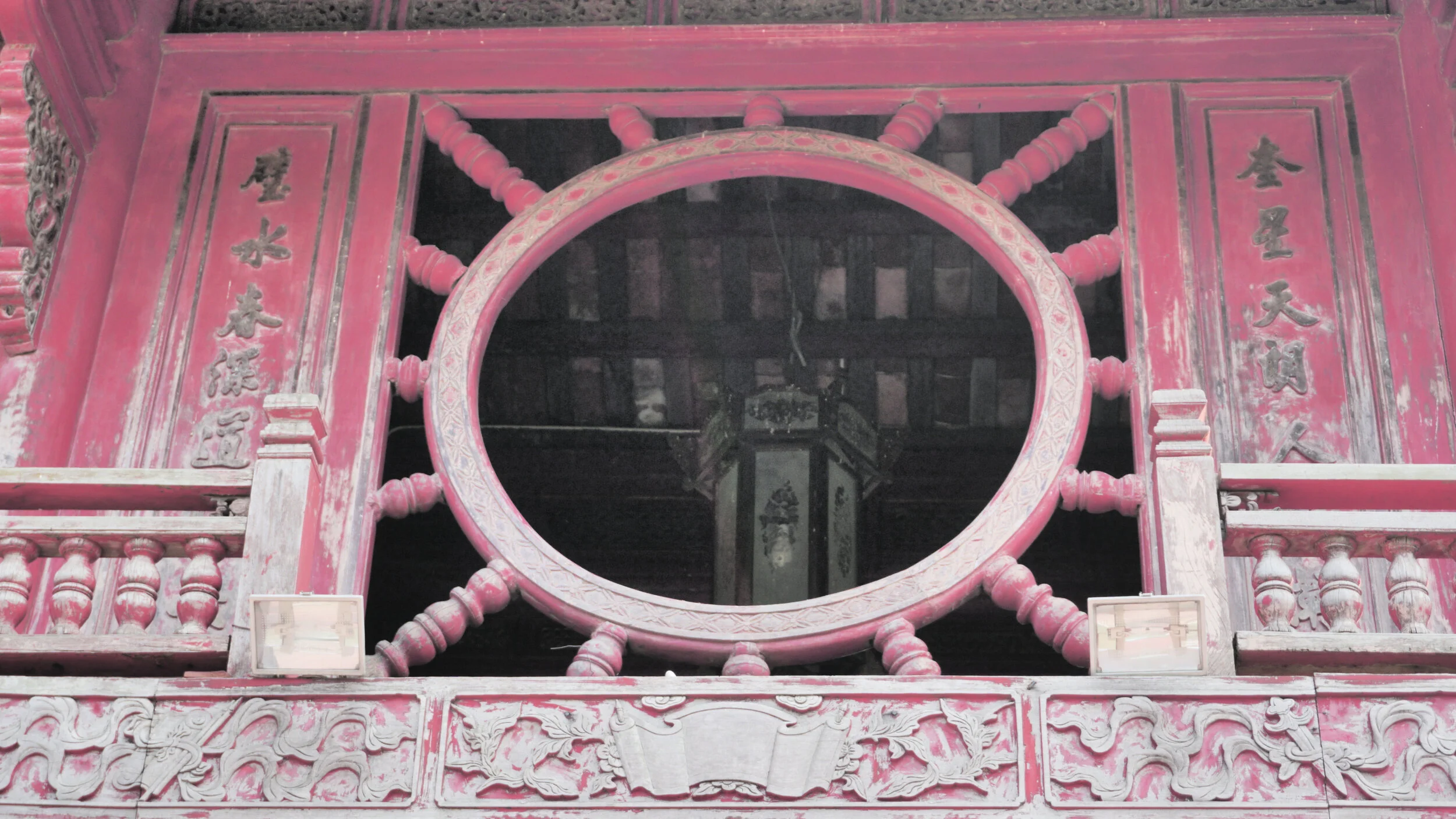
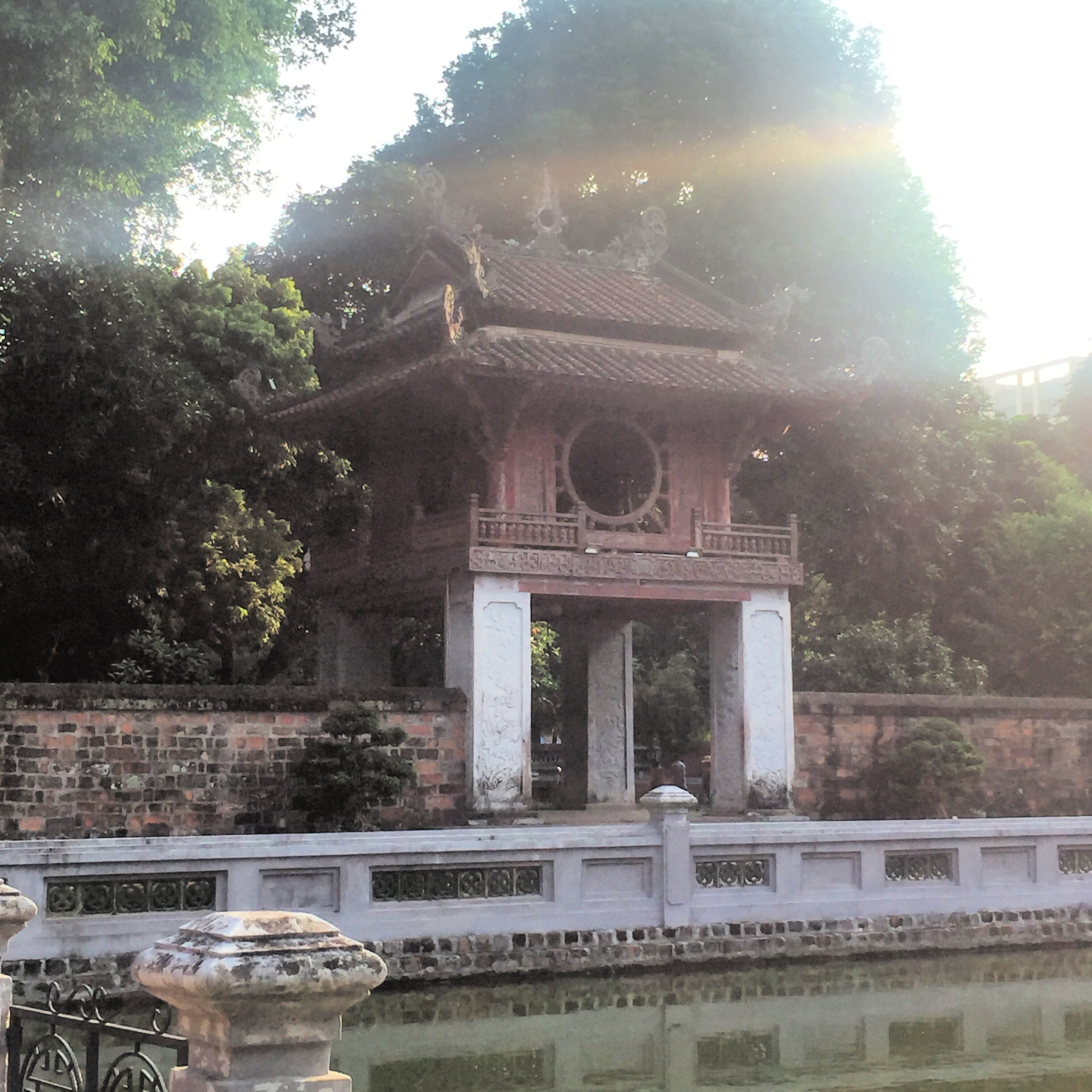
The Khuê Văn Các (constellations pavilion) is named to symbolize the Temple of Literature’s role as the brightest star in the Vietnamese educational and cultural firmament. The circle and square ornament enclosing the bell symbolizes sky and earth, yin and yang.

templefinarea33.jpg
templefinarea34.jpg
templefin38.jpg
templeagain.jpg
templedragon (1).jpg

In the third courtyard, the Thiên Quang Tinh (heavenly light well) served both as a literal mirror for scholars to dress themselves appropriately and as a symbol for calm and careful reflection.

There are 82 steles of doctors (9 of the original 91 have been lost to war and natural disasters). The bases of the steles are carved as tortoises who literally stand for longevity and wisdom, ensuring the names of the successful students last forever.

The Đại Thành Môn (gate of great success) connecting the third and fourth courtyards is the architectural distinction between the areas meant for relatively casual student use, and the areas intended for worship.

templegate (1).jpg
templefinarea35.jpg
stellagate1.jpg
templefinarea45.jpg
templefinarea42.jpg

In the fourth courtyard, the once Eastern and Western shrines for Confucian worshippers are now dedicated to tourist retail and offices. Formerly the Eastern building was devoted to Confucius and the Western building to Chu Văn An (the most famous historic master of the Imperial Academy). Now you can buy a bottle of water or an artistic bit of calligraphy here. Every effort is made to prune the potted plants into animal shapes, with little success.

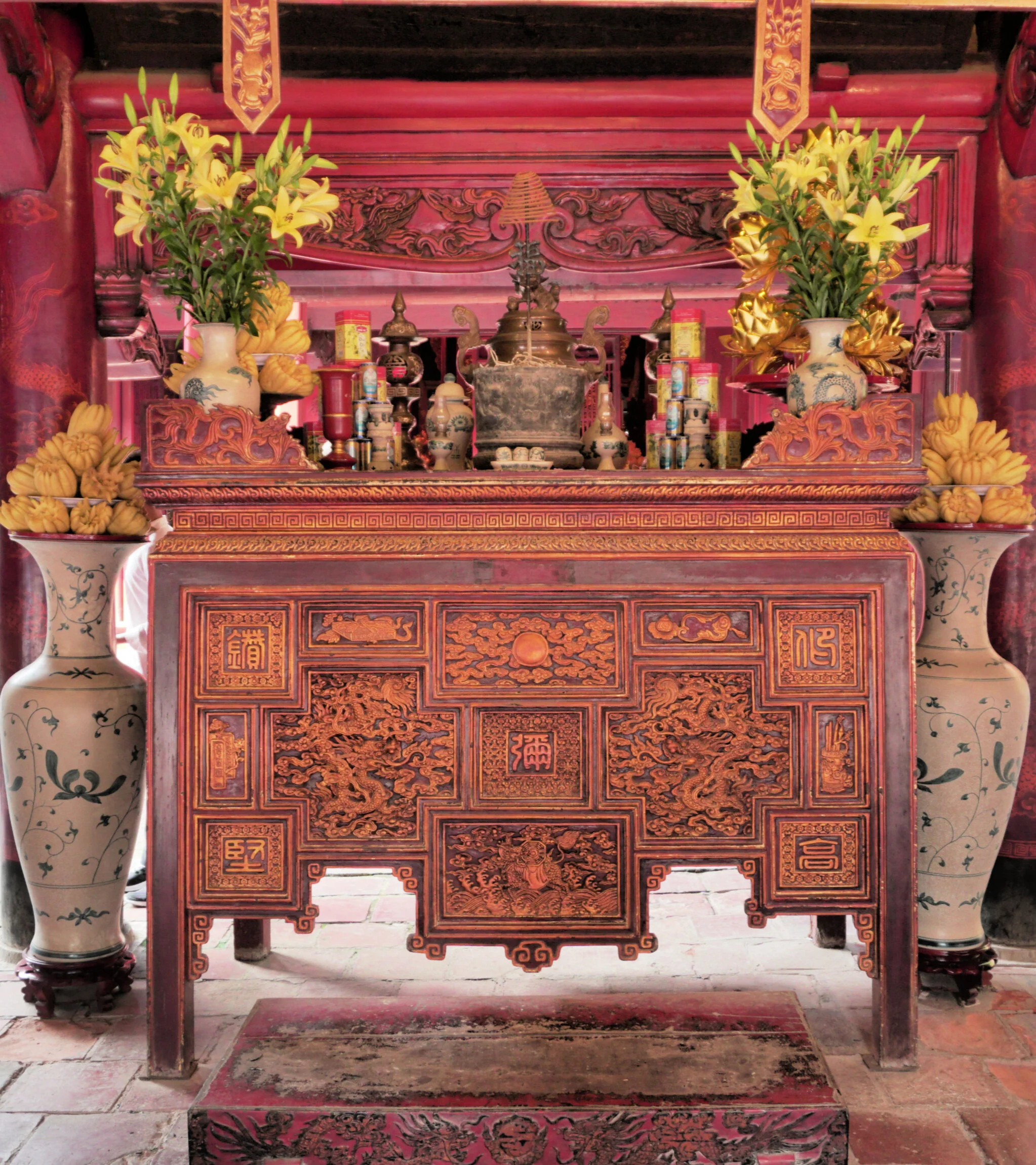
The Đại Bái Đường (House of Ceremony) is the first really impressive interior, where new doctors kneeled and prayed for both physical longevity (symbolized by the crane) and eternal acclaim (symbolized by the turtle). Just beyond the House of Ceremony is the Đại Thành Sanctuary, where locals still come to worship and bring offerings for Confucius and his four greatest disciples. In the past, emperors and other eminences have worshipped here.

templefin36.jpg
templefinarea41.jpg
lakegate1.jpg
templebalance.jpg
templefinarea43.jpg

The fifth courtyard is oddly empty and unornamented. There’s a second street exit on the south west end. The buildings on the side are shuttered. I have met one person who visited on a Saturday afternoon/evening and happened upon a classical Vietnamese musical performance of some sort happening here.

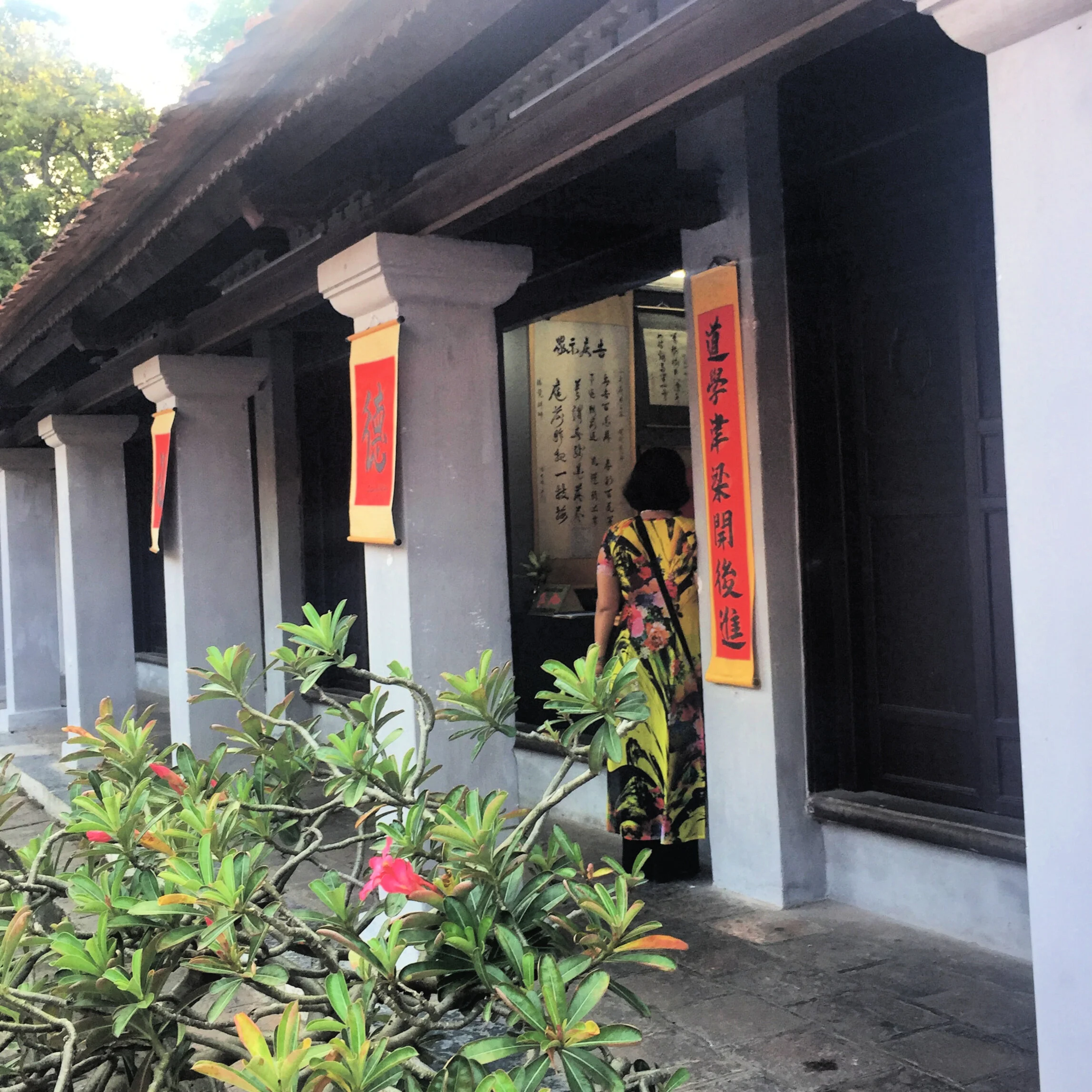
At the far end are the former guard houses, which now house little local art exhibits and a stand where you can purchase? or rent? (I don’t know, I’ve thankfully evaded them to date) scarves so as to not offend the religious old ladies squawking in loud disapproval of your shoulders/arms/cleavage/miniskirt.

templefinarea46.jpg
turtlestella.jpg
templefinstellae2.jpg
stelleshadow.jpg
templefinstellae1.jpg

Beyond the guard houses is the old Imperial Academy administration building. Downstairs there are displays of relics that once belonged to scholars and students, including books, calligraphy brushes, ceremonial robes, scrolls and their lacquered cases, royal decrees etc. There are also a few very very old photos of the buildings and grounds from the turn of the last century. It’s incredible to see how this rather visually empty area has become a very densely populated urban neighborhood.

templefinarea48.jpg
stellae.jpg
templepond1.jpg
templetree (2).jpg
templeflowers.jpg

One current use of the building that connects with its past is its role as the site for judging entries in national contests of various traditional Vietnamese art forms. I have seen elderly, traditionally dressed judges carefully examining the finalist entries for annual ceramics, waterolor, and calligraphy contests here.

templefinarea47.jpg
templepalms.jpg
pondflags.jpg
vietflags.jpg
templefinarea44.jpg

Upstairs is dedicated to the worship of the three emperors who contributed the most to the temple and university:

  • Lý Thánh Tông (1023–1072), who founded the temple in 1070 (middle altar)

  • Lý Nhân Tông (1066–1127), who founded the Imperial Academy (right altar)

  • Lê Thánh Tông (1442–1497), who introduced the steles in 1484 (left altar)

There’s a little balcony in front with a great open view of the old sections of the city.

boringgate2.jpg
templepass.jpg
templefinarea54.jpg
templefinarea52.jpg
templefinarea55.jpg

Back outside, there’s a pagoda bell that was cast in 2000, when the fifth courtyard was renovated. I’ve never heard it rung! In Buddhism generally, the belief is that ringing the bell awakens the mind, reminding Buddhists to share love and pray for peace. Supposedly when the bell’s peals reach heaven, the dead rest in peace; when the peals reach hell, sinners are temporarily released from their suffering. In traditional Vietnamese bronze casting, it’s known that mixing in a certain proportion of pure gold helps the sound of the bell carry farther. In Vietnam, donors are proud to donate real gold (at great expense, obviously) for pagoda bells, considering it a family honor.

templepass (1).jpg
templepass2 (1).jpg
templelacquer3.jpg
templecrowd.jpg
templecenser.jpg

If you can’t tell, for me this a Hanoi must-do. Tickets are 30,000 VND (less than $2 USD) and audio guides (which are totally worth it!!) are an additional amount.

templecenser2.jpg
censersymbol.jpg
templefinarea58.jpg
templeplant.jpg
templeshop.jpg
finallantern.jpg
templefinarea59.jpg
templefininside.jpg
templebird3.jpg
templebird2.jpg
templefinarea66.jpg
templeoffer1.jpg
templefinarea63.jpg
templefinarea70.jpg
templegong.jpg
templetrad.jpg
templetree (1).jpg
templeroof.jpg
templefincenser.jpg
templeroofdetail.jpg
templedoor.jpg
templefinbars.jpg
templefindoors.jpg
templecolums.jpg
templelady2.jpg
templelady.jpg
templefinoffers.jpg
templebird4.jpg
templefinstatue.jpg
templefinletters.jpg
templeshields.jpg
templelitbuddha.jpg
templefinflower.jpg
templefinbuddha.jpg
templefindrum.jpg
templelacquer.jpg
templedrum2.jpg
templeaustere.jpg
templelacquer2.jpg
temlecarving.jpg
templeoldshrine.jpg
templeshrine2.jpg
templefinaltar2.jpg
templelacquer1.jpg
templecarving3.jpg
templefinalbuilding.jpg
oldbitches.jpg
templewood1.jpg
templellitcontestceramics.jpg
templefabric.jpg
bushes.jpg
templeexam.jpg
decree.jpg
templefinturtle.jpg
templeturtle.jpg
templepics.jpg
scrolls.jpg
confucius.jpg
upstairs1.jpg
templesidesteps.jpg
statue.jpg
statue2.jpg
templewalk.jpg
templedragon.jpg
templepinecone.jpg
templelanterns.jpg
templestone.jpg
templecharacter.jpg
templefinwindow.jpg
templebell (1).jpg
templebell2.jpg
templealley2.jpg