Wat Ek Phnom is 9km north of Battambang, and must be one of the most popular temples with tourists as it was one of just two that commanded an entrance fee. The approximately $2 usd-ish per person fee was only collected when the tour guides showed up with their charges; go by yourself and no one is sitting at the ramshackle desk expecting it.
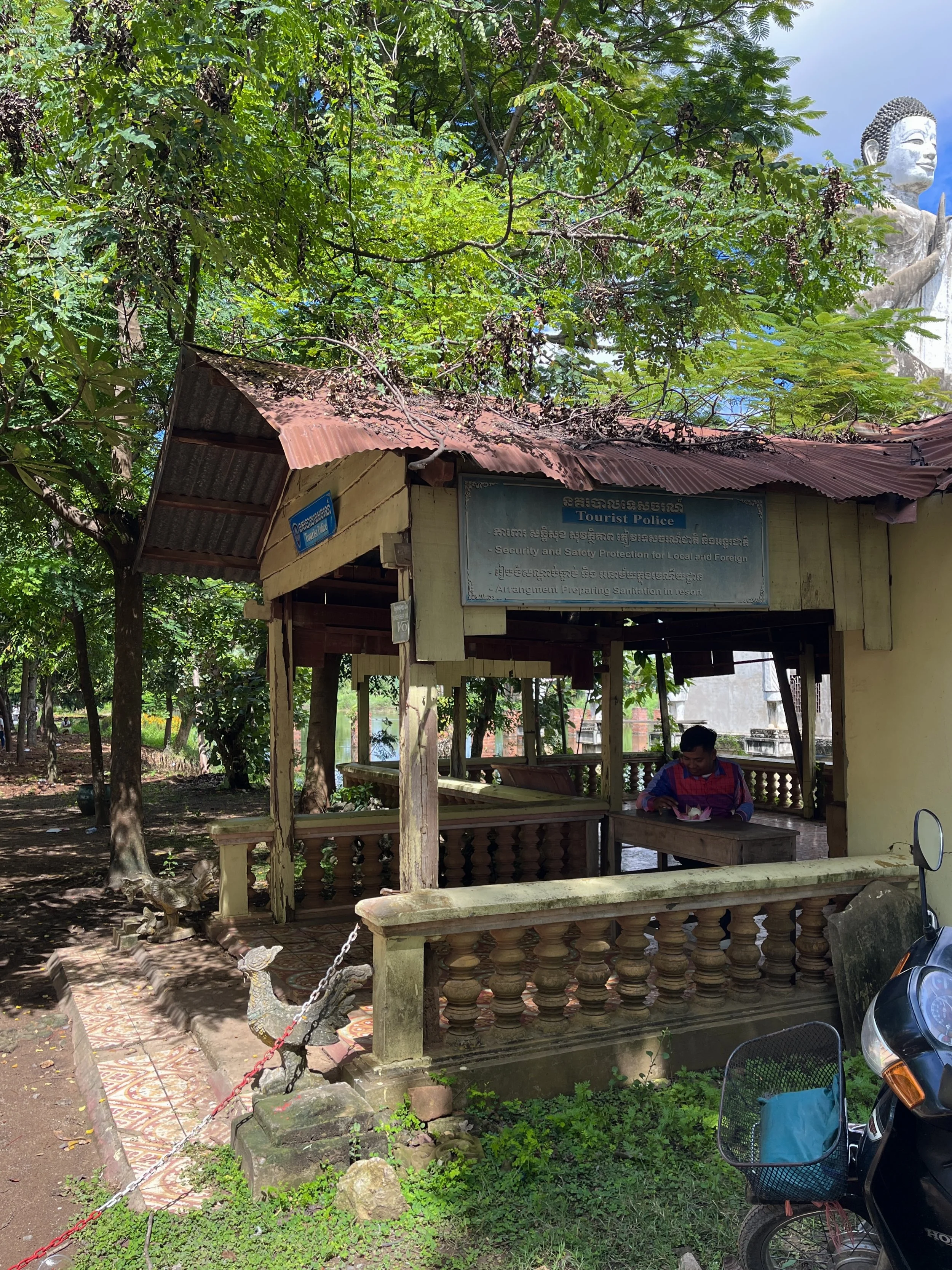
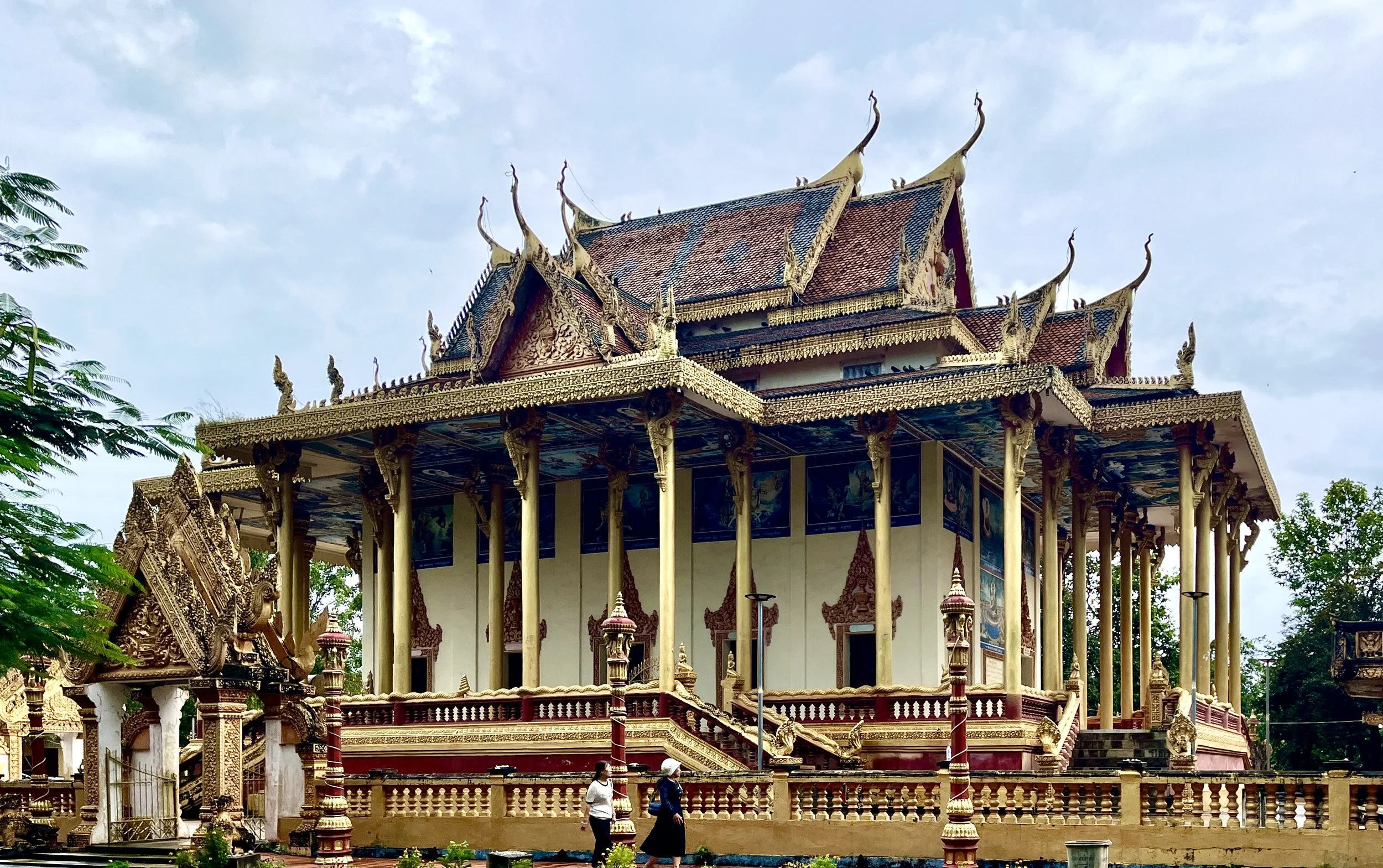
Fee or no fee, the more modern pagoda was locked, so I never got to see inside.
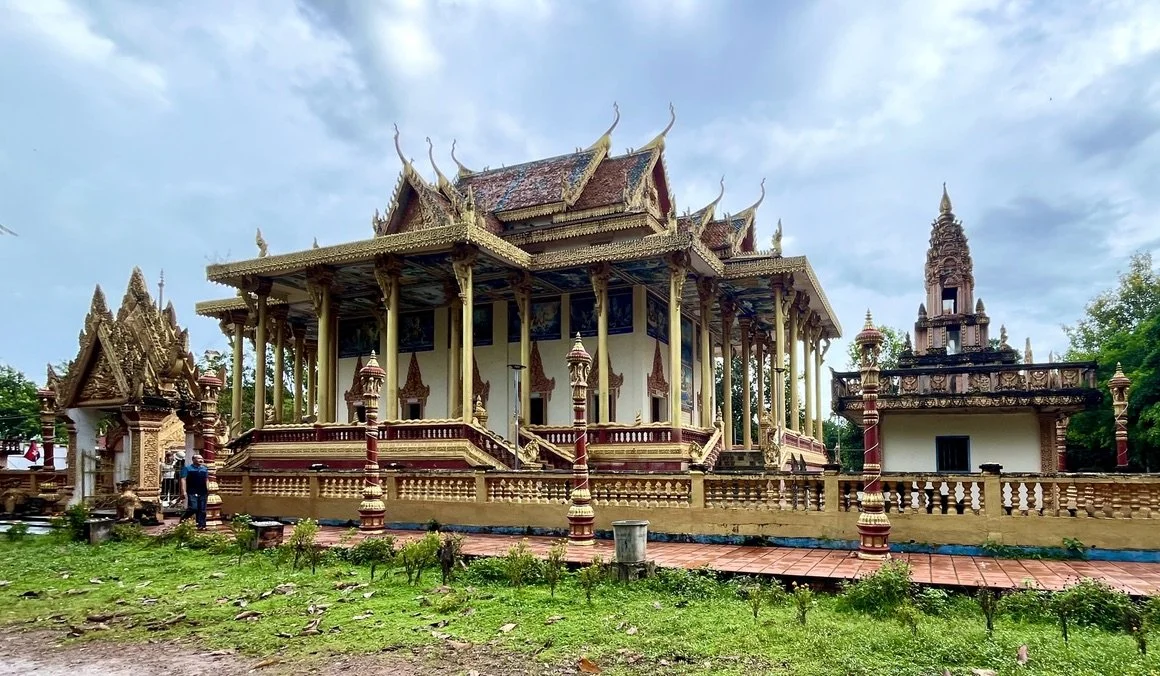
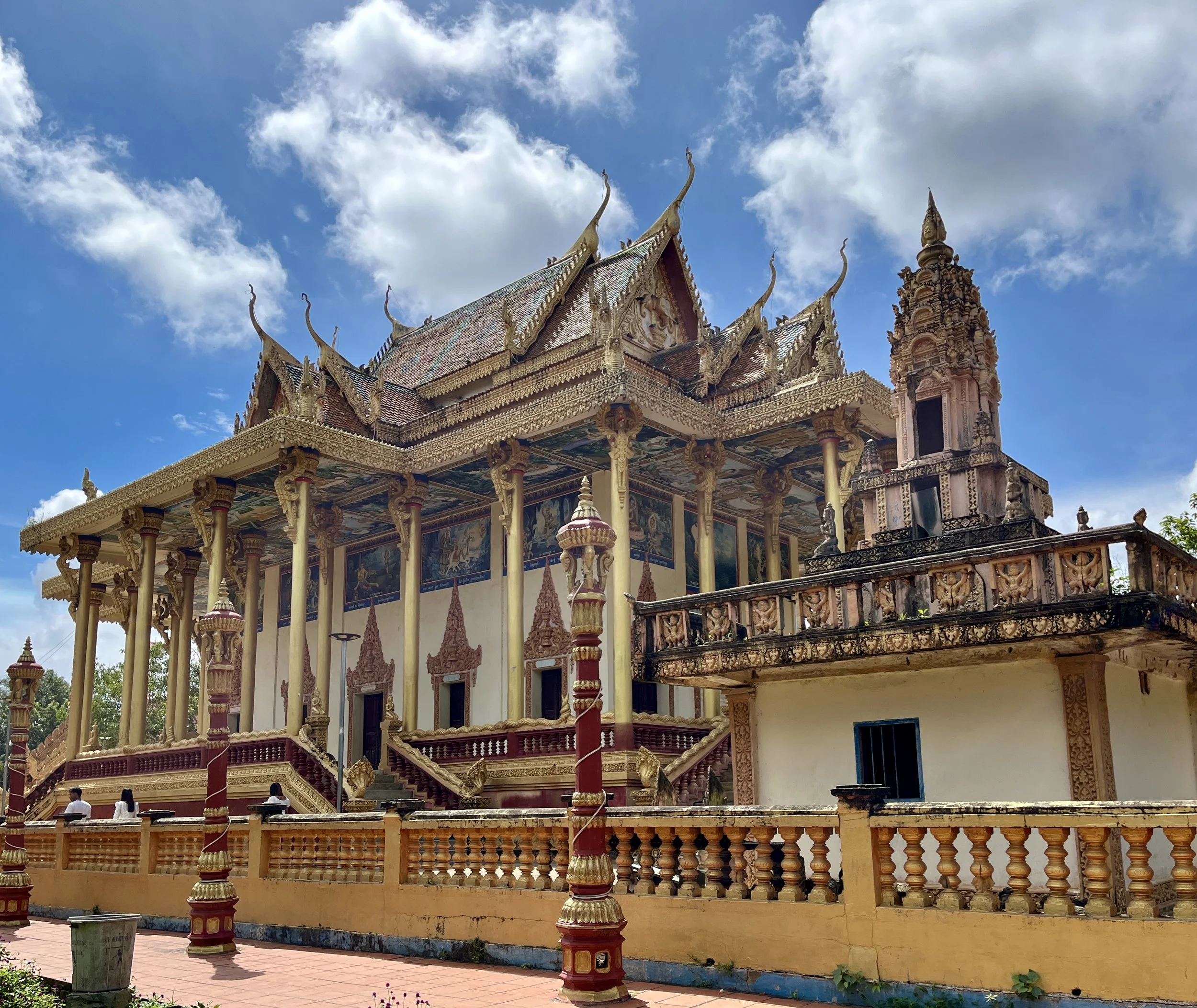
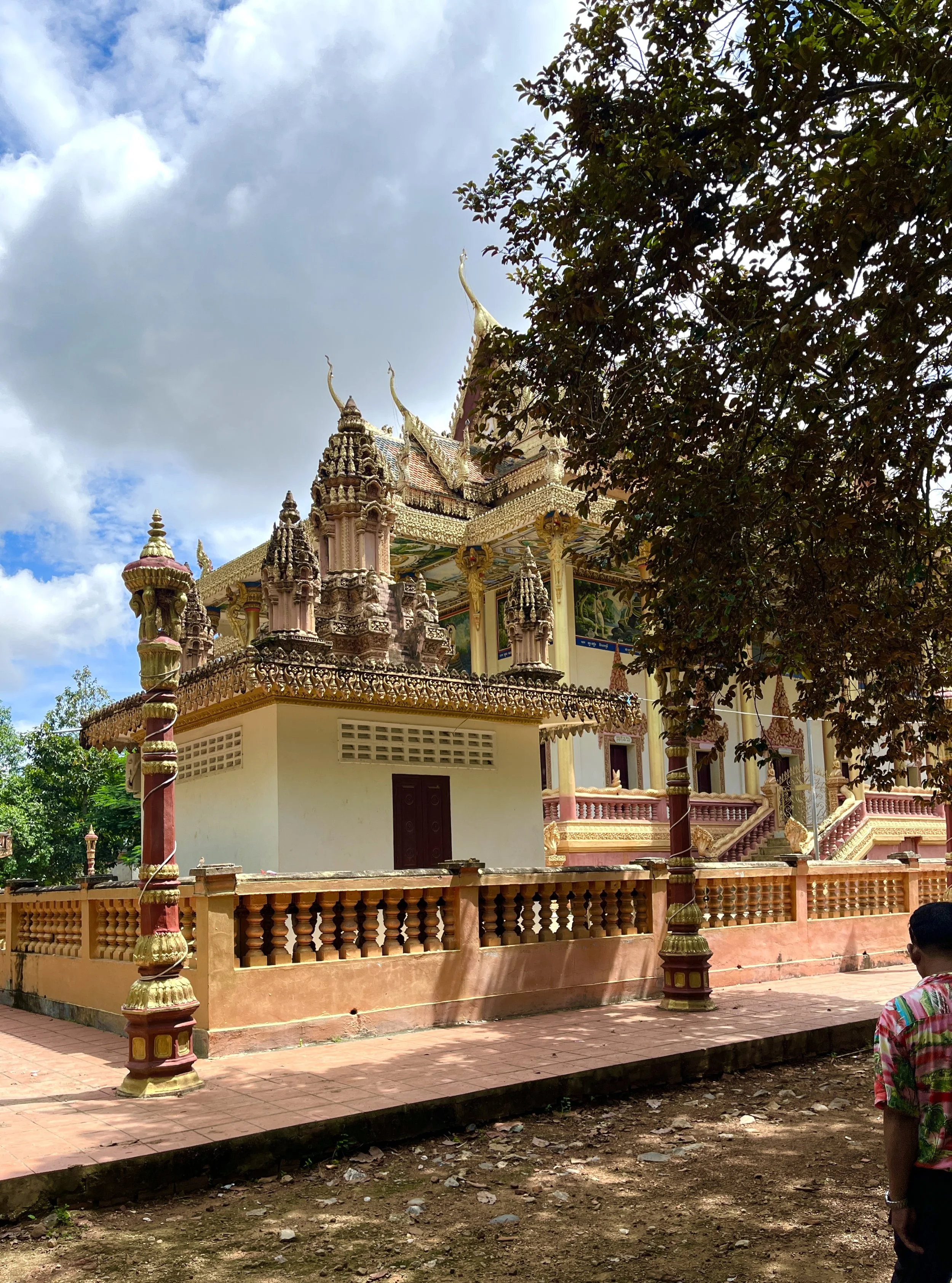
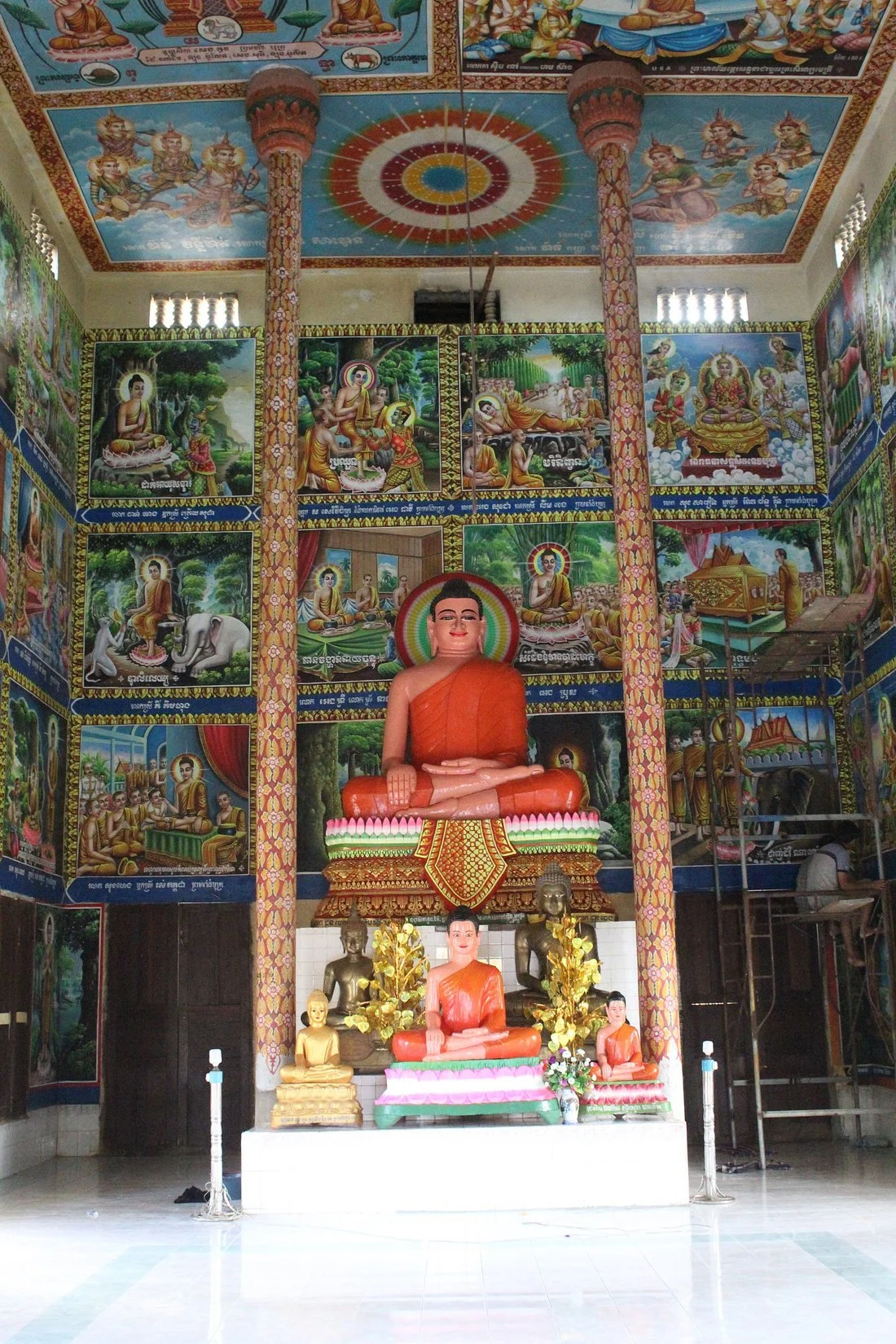
I found this picture of the inside on a TripAdvisor review. While I do like this modern Indian pop art style of depicting the life of the Buddha, I don’t feel I missed much.
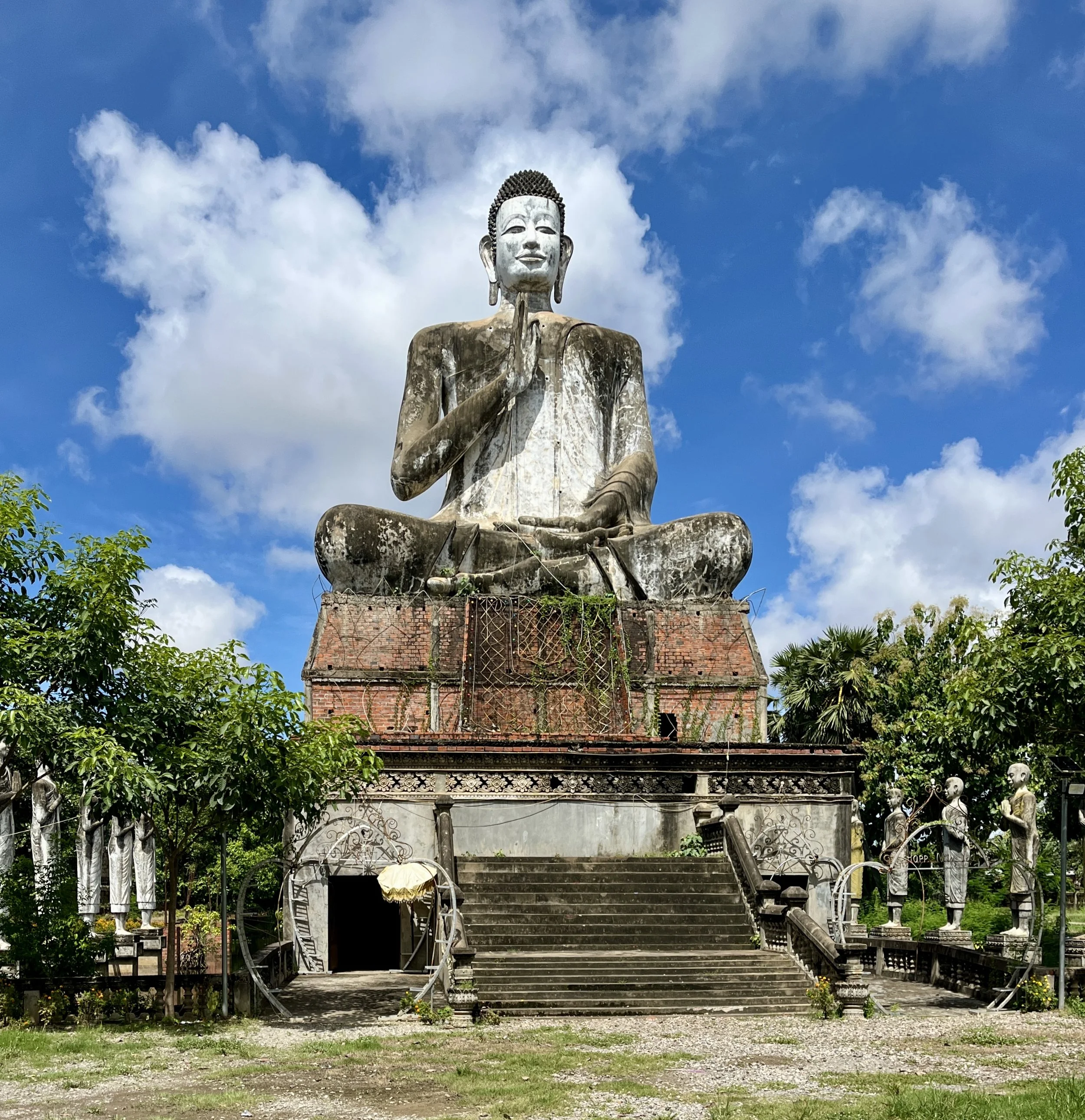
The big modern Buddha.
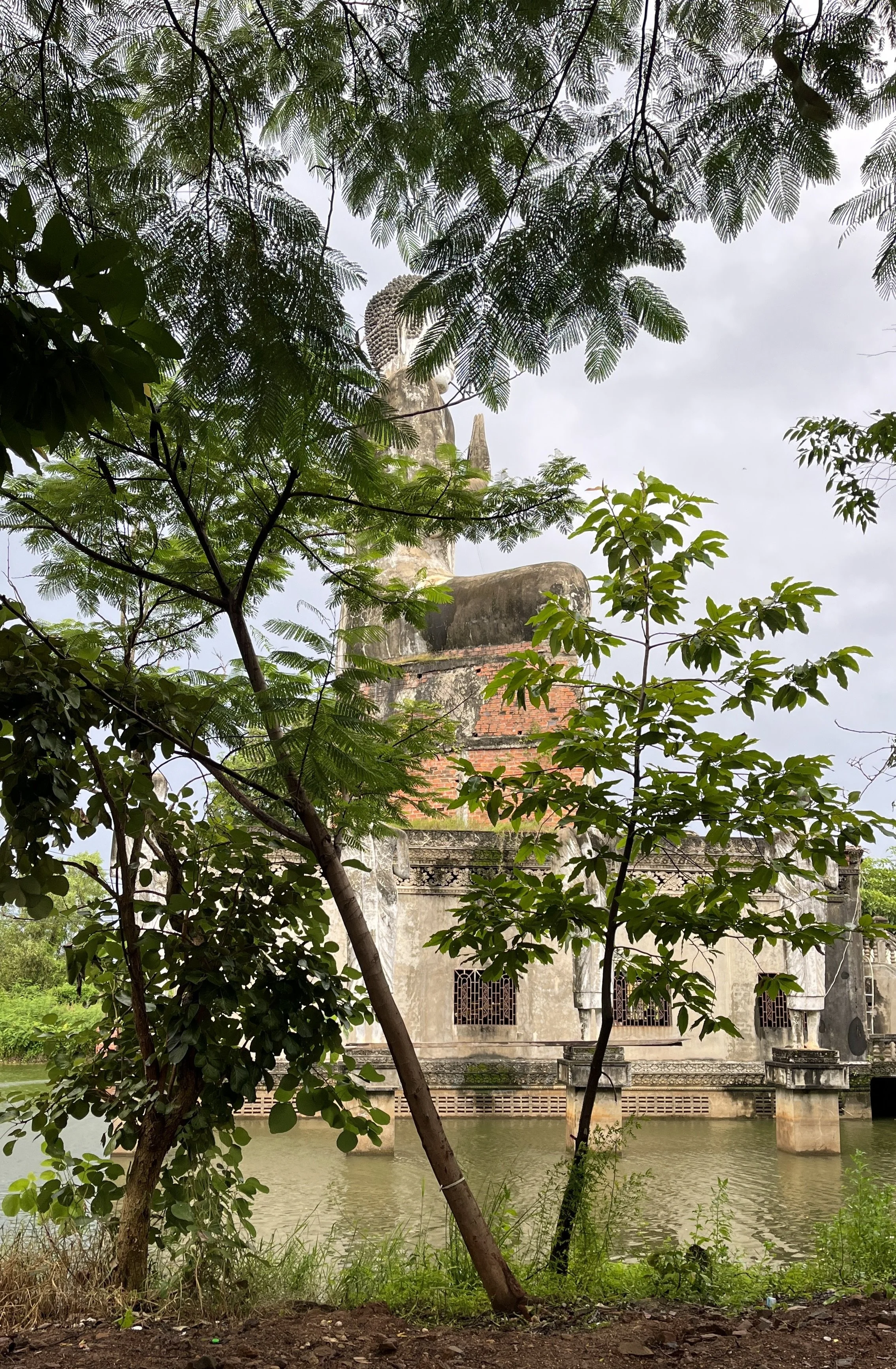
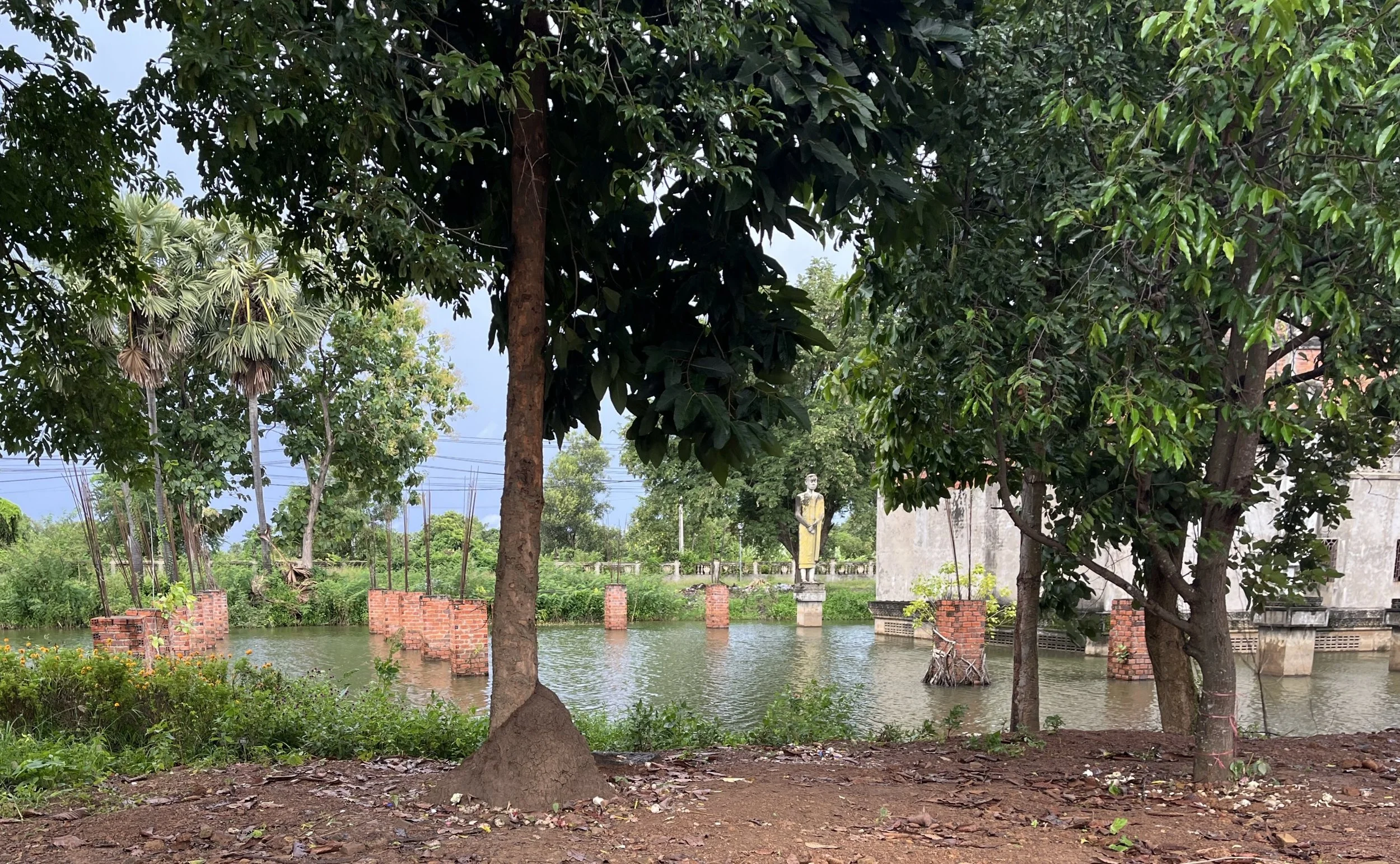
Behind the Buddha is a bunch of unfinished construction; I believe they’re supposed to be additional standing Buddha statues.
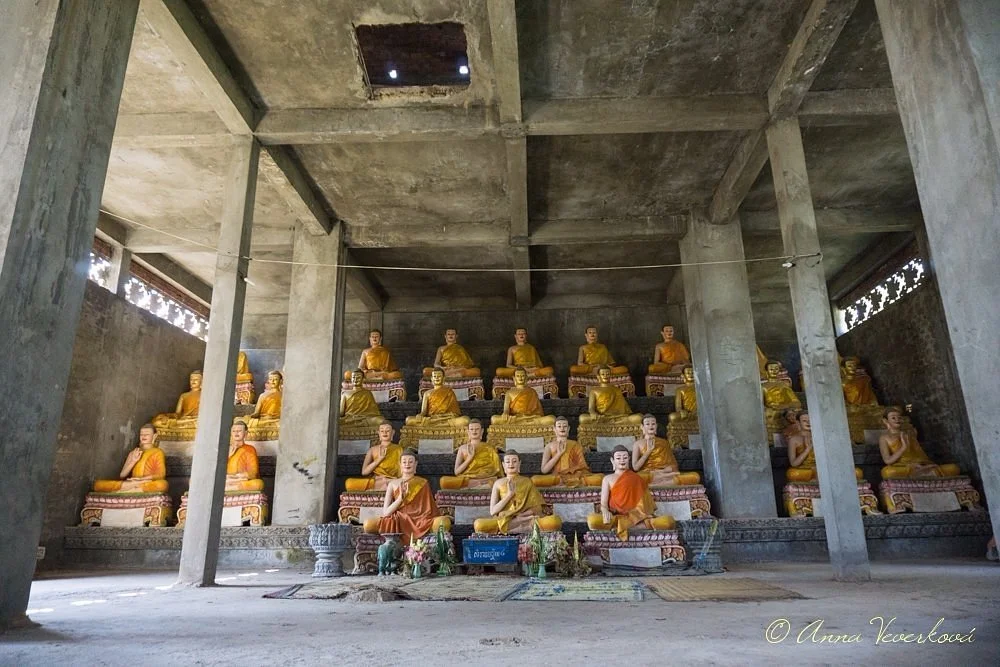
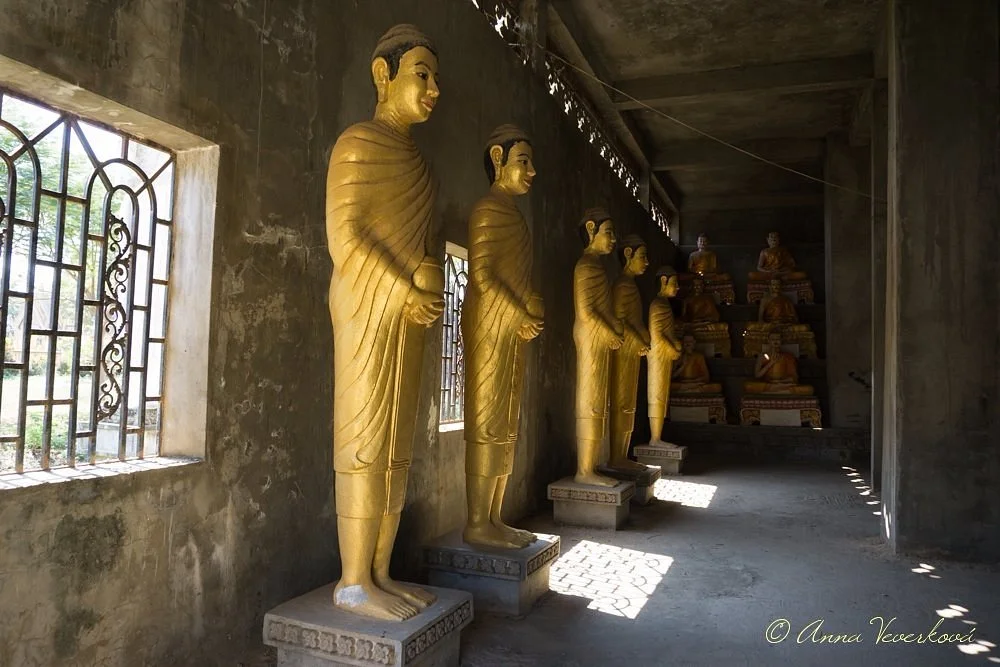
I also didn’t go under the Buddha, but apparently this is what’s inside. Also from TripAdvisor.
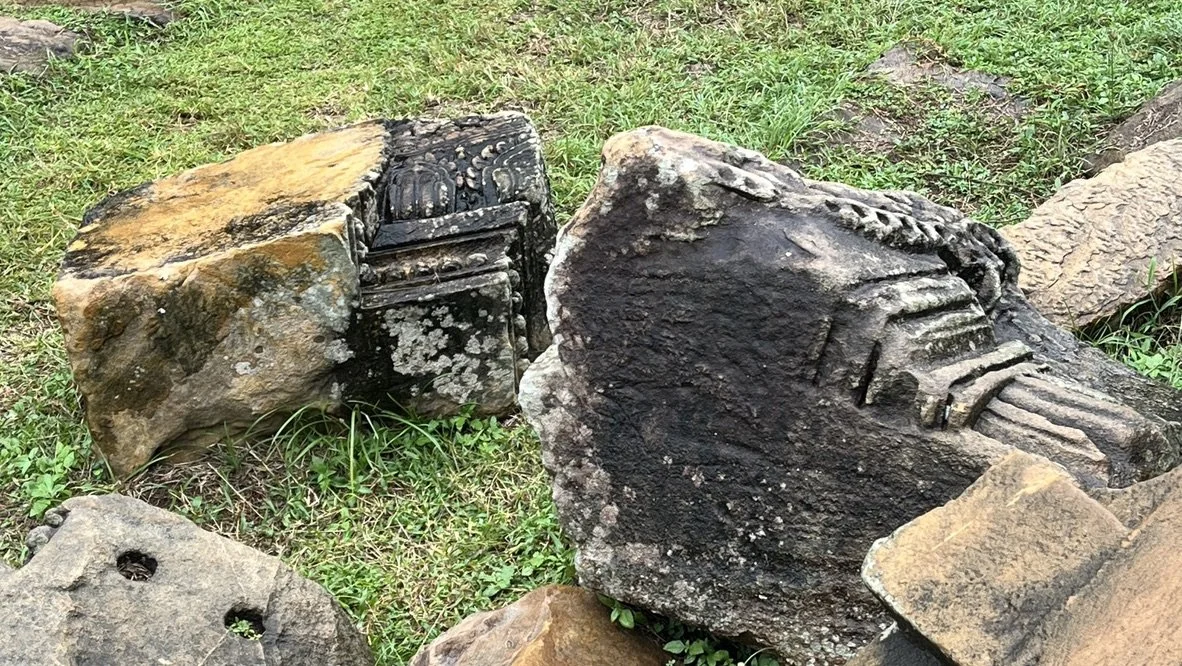
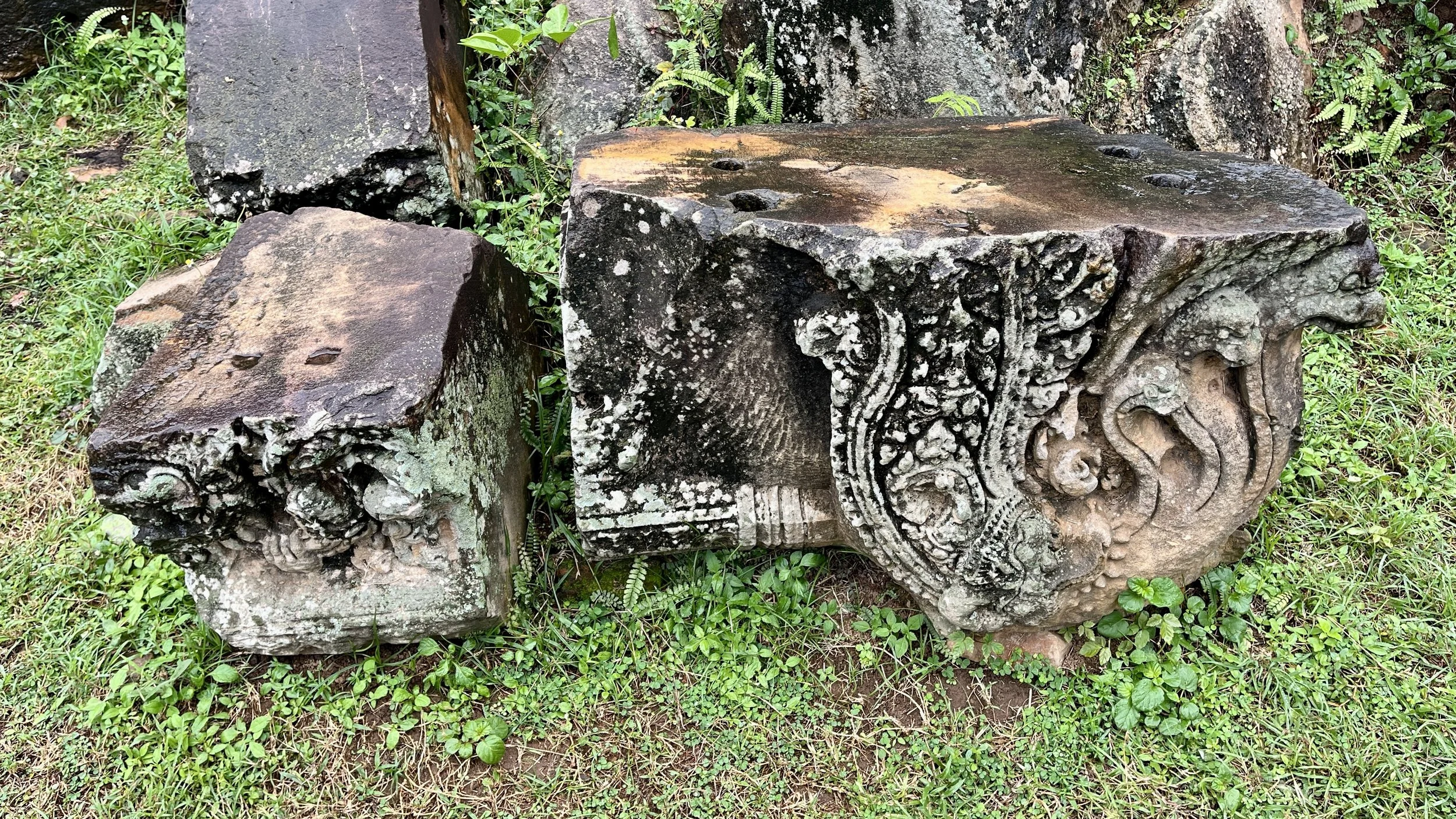
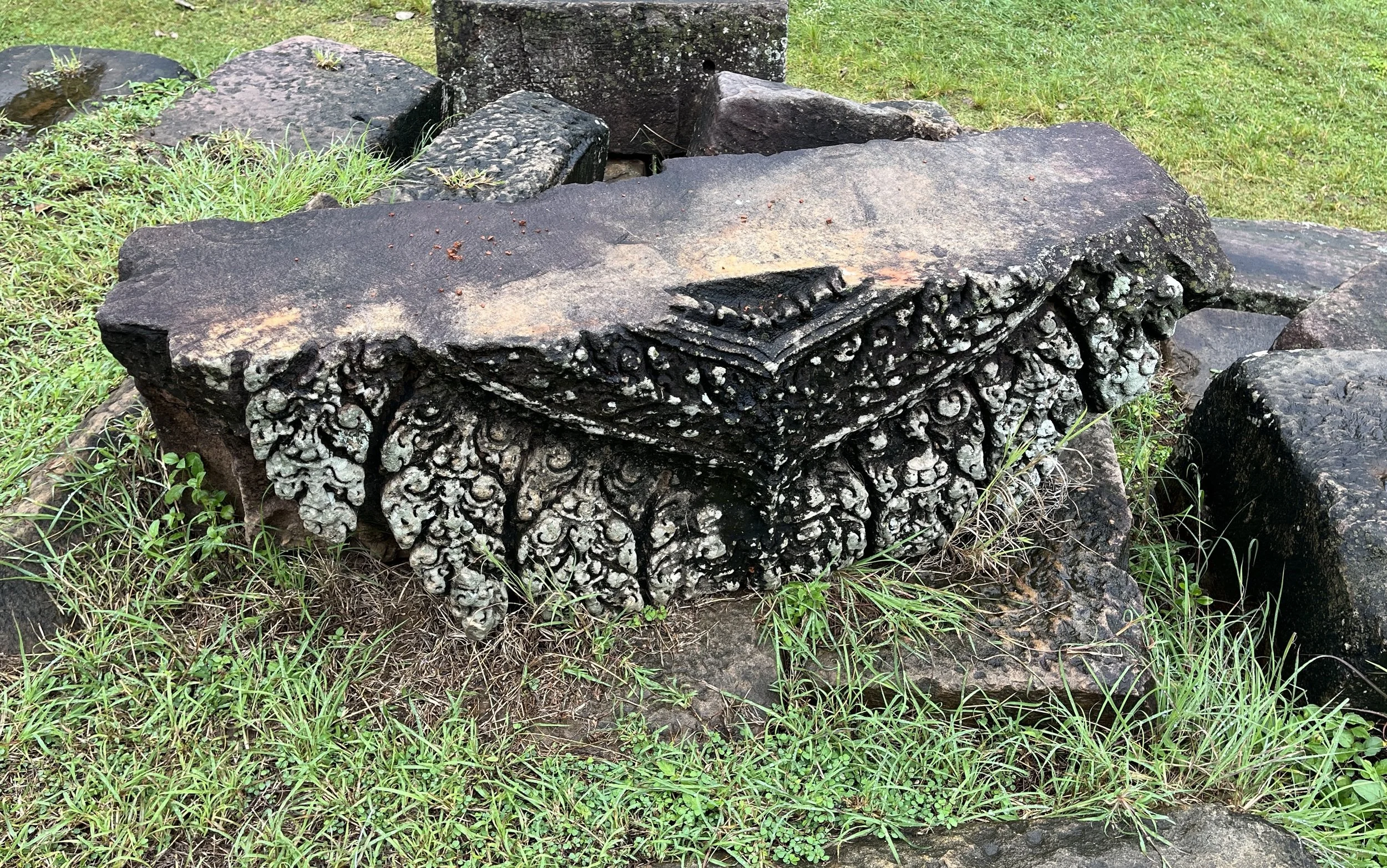
The ancient Hindu temple is believed to have been completed in either 1027 or 1029 by King Suryavarman I. As you can see, it’s wrecked.
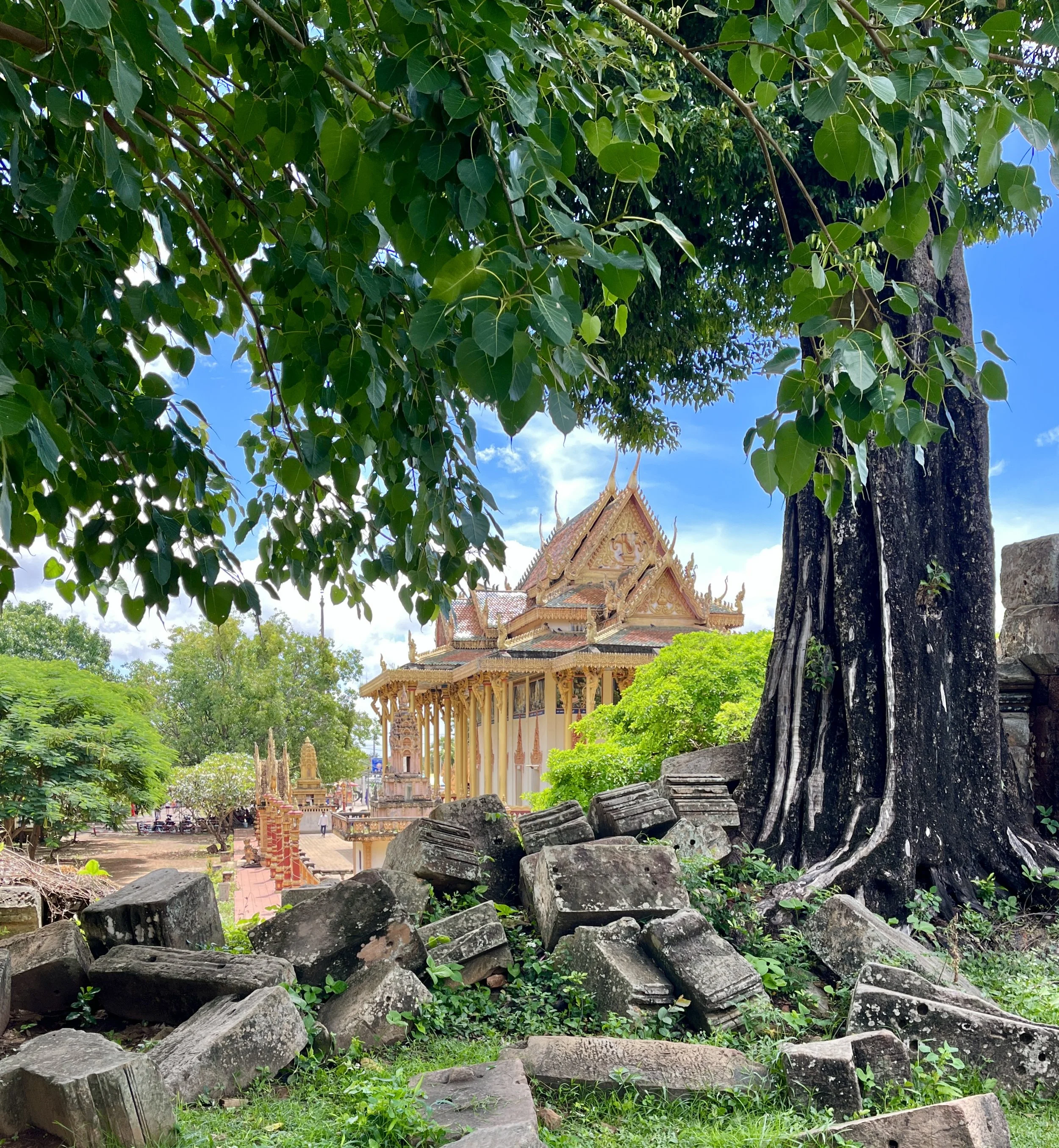
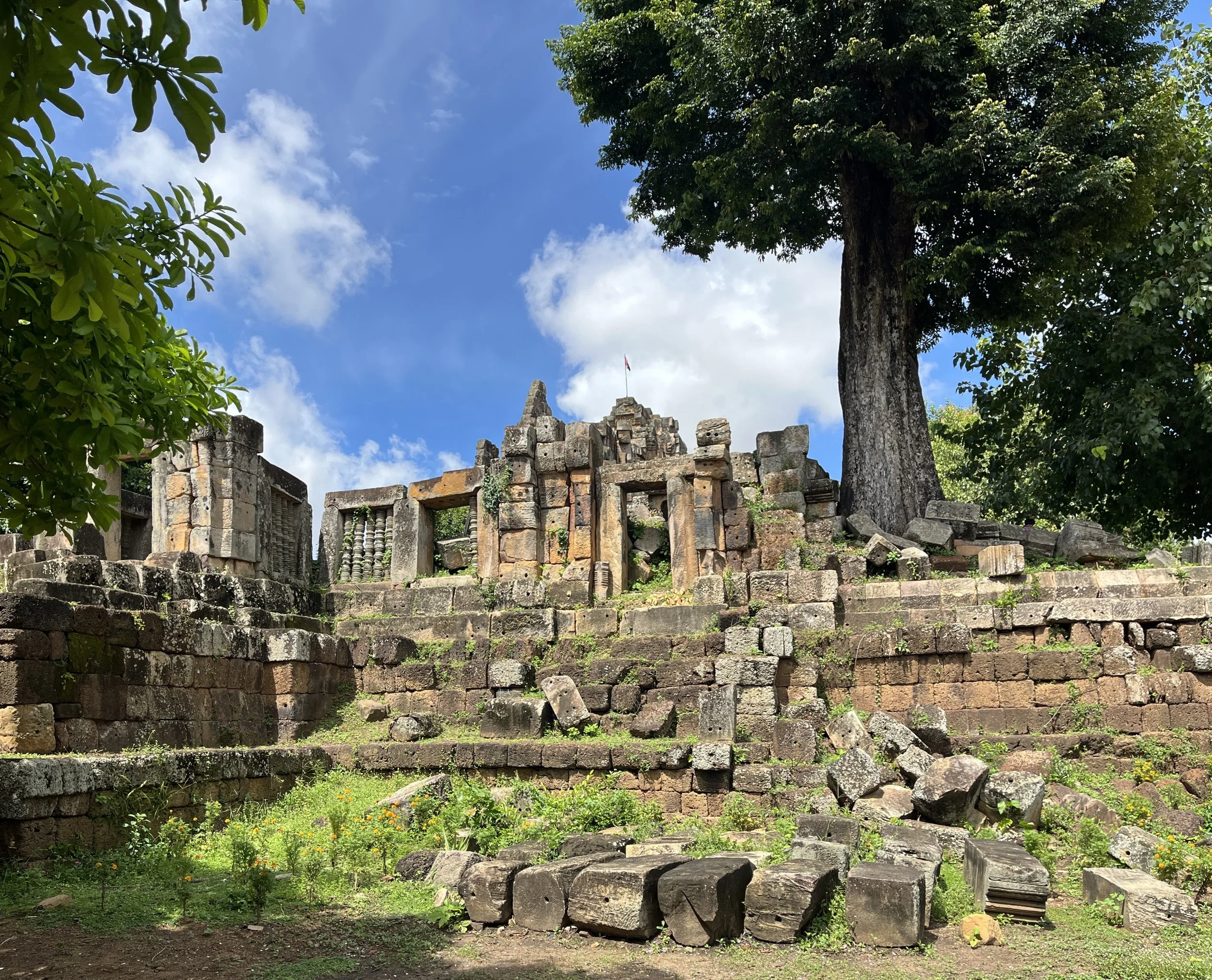
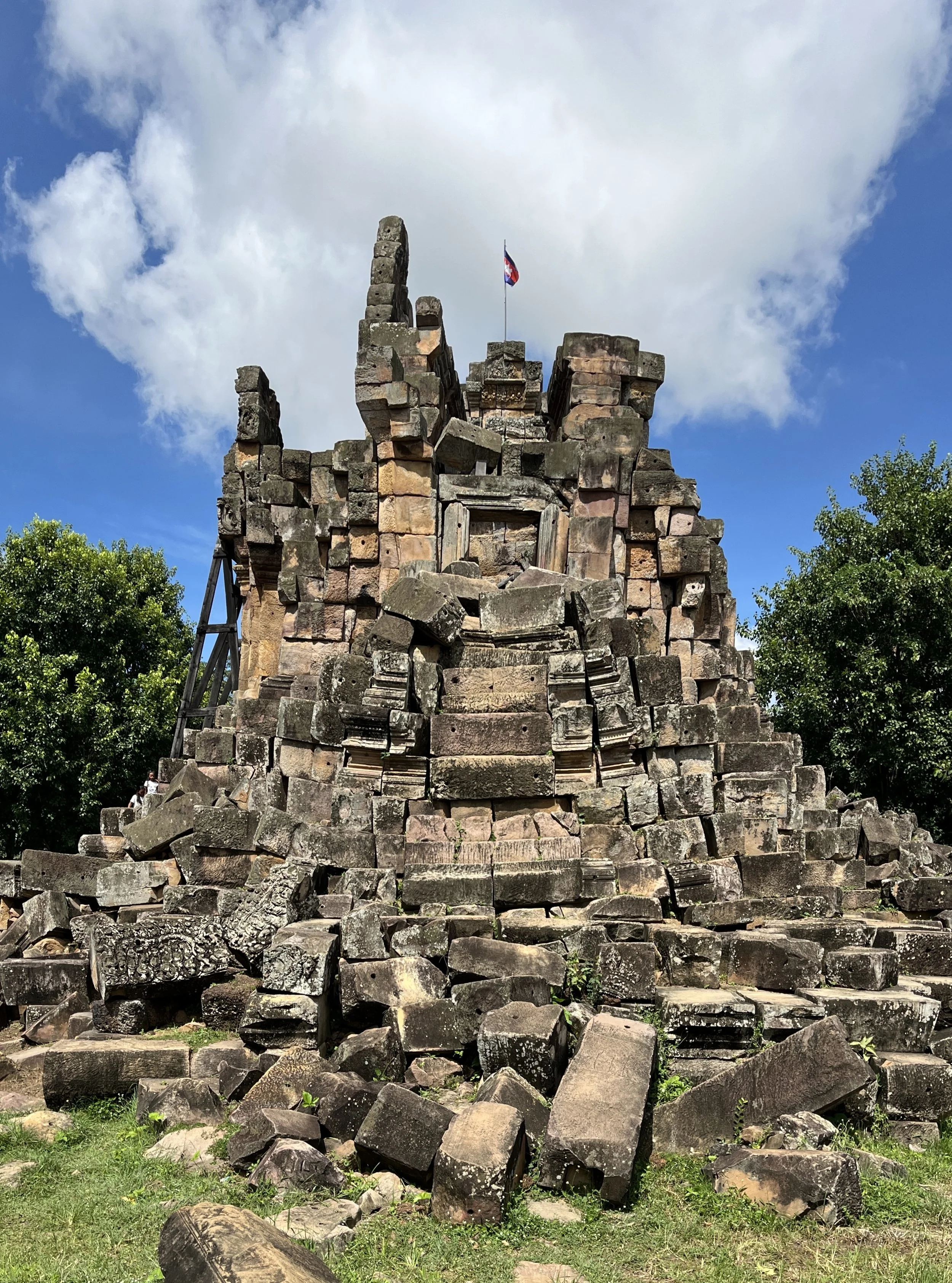
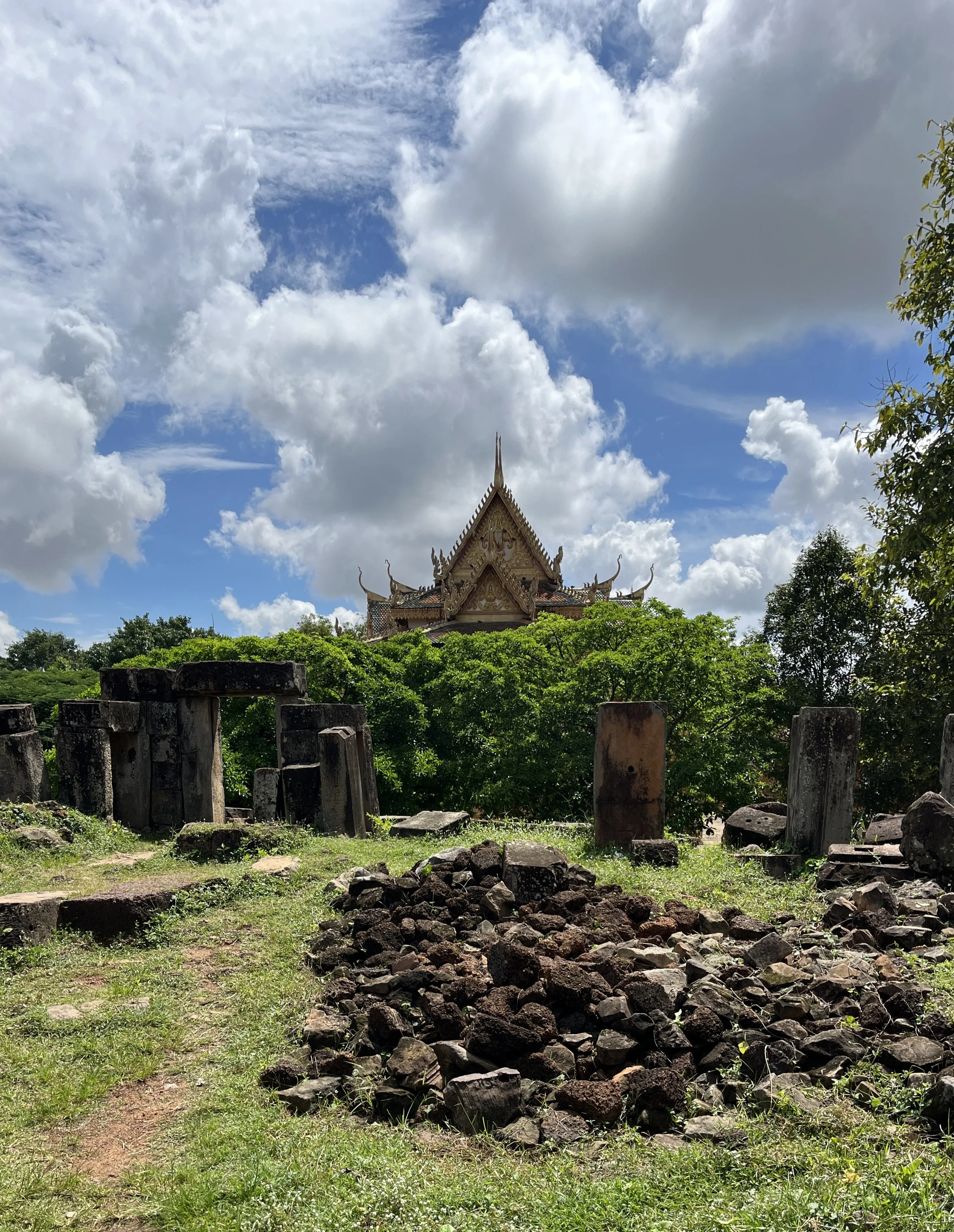
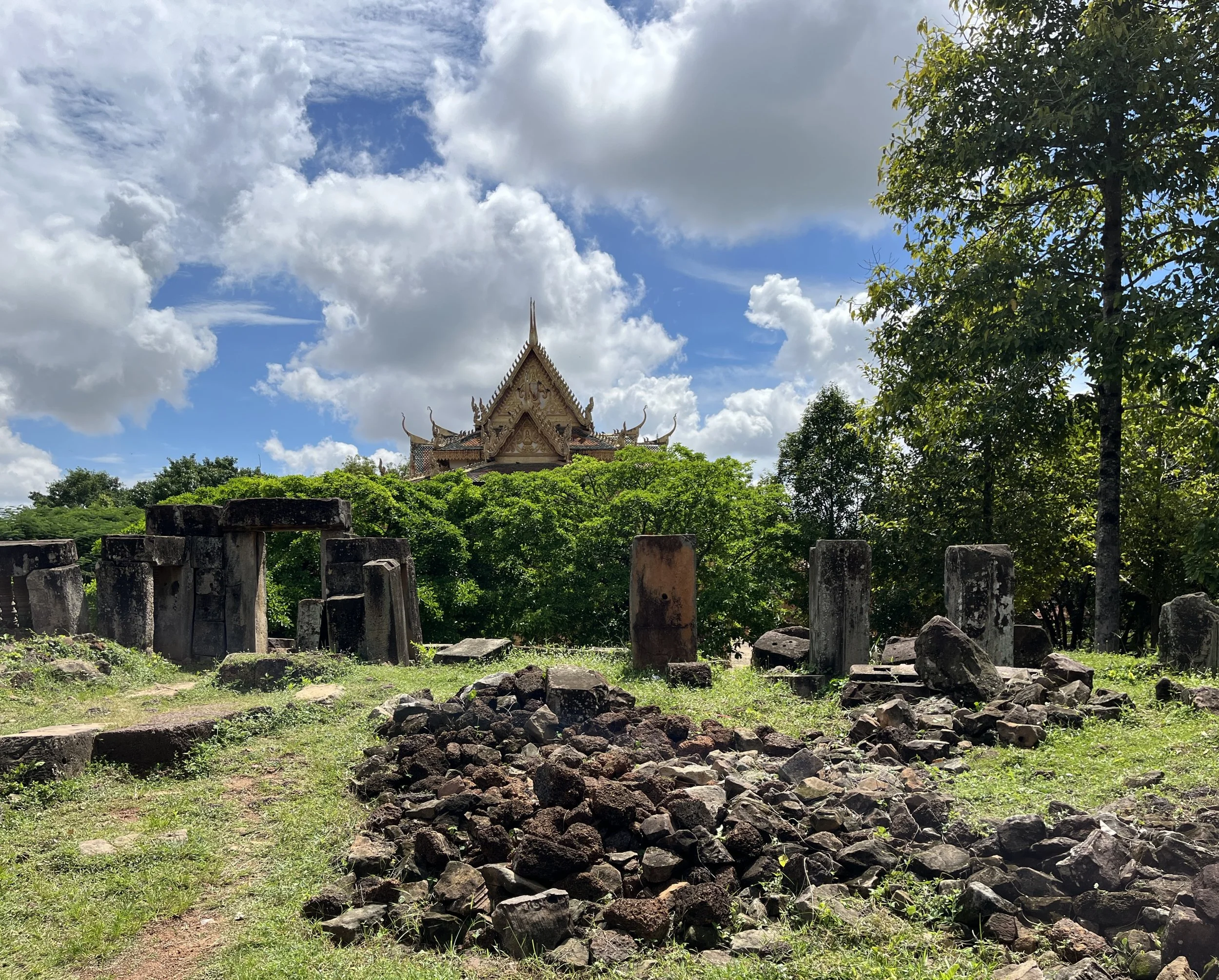
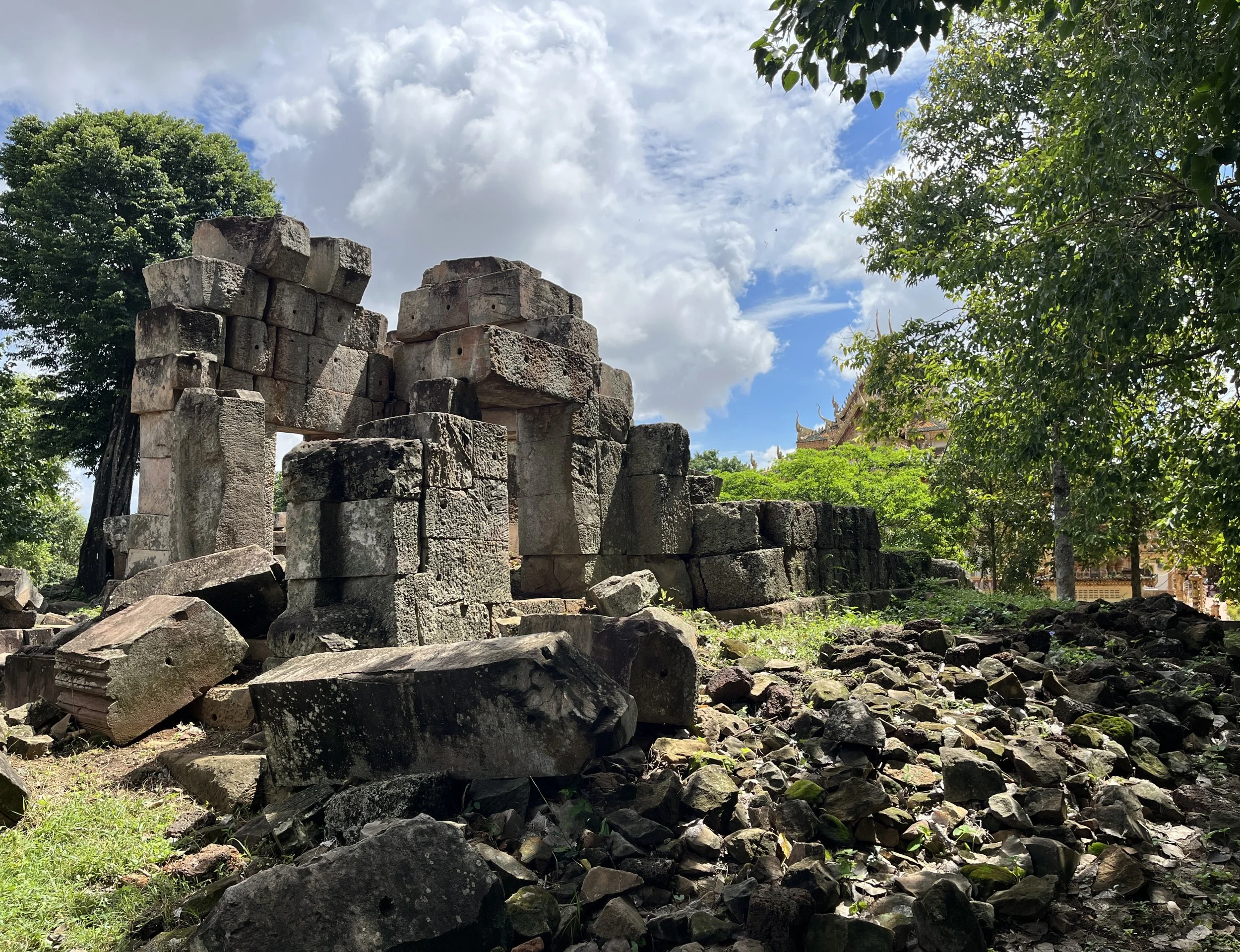
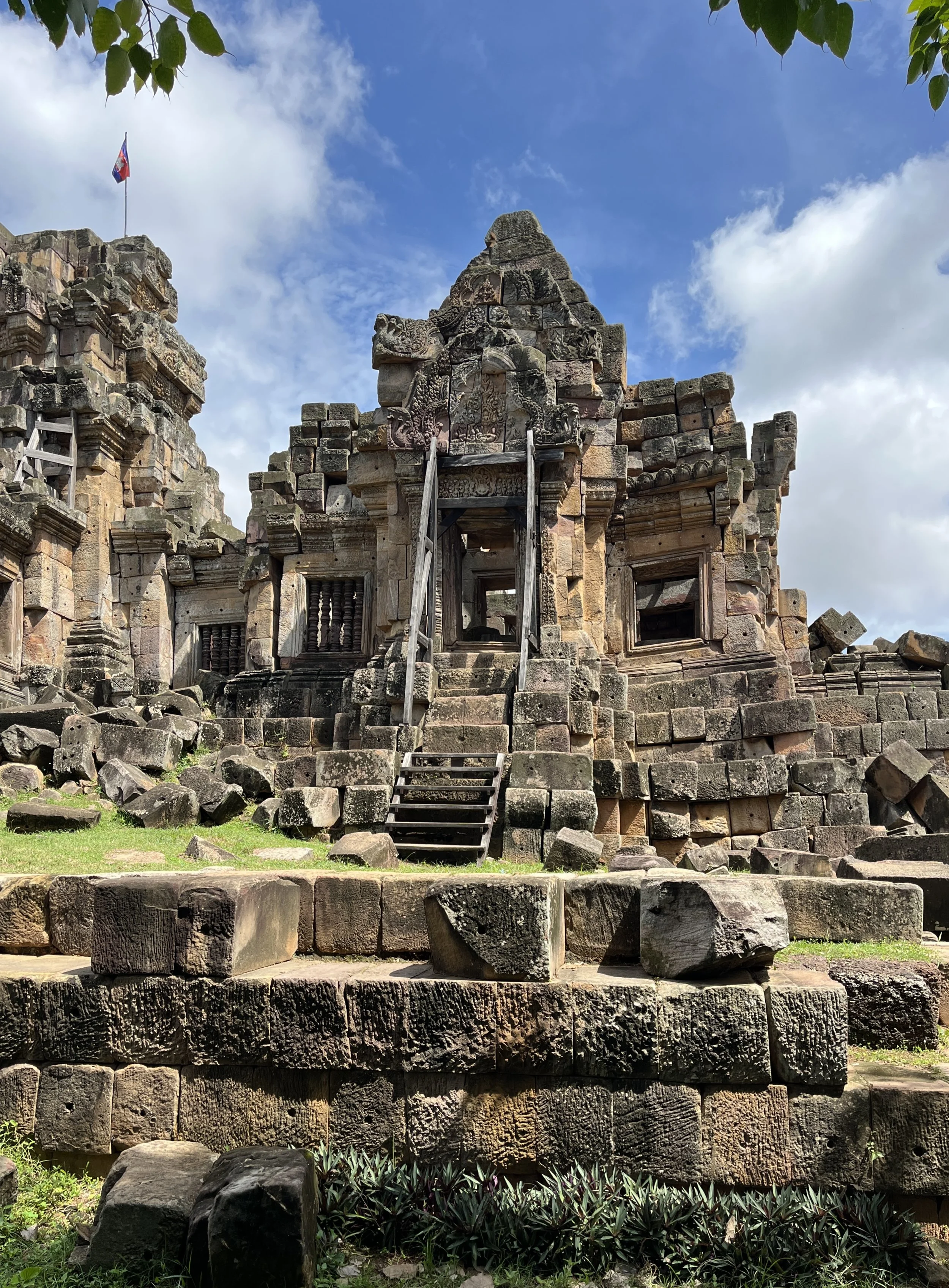
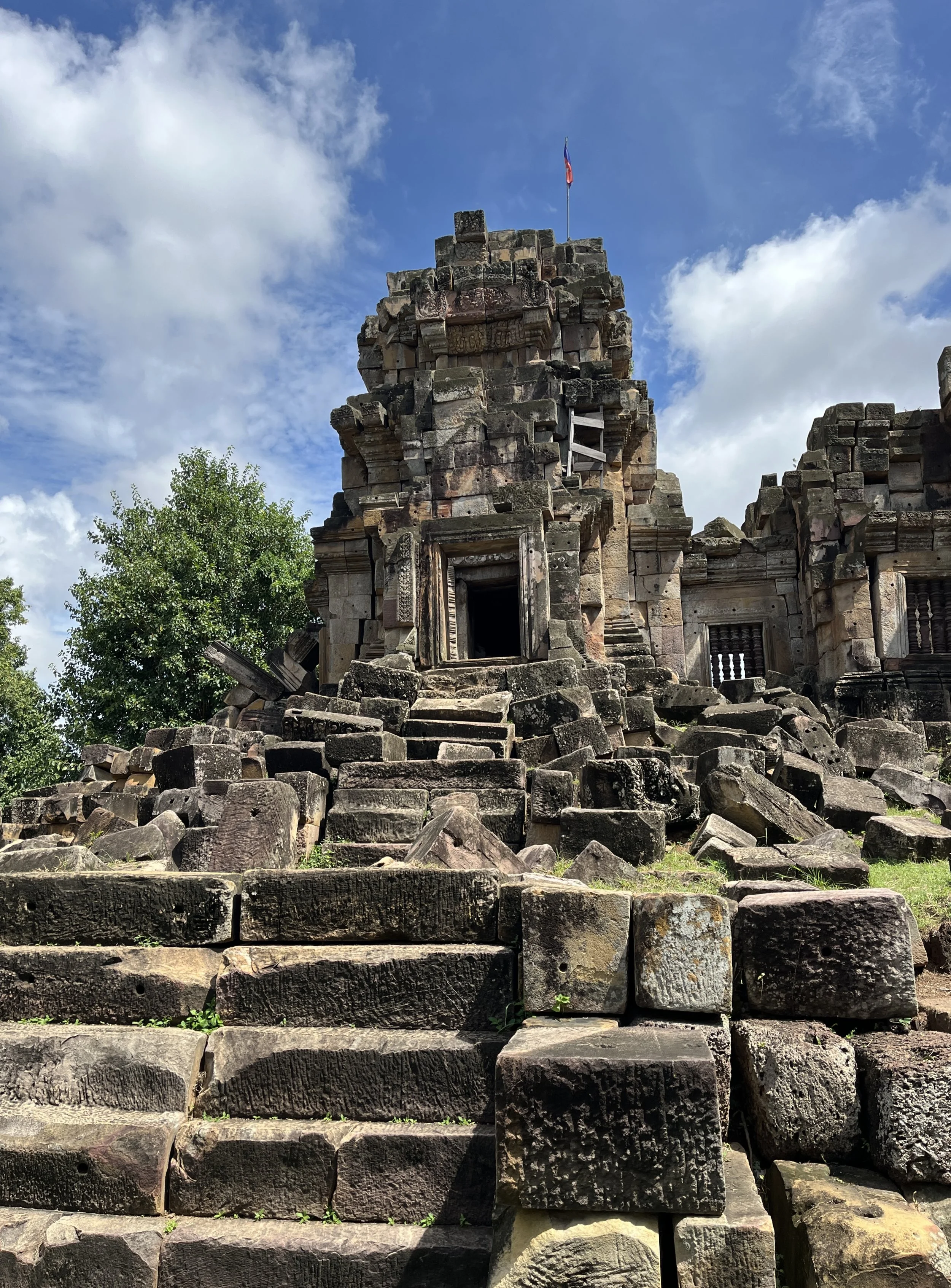
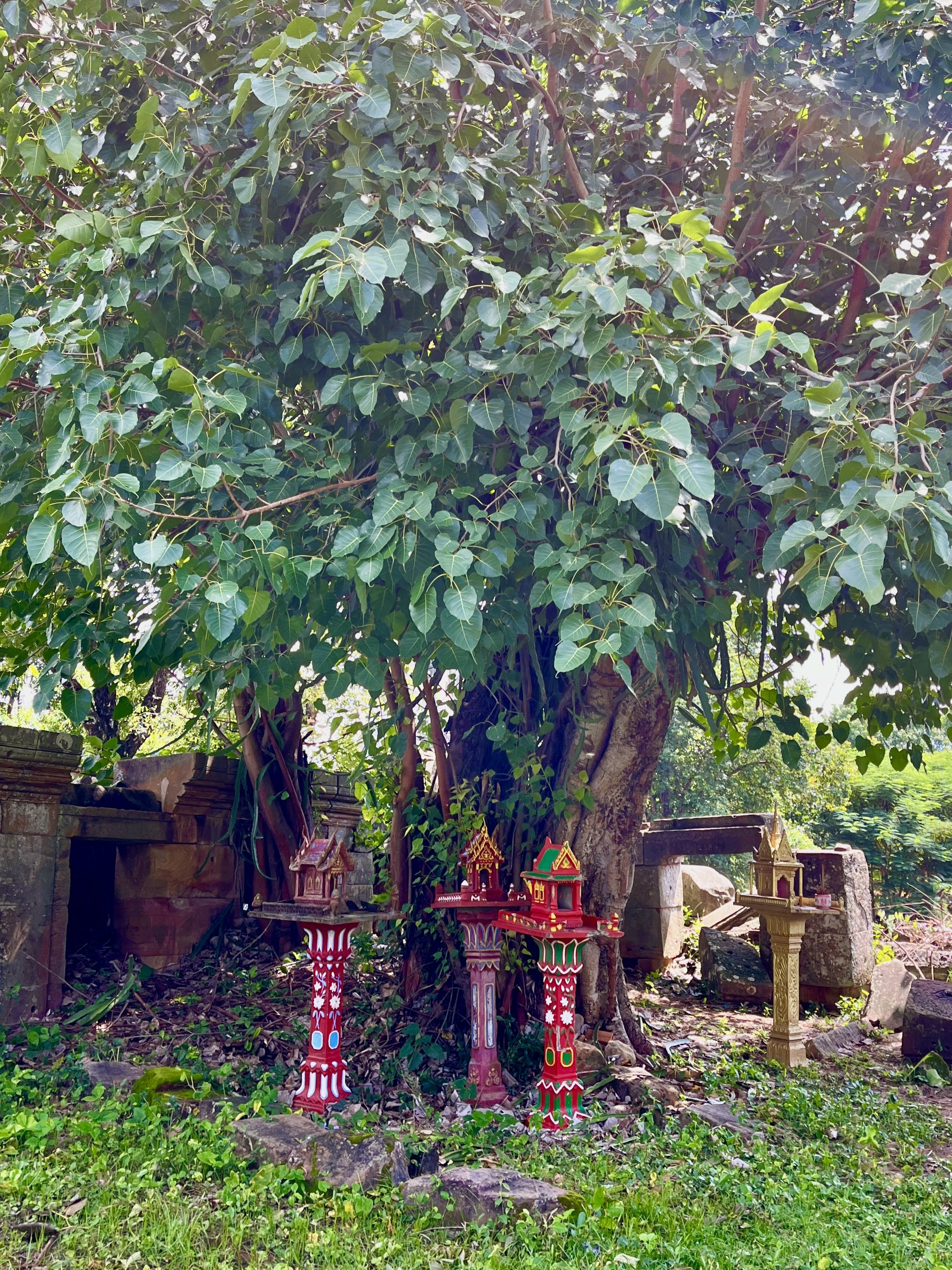
I only have a handful of photos taken on a beautiful sunny day because the tour I was on covered literally every landmark in Battambang in a single very long day, and there was no time to get closer, climb up and inside etc.
I wanted to see more and went back by myself, despite the weather being miserable for 2 weeks straight.
An accidental selfie taken while fumbling in the rain
As the photos attest . . . it was probably not worth it. My phone camera couldn’t focus in the drizzle, there was not enough light, and I was a bit worried slipping and sliding on the completely unsecured stone with nary a handrail.
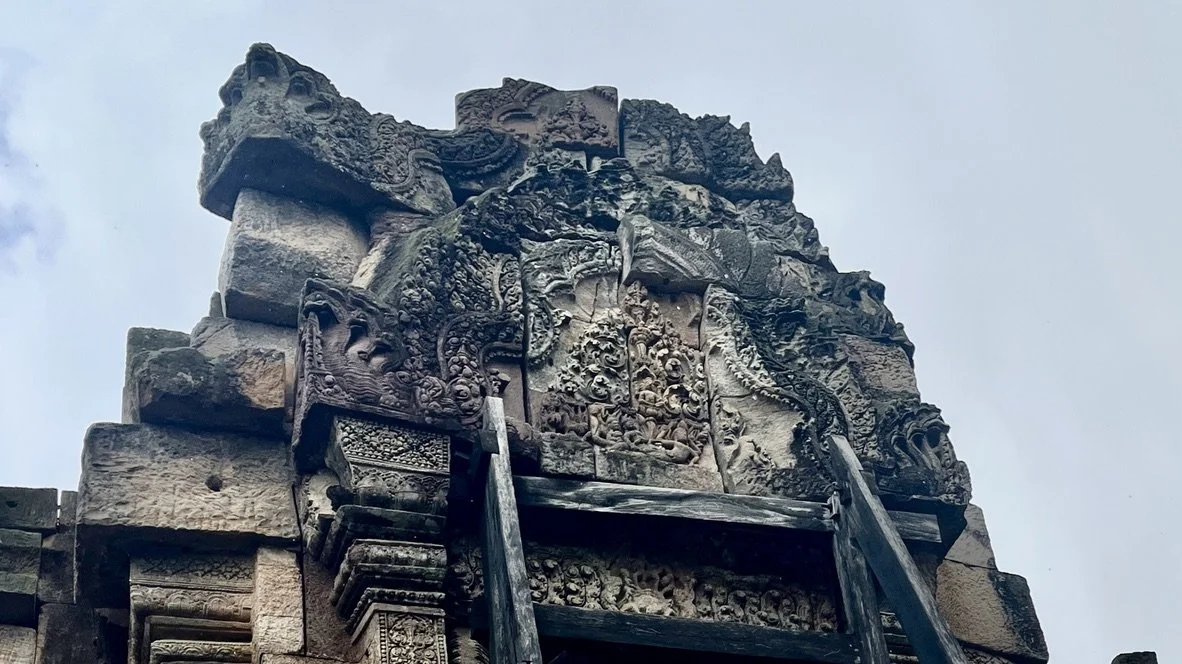
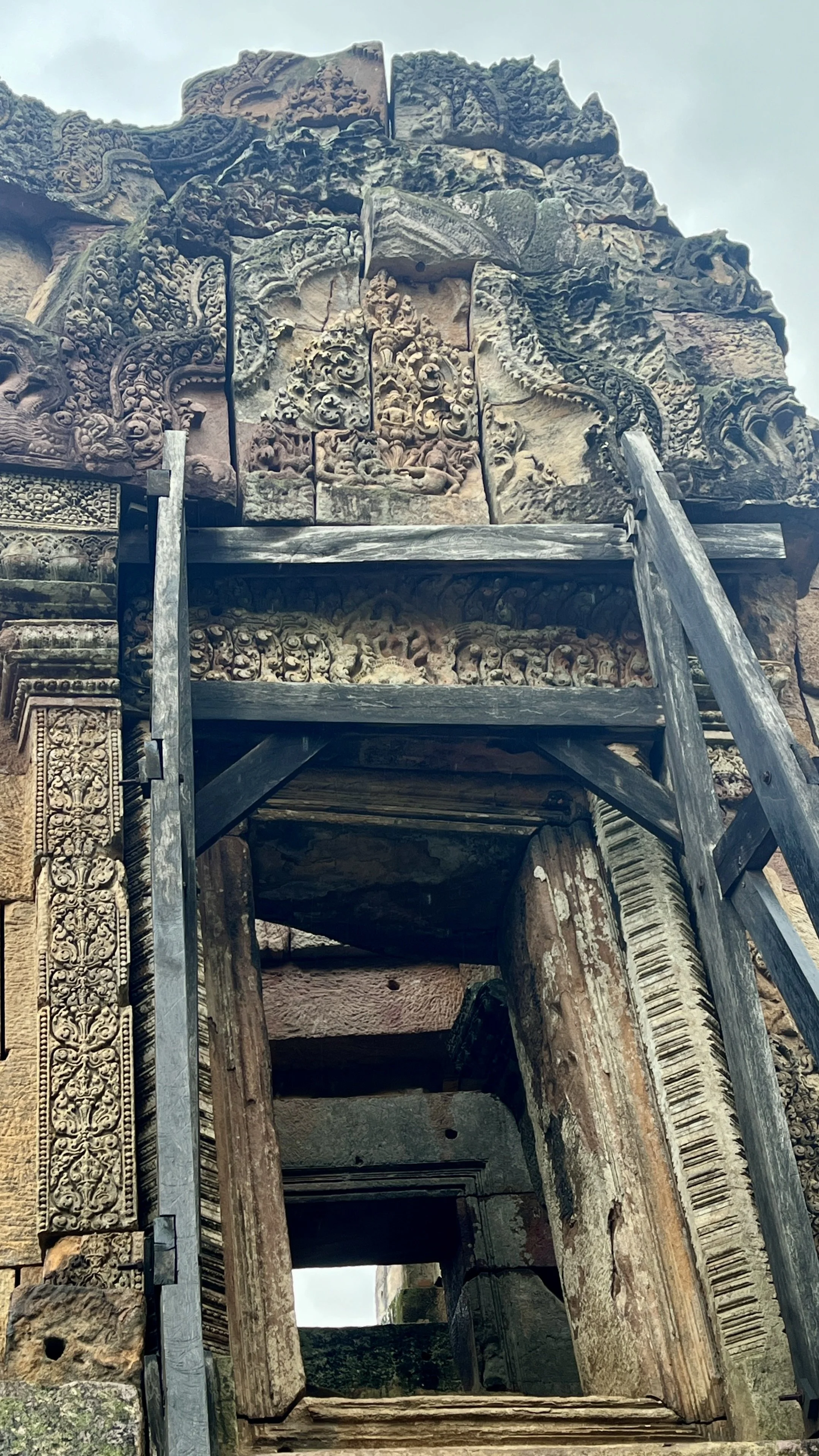
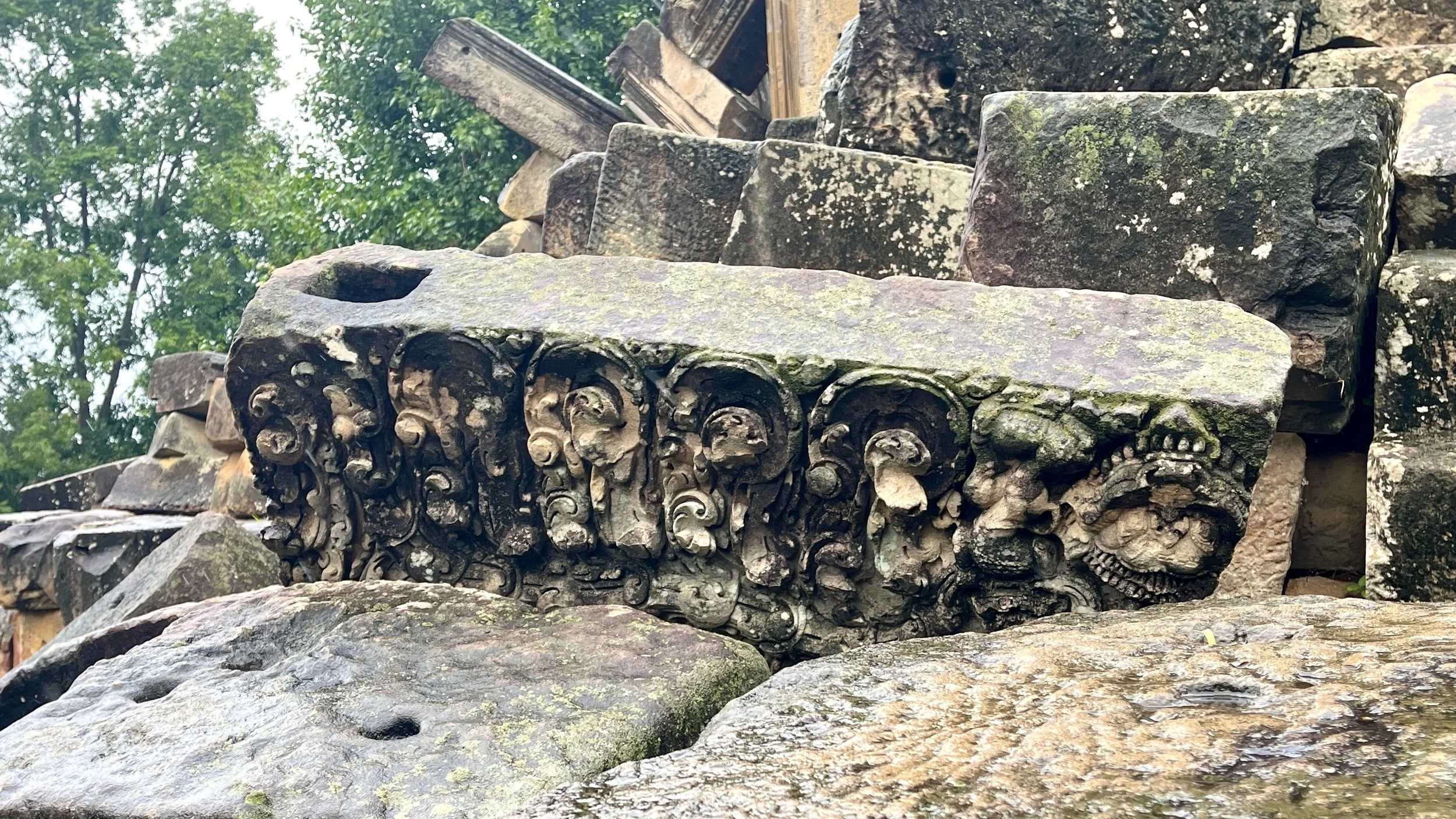
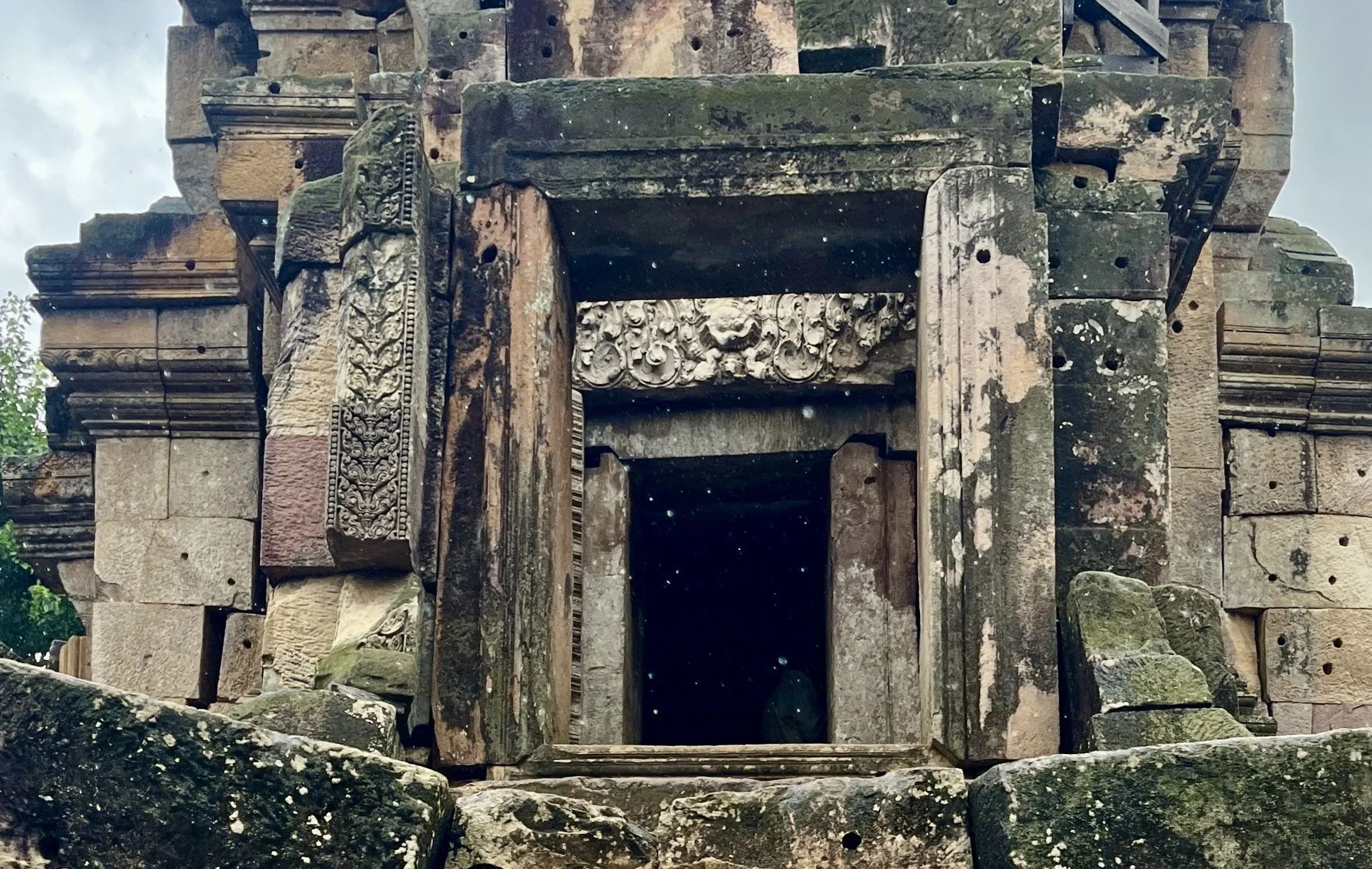
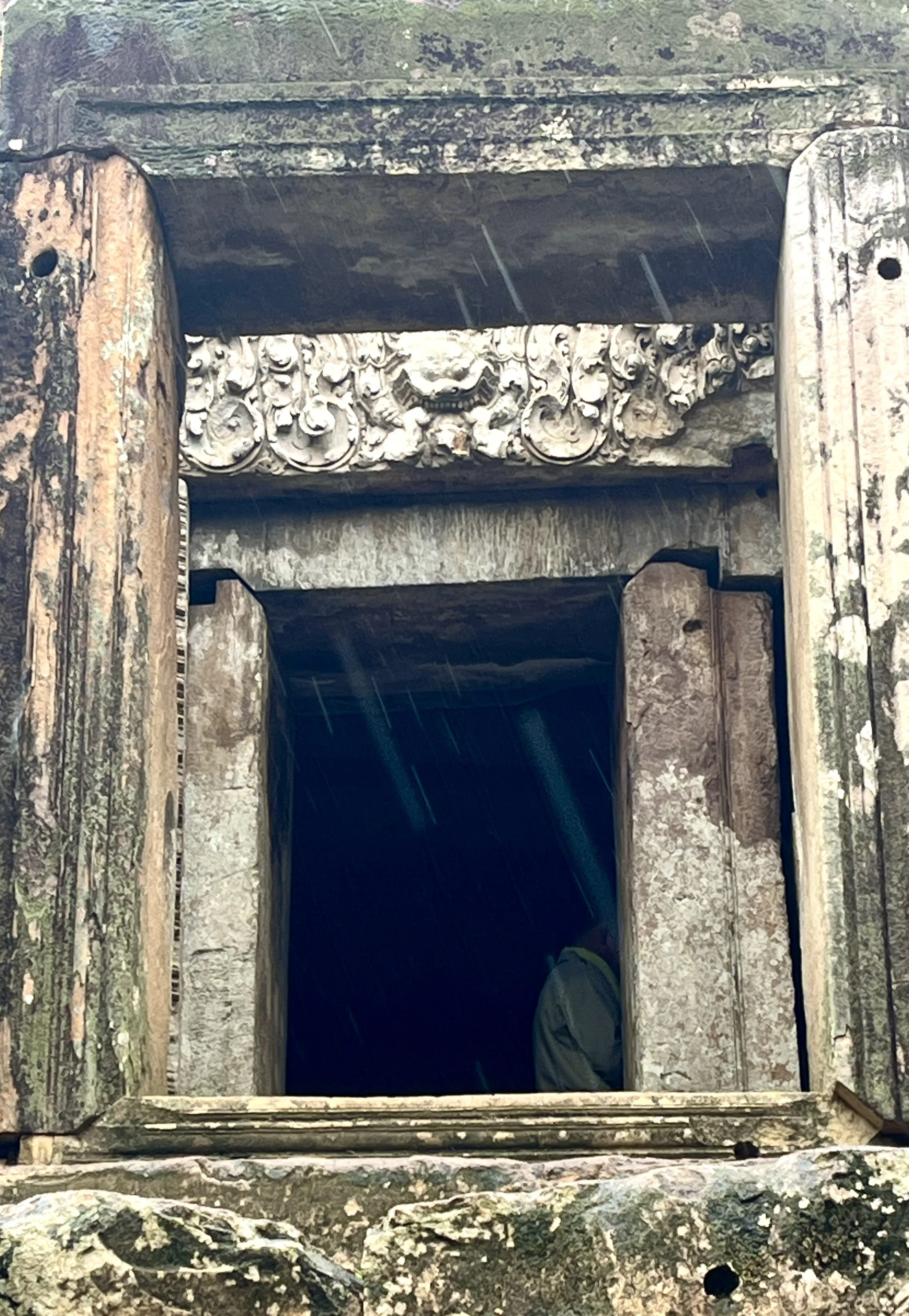
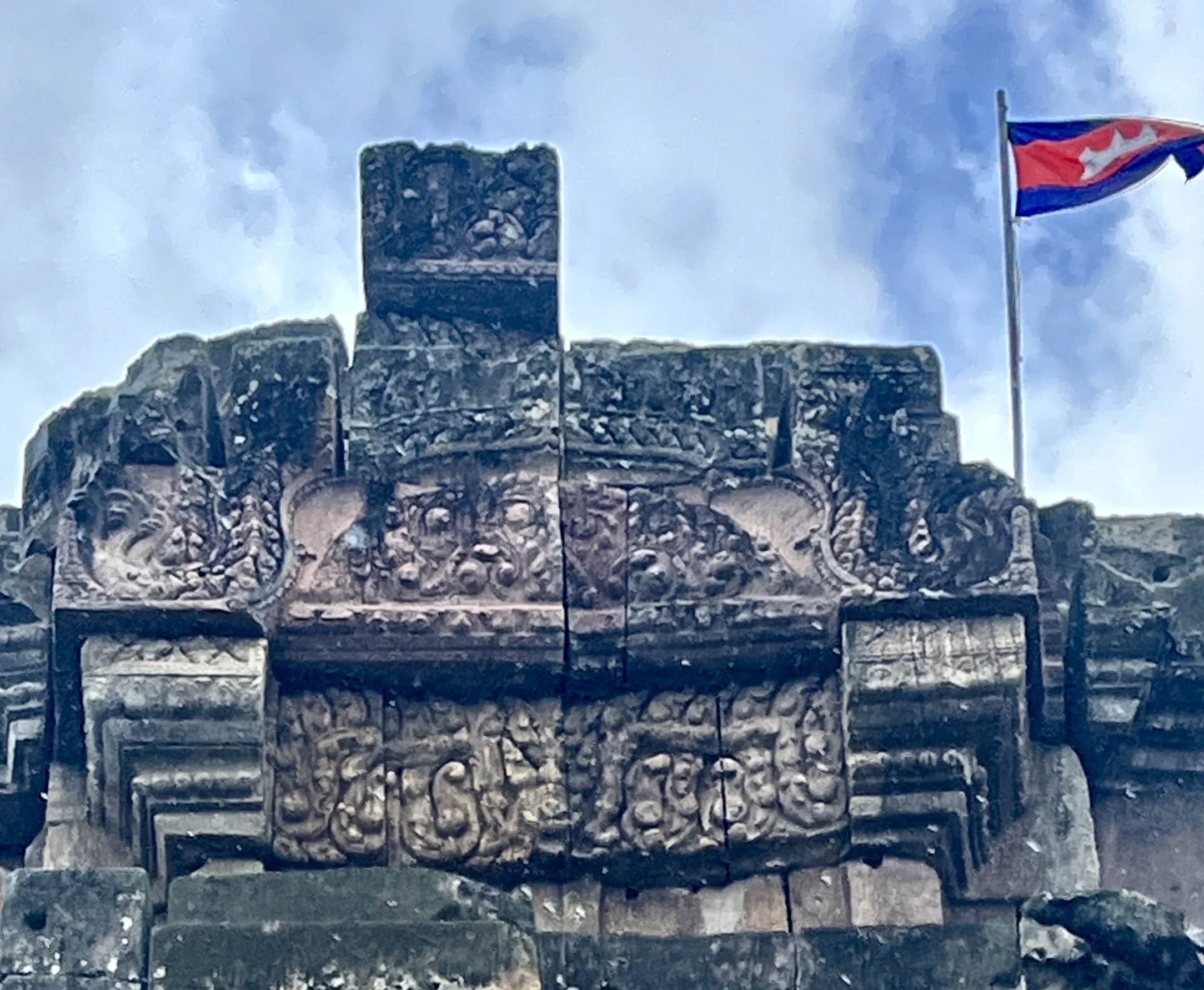
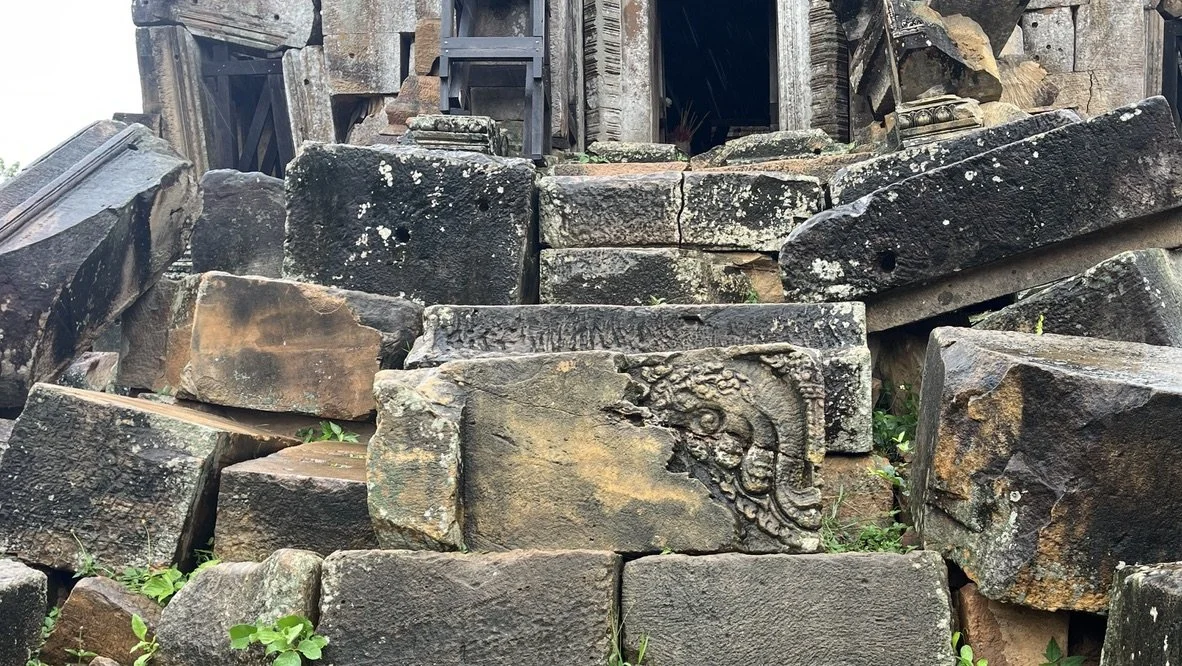
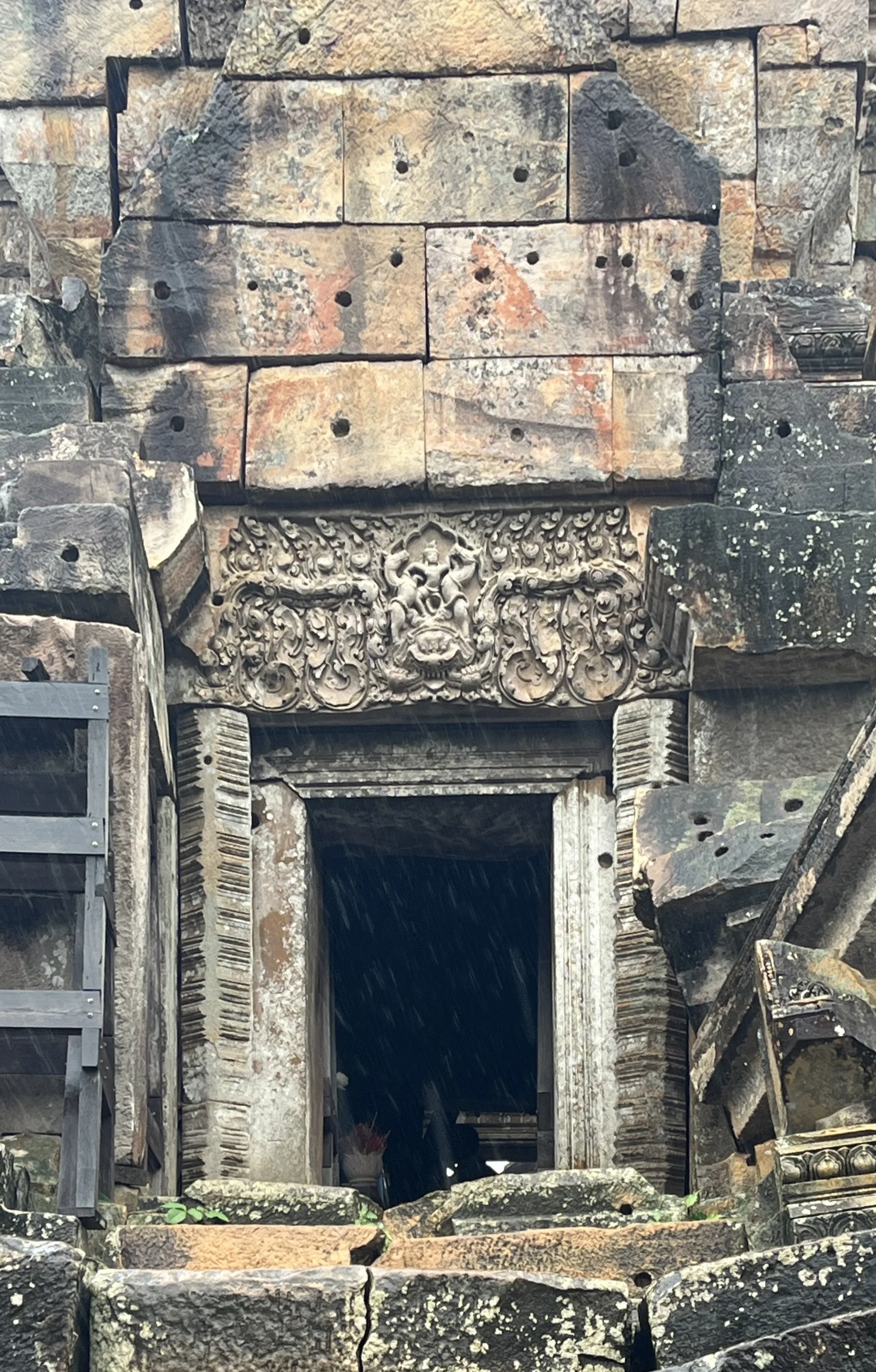
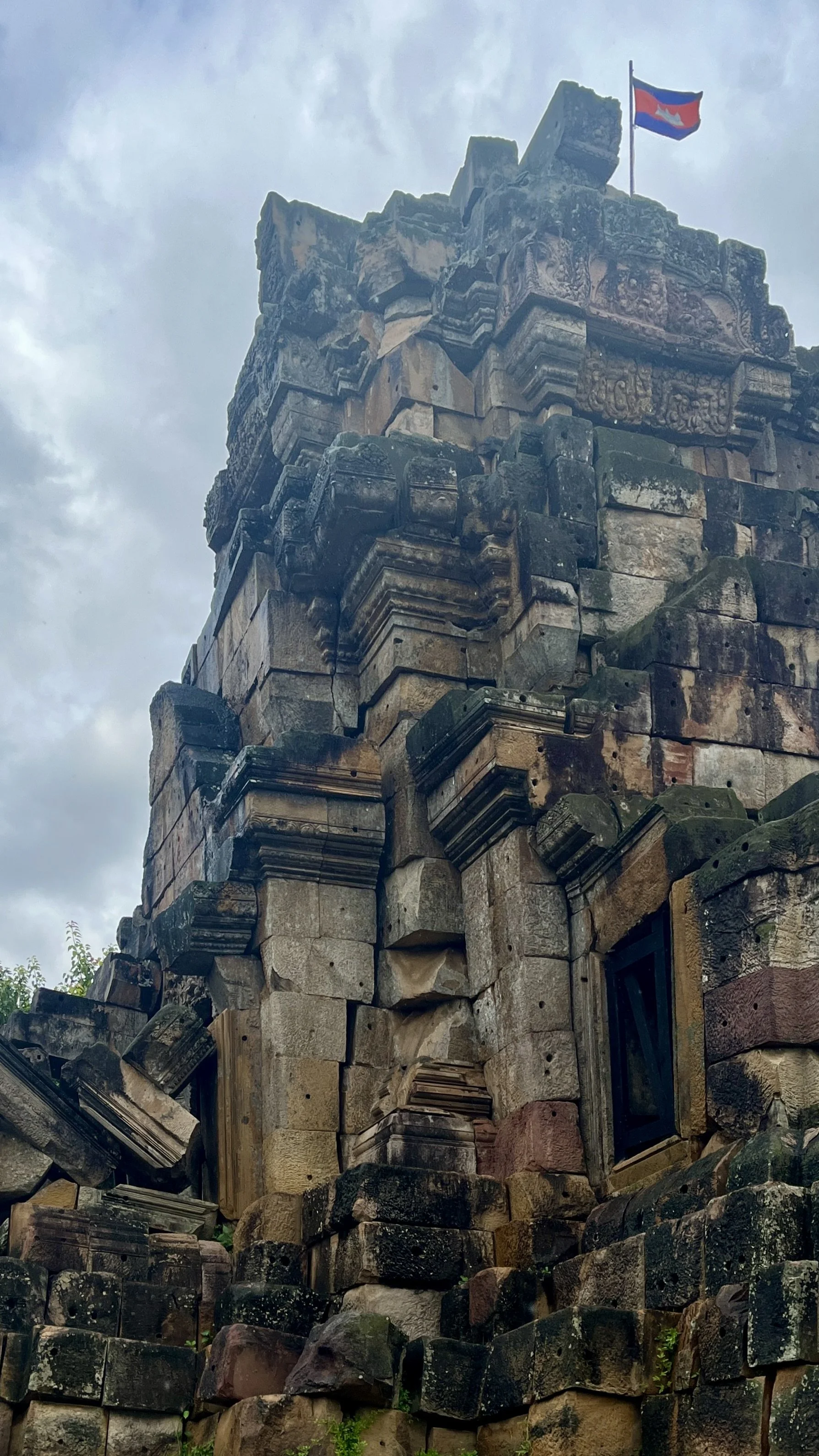
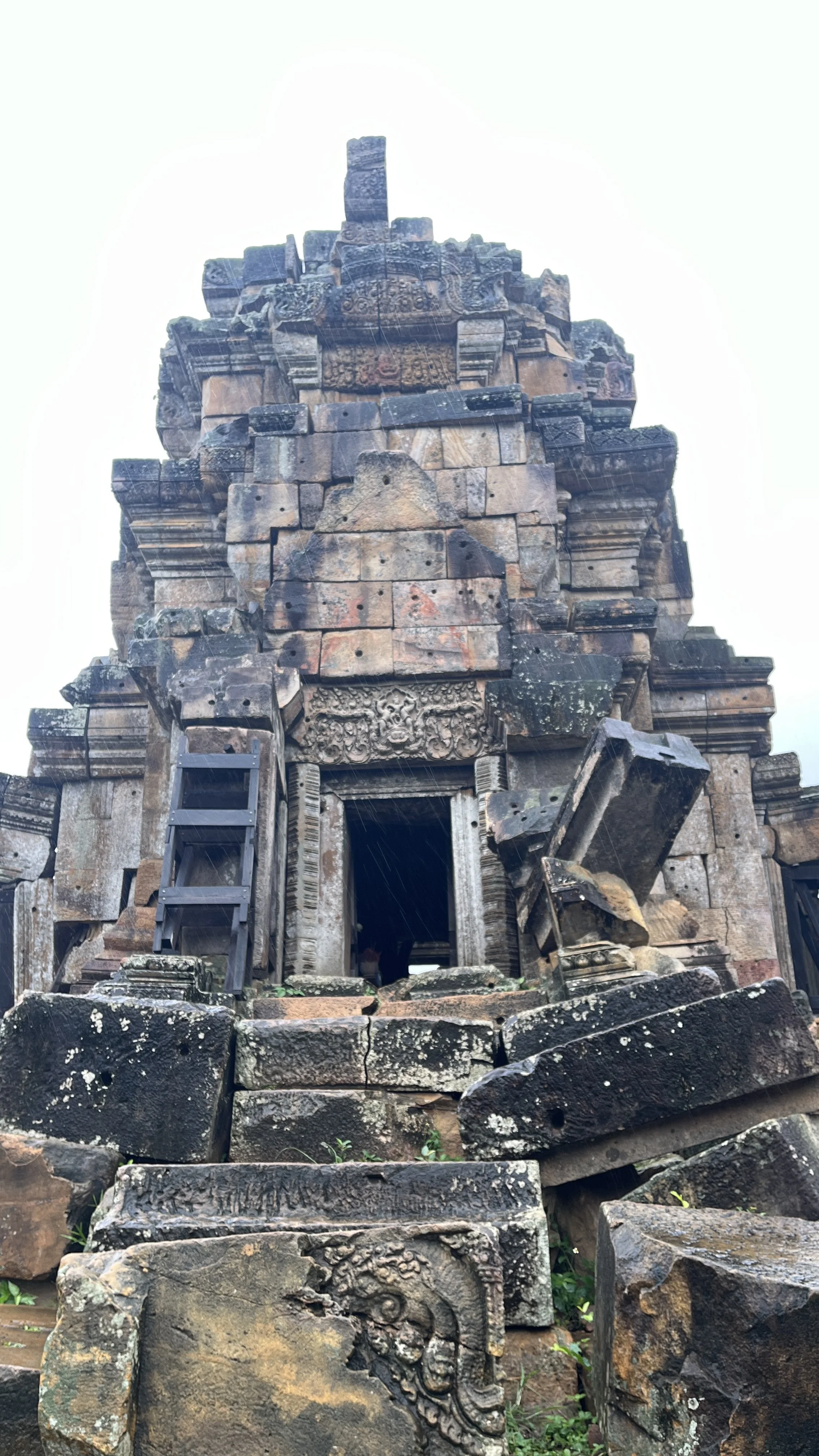
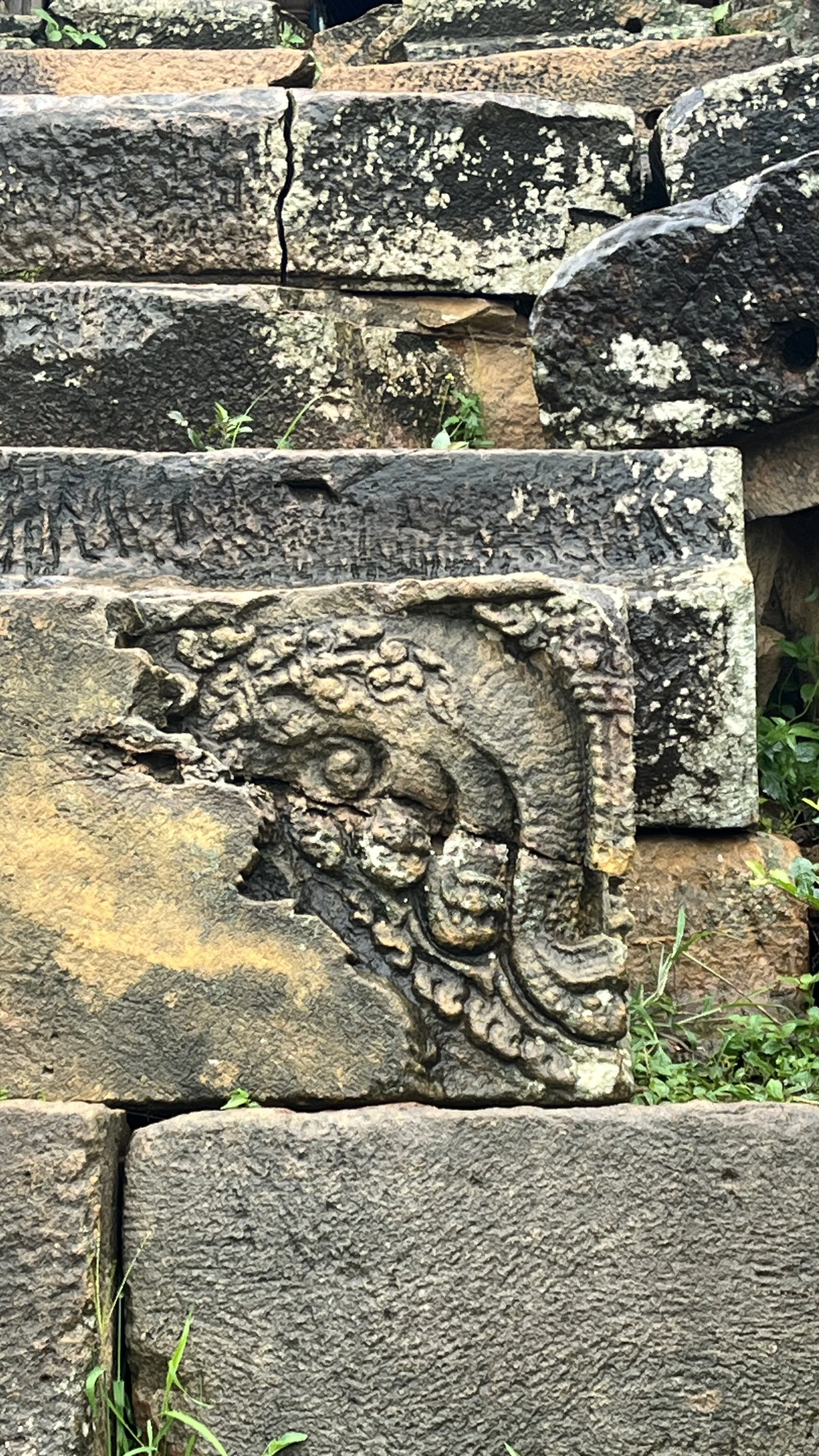
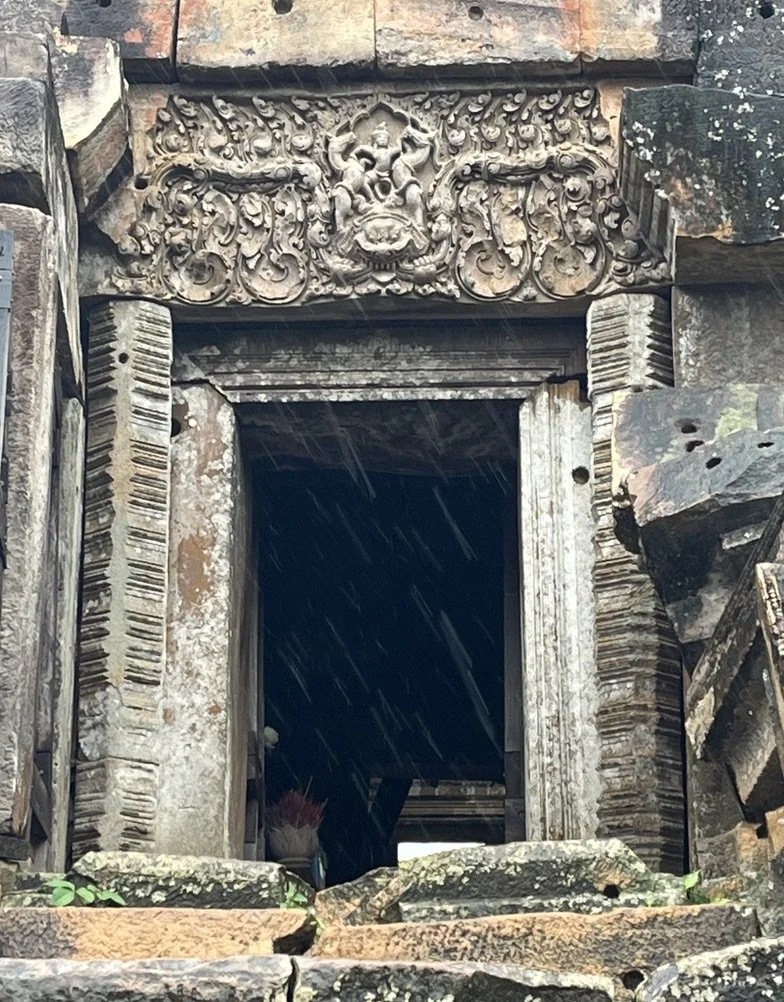
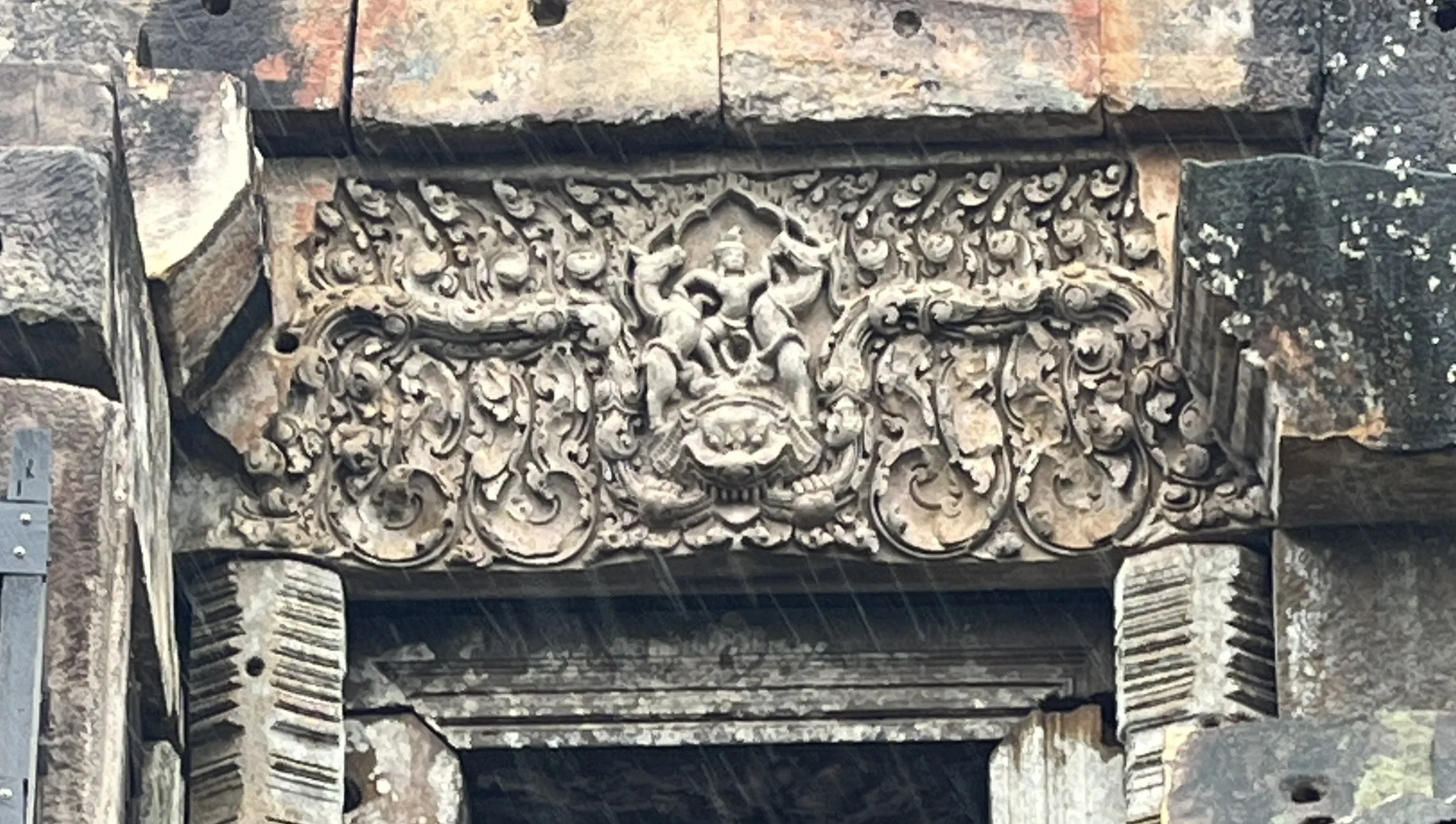
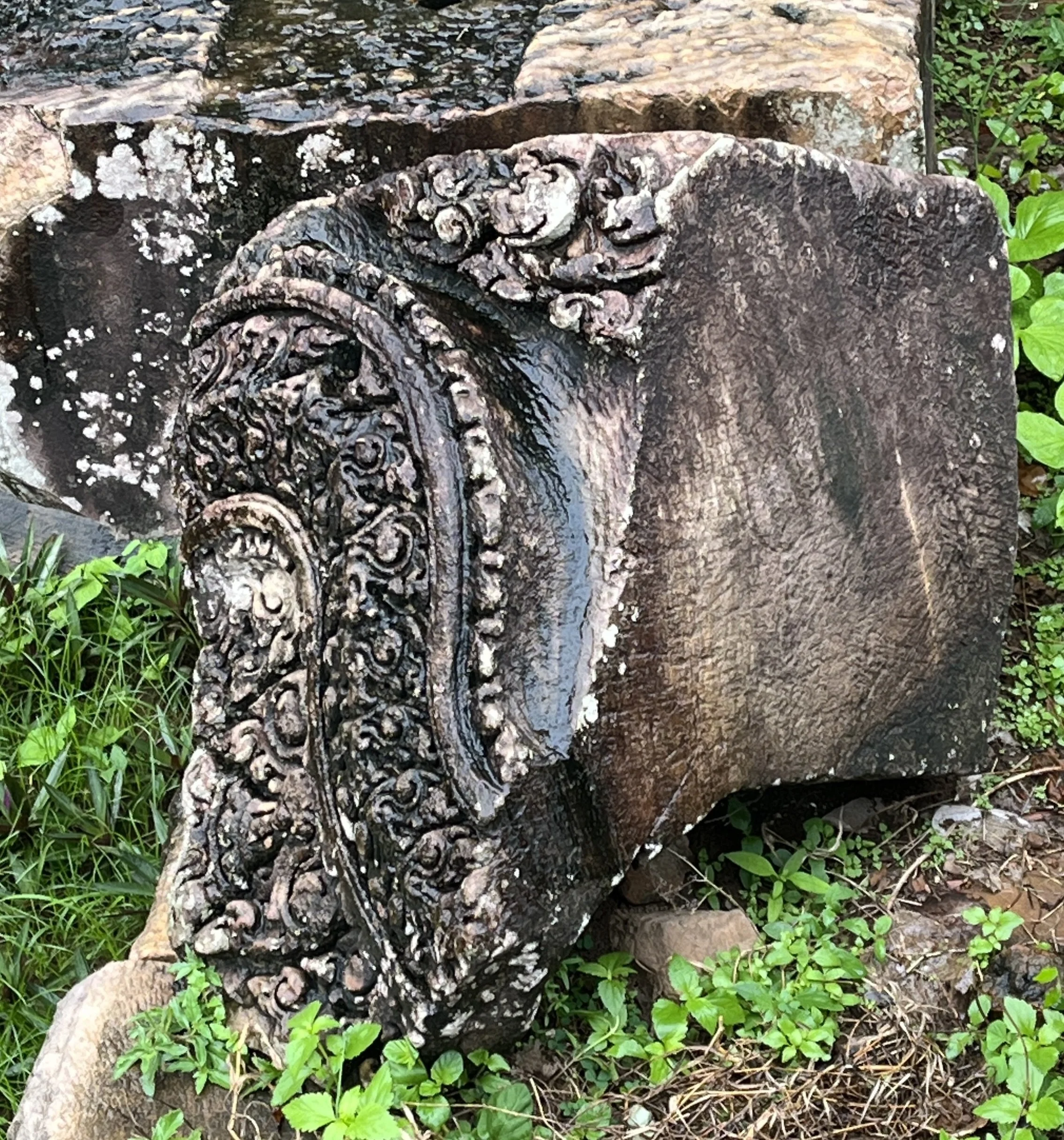
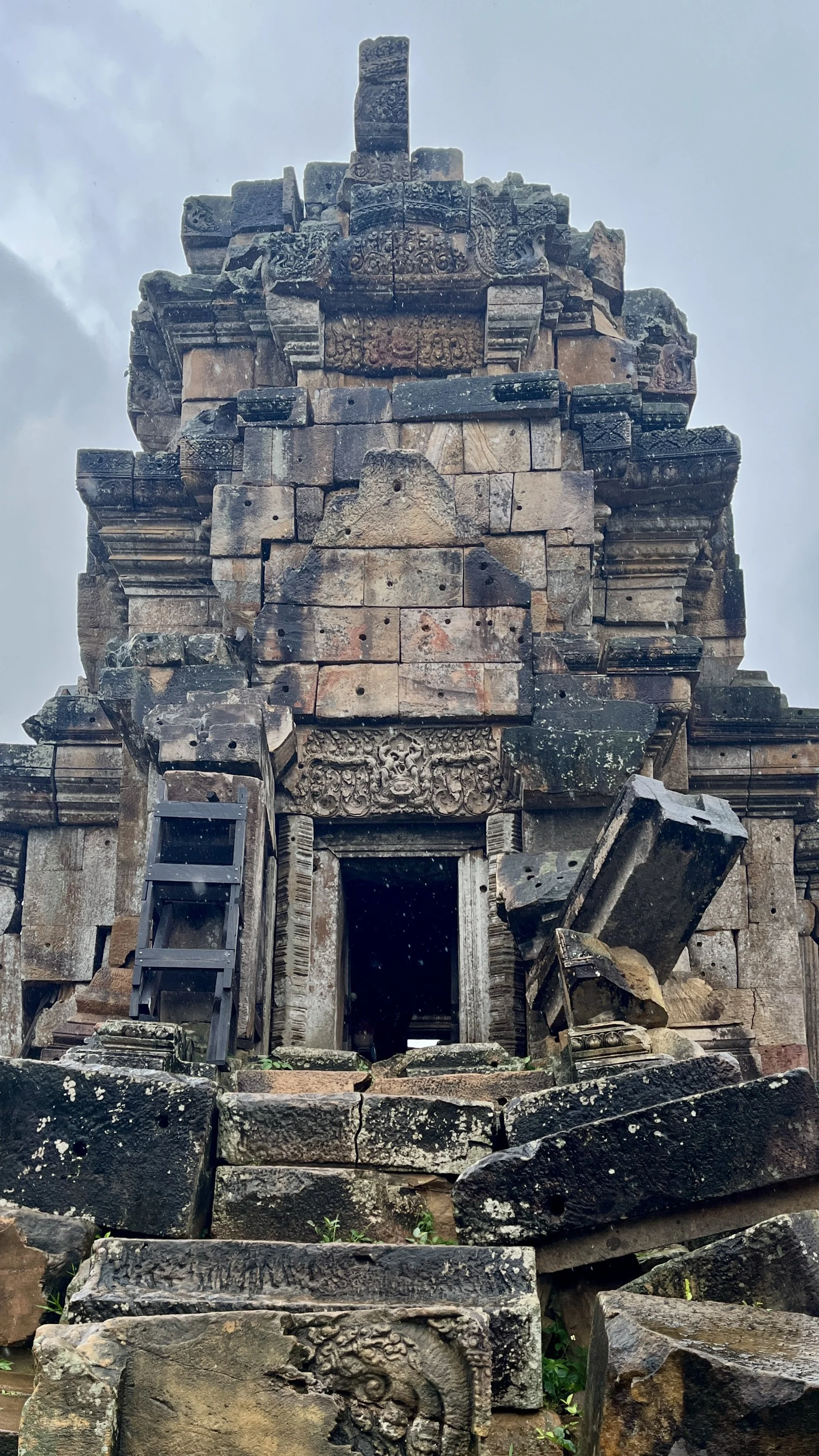
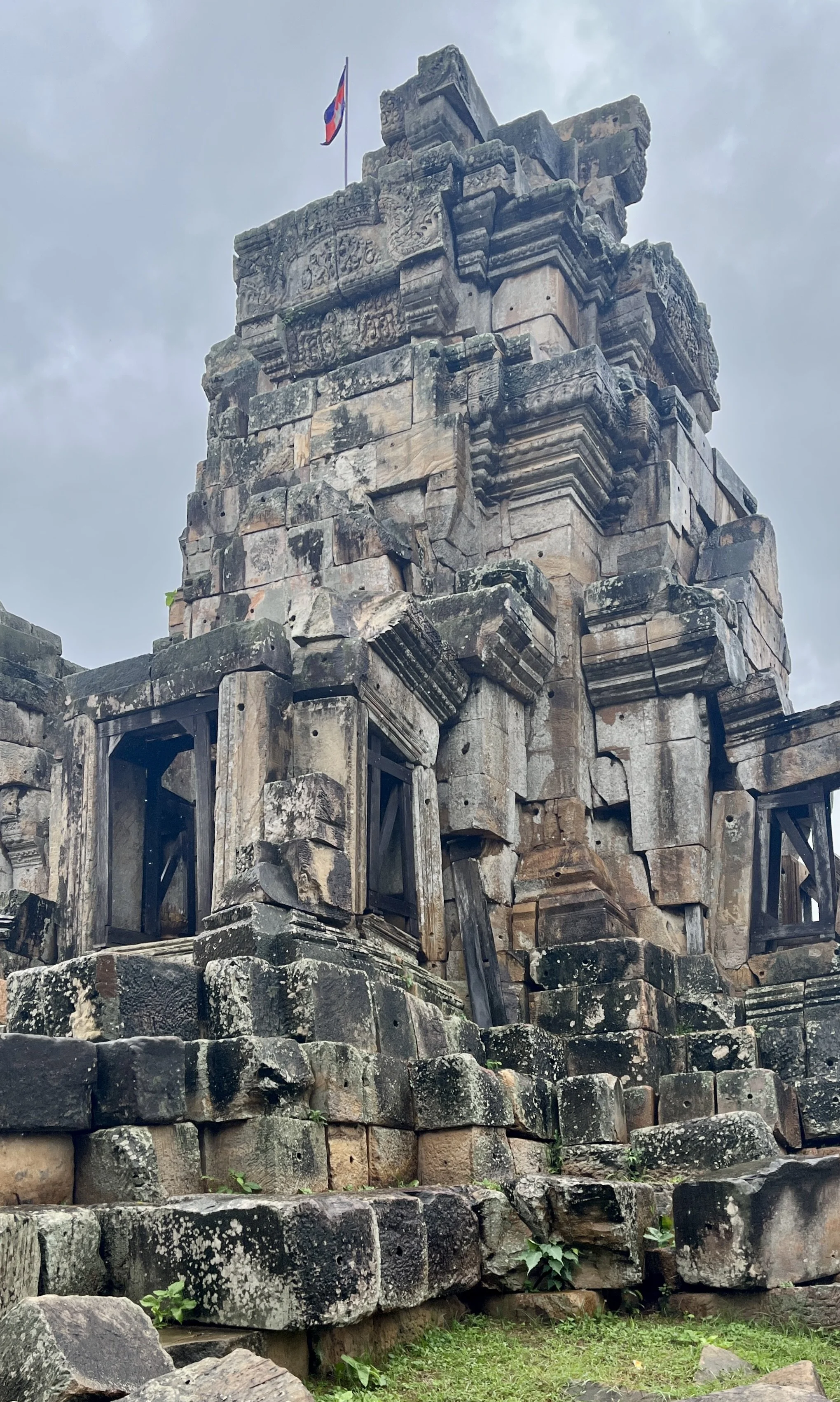
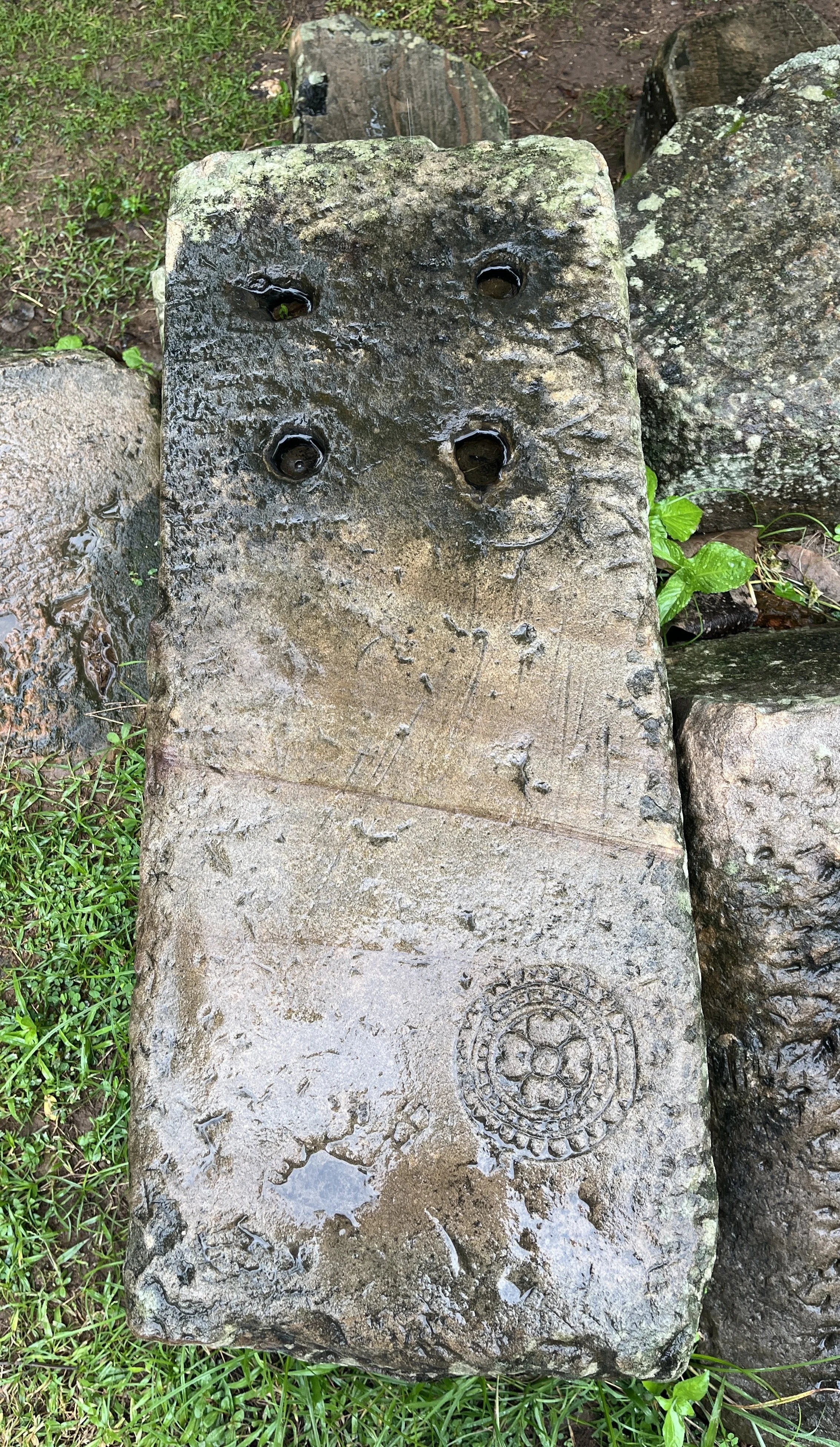
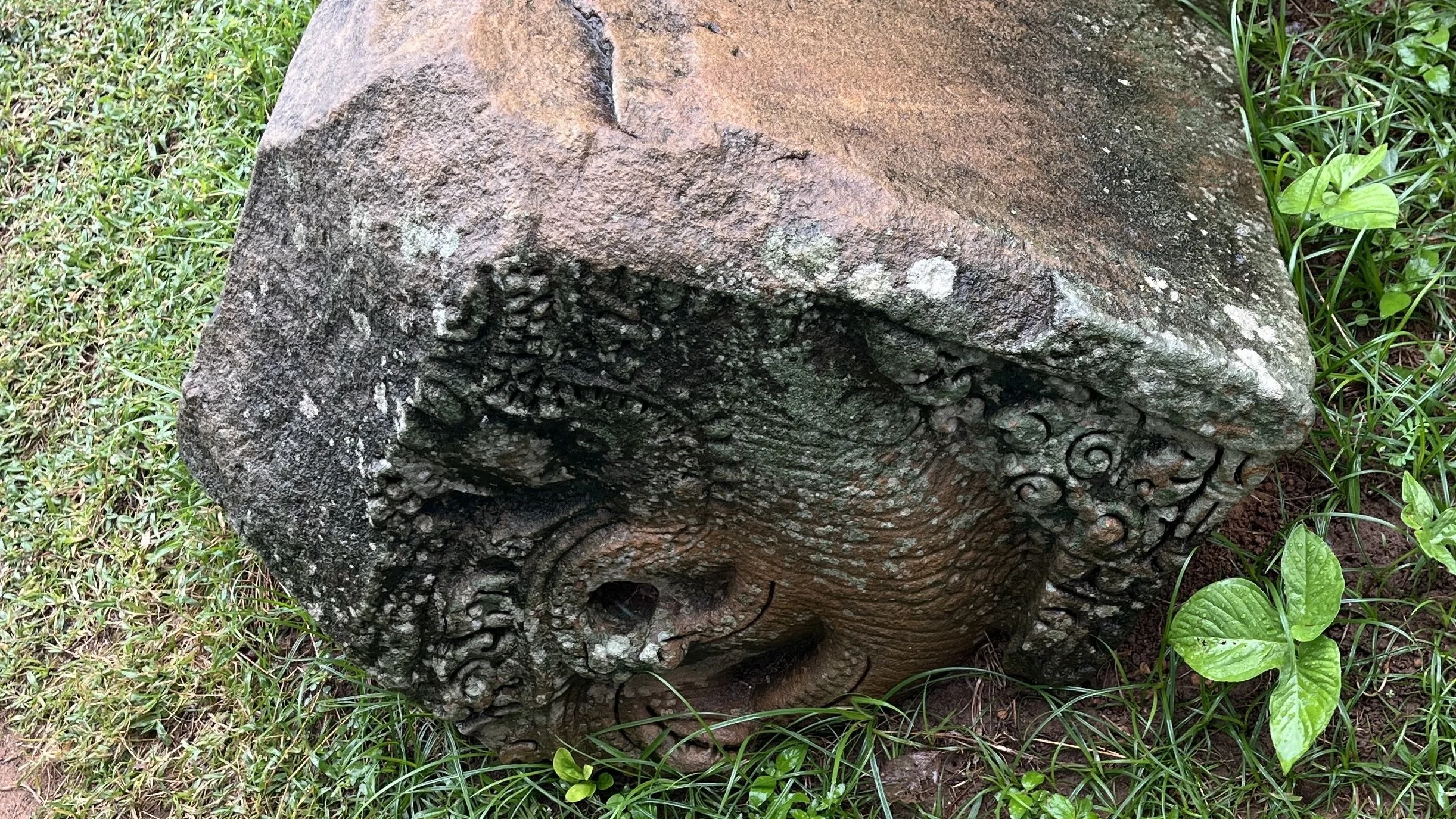
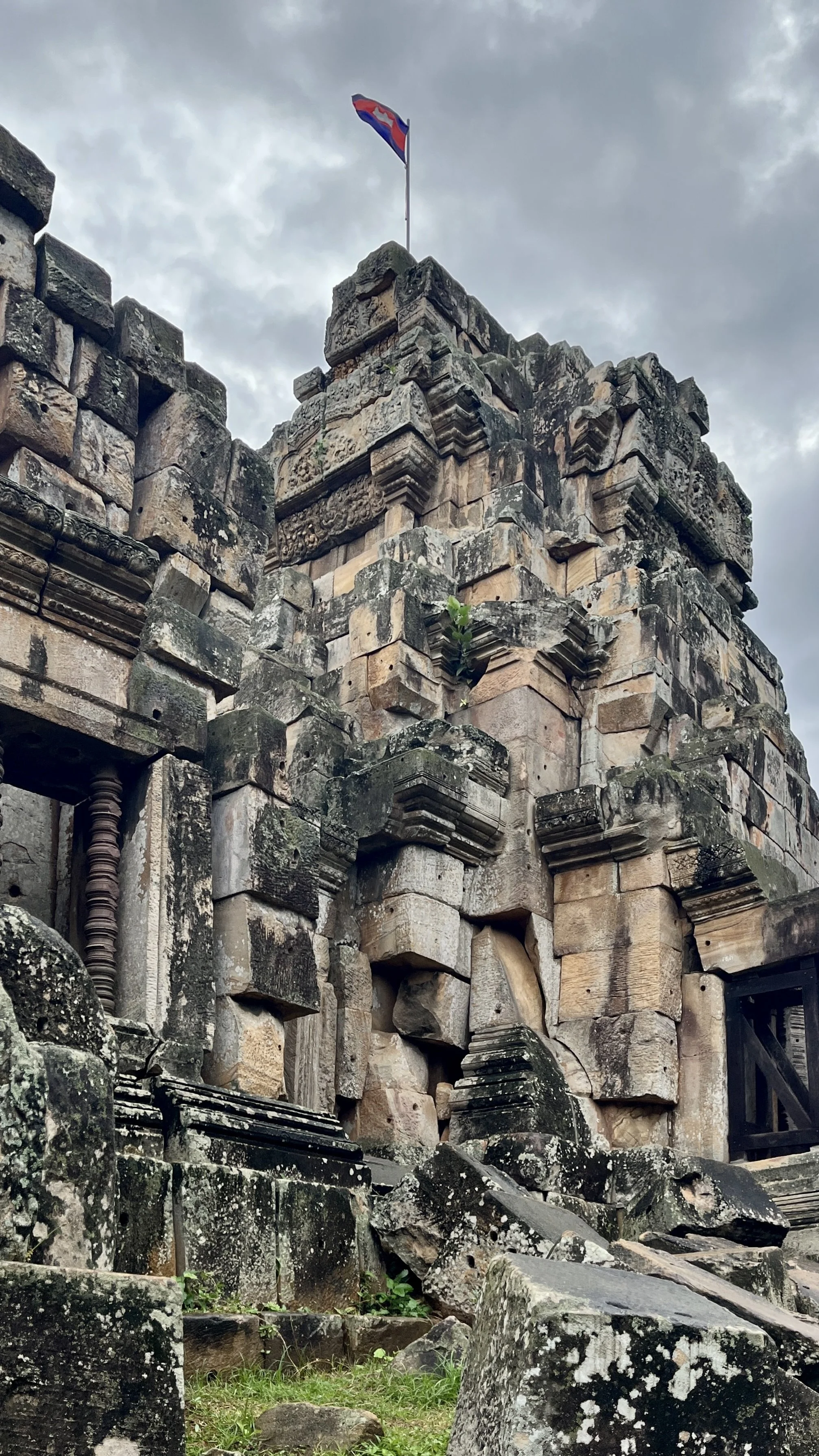
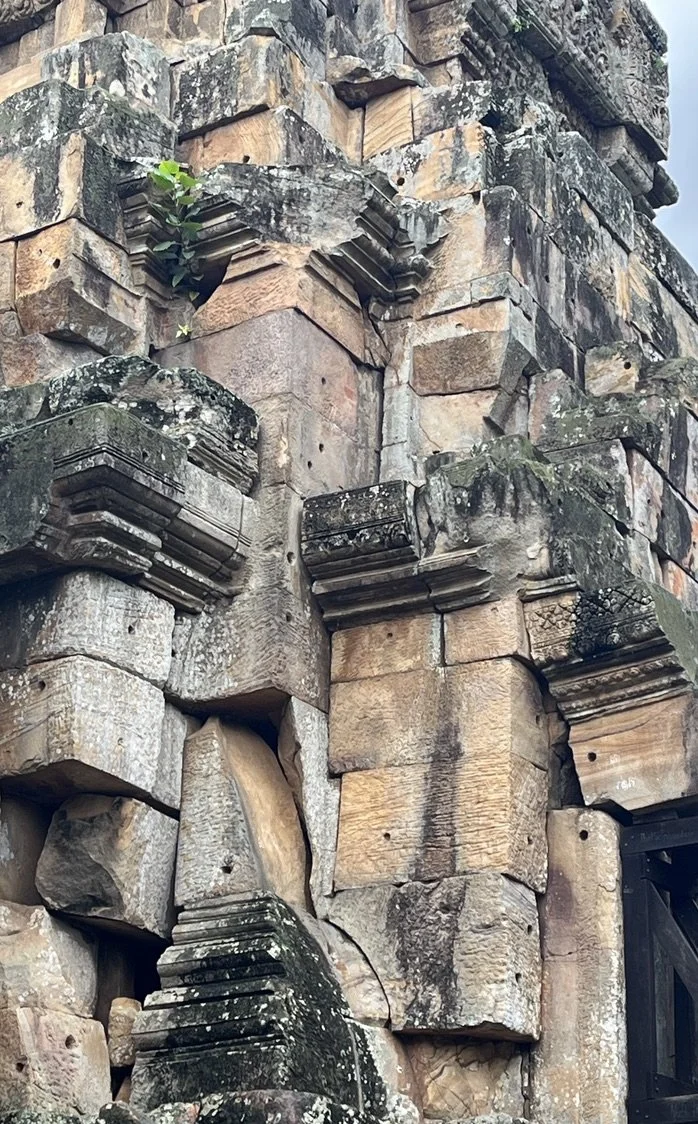
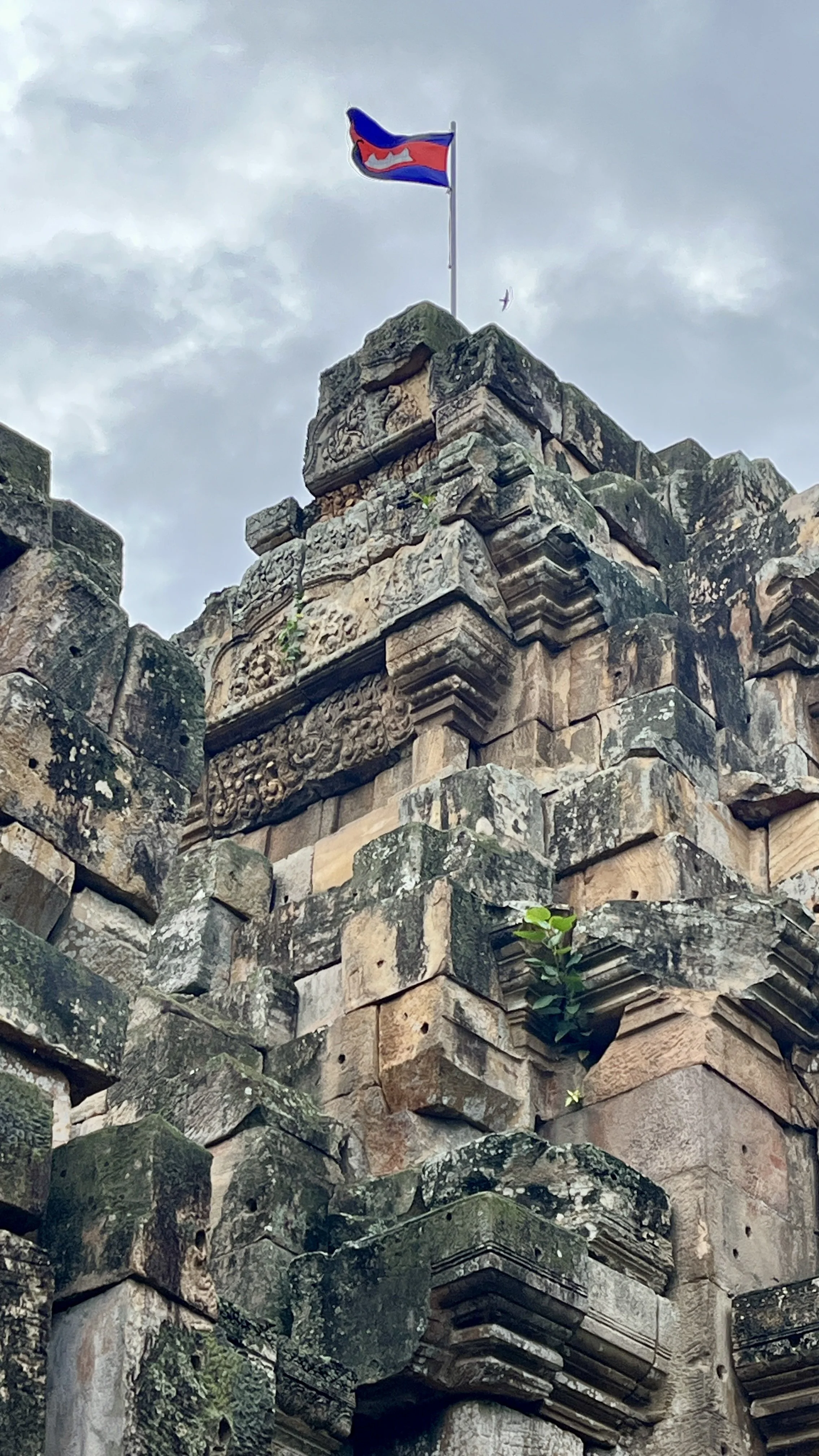
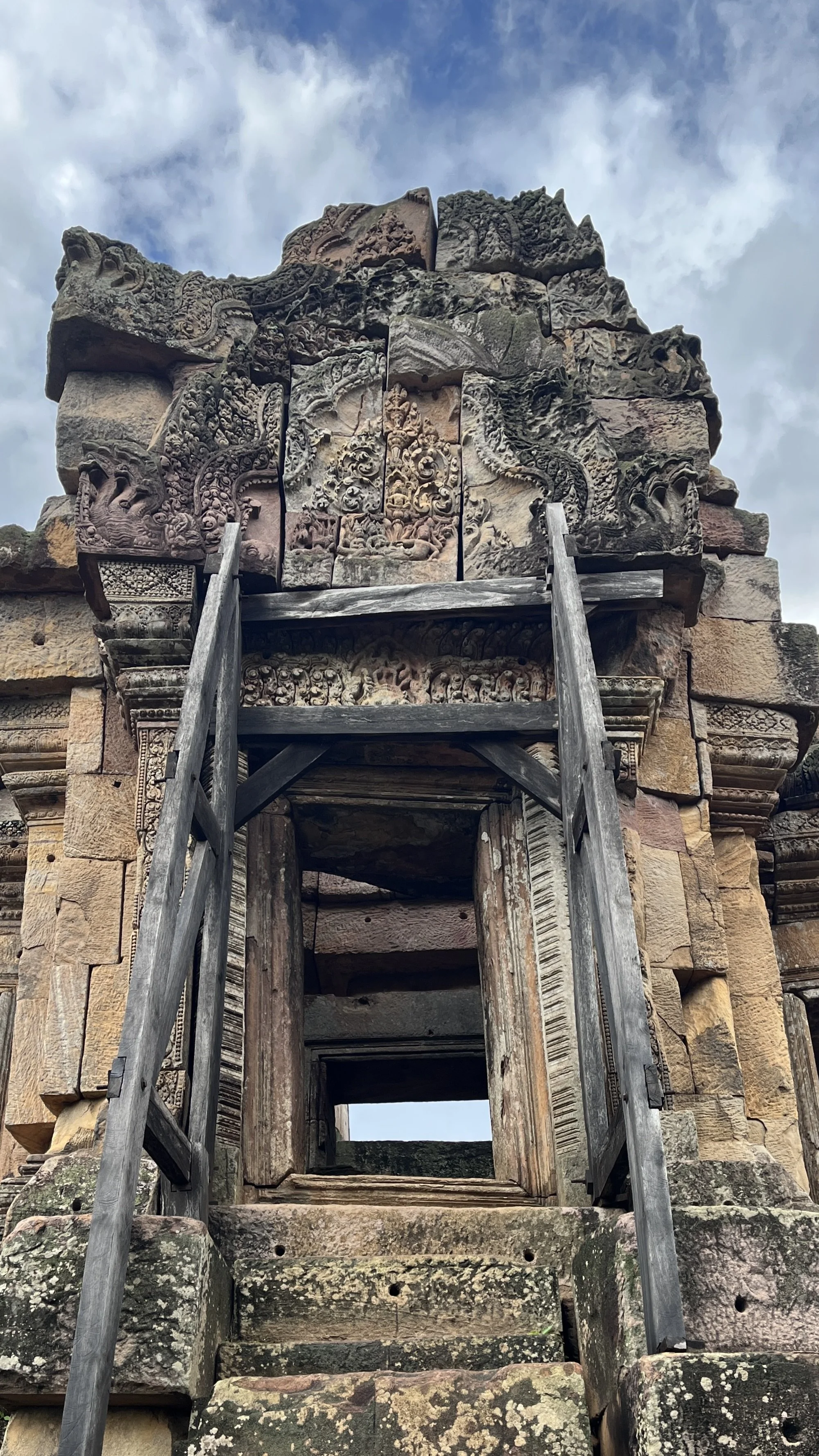
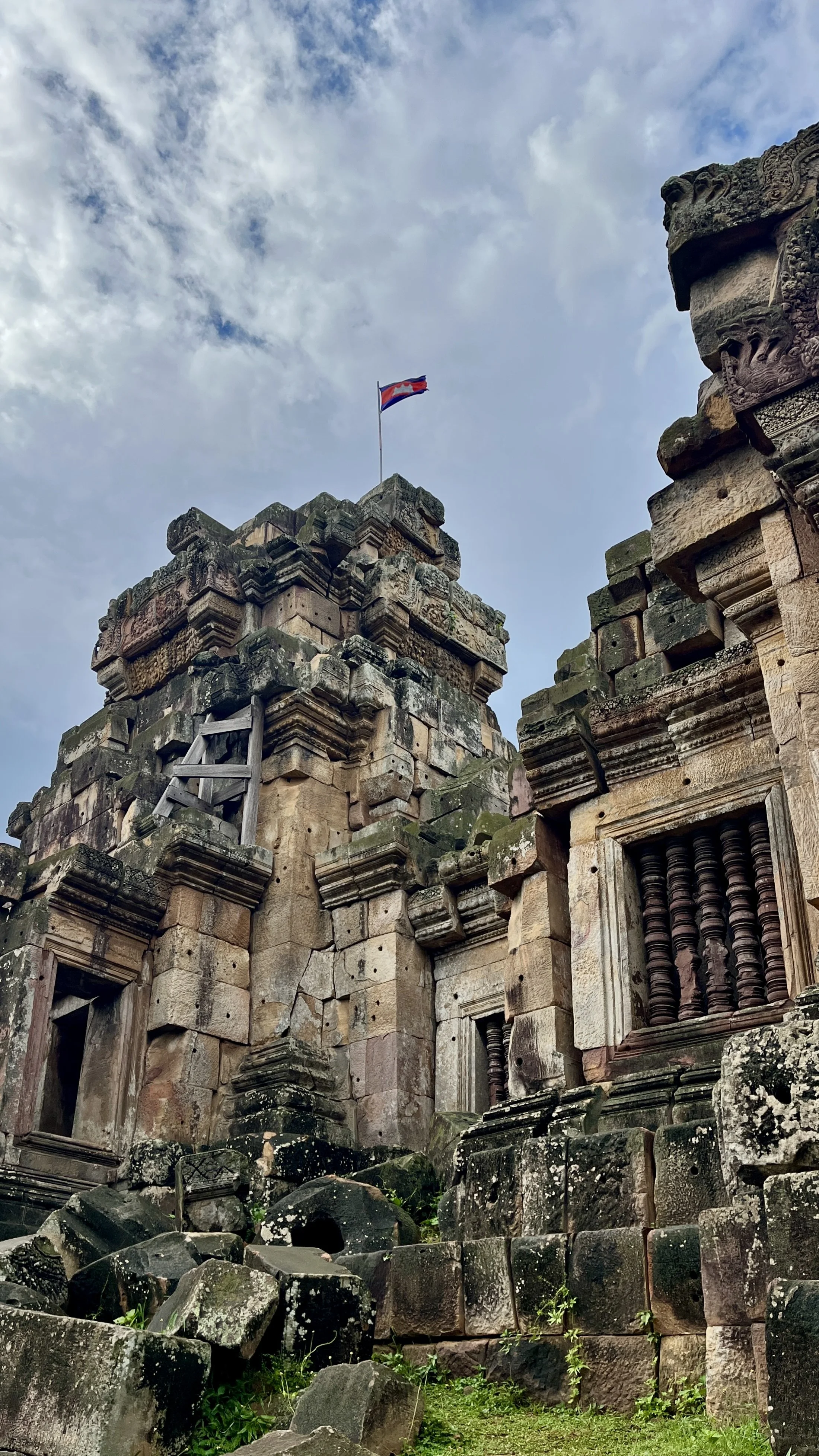
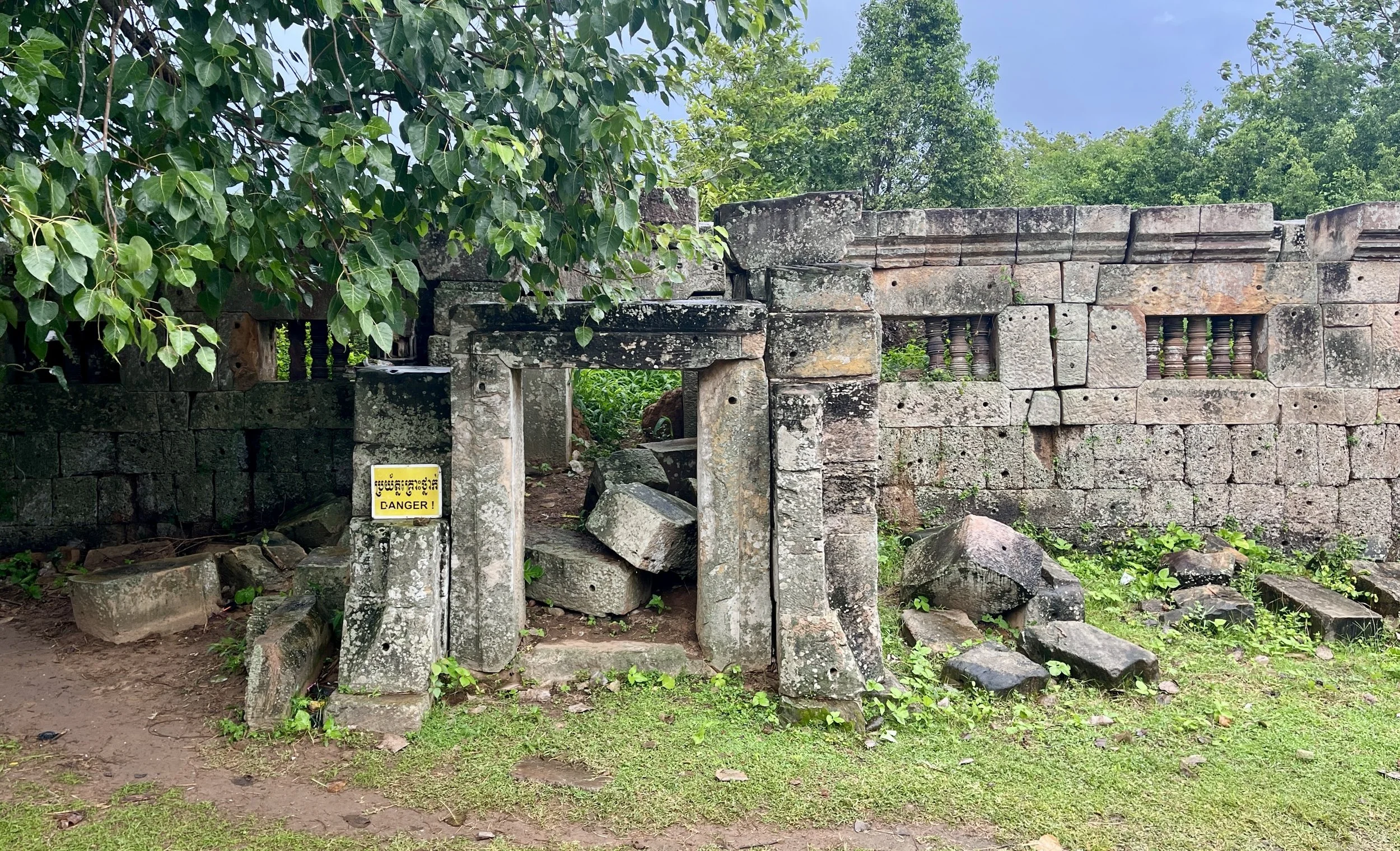
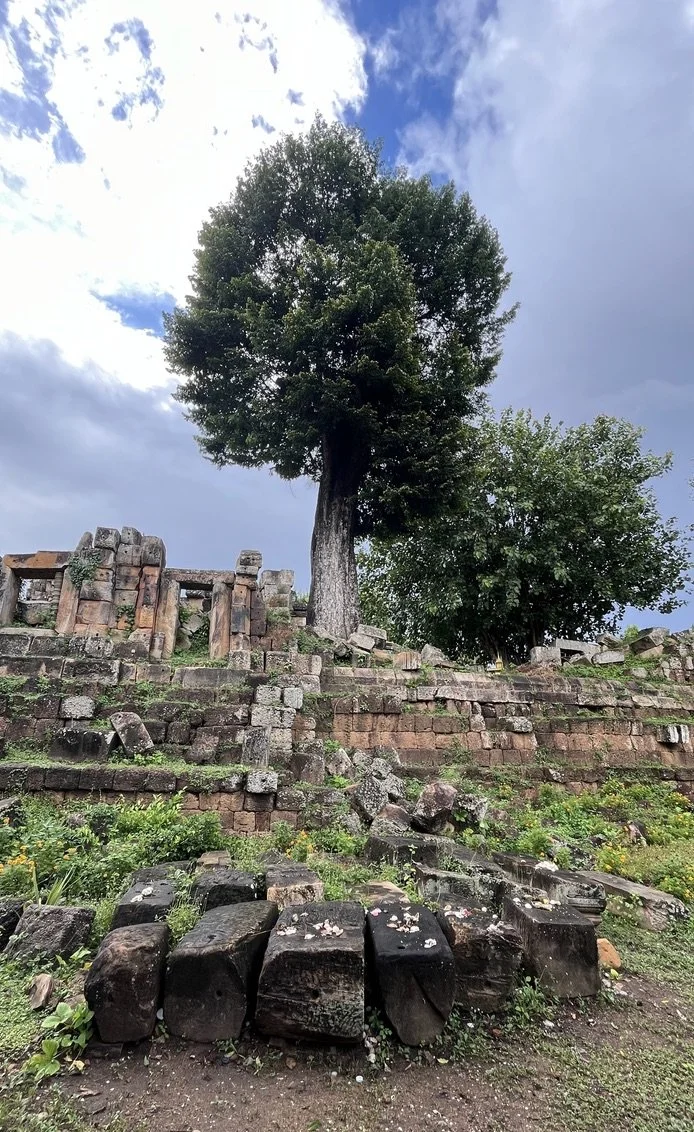
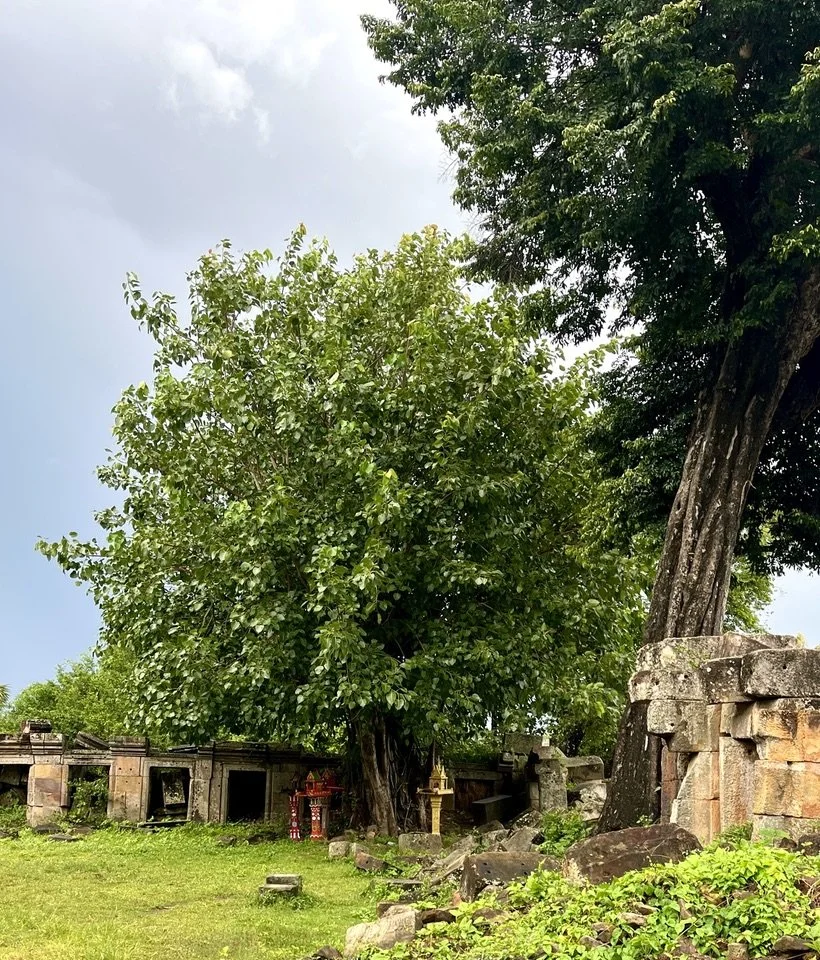
From what I can gather (and it was hard to gather anything online; perhaps there is more information available in person at the EFEO library, French National Archives, or similar), it was originally photographed by Émile Gsell in either 1866 or 1873, most likely 1873. These images are in the French National Archives.
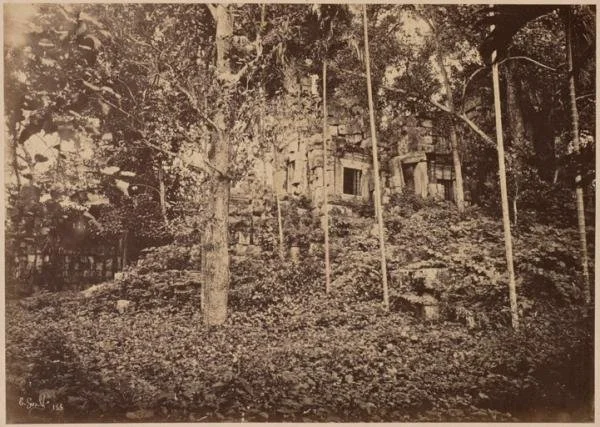
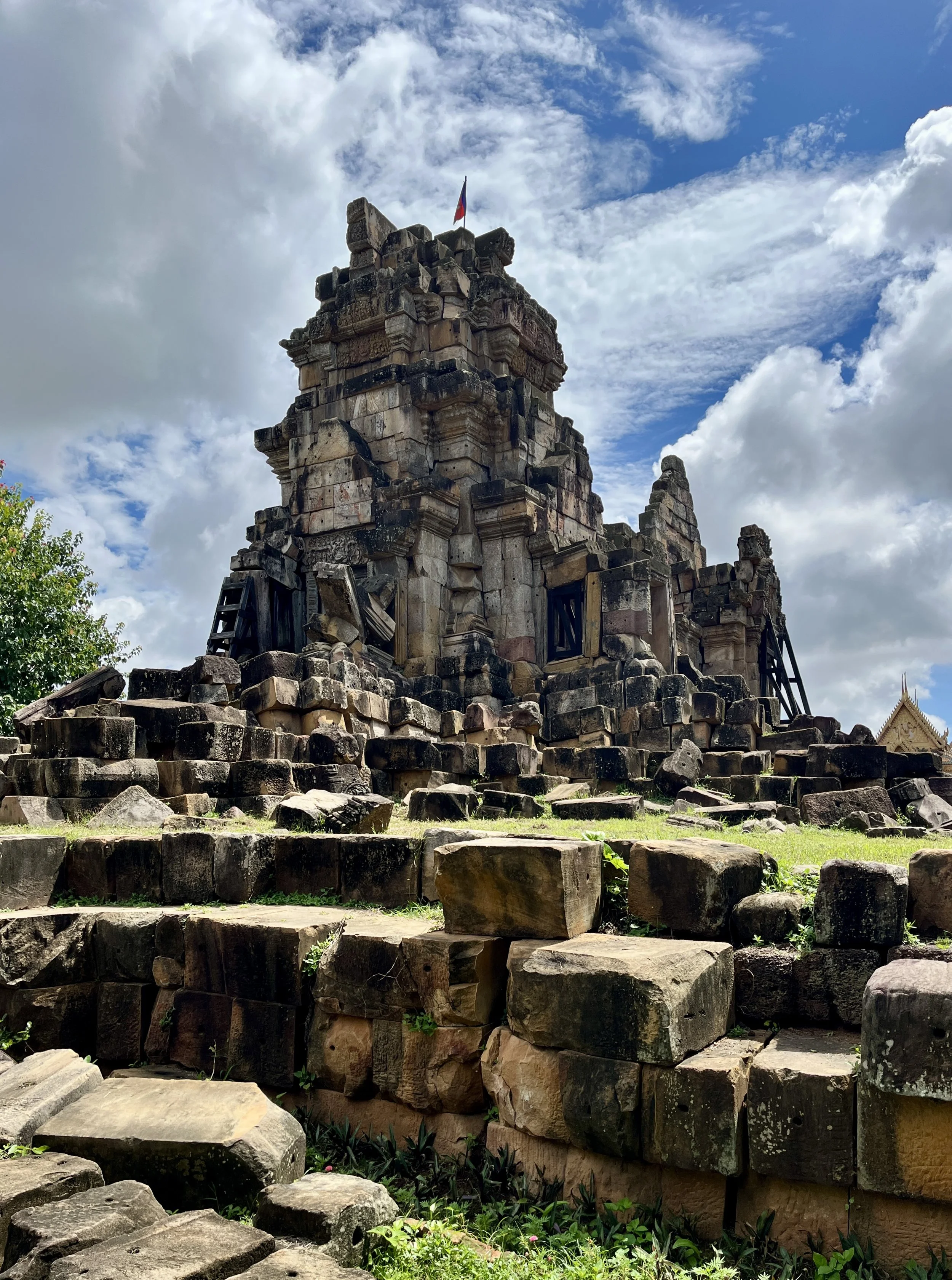
I’m much closer to the containing wall and further round the side, but this is the closest apples to apples shot I have showing the differences between 1866/73 and 2025.
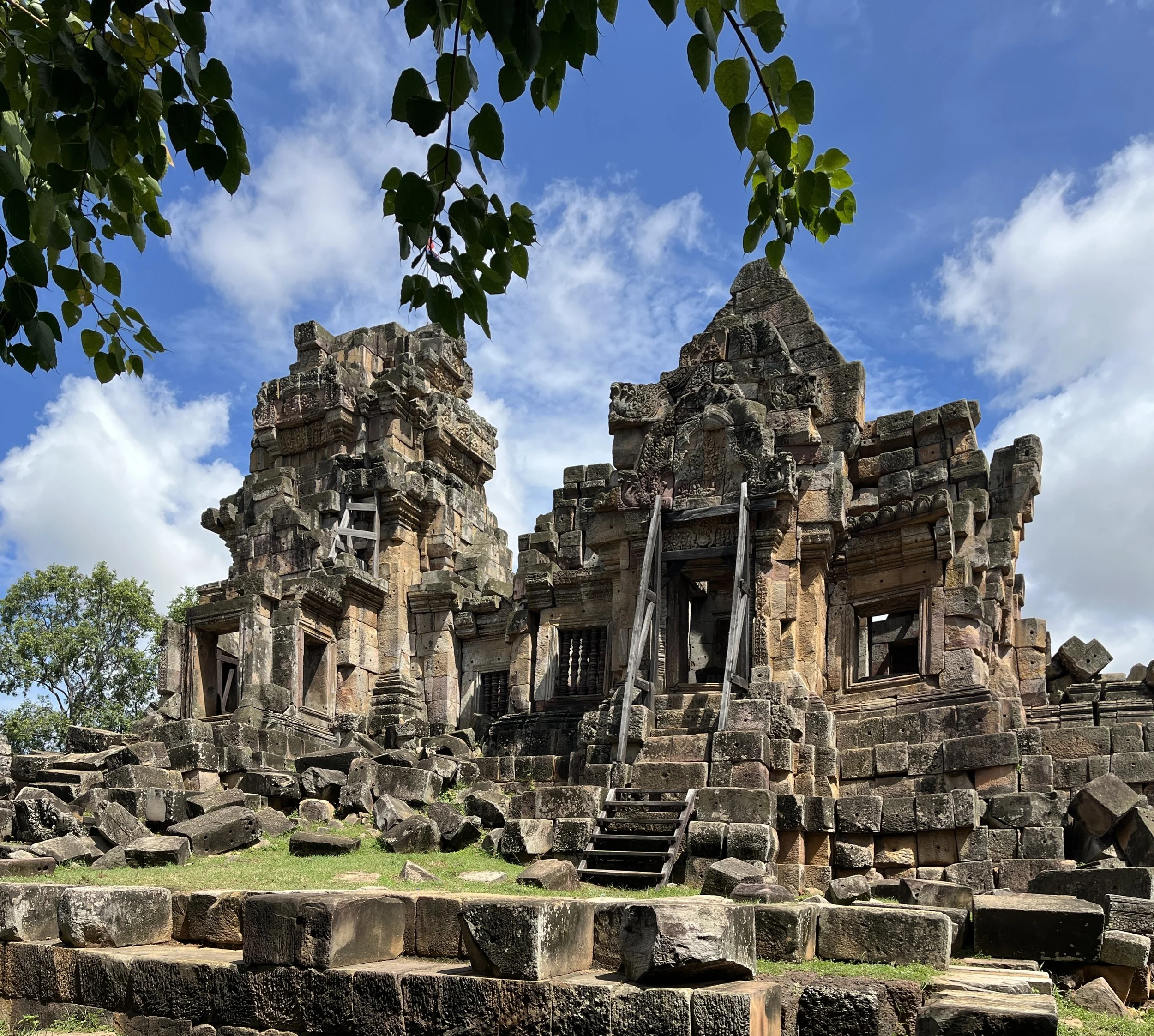
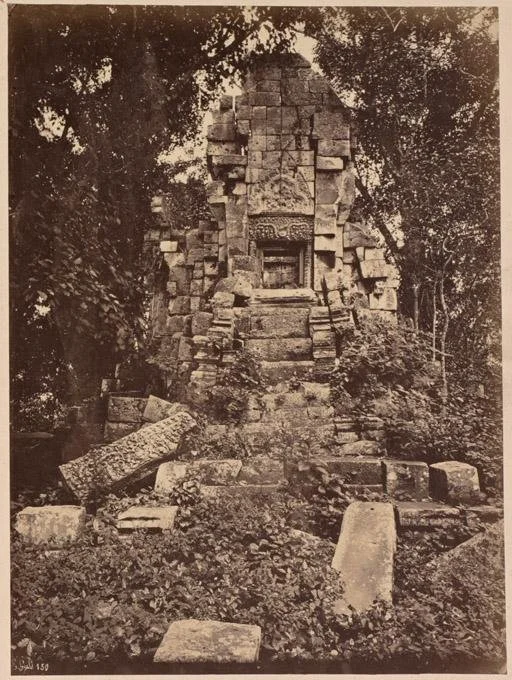
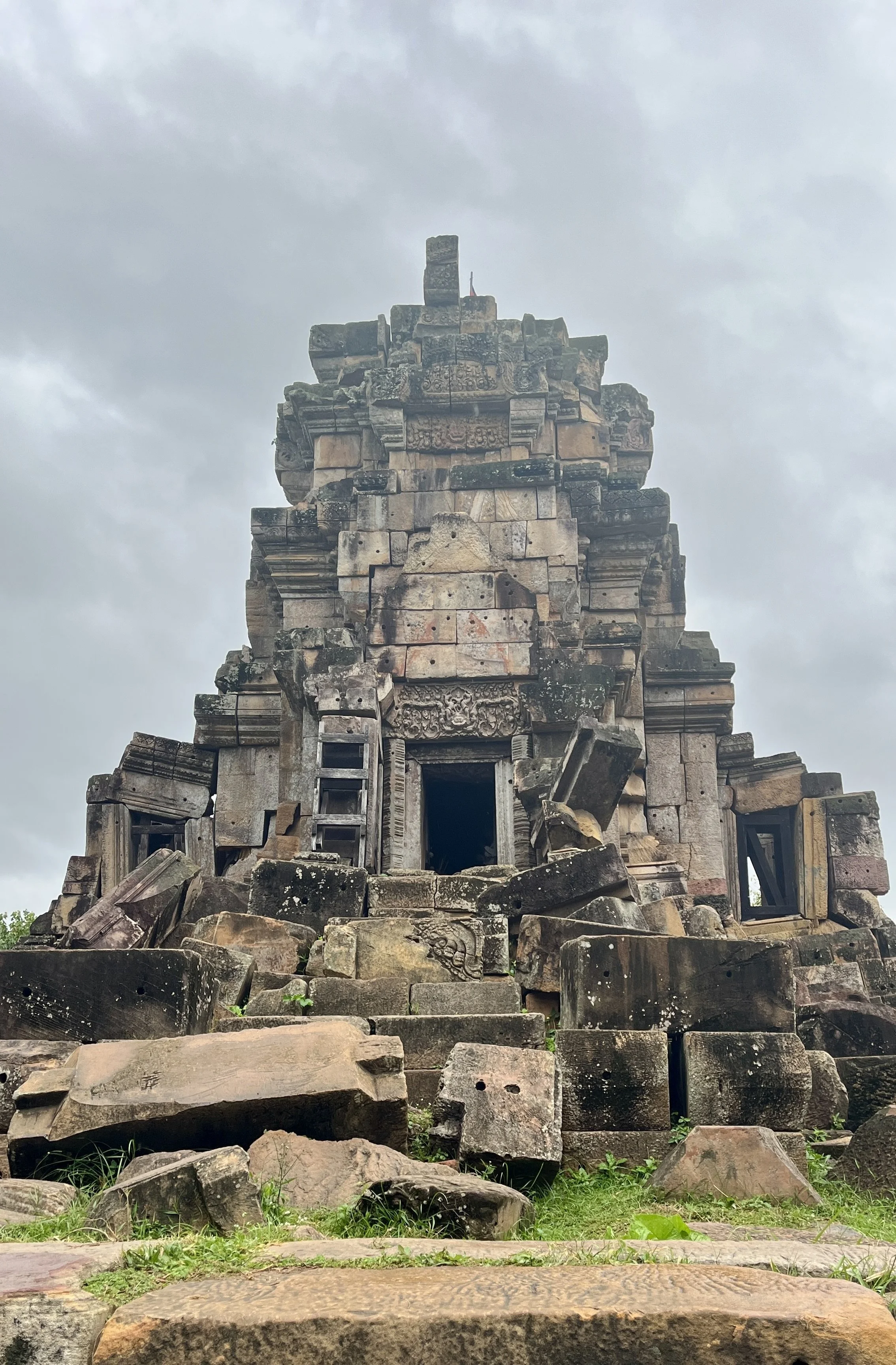
Hard to say because many outer doorways have similar lintels, and were obviously lazily and incorrectly jumbled together from fallen stones rather than reassembled and restored properly, but I think this might be an apple to apples shot, based on the two square blocks sitting in the lower right corner.
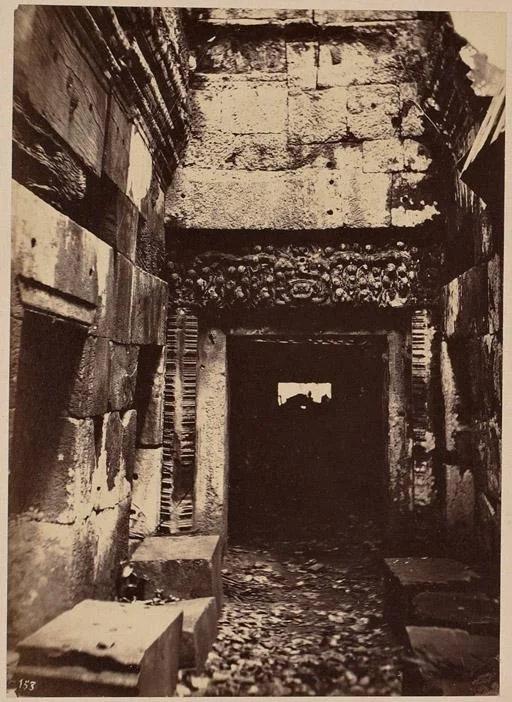
I risked my ass to climb the rocks and go inside, only to find it packed by so many local families bringing their kids for Pchum Ben/hiding from the rain that I could barely walk through, forget take decent photos.
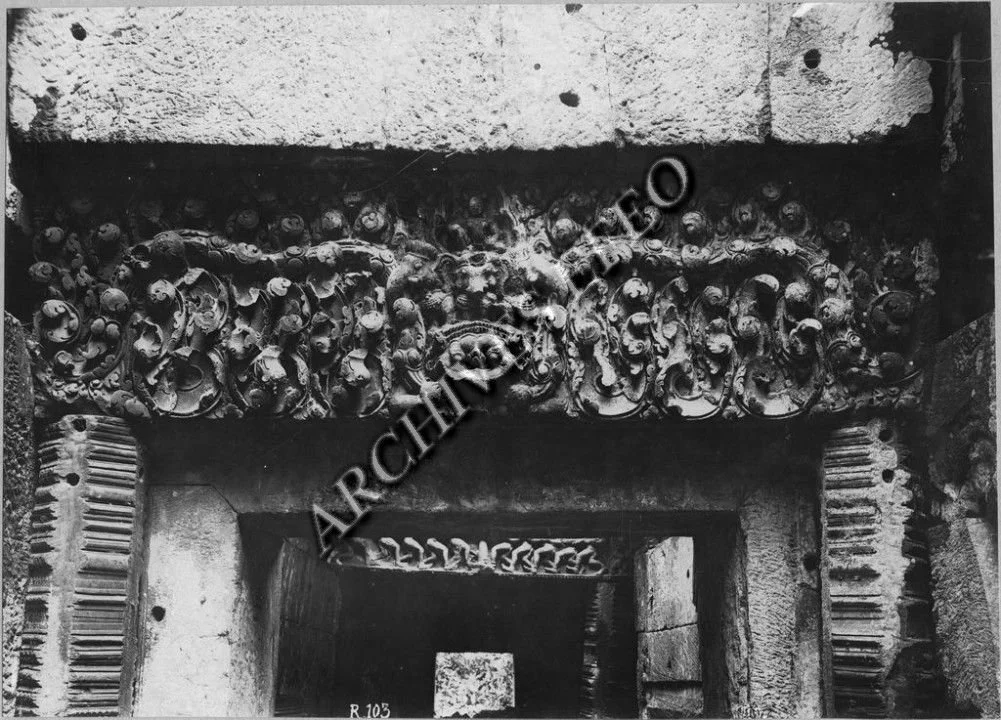
EFEO archives leave these photos undated, saying only they are from an anonymous Cambodian fonds. I learned something new going through them as well, which is that EFEO hand lettered photographs like this through the 1960s, so that alone is no determination of date.
Perhaps because the Angkorian sites near Battambang are considered secondary to those of Angkor, I had to dig a little deeper to find colonial era photgraphs, and in the process learned the names of several seminal travel photographers, including Gsell, Agostini, and Thomson. The only one whose photos of Battambang I can find, Émile Gsell, is worth a post of his own; he was the first professional photographer to set up shop in French Indochina.
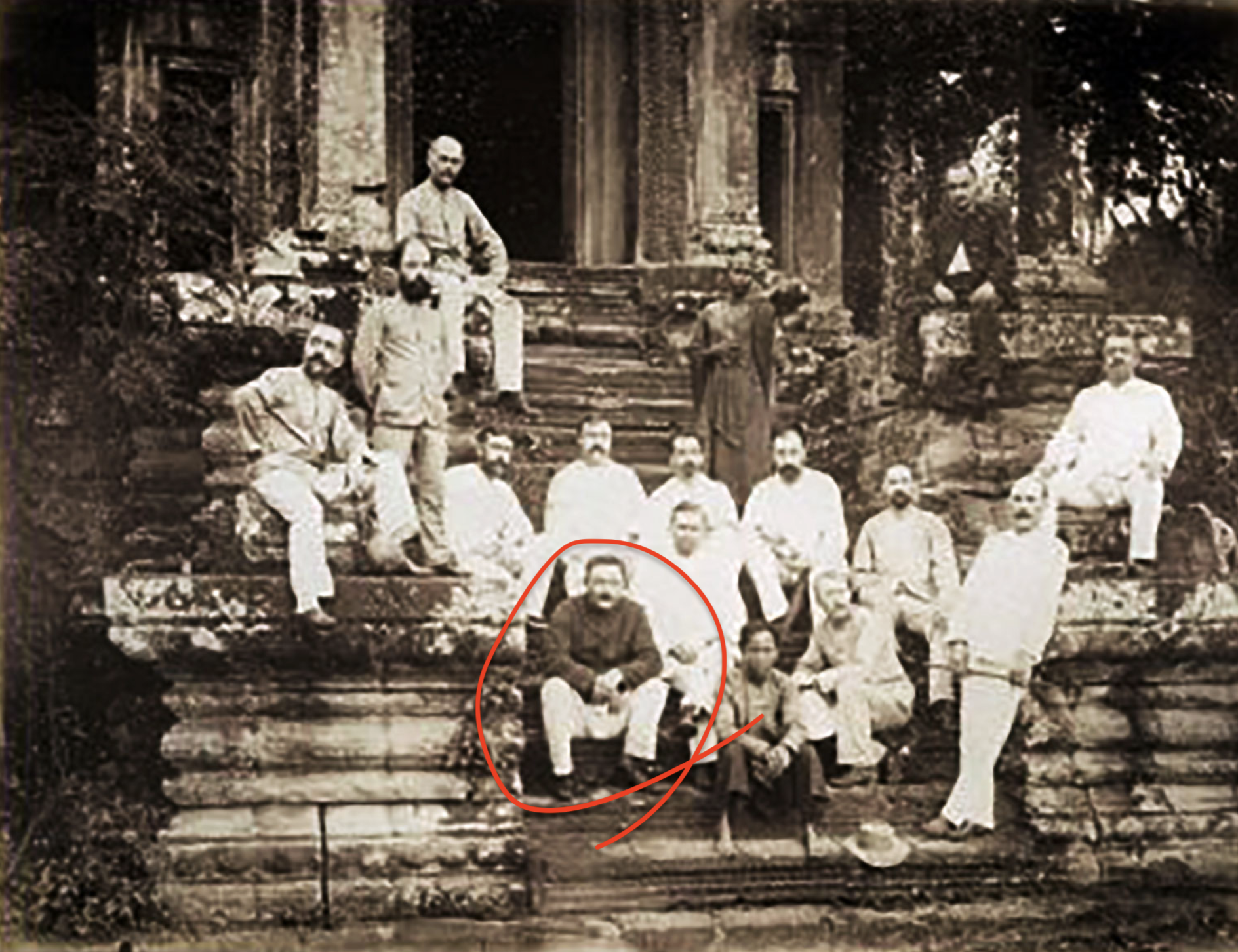
One of the only known images of Gsell, believed to be from 1873.
I also upped my search skills, accidentally discovering all the search terms I need to use to find old photos of this place– Wat Ek, Wat-ek, Wat Aek, Vat Ek, Wothec, Wothee. The Thai National Archives don’t appear to be available online as of yet, but I expect I’ll eventually be learning these homophones in Thai too.
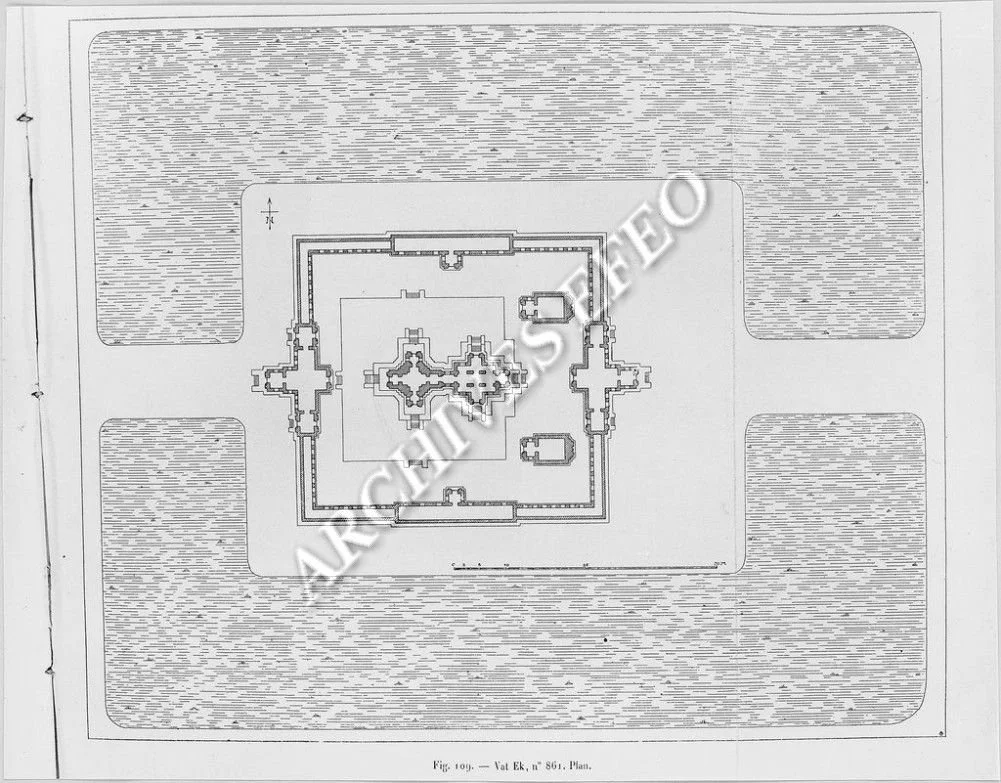
EFEO surveyed the site in October 1930, before the contemporary pagoda was built.
Surprisingly, given the clear cultural value of the carvings even as they remain today, just a few photos are available in the EFEO online photo library.
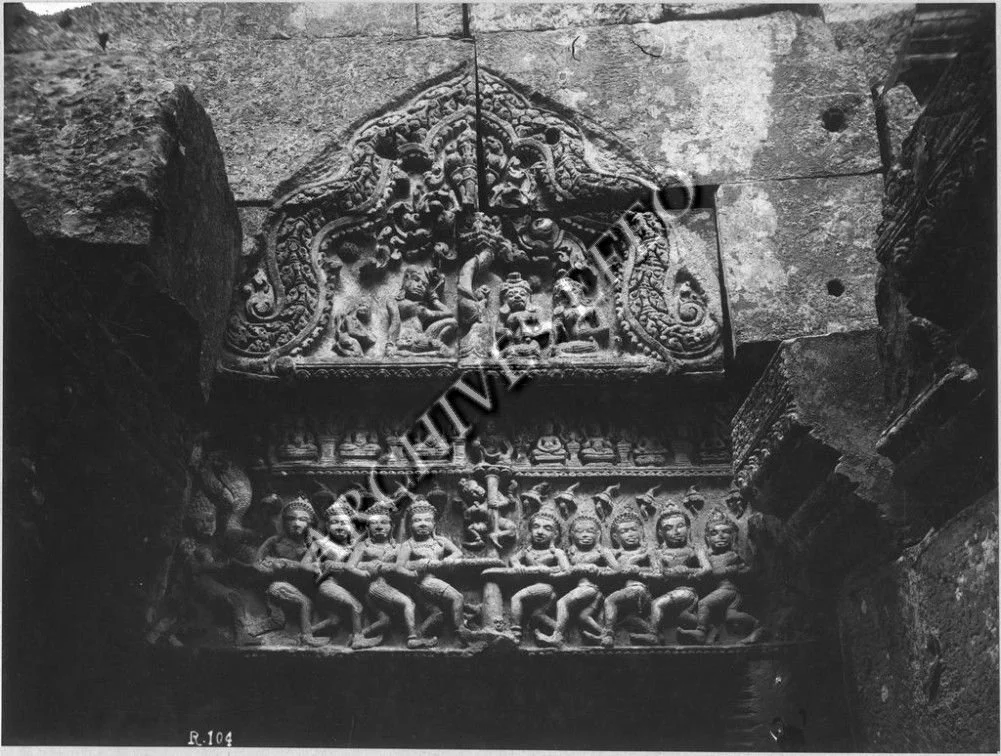
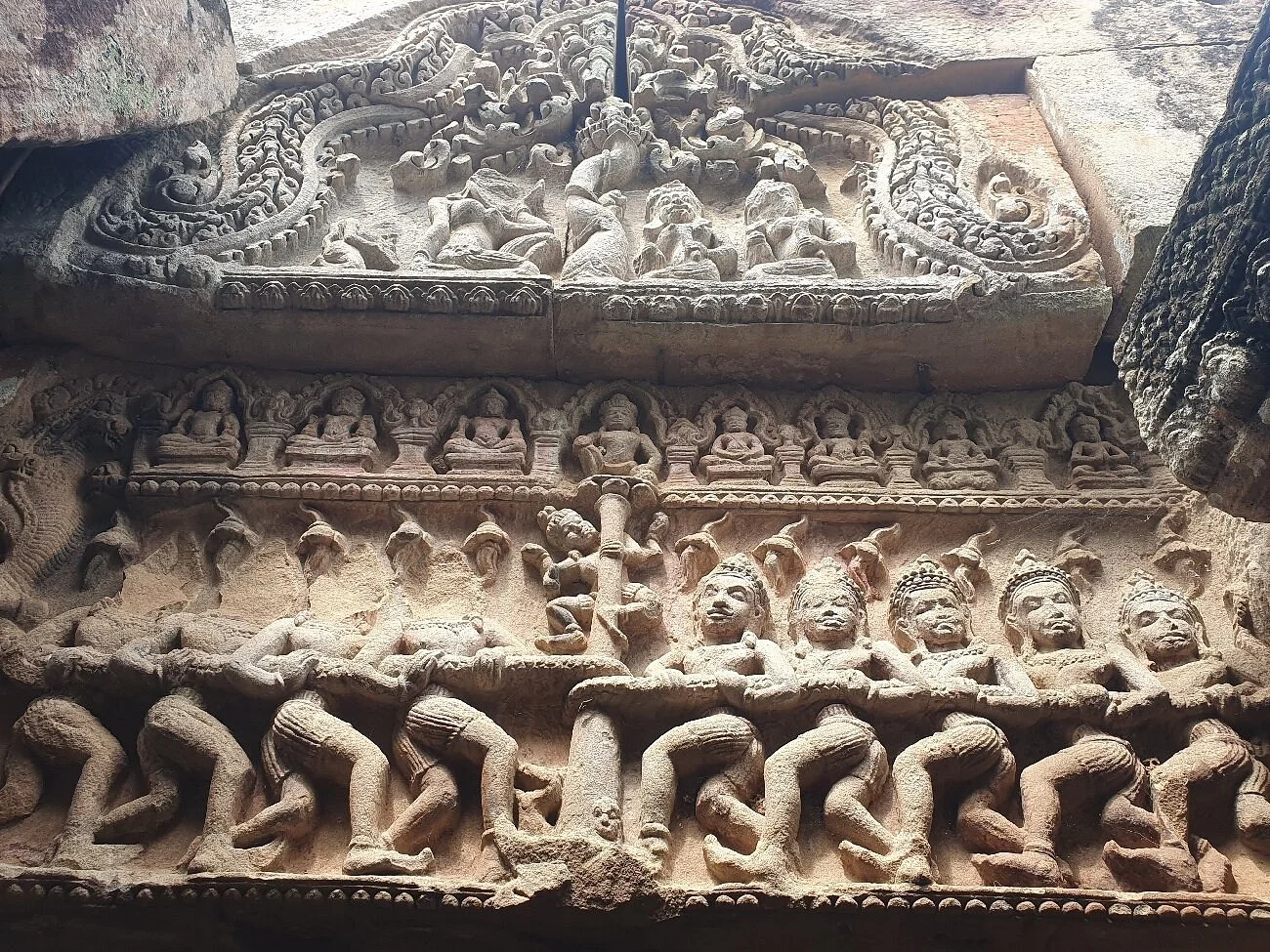
Another from Tripadvisor, showing what I believe to be the best remaining lintel and tympanum onsite. Half the heads are missing; they were likely looted to sell as decorative smalls. Dynamite Doug Latchford is known to have targeted Wat Ek, but as you can see at the very top left of the images, one of the figures had already been looted before EFEO was forced out of Cambodia in 1975.
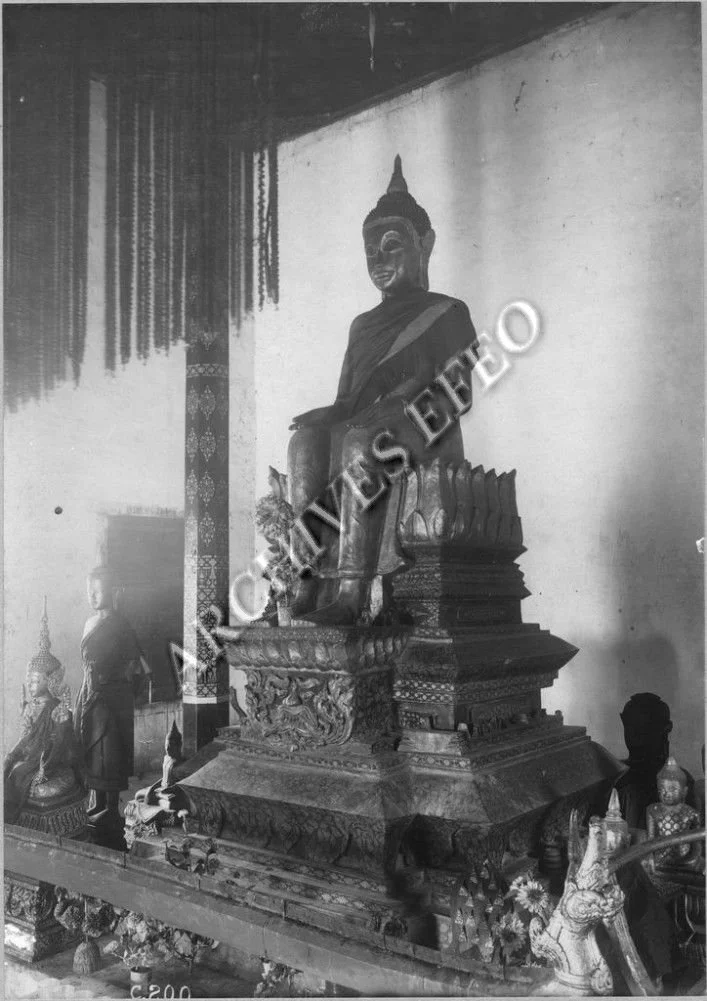
This Buddha is long gone.
If you can’t tell, this visit really got me thinking about Dynamite Doug. The knavery has so many twists and turns over such a long time, it would make a great novel. I’ve been watching everything about him and will rank all that media in a future post.
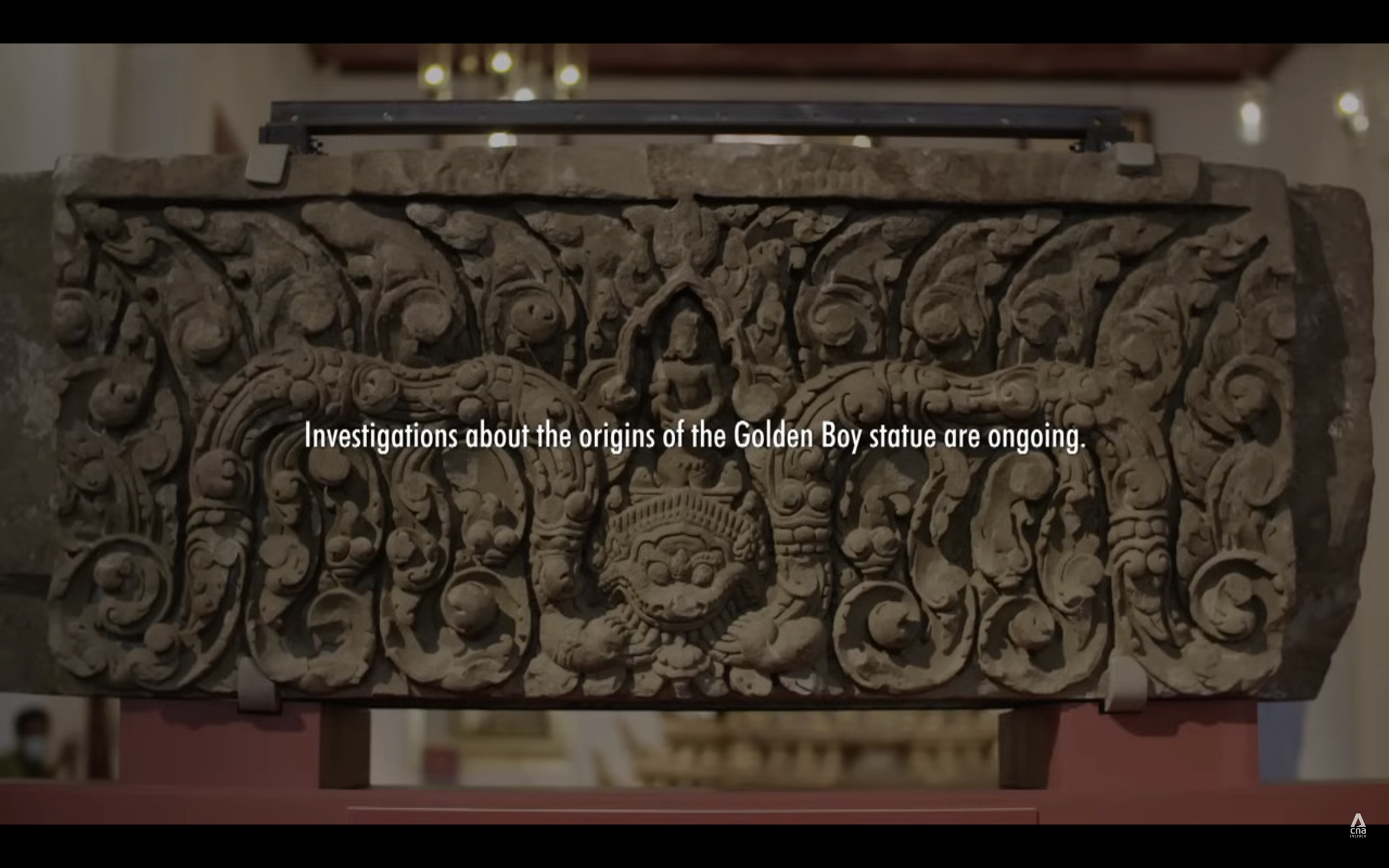
In one of the videos I watched about recovering looted Khmer art, the leader of the recovery process of looted Thai art, Dr. Tanongsak Hanwong, was gazing at this lintel, one of a pair on display at the Bangkok National Museum (2 years ago anyway) that I instantly recognized as from Wat Ek! Or maybe Wat Banan, judging from Gsell’s photos. Or maybe Banteay Srei? A formerly Khmer empire area in present day Thailand? According to the doctor they were from Prasat Nong Hong and Prasat Khao Lon, and eventually repatriated from the Asian Art Museum in San Francisco as such. This LA Times article tells the whole story well. Seeing how similar these various lintels look with my own eyes revealed to me the level of uncertainty and connoisseurship involved in the repatriation process.
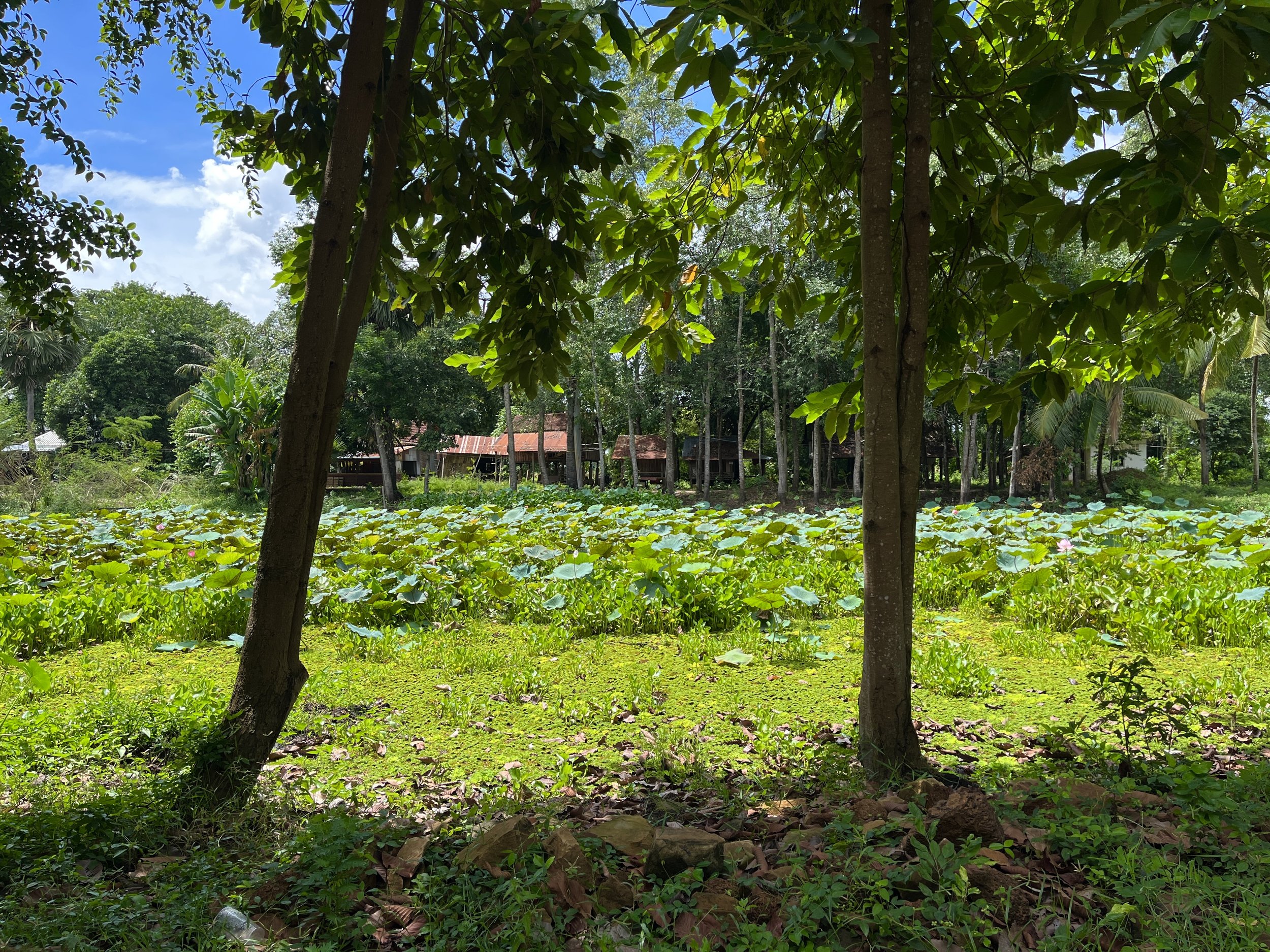
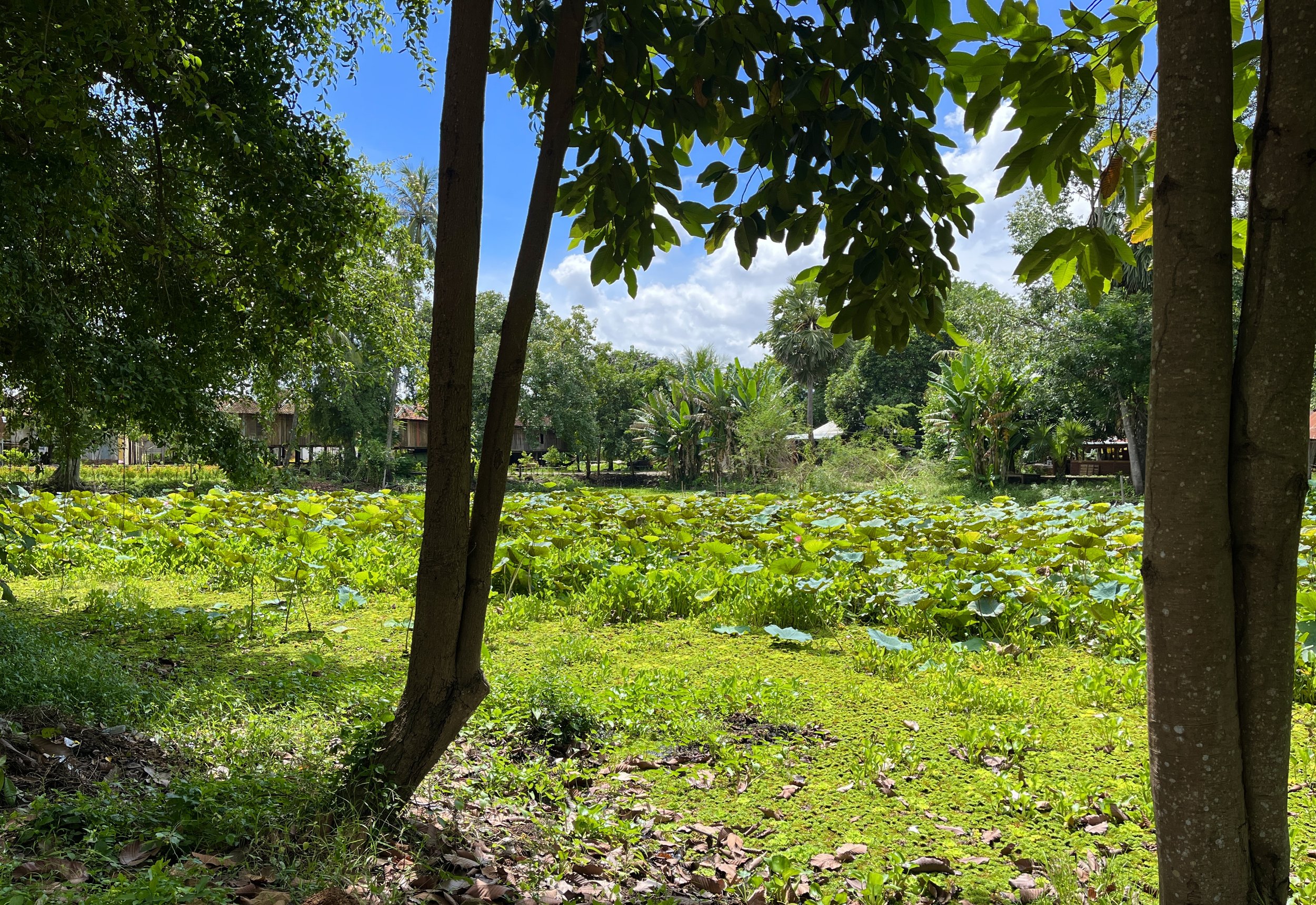
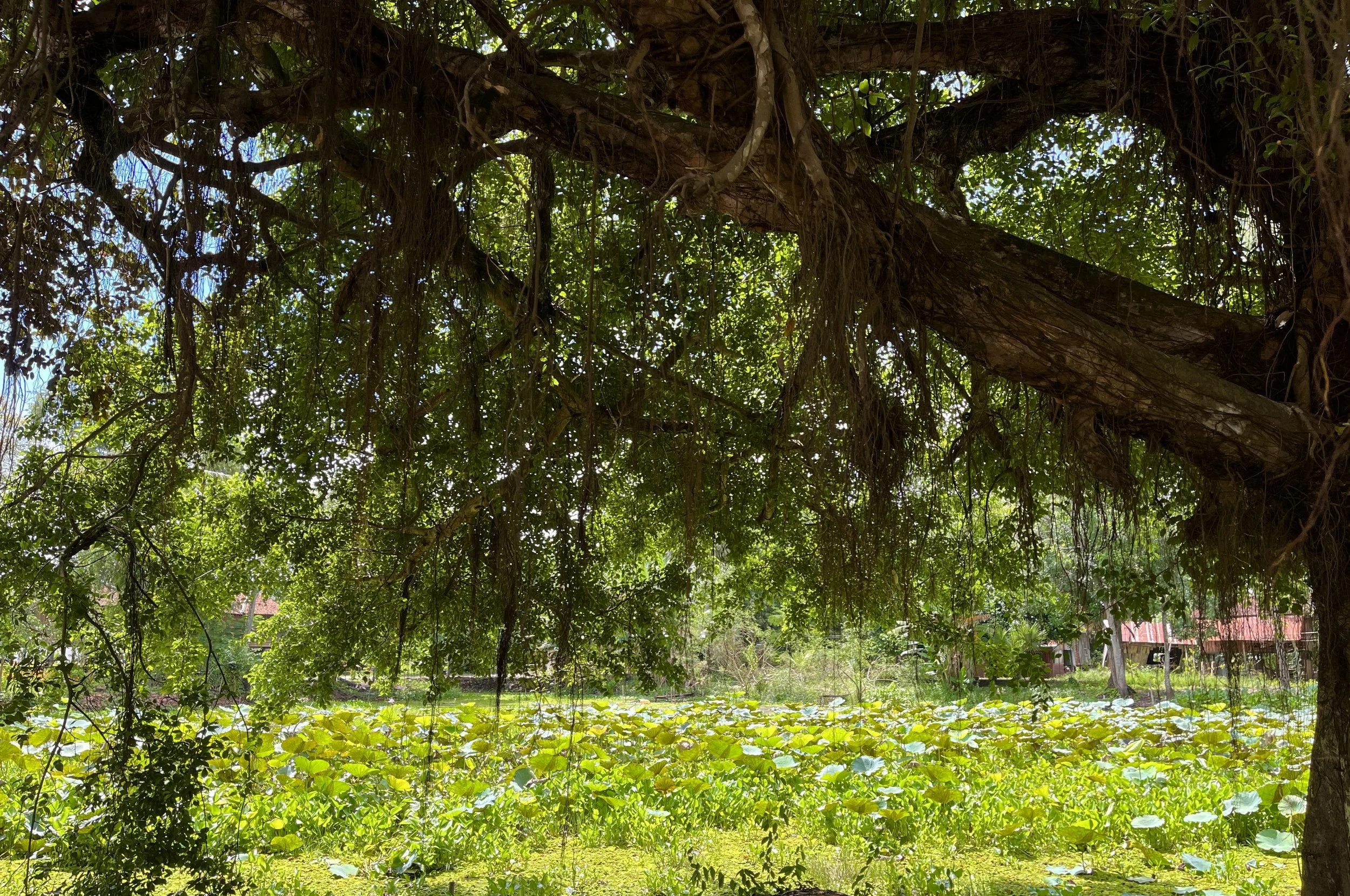
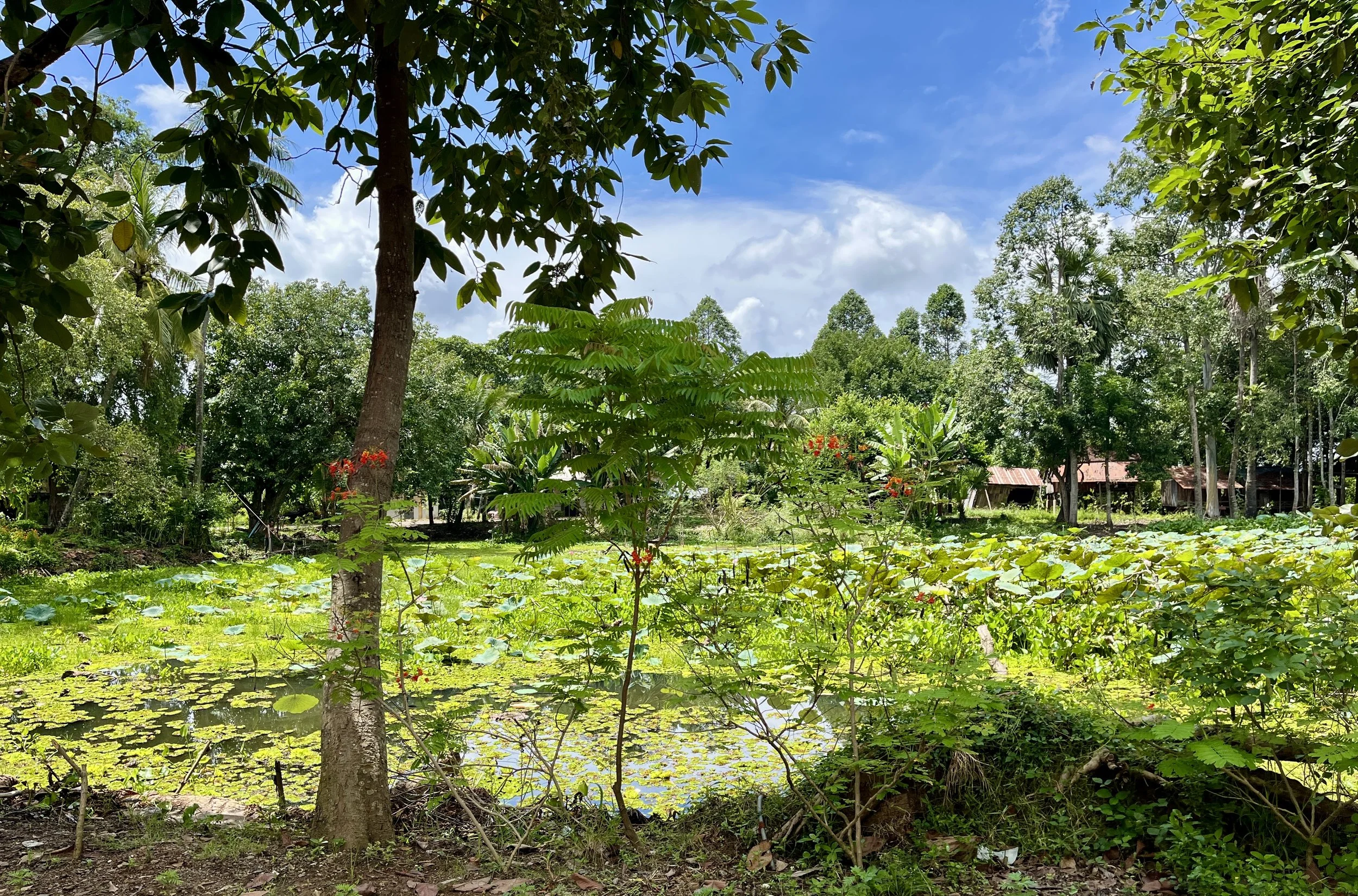
The old moat is still there, with some lilies.
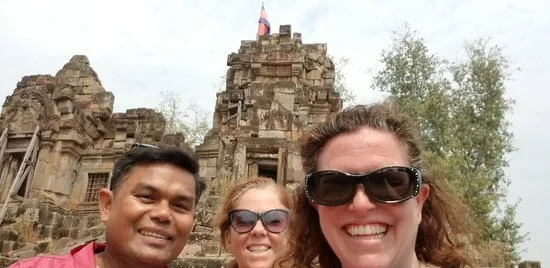
And for my final picture matching conspiracy about Wat Ek, look who I found when scanning TripAdvisor photos for my then and now comparisons . . . again, not totally sure of course, but 80-90% sure this is Princesses Beatrice and Eugenie . . . the teeth, the liplessness, the hairlines and haircolors, the oversized black plastic sunglasses, lol!