Phnom Sampeou is one of a range, whose origin story is told in a Khmer folktale (fair warning, also a fuckboy glorifying fable):
The Legend of Reachkol and Neang Romsay Sok
The story of Reachkol and Neang Romsay Sok is a Khmer folktale explaining the origin of several hills near Battambang, Cambodia.
Prince Reachkol, enchanted by the beauty of a poor girl named Sovann Maksa, promised her his love. She had raised a magical crocodile named Athun from an egg. When Reachkol's parents arranged his marriage to Princess Neang Romsay Sok of Chan Borey (known for her magic hair that could control water), Sovann Maksa was heartbroken.
As Reachkol sailed with his wedding gifts on a junk, Sovann Maksa sent Athun to destroy the vessel. The giant crocodile attacked, causing panic among the crew who threw chicken and duck cages at it.
Neang Romsay Sok, sensing her future husband's peril, stroked her magic hair, causing the sea to dry up. Athun was left stranded and died, his body becoming Phnom Krapeu (Crocodile Mountain). The junk turned into Phnom Sompov (Boat Mountain), and the thrown cages became Phnom Trung Morn and Trung Tea (Chicken and Duck Cage Hills). The place where Neang Romsay Sok stood became Phnom Neang Romsay Sok.
Furious at the destruction, Reachkol blamed Sovann Maksa and ordered her execution. He then married Neang Romsay Sok, and they lived together until the end of their lives.
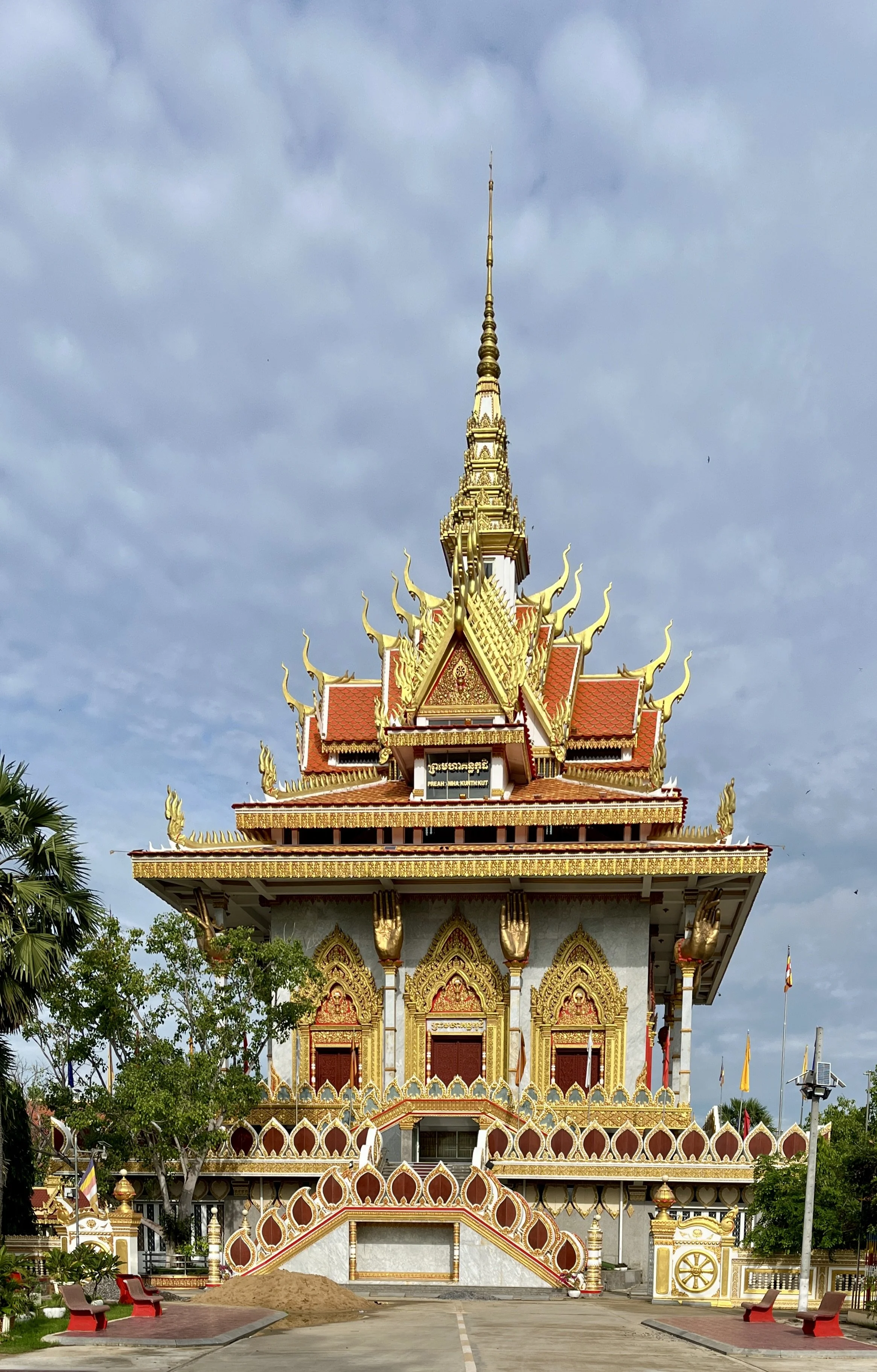
There are 3 main sights on Phnom Sampeau: the bat cave, the killing cave, and the temple.
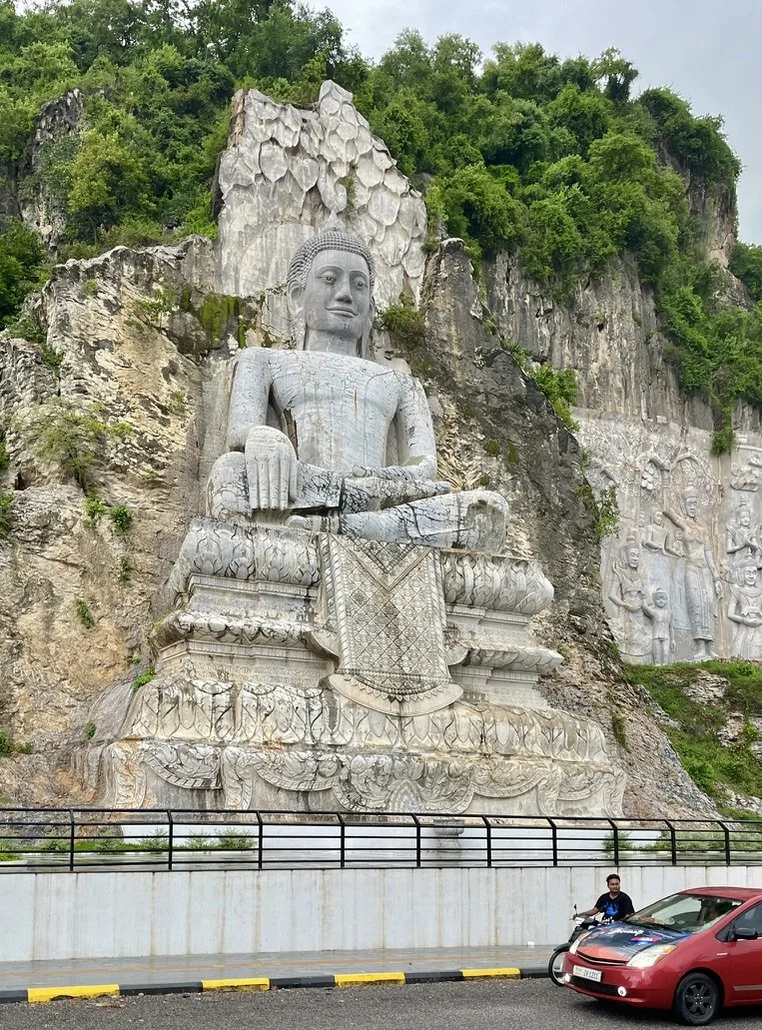
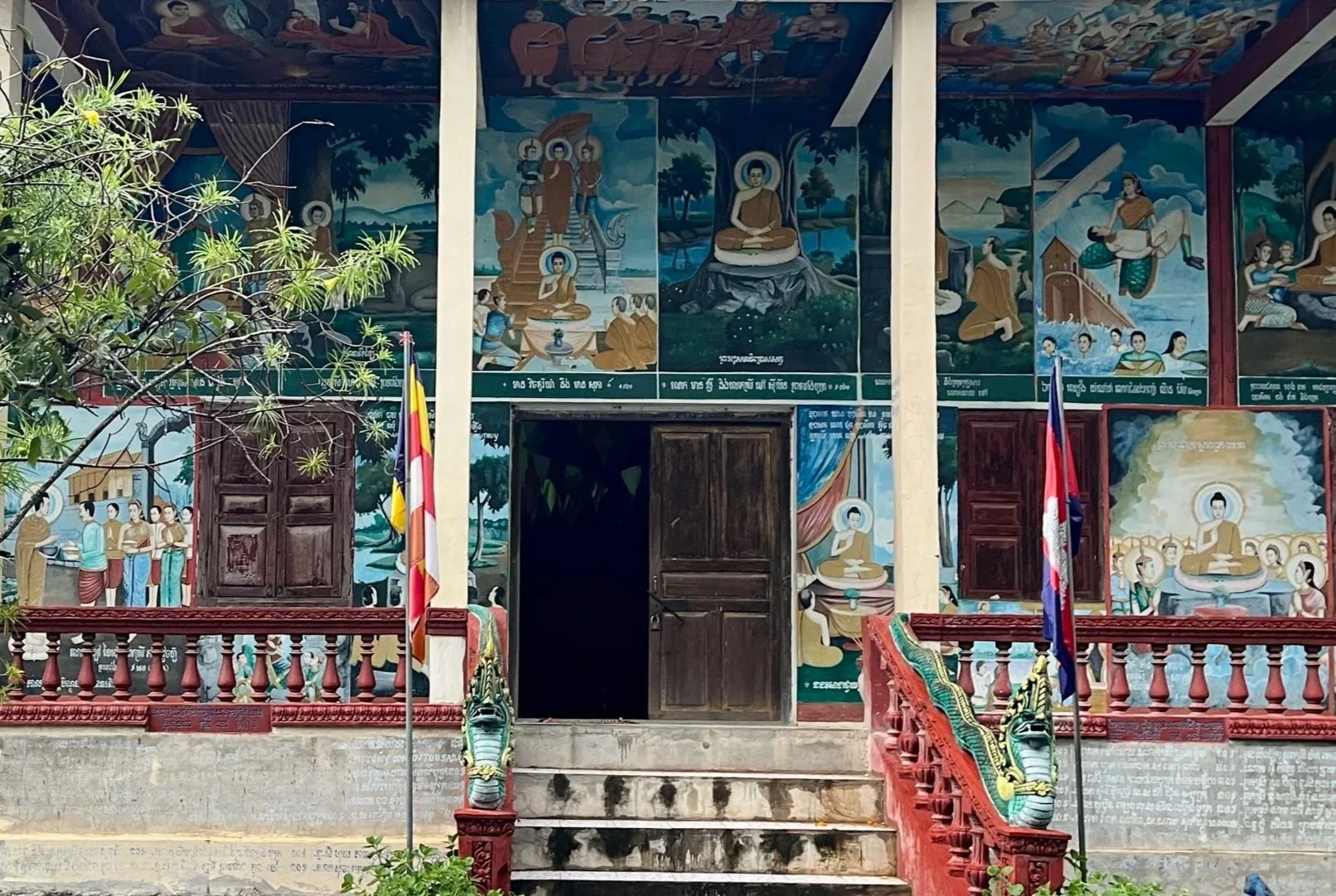
Bhumisparsha (calling earth to witness) Buddha, symbolizing the pivotal moment in the Buddha's journey to enlightenment when he was confronted by Mara, the demon of illusion and desire, who sought to distract him from attaining awakening under the Bodhi tree.
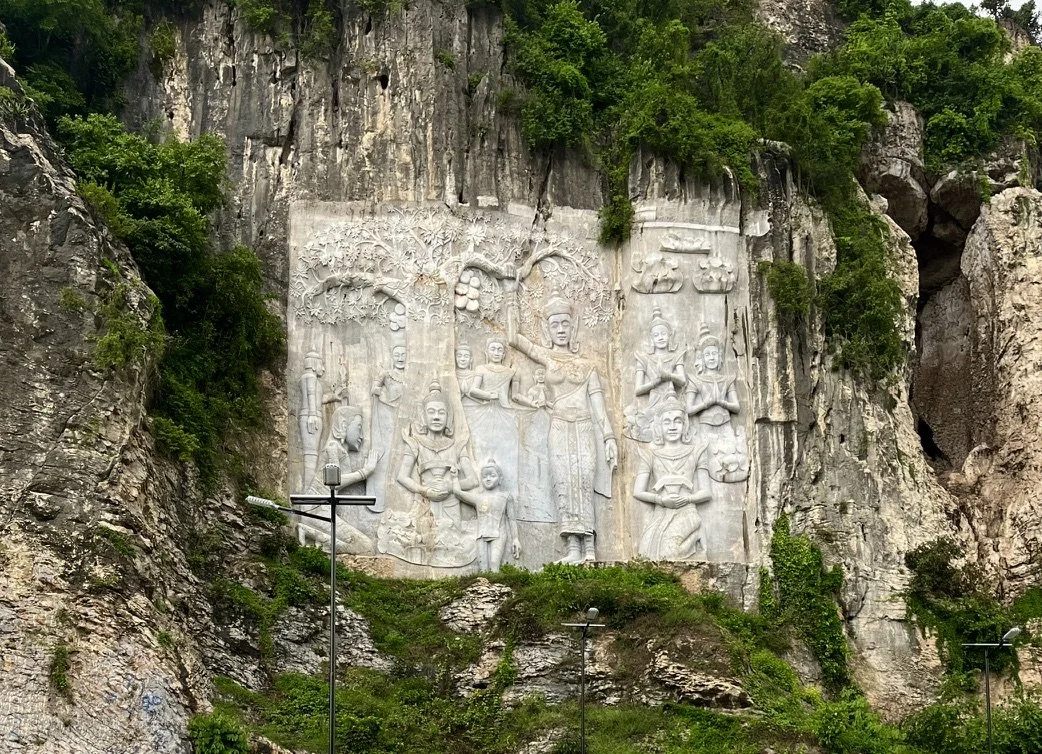
Rahula asking Buddha for his inheeritance under the Bodhi tree,
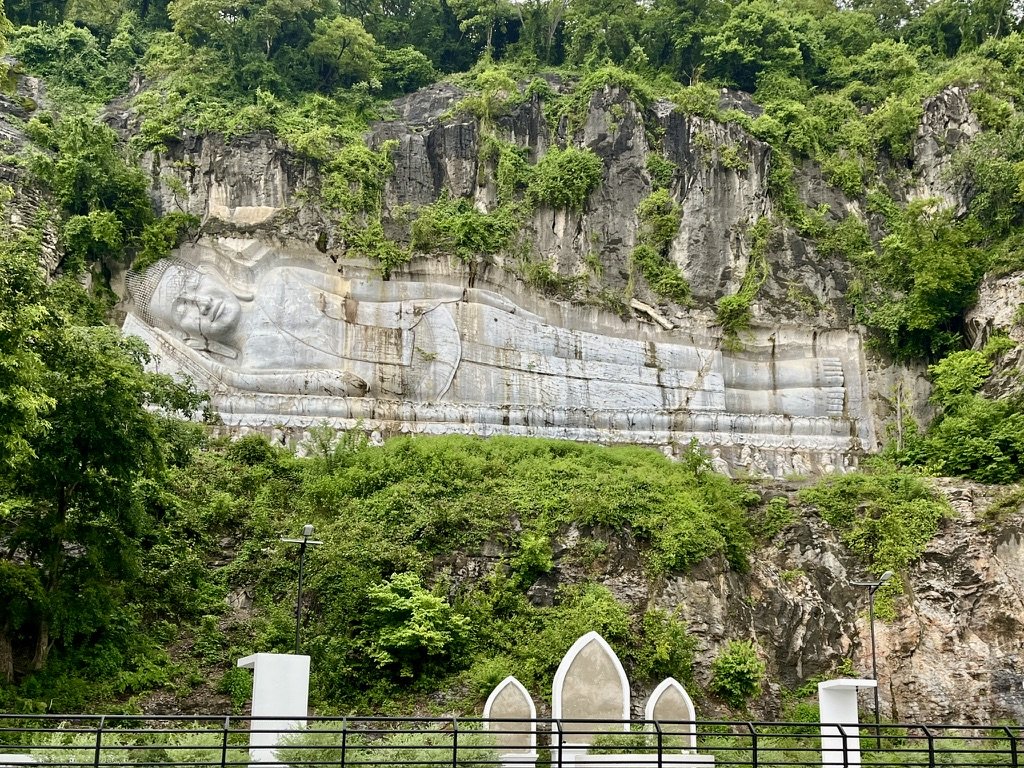
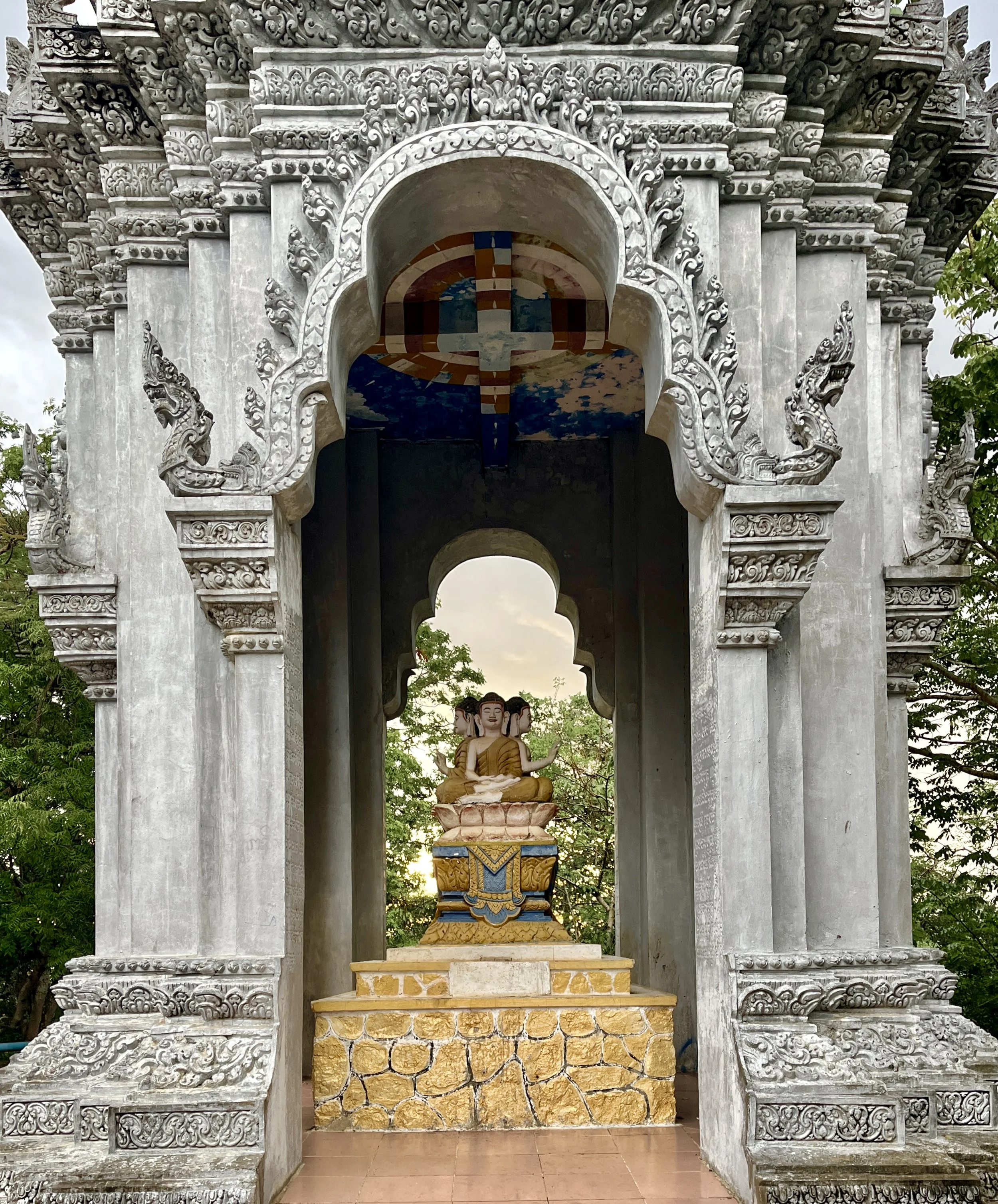
Modern Buddhist depictions have been carved into the mountain outside the bat cave quite recently, post-covid.
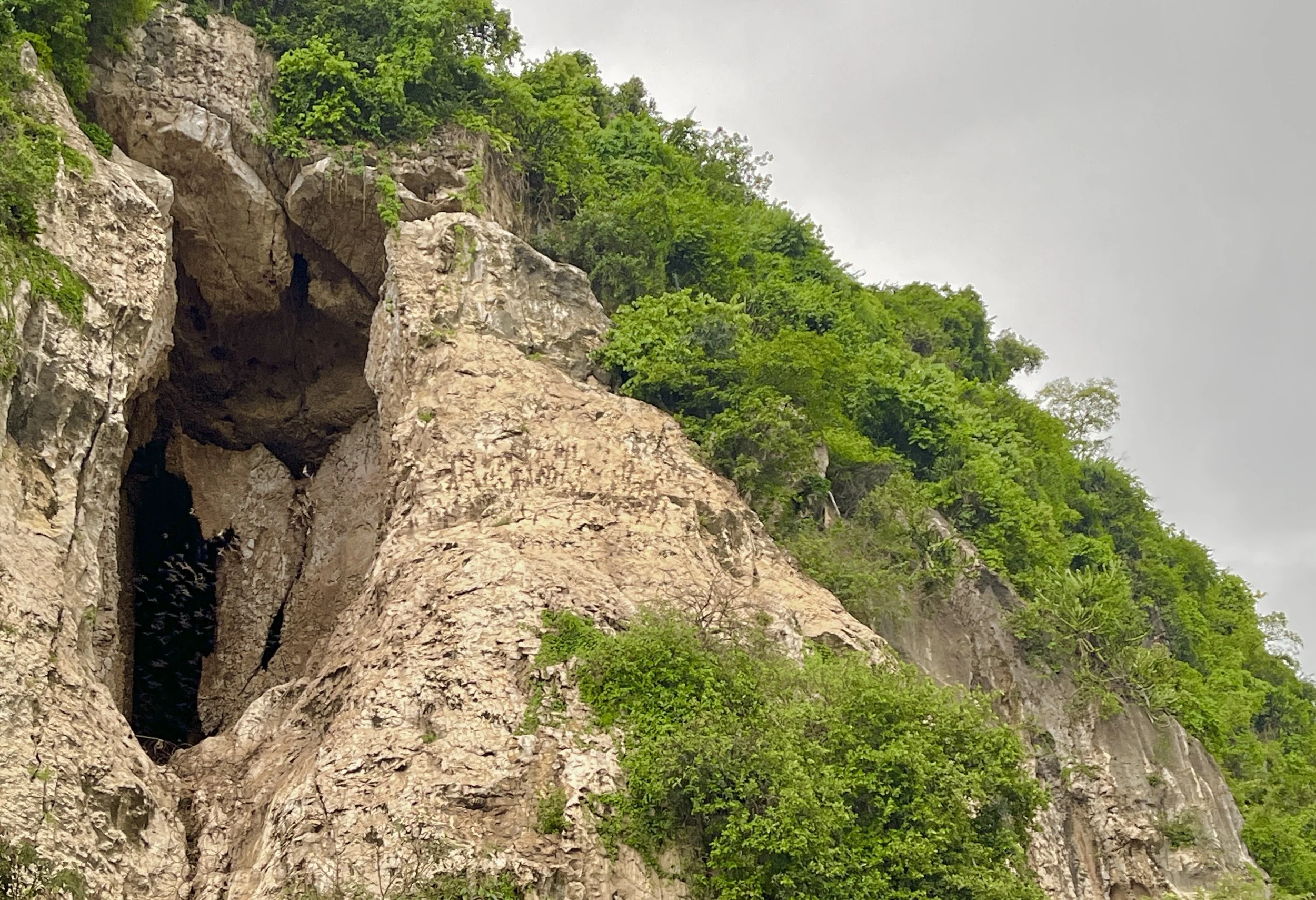
Between 5:30 and 6pm, the bats began to emerge.
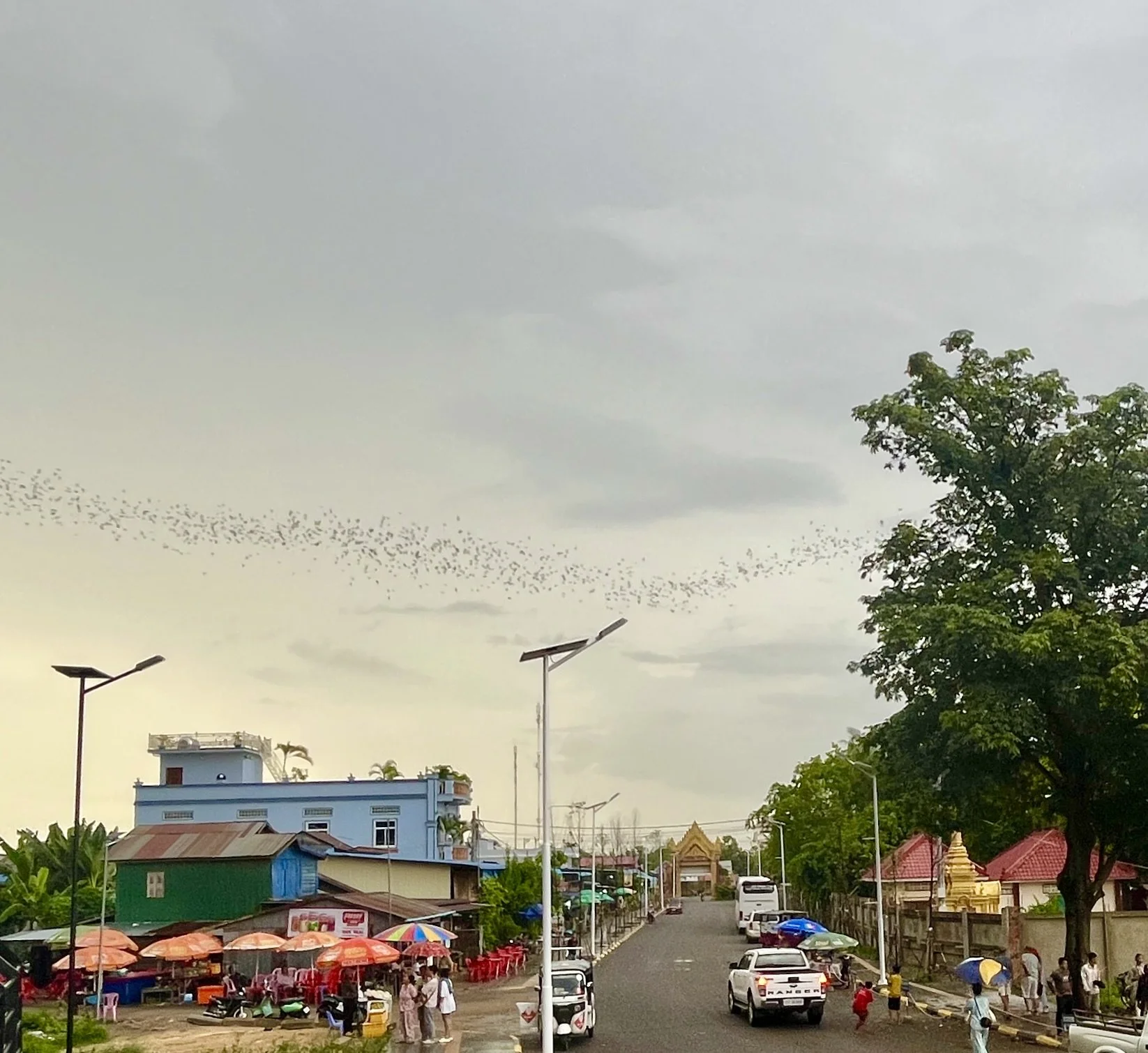
There wasn’t a giant mass of bats, but they just kept coming! Apparently almost 2 million bats exit the cave every night. I was shocked to discover this number is a 70% reduction from the ‘90s bat population. I found a great blog post (https://therestlessbeans.com/battambang-bat-caves-cambodia/) from the restless beans that explains the situation in detail:
The species is Asian Wrinkle-Lipped Free-Tailed Bats (chaerephon plicatus).
The examples Claire gives of how the bat populations are threatened by human interference:
Shrines | the caves where the bats live are often home to Buddhist shrines. These shrines cause obvious disruptions, including cave modifications like artificial lighting, entrance adjustments and excess noise from visitors.
However, there are also more insidious consequences of these shrines. The shrines are most heavily frequented during Buddhist New Year, which occurs in April and May. This timing coincides exactly with critical milestones in a bat’s life – the reproductive stage (late pregnancy, lactation and weaning). This peak in human visitation has a direct impact on the bat populations.
Lack of Awareness | many people still do not understand the benefits provided by bats. They are caught and used as bushmeat, or sold at local markets (a news report noted that a group of individuals could catch more than 1000 a night, only using nets). Also, pesticides, used by local farmers in their fields and guano miners protecting themselves from bugs, are damaging to bats. There was even a recent video from December 2023 showing three Cambodian men flinging projectiles at the cave.
Mining | anthropogenic activities, such as mining, have a devastating effect on bats. Limestone karsts are heavily in demand and mined to produce cement, destroying bat habitats along the way.
Babies | bats have low annual reproductive rates (they only have two breeding cycles per year – March to April and October), so do not recover quickly after population decline caused by humans.
Close quarters | if a cave is disturbed in some way, this damages all of the colony, because the bats live in close confines. This causes a larger degradation of the population in a shorter timescale.
Foraging | foraging habitats have been consistently destroyed, threatening the longevity of bats in these regions. In fact, Cambodia experienced the largest forest loss in the world between 2001 and 2014, replacing trees with agricultural land, particularly rice fields.
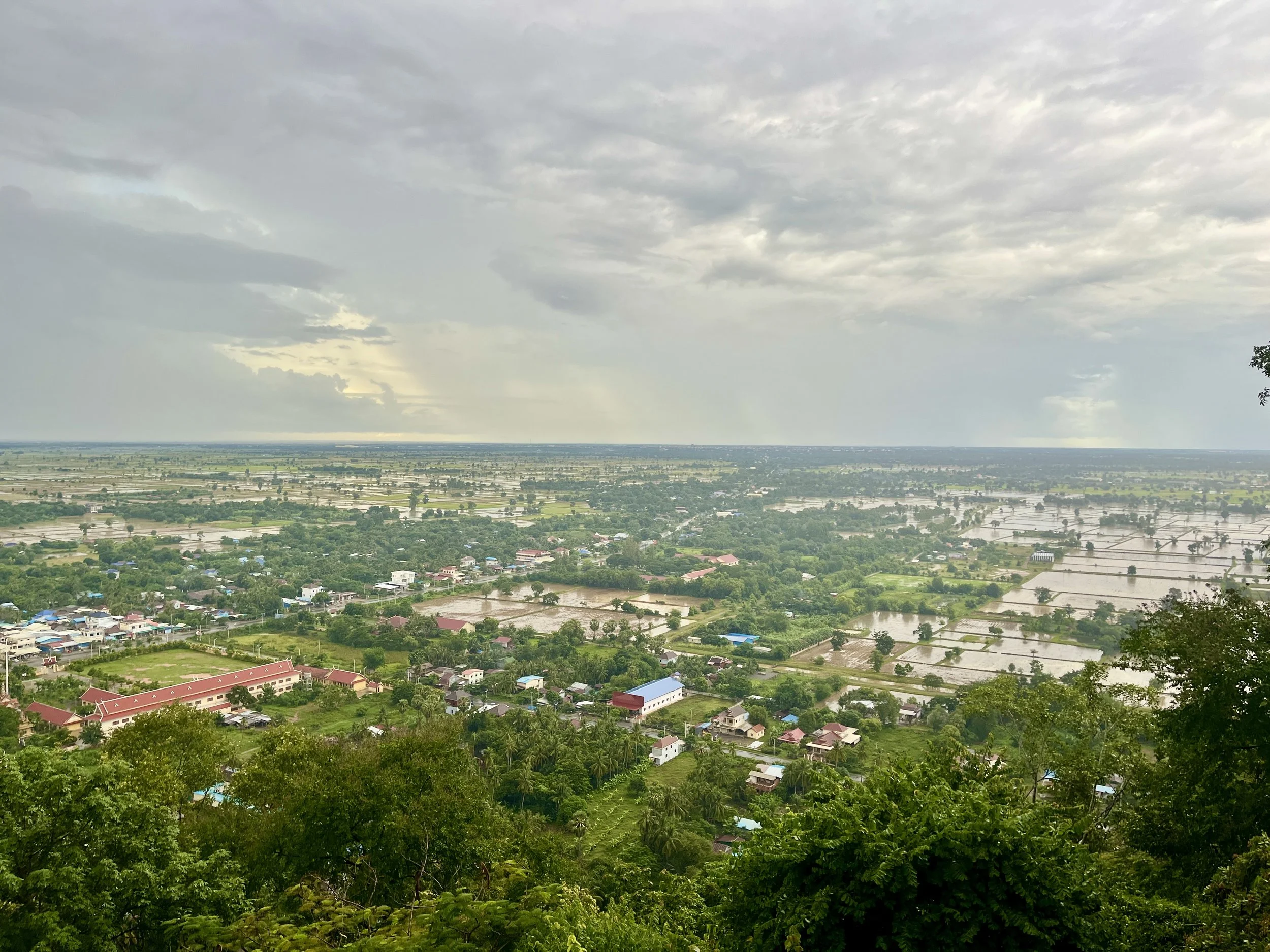
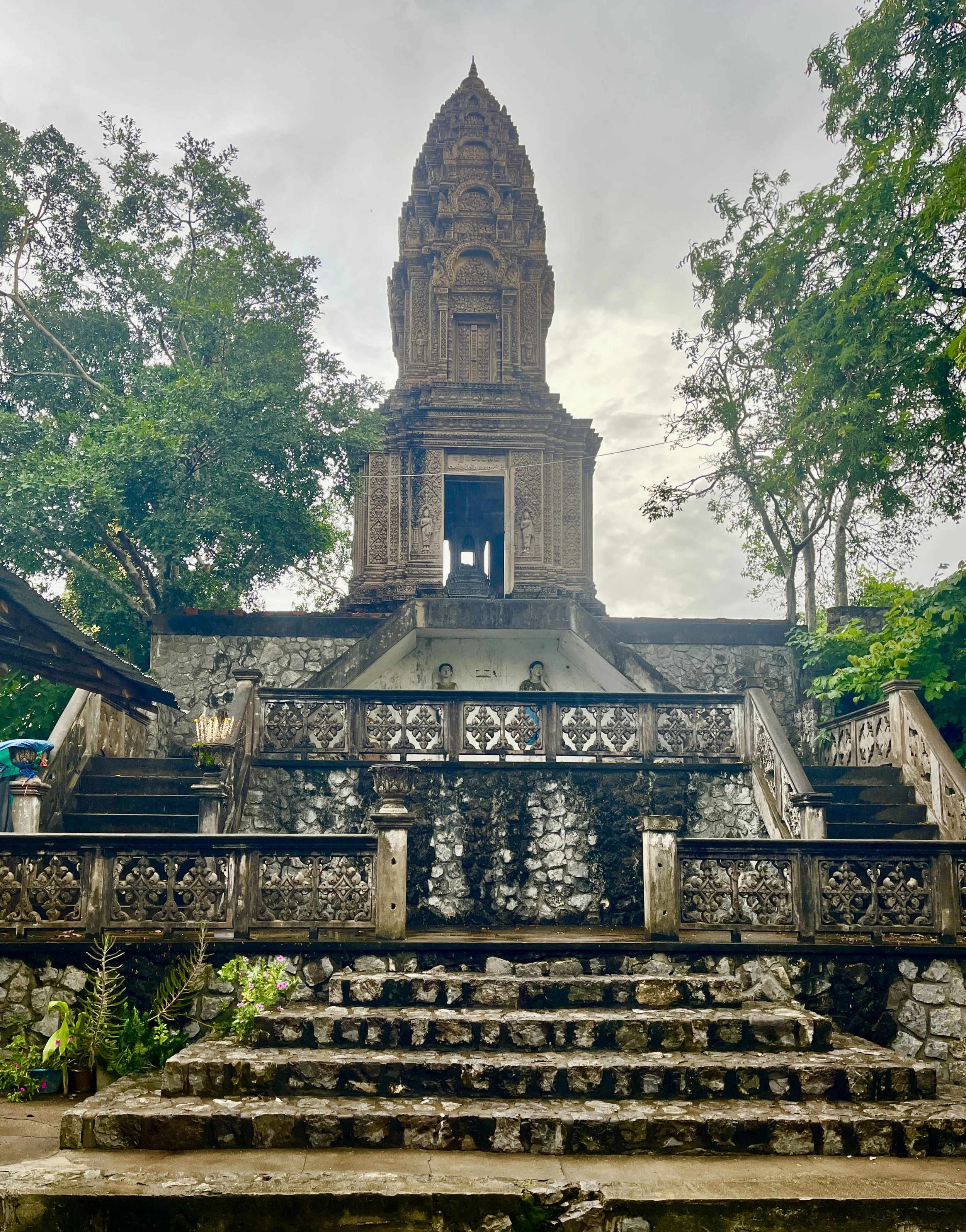
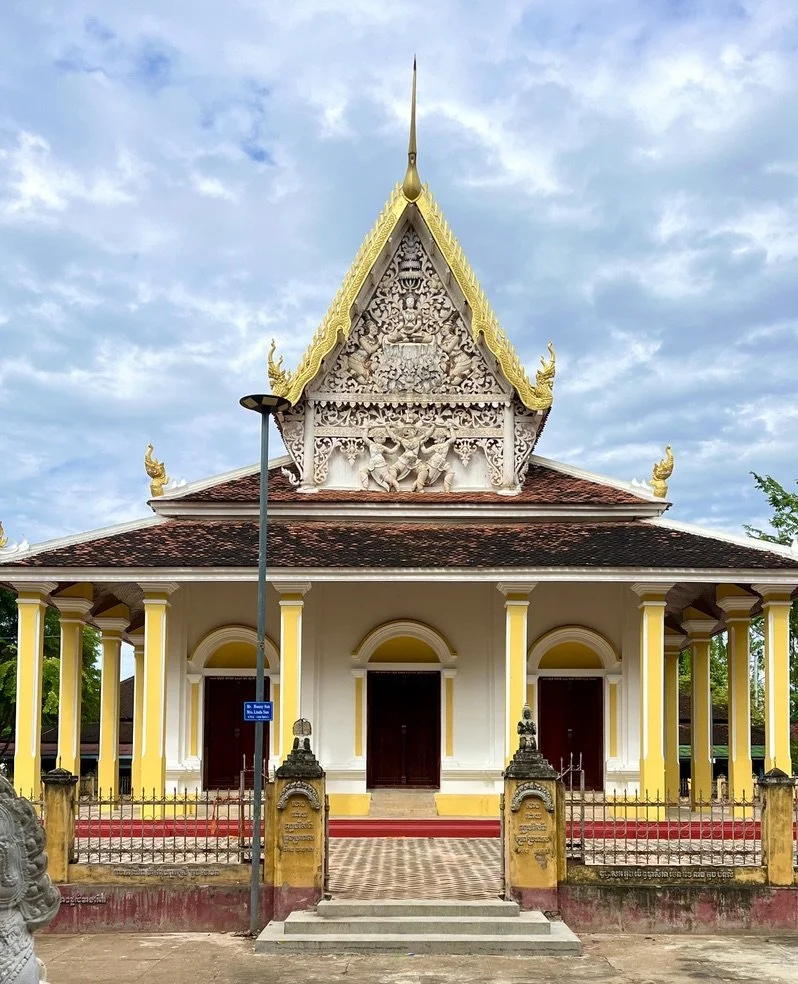
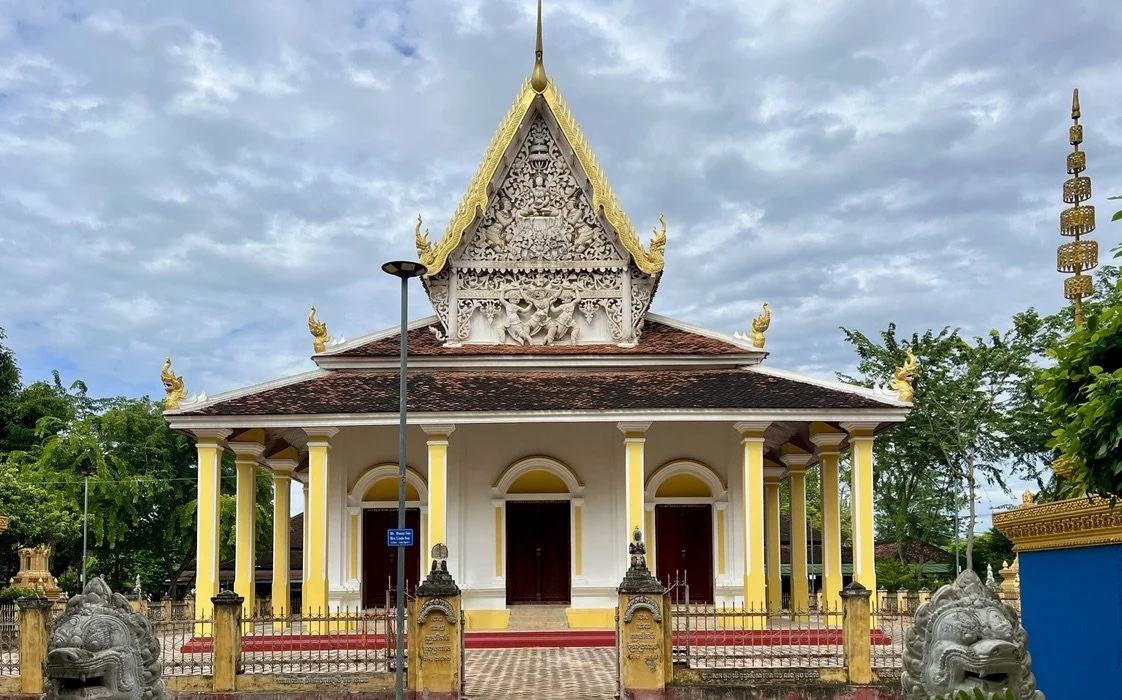
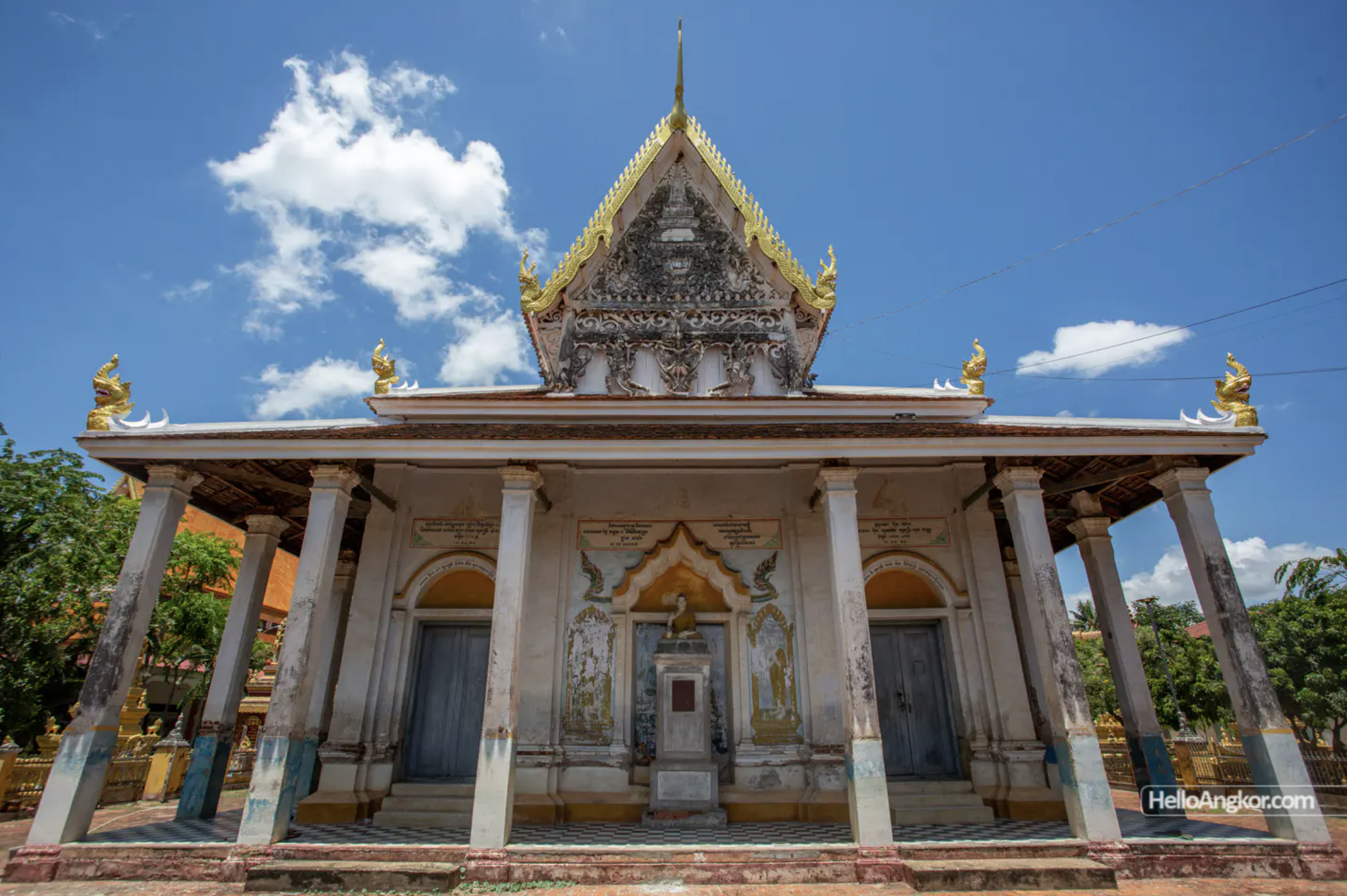
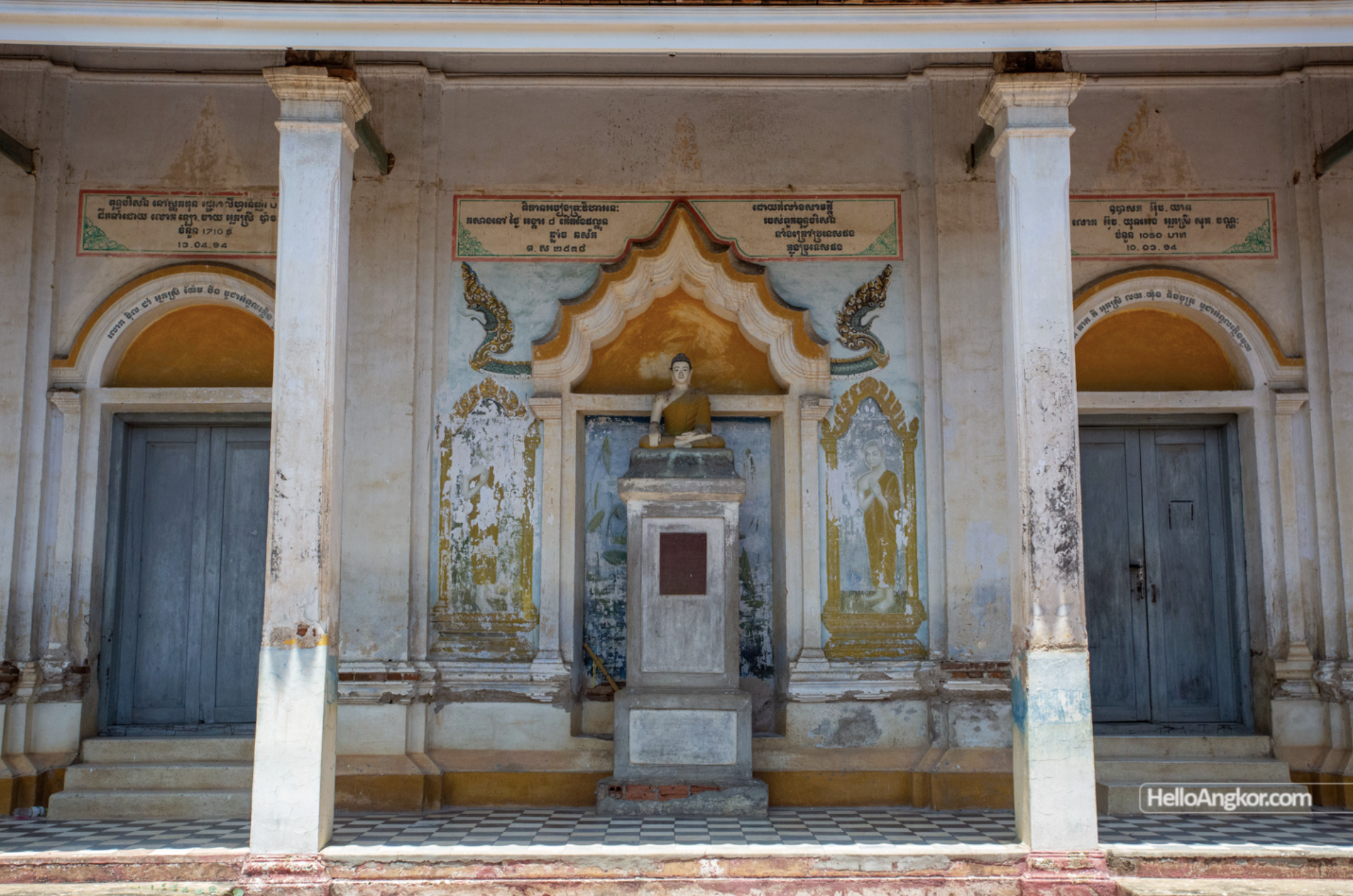
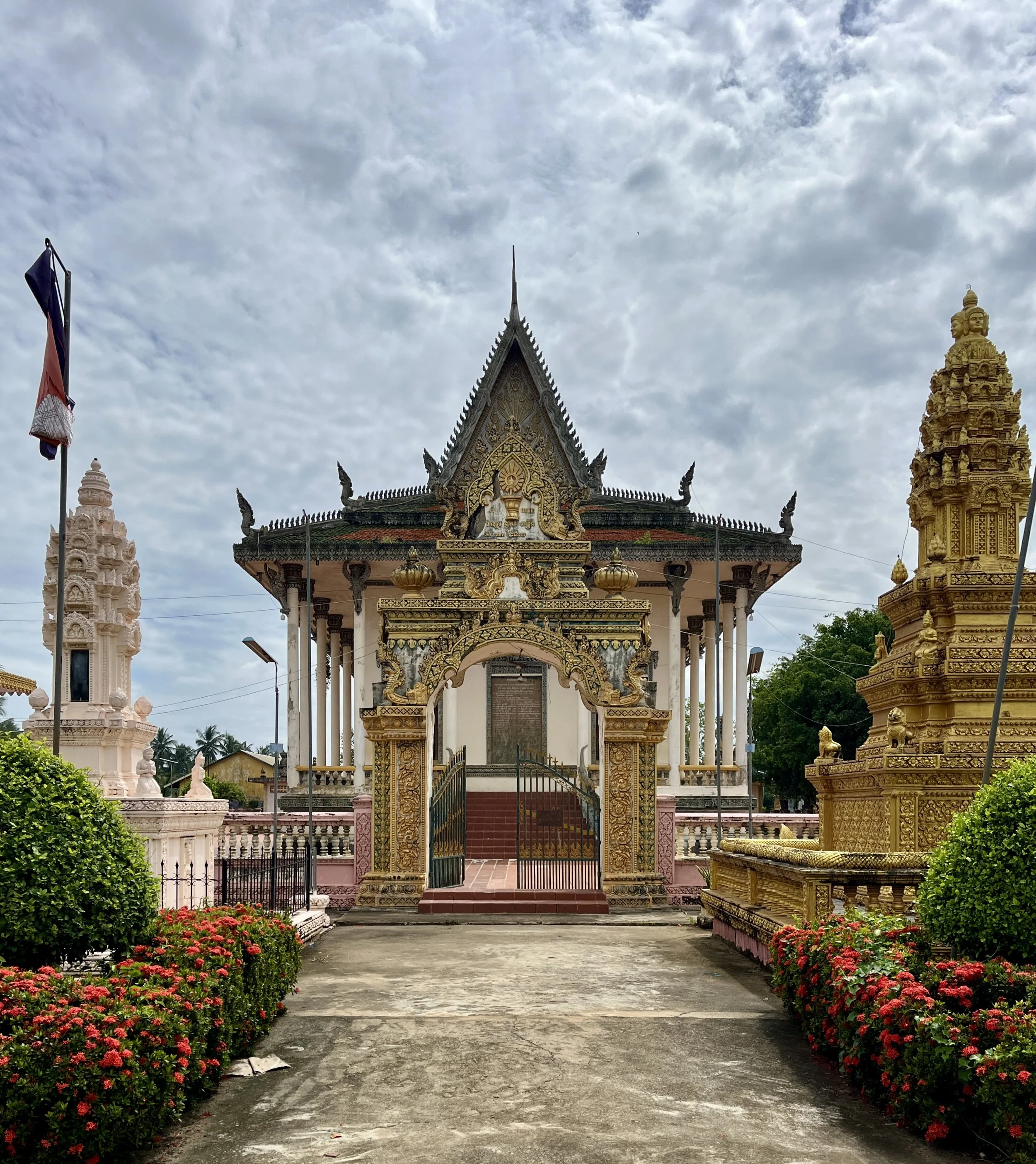
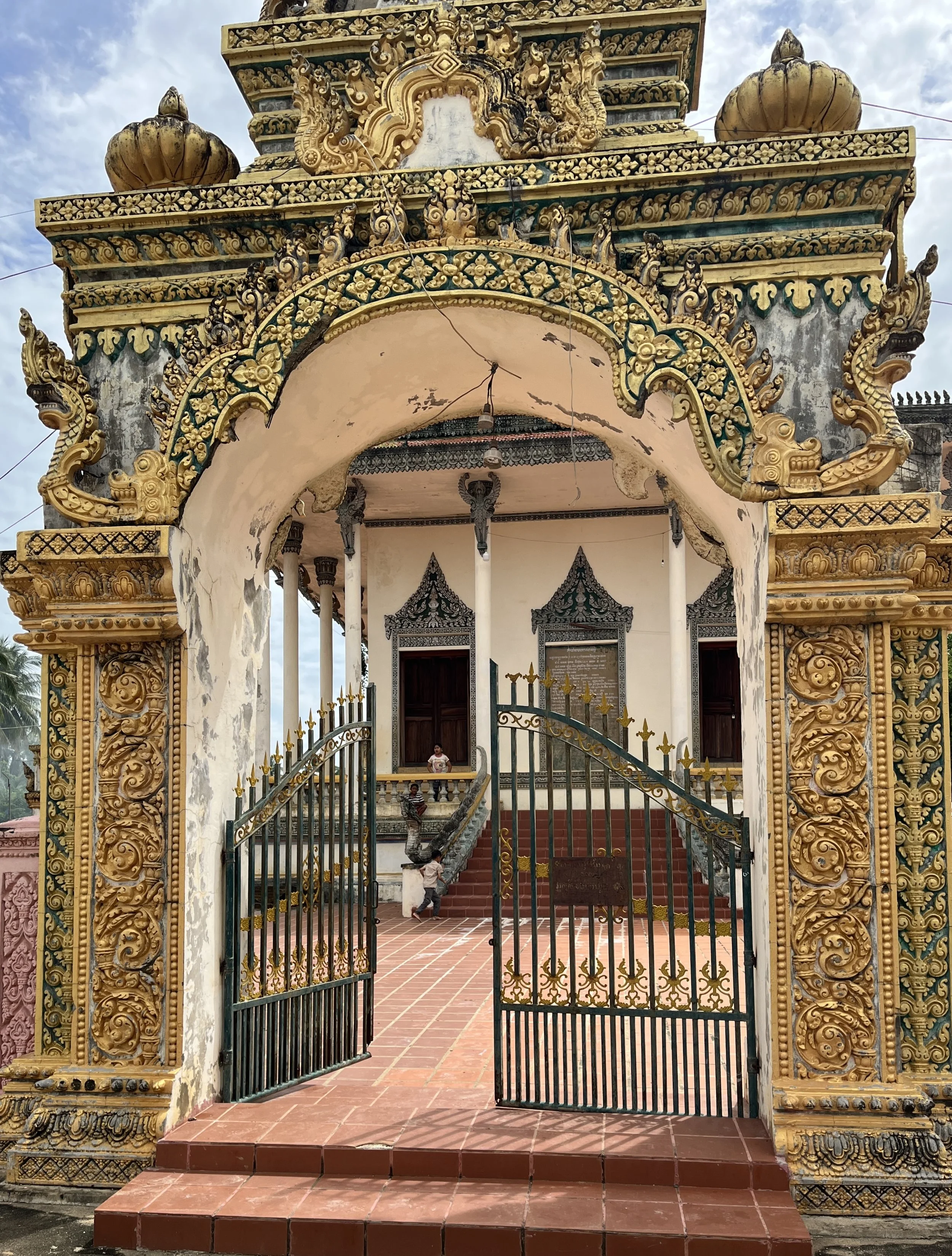
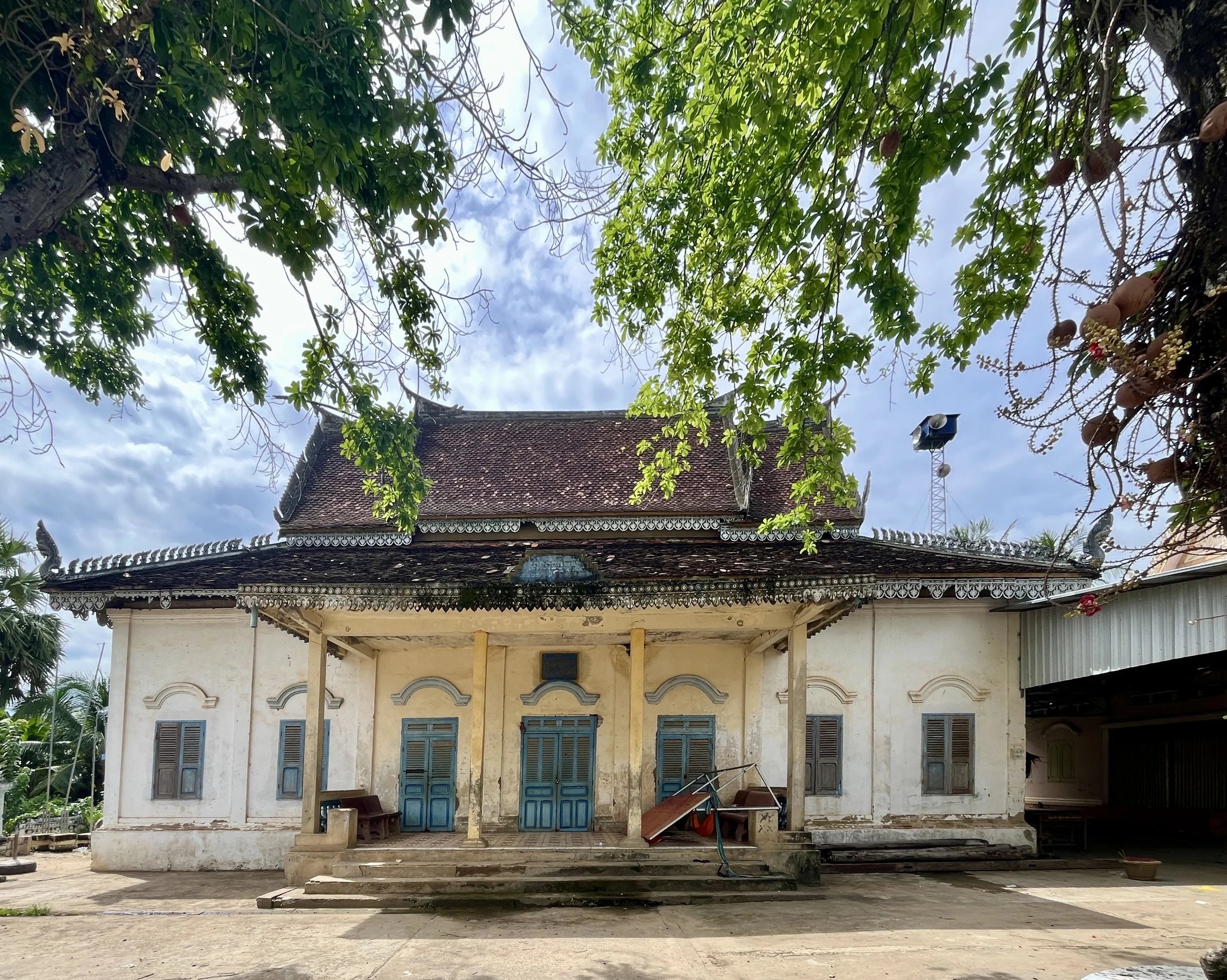
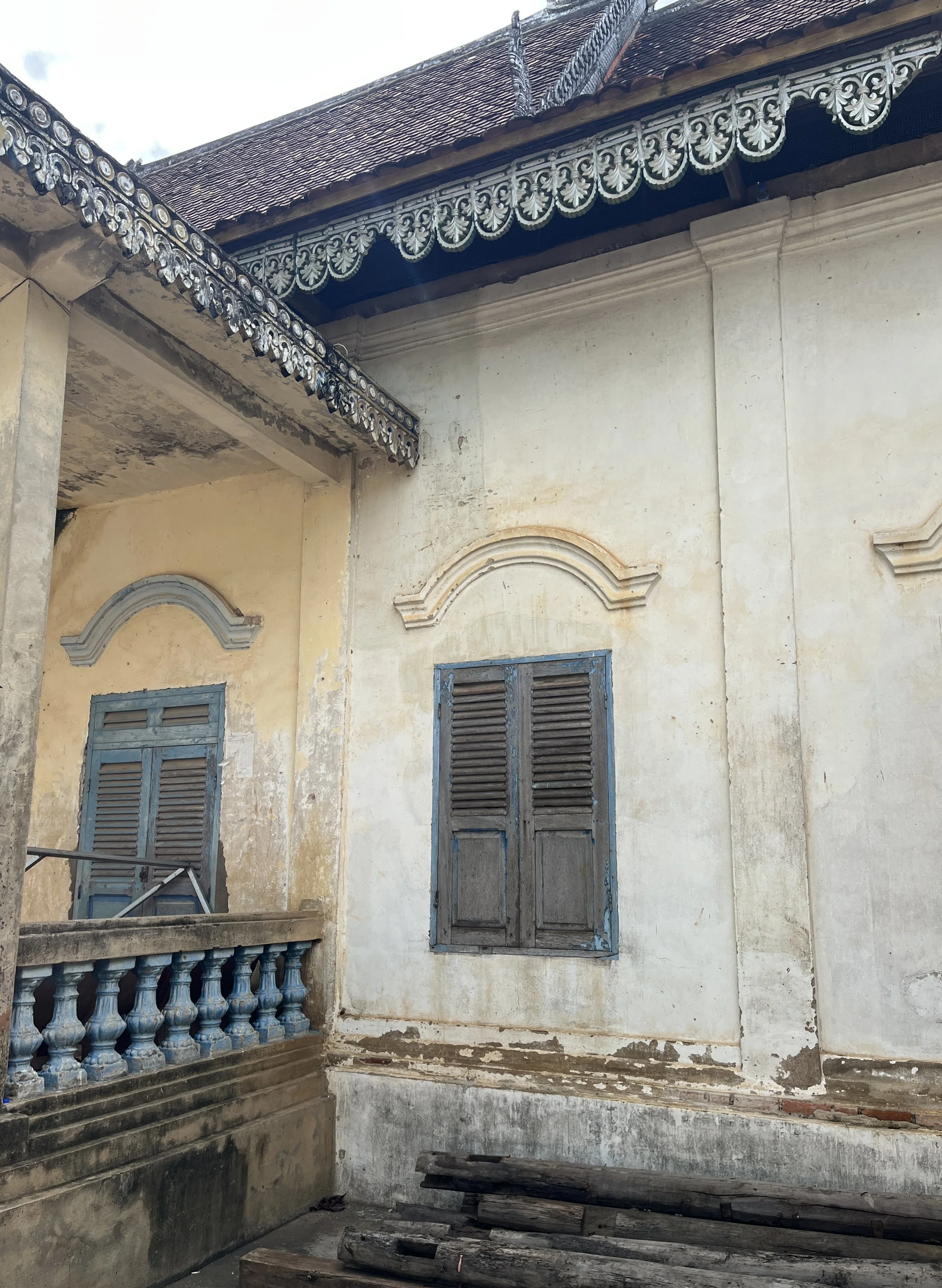
Though several structures are more modern, most of the temple buidlings were constructed in the mid 1960s at the height of Cambodia’s golden era under Prince Sihanouk.
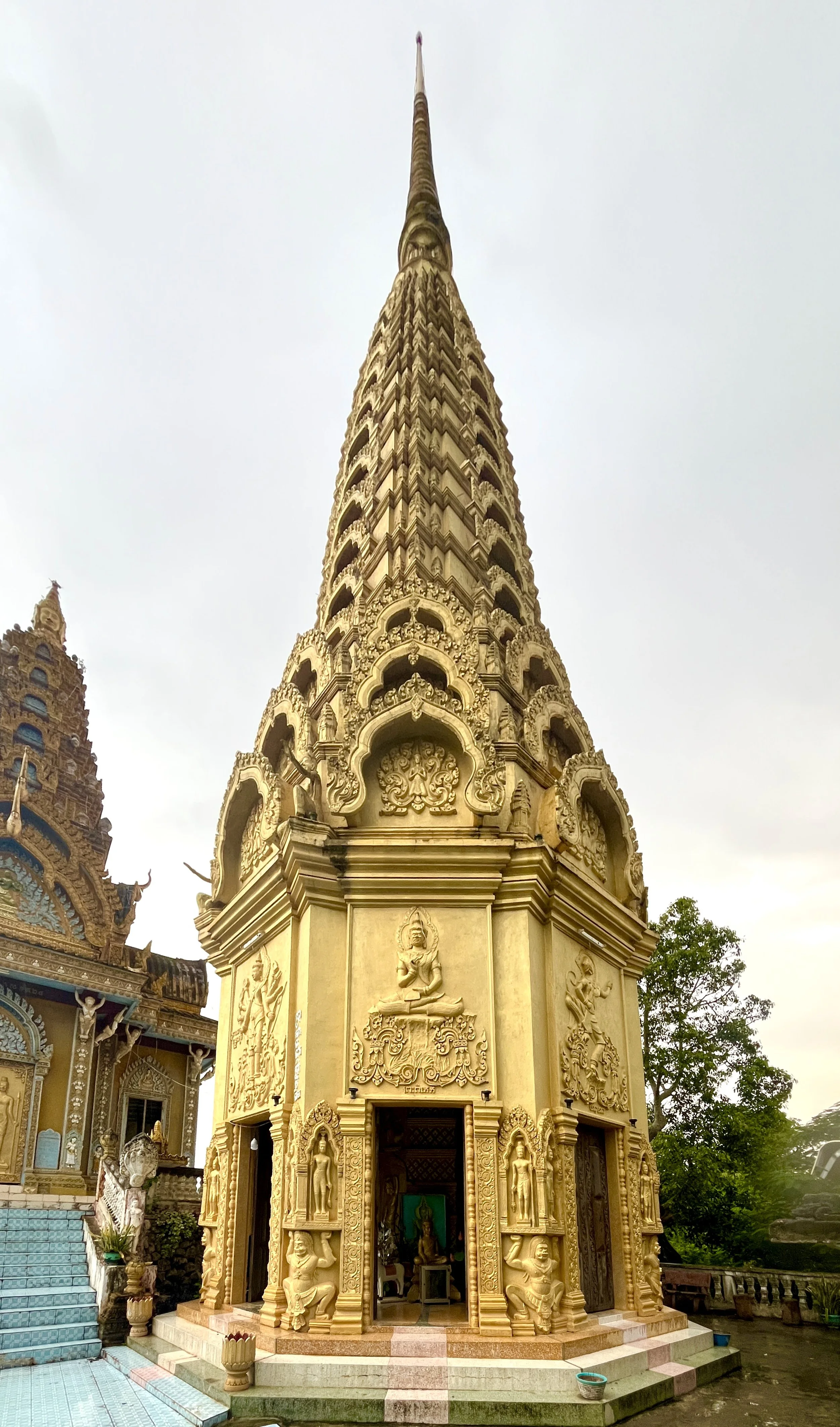
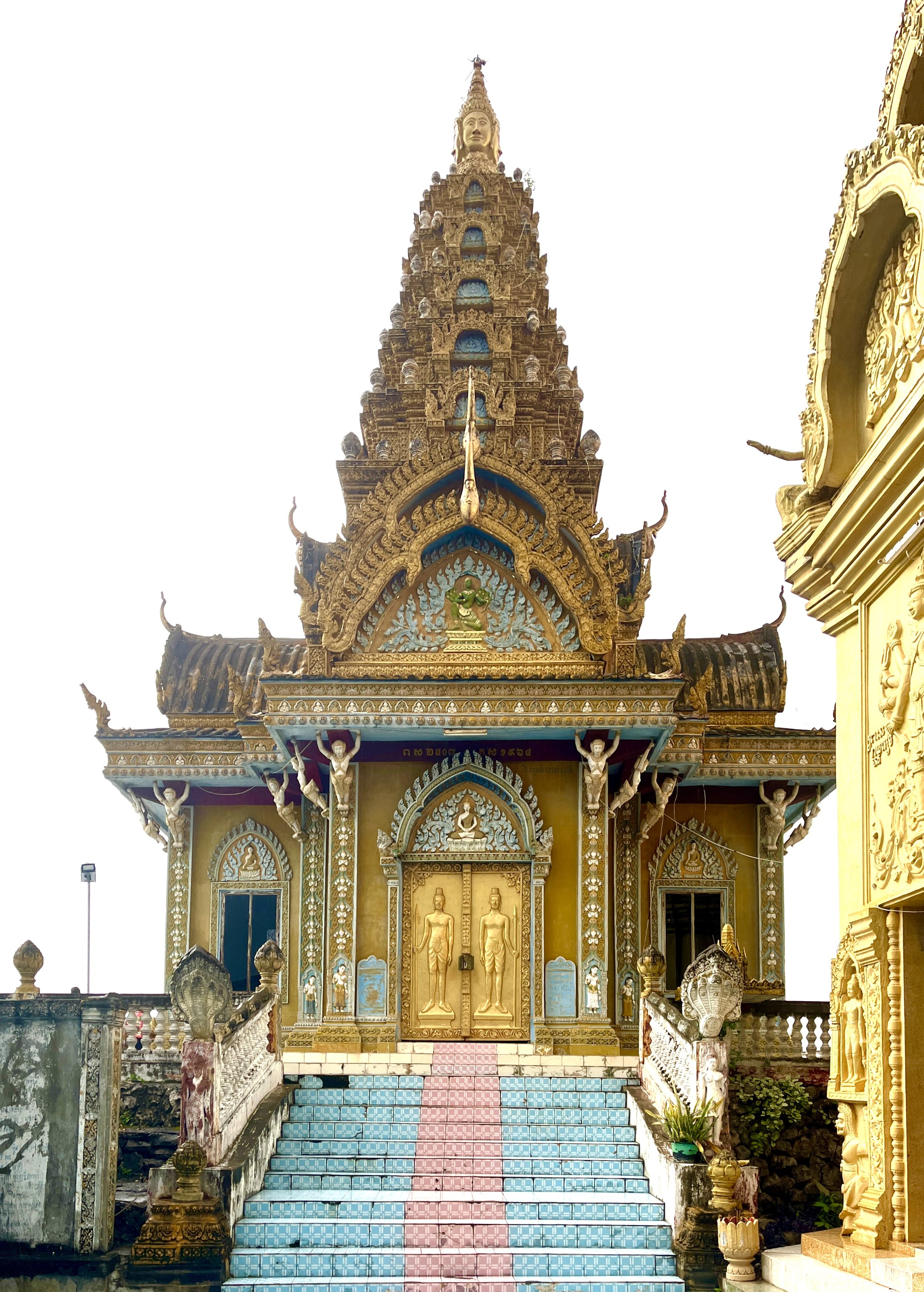
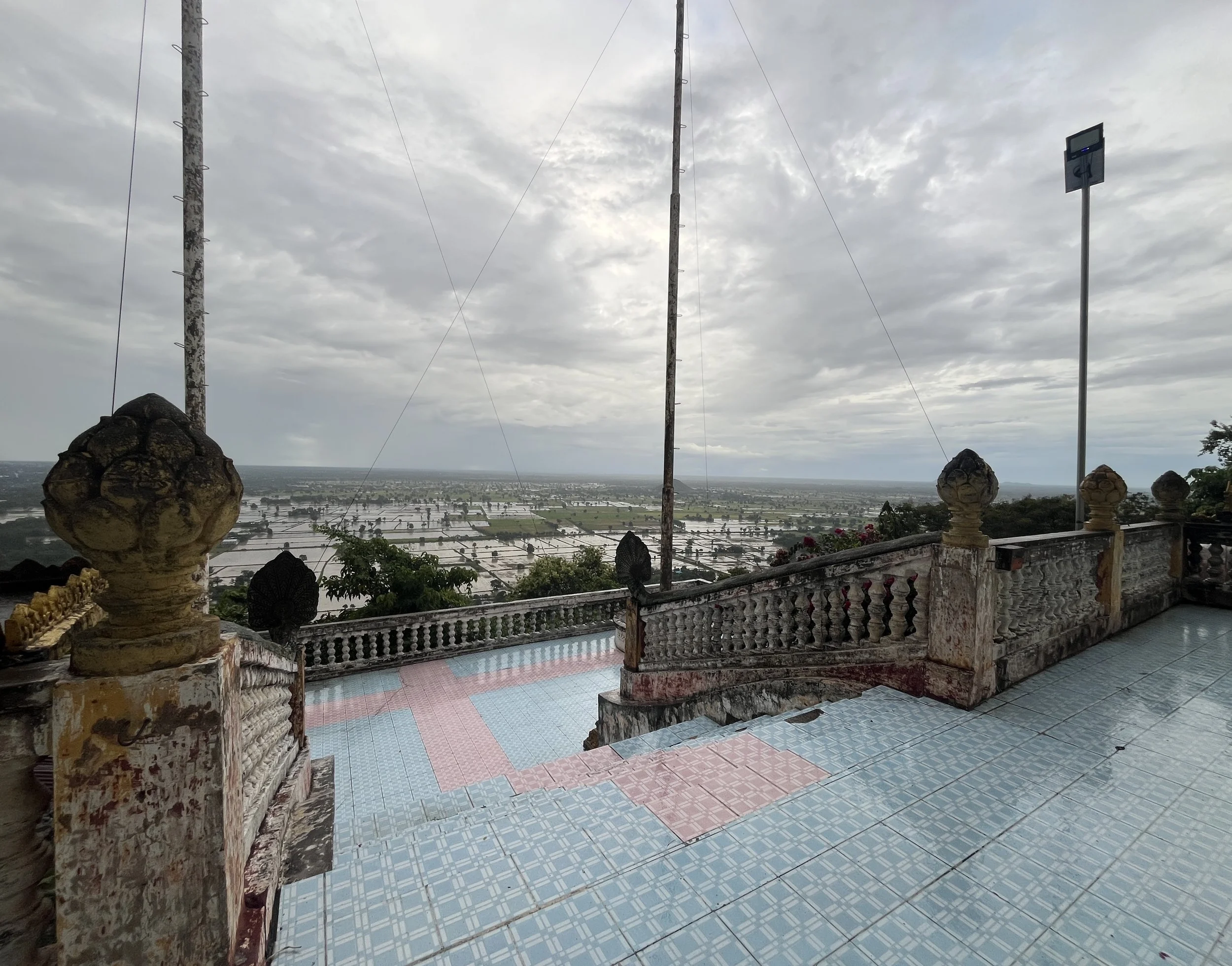
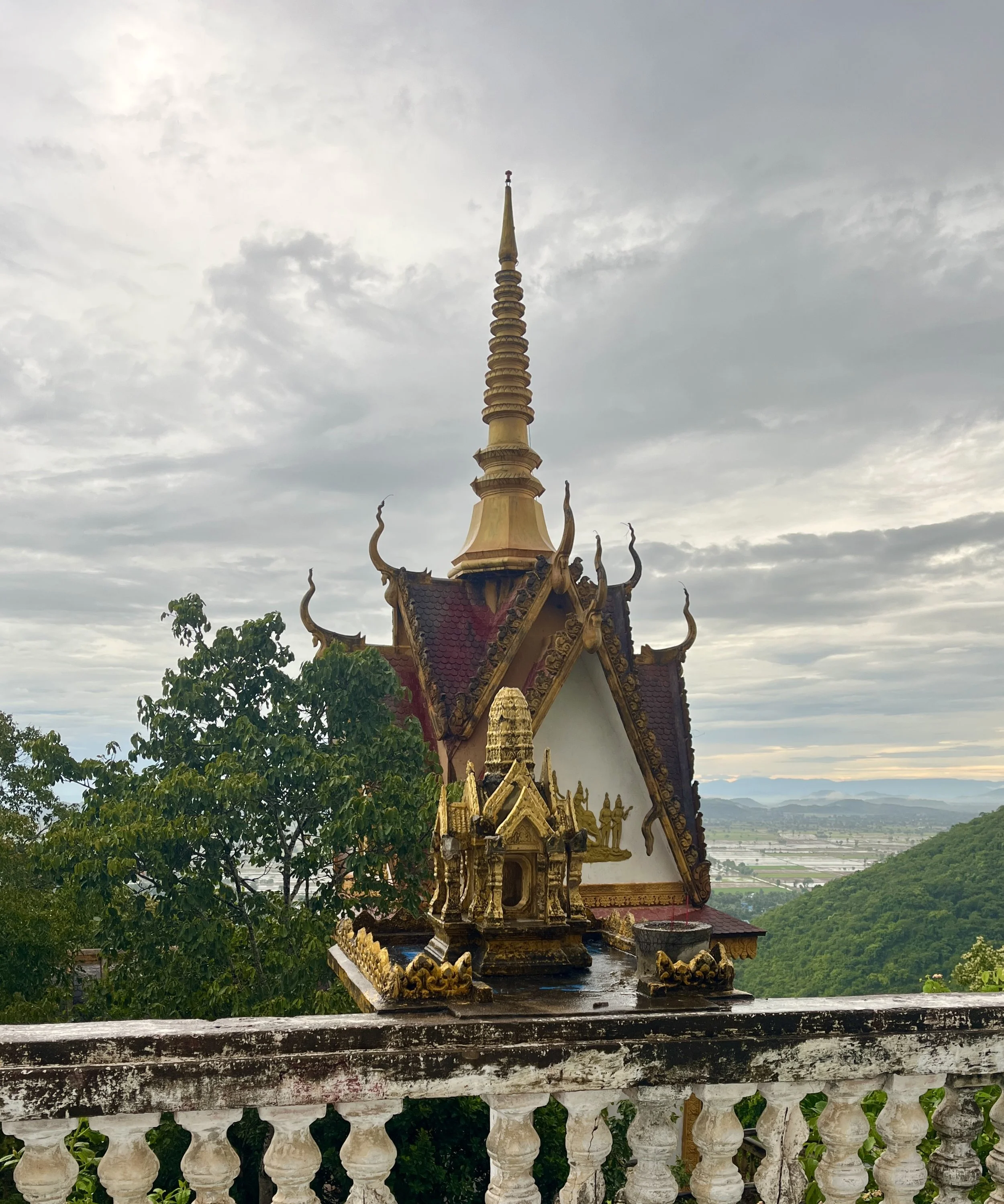
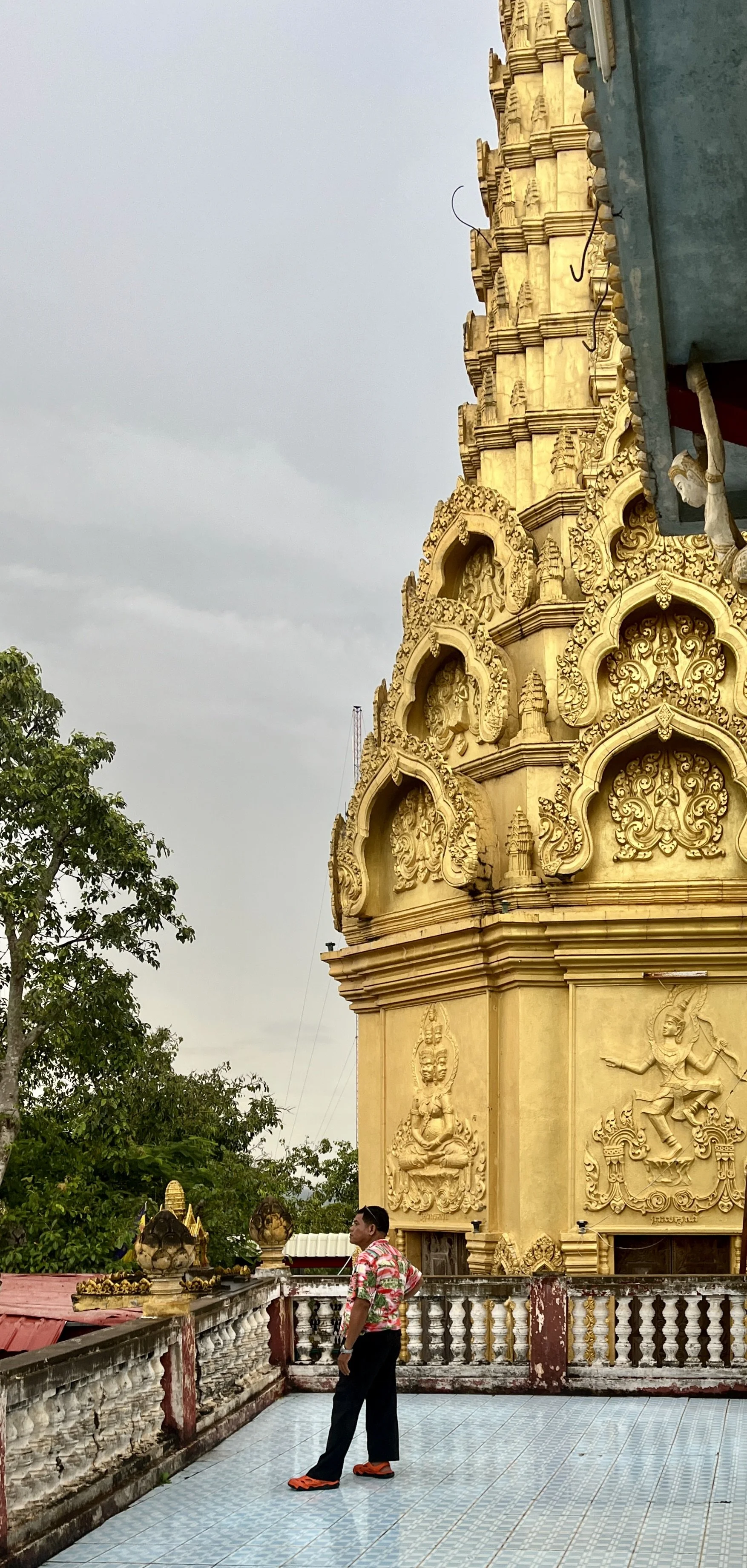
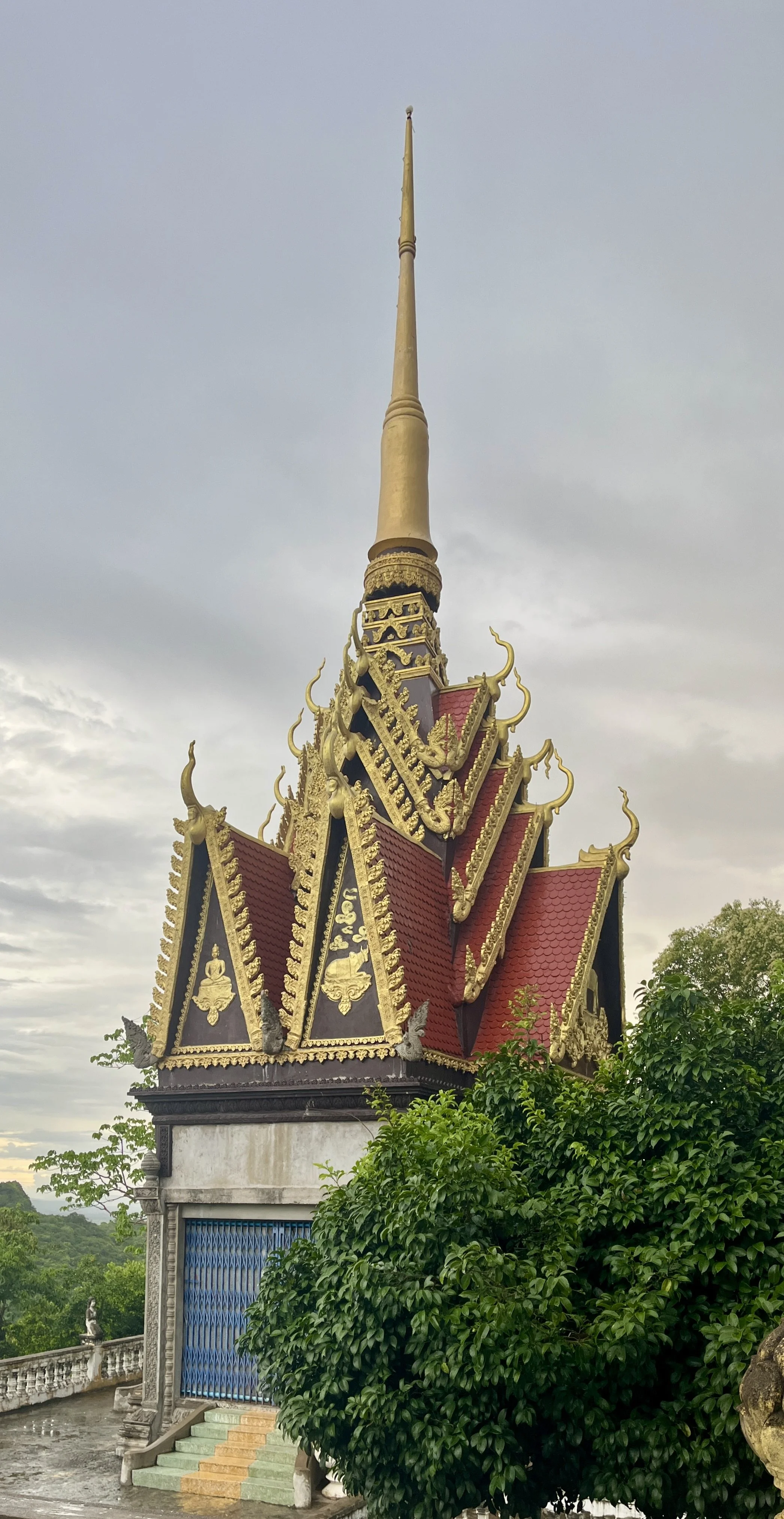
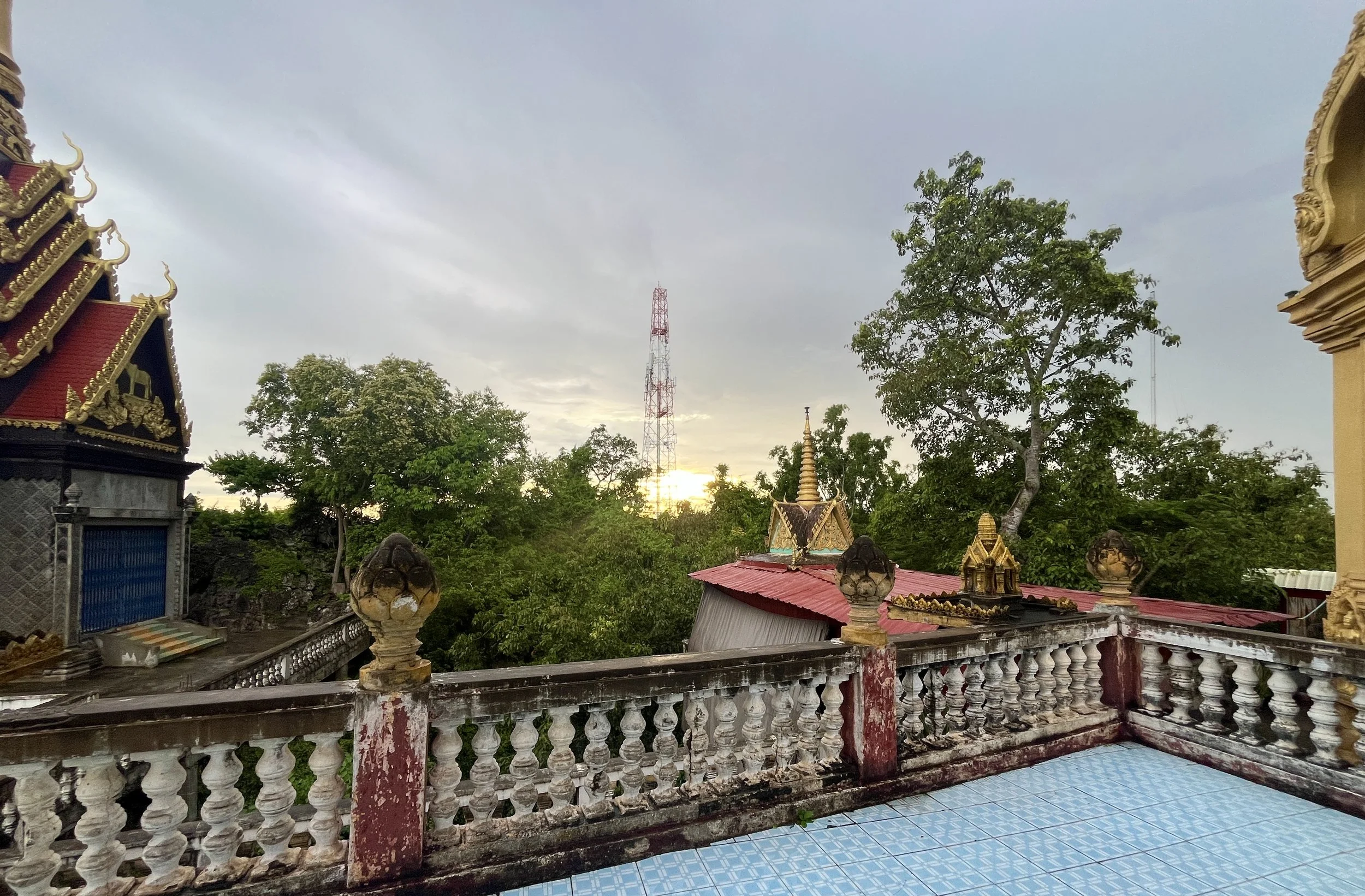
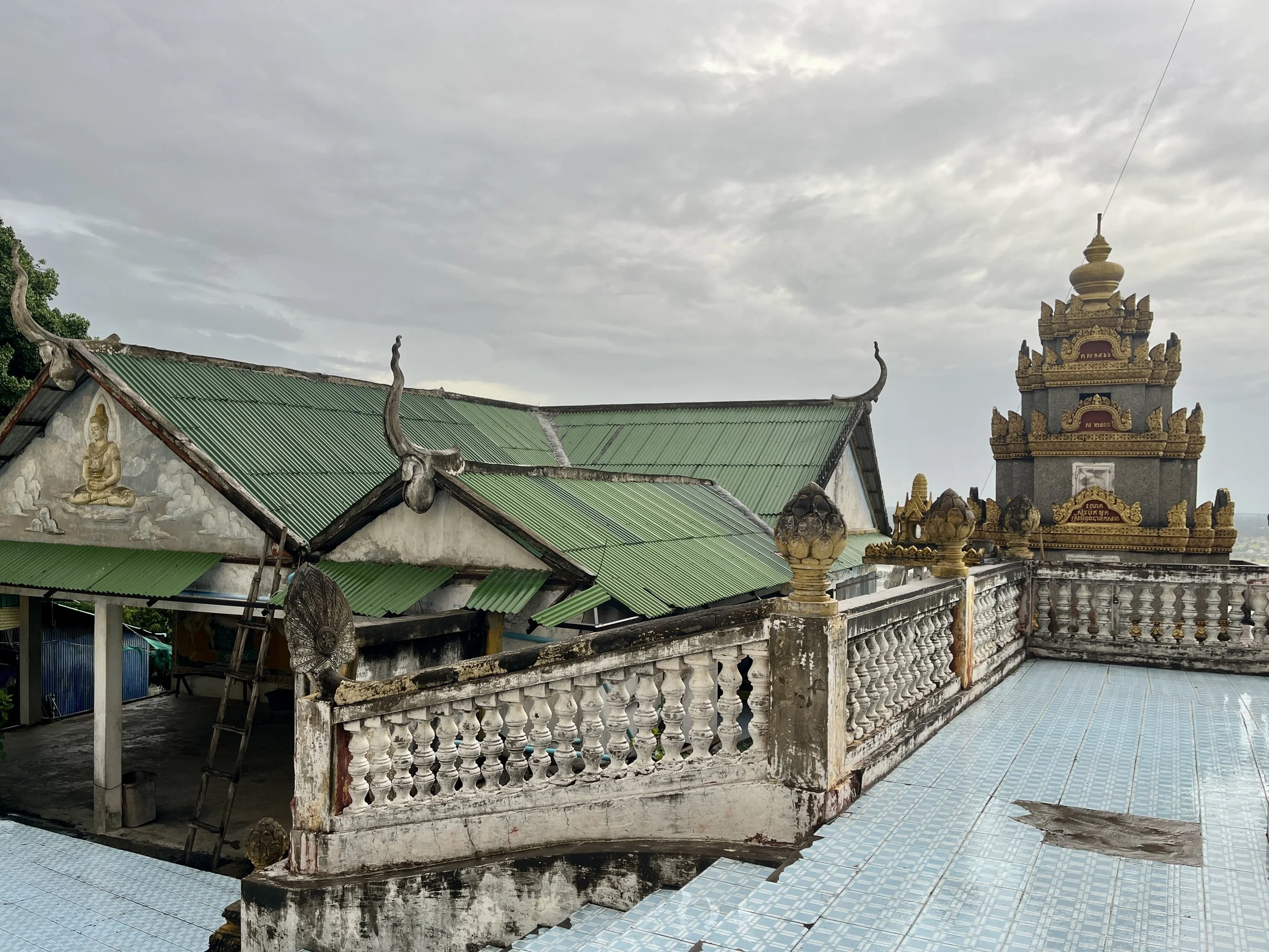
The whole place is lined with floored with slippery old tile– arriving on a rainy day was a bit scary, I had to go absolutely slomo to keep from falling.
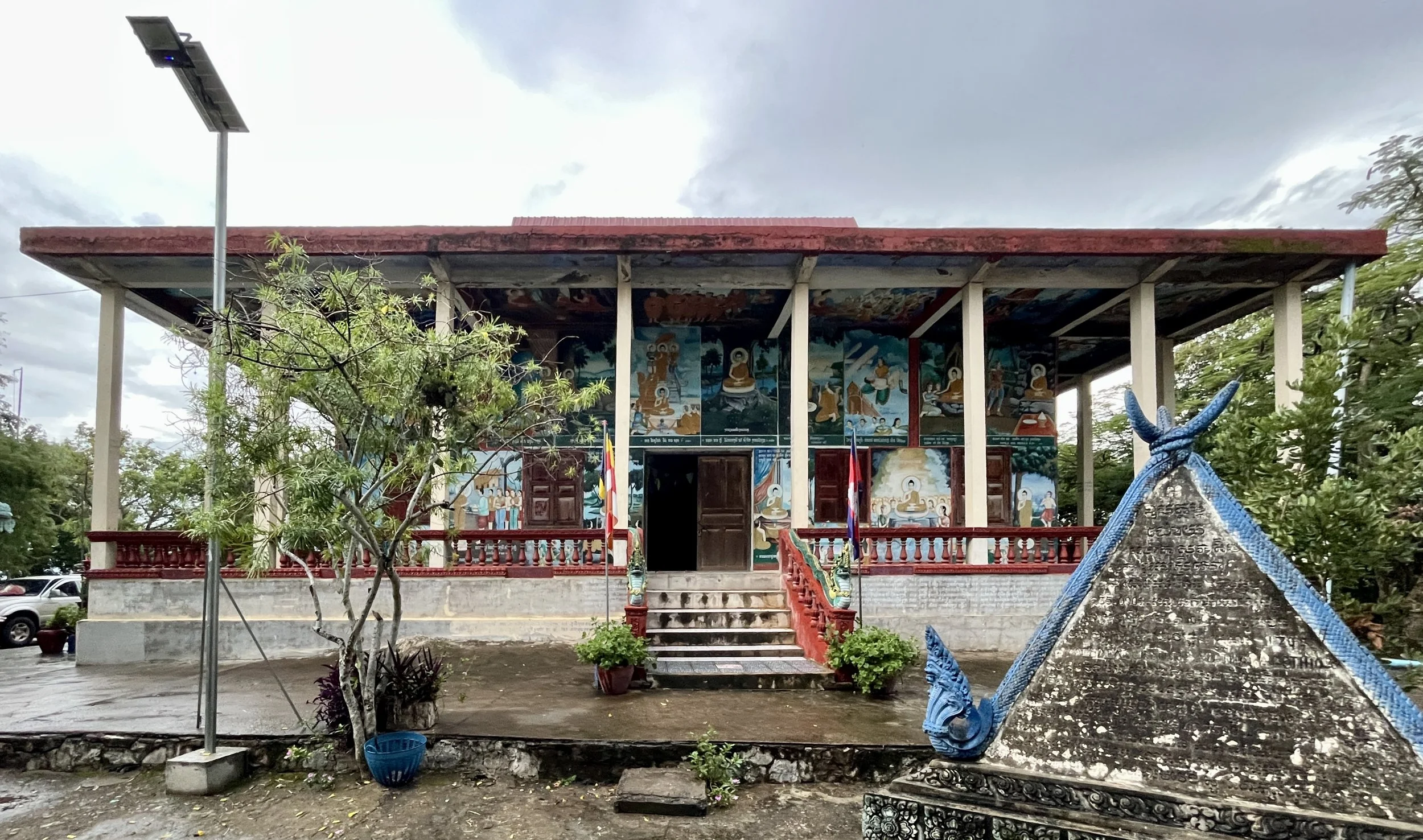
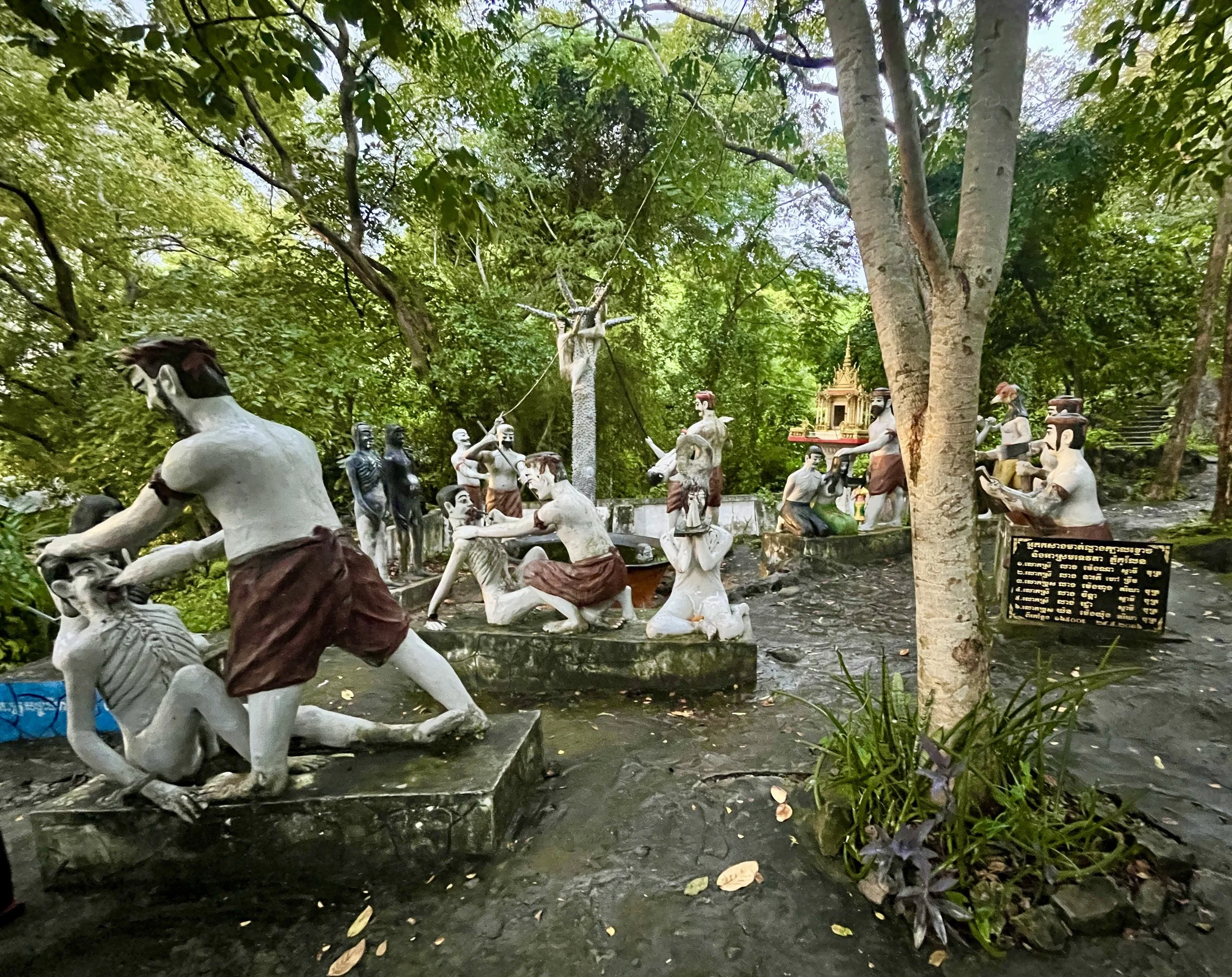
Bad Buddhists suffering in Naraka (Buddhist purgator or hell; a temporary realm of suffering experienced as a result of negative karma accumulated through past actions. Unlike the eternal damnation found in some other religious traditions, Buddhist hell is not permanent; beings remain in Naraka only for a finite period until their negative karma is exhausted, after which they are reborn into another realm based on their remaining karmic imprints.) Apparently these are such a common form of statuary to serve as a warning.
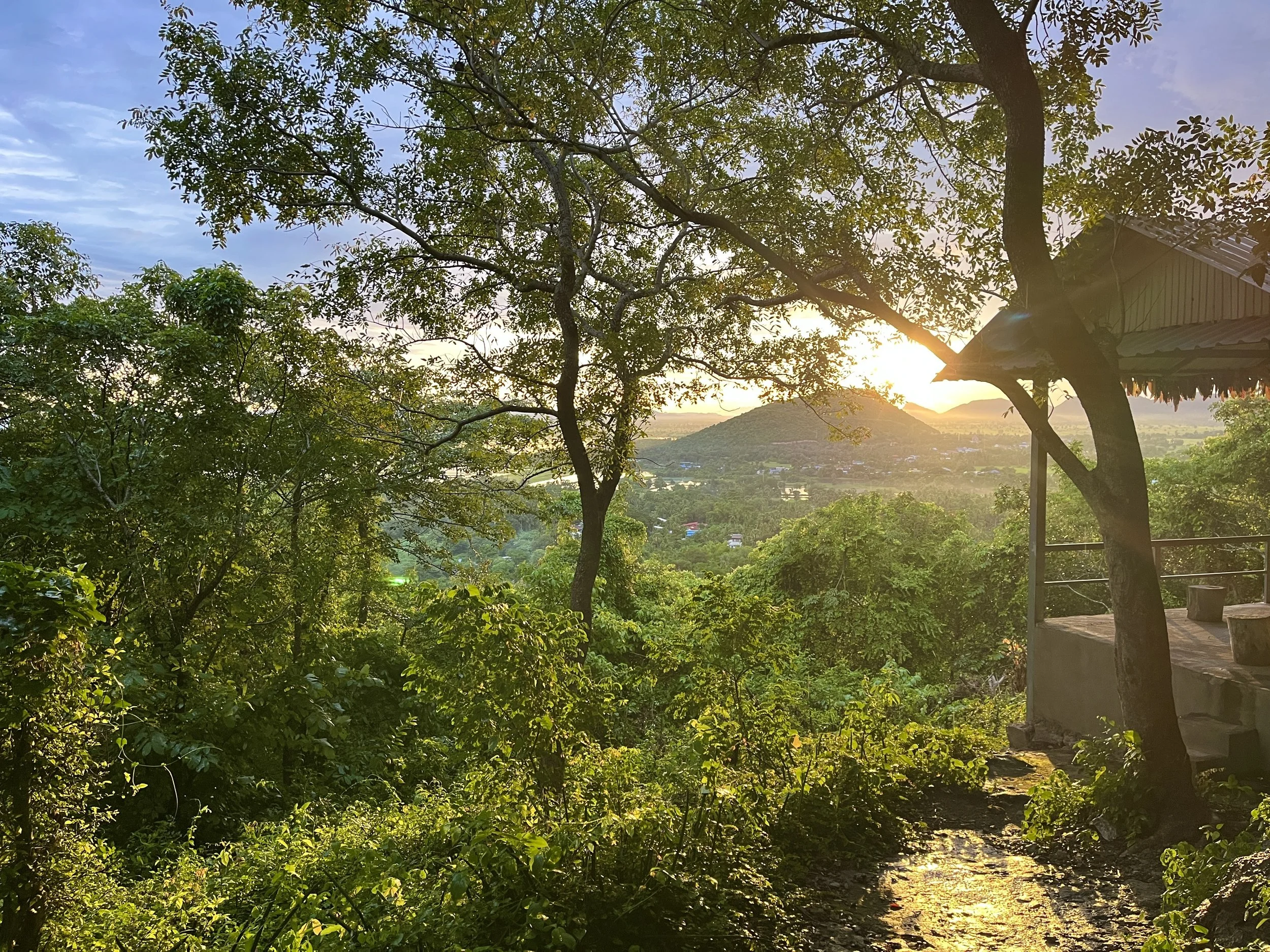
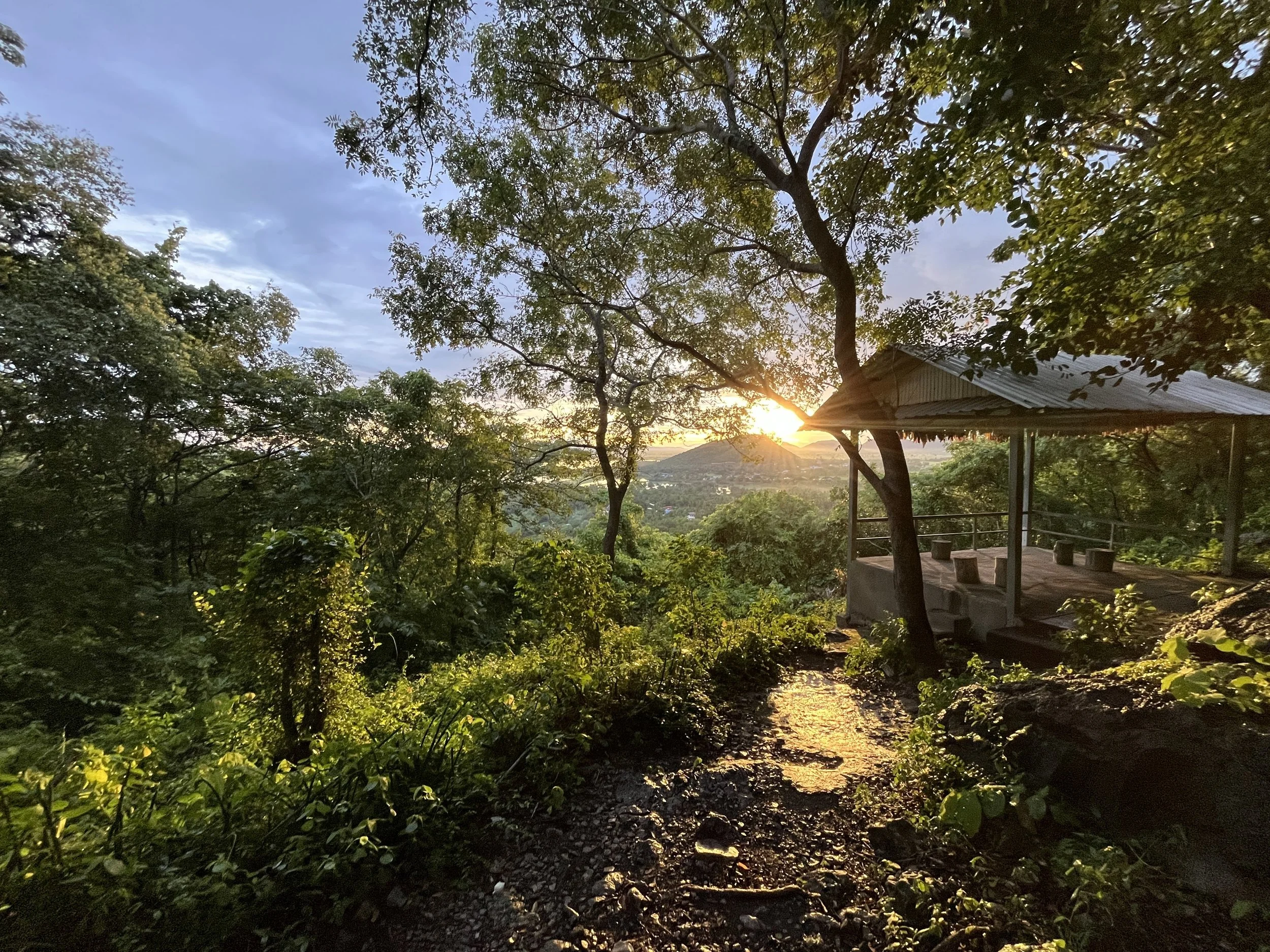
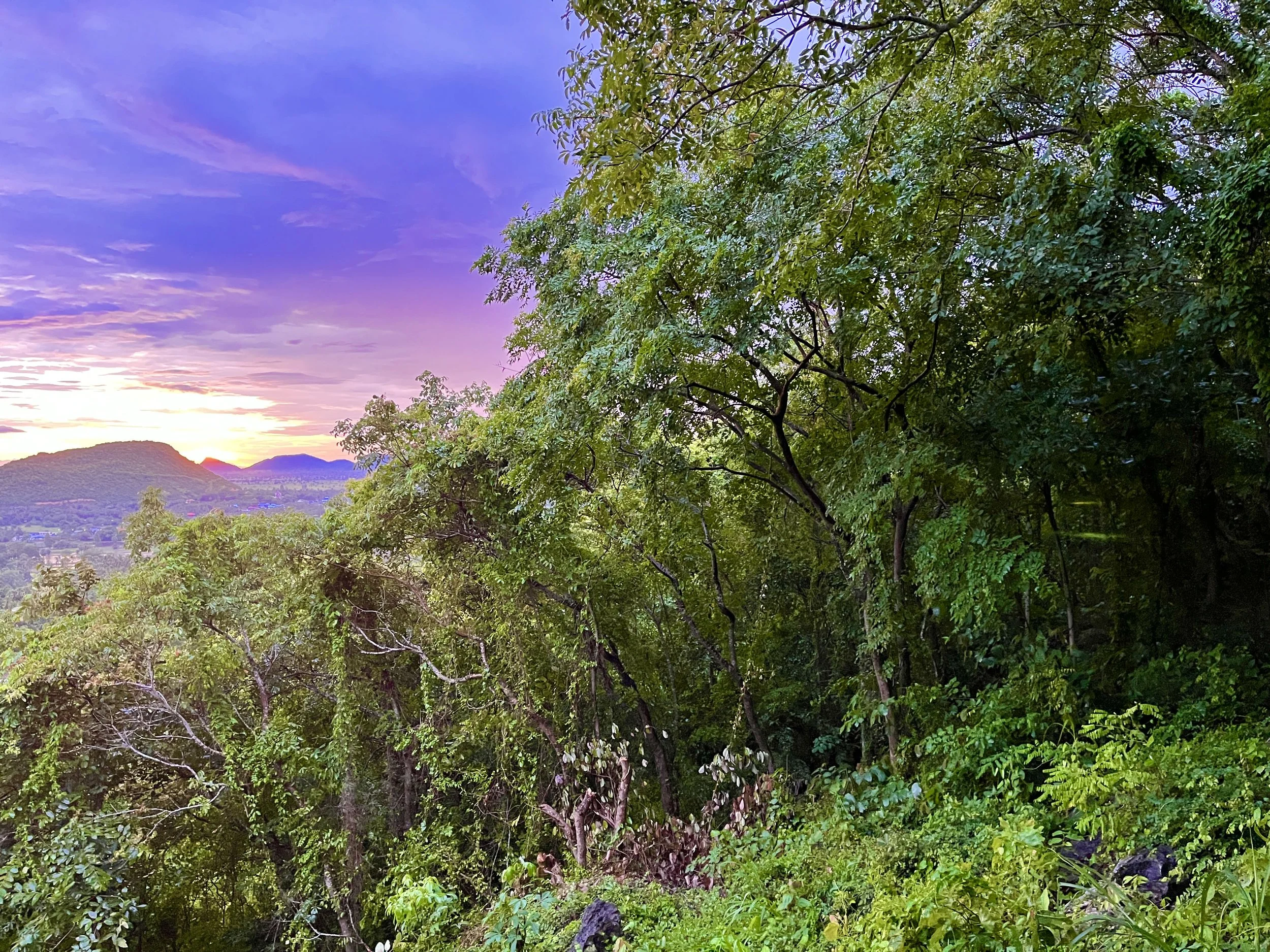
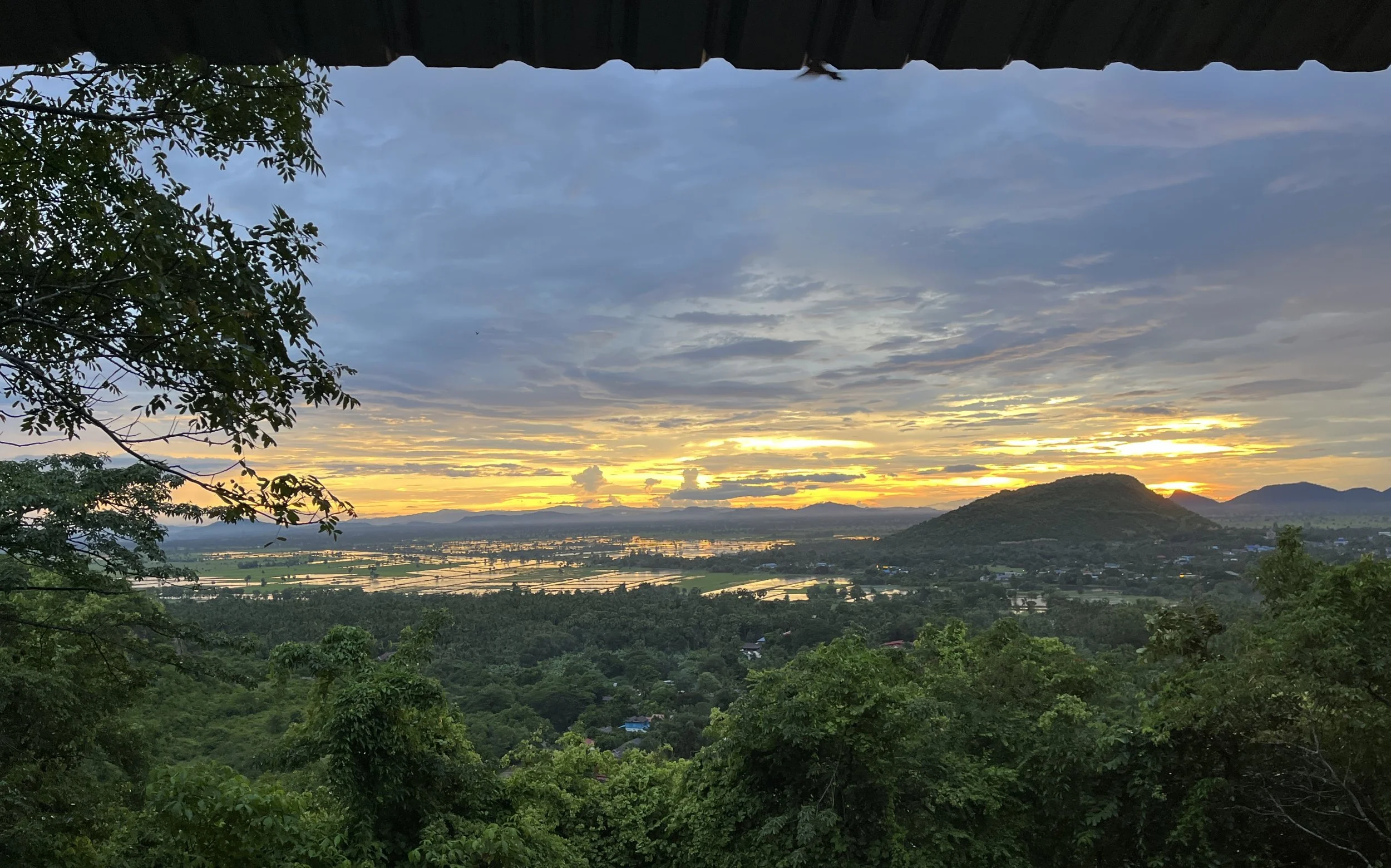
The sunset was unbelievably beautiful, like a painting; this photo is has absolutely no editing/color correction.
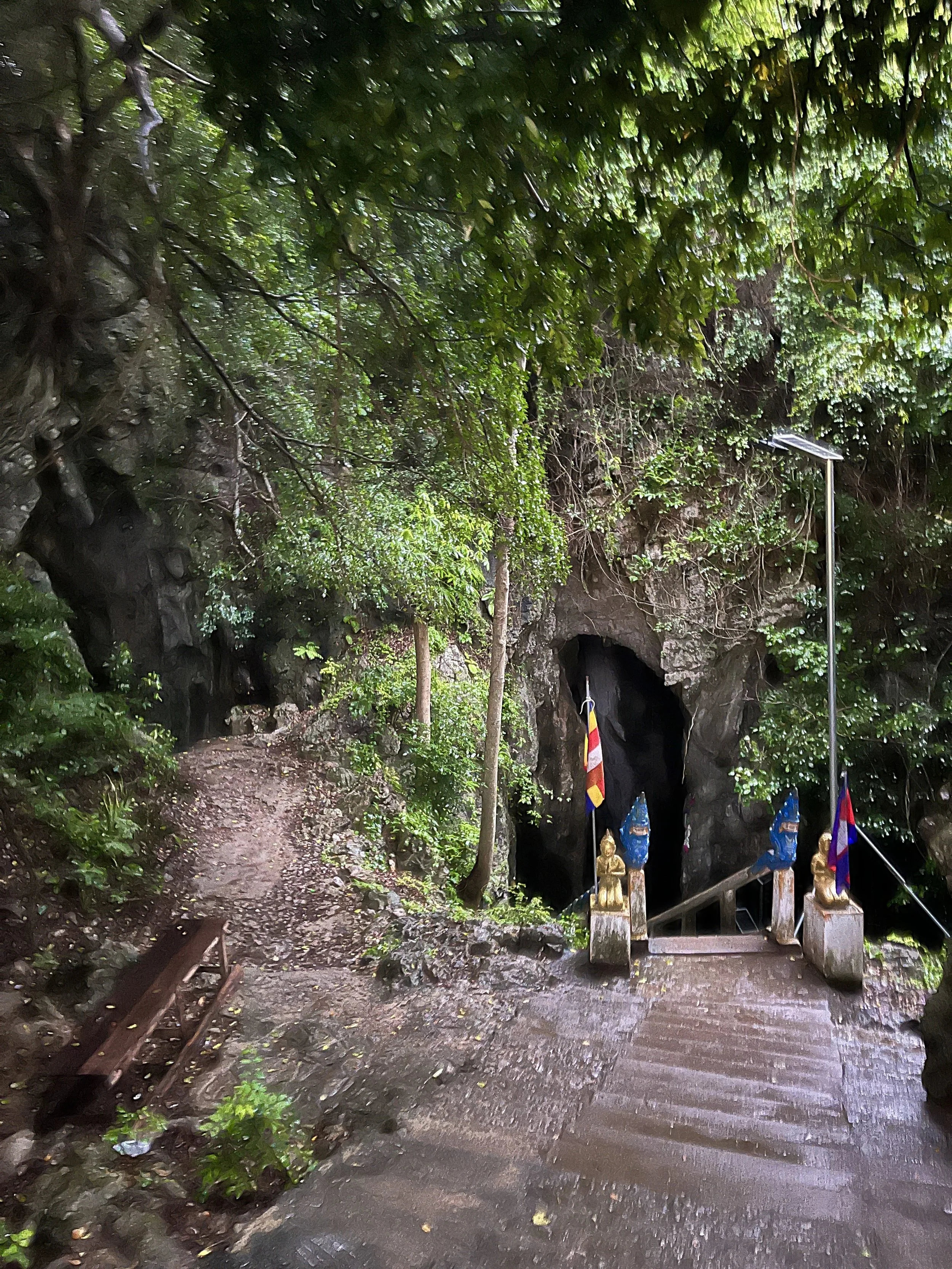
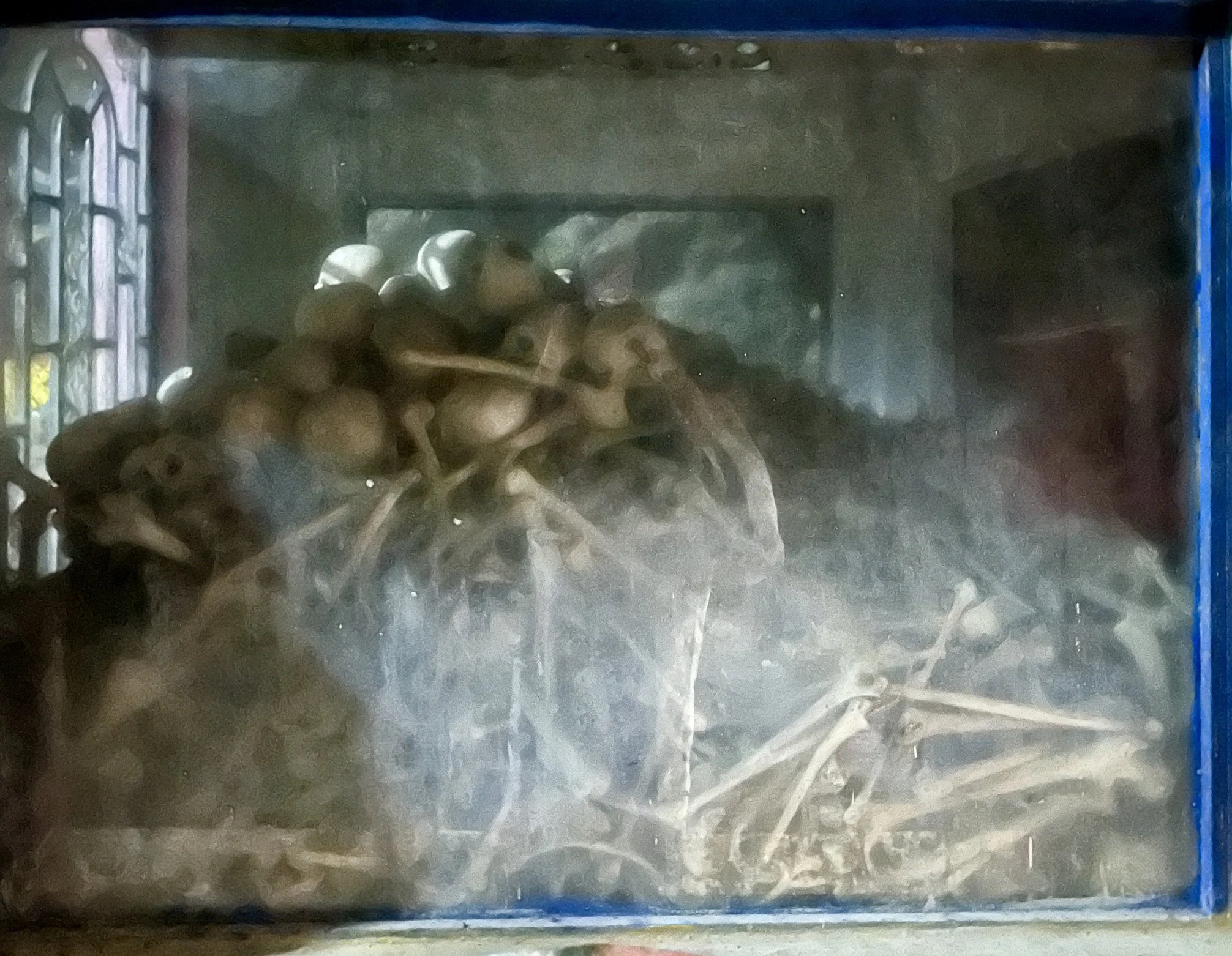
The entrance to one of the killing caves. They’ve since been honored with Buddhist shrines.
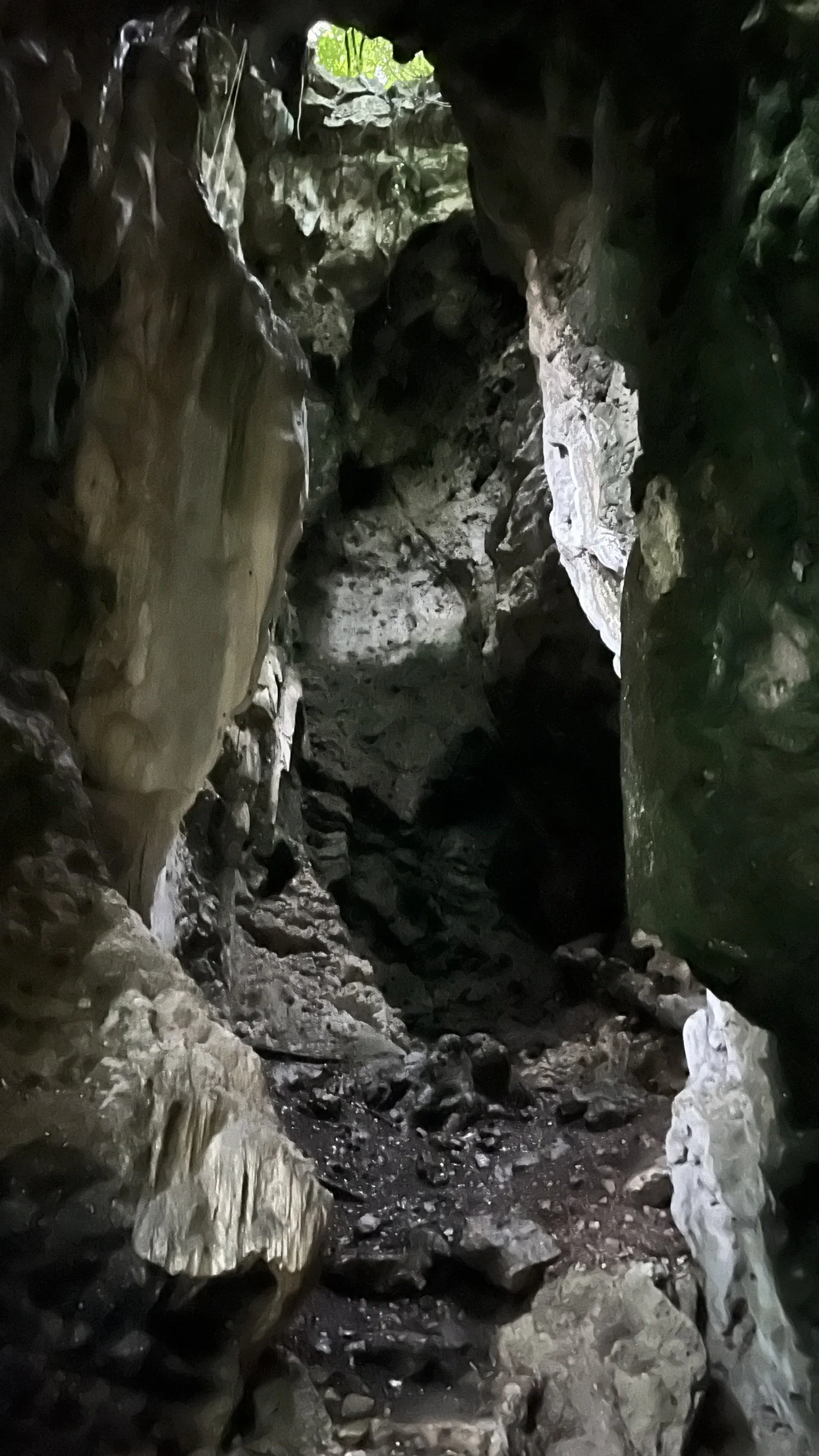
Thousands of people were tortured and killed, and thrown down into the caves when dead or dying.